
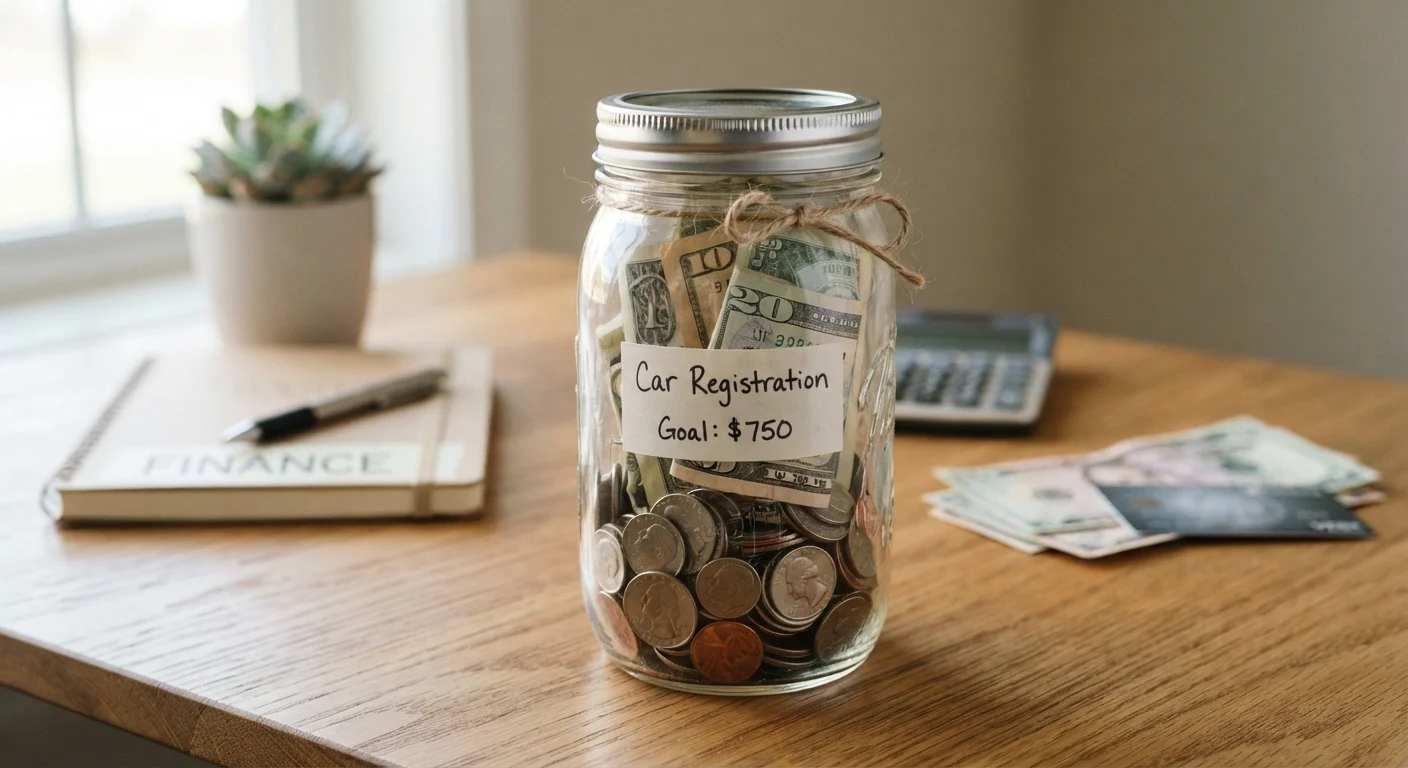
Why Irregular Expenses Break Budgets
Most budgets are built around the predictable: rent, utilities, groceries, subscriptions. But plenty of real costs don't arrive monthly. Your car registration bill shows up once a year. Holiday spending clusters in November and December. Annual insurance premiums can hit all at once. When these costs land without preparation, the common response is to raid savings, carry a credit card balance, or simply not pay other bills on time.
This is exactly the problem sinking funds are designed to solve. Rather than treating these expenses as surprises, you plan for them in advance - spreading the cost over months so no single billing period feels like a financial emergency. As the guide to irregular expenses that wreck monthly budgets explains, these overlooked annual and semi-annual costs are among the most common reasons otherwise solid budgets fall apart.
~$5,000
Average American holiday spending per year
According to the National Retail Federation, US consumers have consistently spent several thousand dollars on gifts, food, and decorating across the holiday season in recent years.
1 in 3
Americans who have no dedicated savings for irregular expenses
Multiple consumer surveys, including data from the Federal Reserve's Report on the Economic Well-Being of U.S. Households, have found that a significant share of Americans lack a buffer for unexpected or irregular costs.
How a Sinking Fund Works in Practice
The math is straightforward. Identify an upcoming expense, estimate the total cost, and divide that number by the months you have until you need the money. That's your monthly contribution.
Say your car insurance renews every six months at $480. Dividing $480 by six means you set aside $80 per month. When the bill arrives, the money is already there - no credit card required, no disruption to your regular budget.
Most people keep sinking funds in a dedicated savings account or a clearly labeled portion of an existing savings account. The key is that the money isn't mixed in with your everyday checking balance, where it might accidentally get spent.
Start With Just One or Two Funds
If the idea of managing five sinking funds feels overwhelming, begin with the one or two irregular expenses that hit you hardest each year. Once you've built the habit of monthly contributions, adding more categories becomes straightforward. Progress beats perfection every time.
You can run multiple sinking funds at once for different categories - vehicle costs, home maintenance, travel, and gifts are all common choices. Budgeting apps often have built-in envelope or category features that make this easier to track without opening a separate account for every goal.
Sinking Funds vs. Emergency Funds: A Critical Distinction
These two tools are often confused, but they serve distinct purposes. A sinking fund is for planned irregular costs - expenses you know are coming. An emergency fund covers genuinely unplanned financial shocks: job loss, sudden medical costs, a failed water heater you had no reason to anticipate.
Blurring the line between them is a common mistake. If you consistently dip into your emergency fund to pay for annual insurance or holiday gifts, you're actually draining the buffer that protects you when something genuinely unexpected happens. Consider reading how to build an emergency fund when money is tight for guidance on establishing that separate safety net alongside your sinking funds.
Sinking Funds and Emergency Funds Work Together
These aren't competing priorities - they're complementary ones. Financial planners generally recommend having both: a sinking fund system for anticipated irregular costs, and a separate emergency fund (typically three to six months of essential expenses) for genuine unpredictable events. If you can only start one, most guidance suggests building a small emergency buffer first, then layering in sinking funds as your budget allows.
Building Sinking Funds Into Your Monthly Budget
Treating sinking fund contributions the same way you treat fixed bills is the most reliable approach. Once you've calculated your monthly amount for each fund, add those figures as line items in your monthly budget - not as optional extras, but as required allocations that happen before discretionary spending.
Start with your highest-priority or nearest-deadline expenses. If your registration is due in three months, that fund gets attention first. Once funded, redirect that monthly contribution to the next goal.
For those managing a paycheck that changes from month to month, this process requires a little more flexibility. The budgeting strategies for freelancers and hourly workers covers how to adapt variable-income planning to still make room for goal-based saving like sinking funds.
A monthly financial reset checklist can also help you review sinking fund balances regularly and catch any months where you fell short - before the expense actually arrives.
This article is for general informational and educational purposes only and does not constitute personalized financial advice. Consider consulting a qualified financial professional for guidance specific to your situation.