Adding another dog to your household takes more planning than most people expect. Work through this checklist before you commit.
Key Takeaways
Your resident dog's temperament and health status should guide every adoption decision.
Financial costs roughly double with a second dog - budget honestly before committing.
A neutral-territory introduction dramatically reduces early conflict between dogs.
Space, routine, and individual attention must be planned for both dogs separately.
Shelter staff and your vet are the most reliable sources for compatibility guidance.
Why a Second Dog Is More Complex Than It Looks
Bringing a second dog home ranks among the most consequential decisions a dog owner can make - for their resident pet, their household budget, and their daily schedule. Many adopters underestimate the adjustment period, assuming a sociable first dog automatically means a smooth transition. In practice, canine compatibility depends on a specific mix of temperament, age, energy level, health status, and environment that no single rule can predict.
This checklist is designed to slow you down in the best possible way. Work through each group before you visit a shelter or reach out to a breeder. If you're curious how second-dog preparation differs from other companion-animal decisions, our small-pet preparation checklist offers a useful contrast in scope and planning.
Your Resident Dog's Needs Come First
A second dog should add to your household's quality of life - not compromise the wellbeing of the dog you already have. If your current dog shows chronic stress, health vulnerabilities, or has a documented history of conflict with other dogs, adopting a second animal may not be appropriate at this time. Consult your veterinarian and a qualified behaviorist before proceeding.
What You Need and What to Check
Use the tools and resources below throughout the process - especially during the health and financial planning stages.
Required
Your veterinarian
Confirm your resident dog's health status, get compatibility guidance, and ensure vaccines are current before a new dog arrives.
Required
Certified Applied Animal Behaviorist (CAAB) or CPDT-KA trainer
Provide professional temperament assessment and a structured introduction plan if your resident dog has any history of reactivity.
Required
Shelter intake and behavior staff
Share detailed behavioral history of candidate dogs, including known responses to resident dogs in foster or group settings.
Required
Separate crates or safe enclosures
Provide each dog with an individual retreat space during the adjustment period to prevent conflict and reduce stress.
Optional
Pet health insurance or emergency savings plan
Cover unexpected veterinary costs that are statistically more likely when managing two dogs.
Once you've gathered your planning tools, work through the checklist groups below. Each category addresses a distinct area of readiness. Skipping sections increases the risk of a failed adoption, which is stressful for every dog involved.
Resident Dog Assessment
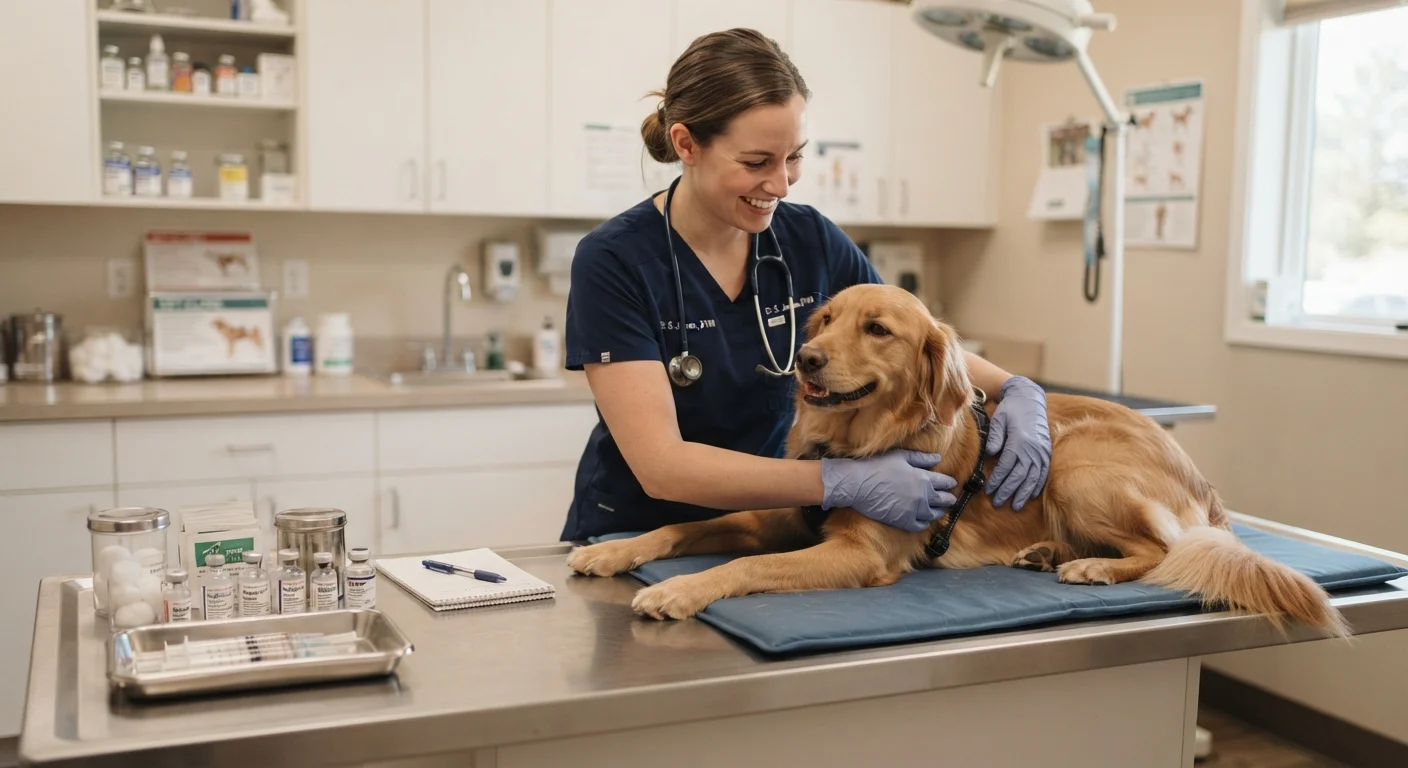
Schedule a veterinary wellness check for your current dog to confirm they are healthy, up to date on vaccines, and parasite-free before introducing a new animal.Must
Honestly evaluate your dog's history with other dogs - note any incidents of reactivity, fear, or aggression, however minor.Must
Ask your vet or a certified applied animal behaviorist whether your dog's temperament is suited to living with another dog.Must
Consider your dog's age and energy level; pairing a senior dog with a high-energy puppy often creates chronic stress for the older animal.Should
Candidate Dog Compatibility
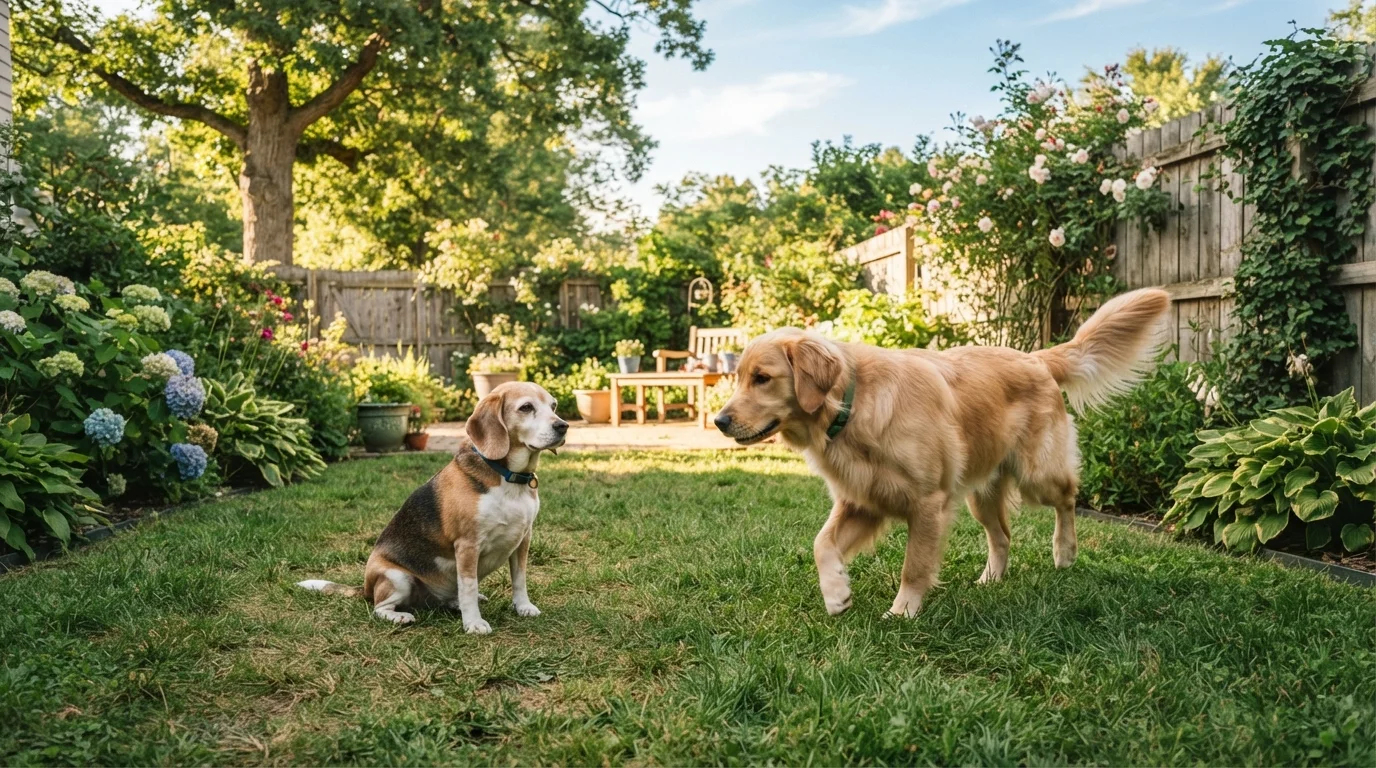
Request a meet-and-greet on neutral ground - not your home or yard - before finalizing any adoption decision.Must
Look for relaxed, parallel movement and loose body language; stiff postures, hard stares, or raised hackles are warning signs that warrant pause.Must
Ask shelter staff or foster caregivers specifically how the candidate dog behaves with resident dogs, not just in group play settings.Must
Consider whether size, play style, and energy level are compatible rather than focusing only on breed.Should
Financial Readiness
Calculate recurring costs for a second dog: food, routine veterinary care, preventive medications, grooming, and licensing fees.Must
Budget for emergency veterinary expenses; a general guideline is to have a dedicated reserve or a pet health insurance plan in place before adoption.Must
Factor in one-time adoption and setup costs: spay/neuter if needed, initial vaccines, crate, bedding, and supplies.Must
Revisit your pet-sitting or boarding costs - two dogs may require a larger investment in care during travel.Should
Home and Space Preparation
Ensure each dog will have its own separate feeding station, sleeping area, and crate to reduce resource-guarding risk.Must
Assess your yard or outdoor access: confirm fencing is secure and sufficient for two dogs of the relevant sizes.Must
Create a safe separation space where the new dog can decompress away from the resident dog during the initial adjustment period.Must
Remove or secure high-value items (bones, favorite toys, food bowls) that commonly trigger guarding behavior during introductions.Should
Time and Routine Planning
Map out your current daily schedule and identify where individual training sessions, walks, and one-on-one time for each dog will fit.Must
Plan for separate training time with the new dog; reinforcing basic obedience independently builds a relationship and reduces chaos.Must
Identify who in your household will share responsibilities and confirm commitment before adopting.Should
Arrange time off work or a flexible schedule for at least the first week to supervise all interactions between the dogs.Should
Introduction and Transition Plan
Follow a structured introduction protocol: neutral meeting, parallel walks, controlled home entry, and supervised indoor time before unsupervised access.Must
Keep a written log of interactions during the first two to four weeks so you can identify patterns in tension or progress.Nice to have
Never Force a Troubled Introduction
If the initial neutral-territory meeting includes sustained growling, snapping, or either dog freezing and refusing to move, do not proceed with that adoption on that visit. These signals indicate genuine incompatibility or fear that requires professional evaluation. Forcing the relationship often entrenches conflict rather than resolving it, and can result in injury to one or both dogs.
For dogs requiring updated protection before a new animal joins the home, our dog vaccination schedule guide explains core and non-core vaccines across life stages. If crate training will be part of your management plan for the newcomer, review crate training trade-offs before you start. Owners navigating multi-species households may also find our guide to introducing a second cat helpful for understanding gradual introduction principles that apply across species.
Pets & Animals Editorial Team is the collective byline for our editorial team and contributor network. Articles published under this byline or an editorial pen name are researched, written, and reviewed according to our editorial standards for clarity, consistency, and independence before publication.
The content provided on our blog site traverses numerous categories, offering readers valuable and practical information. Readers can use the editorial team’s research and data to gain more insights into their topics of interest. However, they are requested not to treat the articles as conclusive. The website team cannot be held responsible for differences in data or inaccuracies found across other platforms. Please also note that the site might also miss out on various schemes and offers available that the readers may find more beneficial than the ones we cover.