Before Your Dog Arrives: Setting Up the Space
Preparation before day one dramatically reduces stress for both you and your dog. Start by walking through your home at dog level - literally get low and look for hazards. Electrical cords, toxic houseplants (such as sago palm, pothos, and lilies), small objects that can be swallowed, and unsecured trash cans are among the most common dangers. Secure cabinet doors with child-proof latches if you keep cleaning products or medications inside.
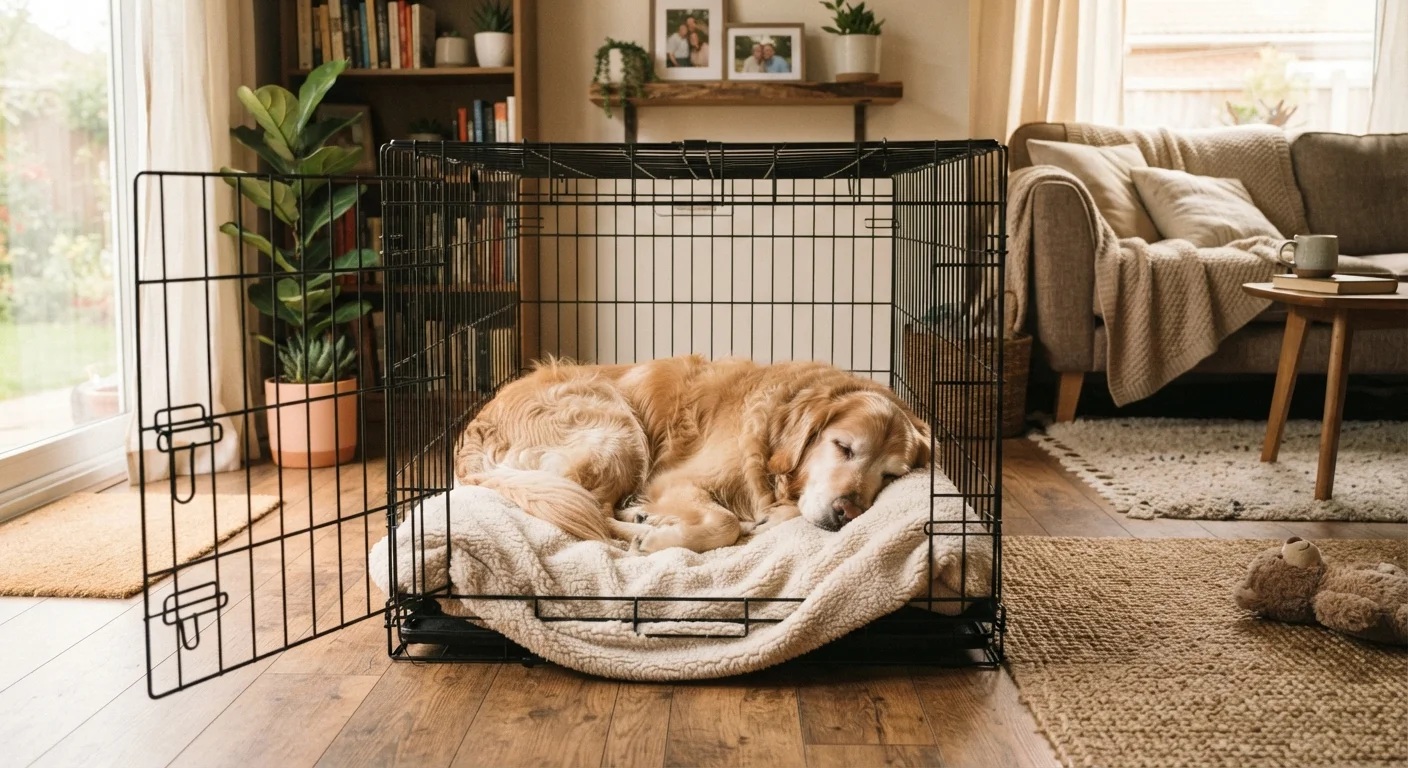
Designate a quiet area as your dog's home base. A crate with a soft blanket or a dog bed in a low-traffic corner gives your new pet a predictable retreat. If you're considering crate training, read about the genuine trade-offs before you commit to an approach. Use baby gates to limit your dog's initial access to the whole house - a smaller territory is easier to supervise and less overwhelming for a nervous animal.
Dog-proofing
The process of making your home safe for a dog by removing or securing hazards such as toxic plants, loose cords, and accessible chemicals before the dog arrives.
Decompression period
The adjustment window - often several weeks - that a newly homed dog needs to feel safe enough to show its true behavior and personality.
Reward-based training
A training method that reinforces desired behaviors with something the dog values (treats, praise, or play) rather than using punishment or corrections.
Wellness exam
A routine veterinary checkup that establishes a health baseline for your dog, checks for parasites, and confirms that vaccinations are up to date.
Loose-leash walking
Walking in which the leash remains slack because the dog stays close enough to the owner voluntarily, without pulling or lunging.
Stock up on essentials: a properly fitted collar with current ID tags, a 4-6 foot leash, stainless-steel or ceramic food and water bowls, and an age-appropriate diet recommended by your vet or the shelter. Ask the rescue or breeder what food the dog has been eating and, if you plan to switch, do it gradually over 7-10 days to avoid digestive upset.
The First 24 Hours: What to Expect
The drive home is your dog's first experience of you, so keep the car calm and quiet. A crate or a harness tethered to a seatbelt keeps both dog and passengers safe. When you arrive, take your dog directly to the yard or a designated potty spot before entering the house - this starts a habit immediately.
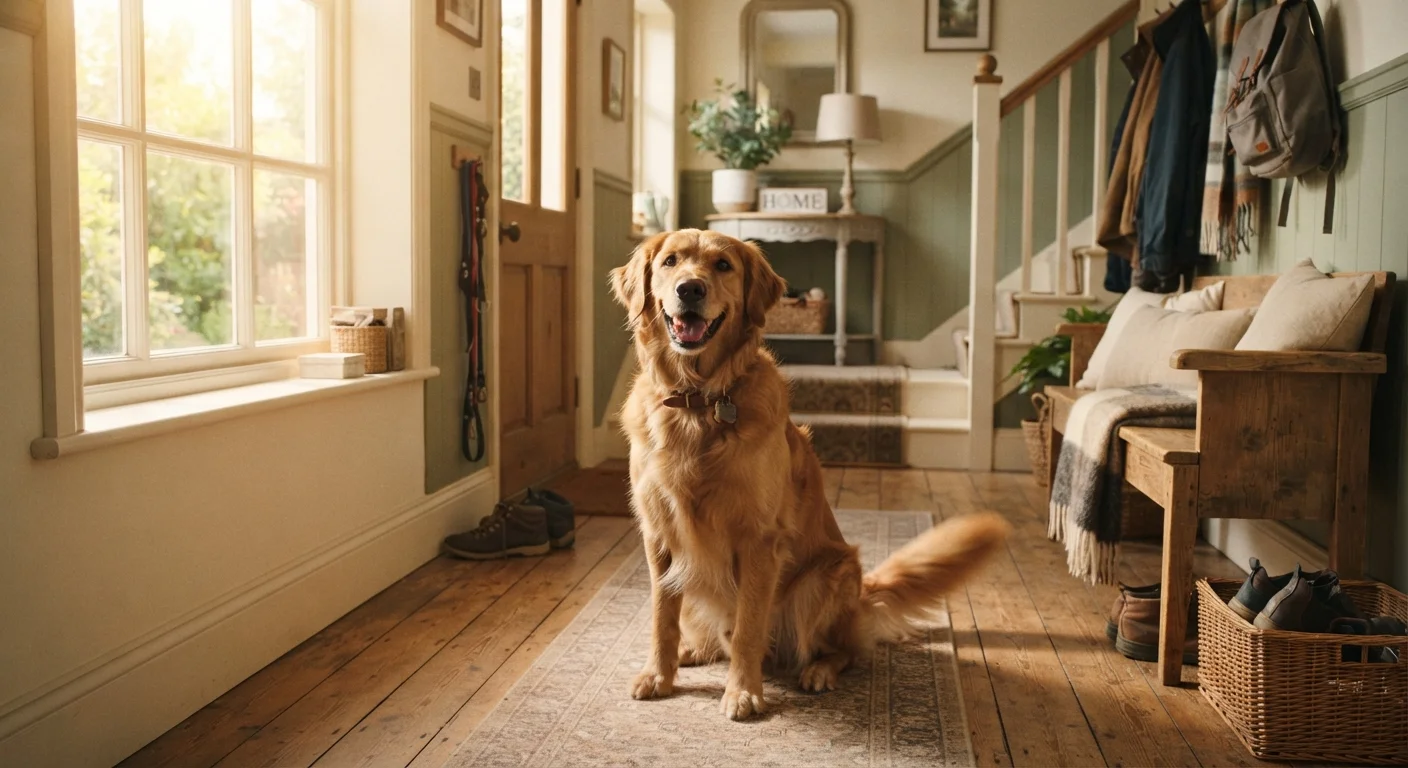
Inside, let your dog explore at its own pace. Resist the urge to invite friends over or overwhelm your pet with attention. Some dogs will immediately wag and investigate; others hide, refuse food, or appear shut down. Both responses are normal. Newly homed dogs often need days or even weeks before their true personality emerges.
Give Your Dog Space to Decompress
Avoid flooding your new dog with visitors or overwhelming stimulation in the first few days. A quieter settling-in period builds trust more effectively than an exciting but stressful welcome. Let your dog approach people on its own terms rather than forcing interactions.
Watch for early body-language signals. A tucked tail, whale eye (whites of the eyes visible), or lip-licking can indicate stress. Learning to read these cues helps you respond before anxiety escalates. Our guide on what your dog's body language is actually telling you explains these signals in detail.
Building a Routine That Sticks
Dogs are highly routine-dependent animals. Consistent feeding times (typically twice daily for adult dogs), predictable walk schedules, and a regular bedtime reduce anxiety and prevent many common behavior problems. A morning walk, midday potty break if possible, evening walk, and final outing before bed is a framework that works for most households.
Feeding: measure portions according to the food label's guidelines and your vet's recommendation rather than free-feeding, which makes housetraining harder and can contribute to weight gain. Fresh water should always be available.
Exercise needs vary significantly by breed, age, and individual temperament. A young Border Collie needs far more physical and mental stimulation than a senior Basset Hound. If you're unsure what's appropriate, your vet is the best starting point.
Housetraining Takes Time and Consistency
Most adult dogs adopted from shelters are not fully housetrained, even if paperwork suggests otherwise. Treat every dog as if it needs housetraining from scratch: take it outside frequently, reward elimination in the right spot immediately, and supervise closely indoors. Accidents are a normal part of the process - clean them thoroughly to remove odor and avoid scolding, which can increase anxiety and slow progress.
Vet Care and Health Essentials
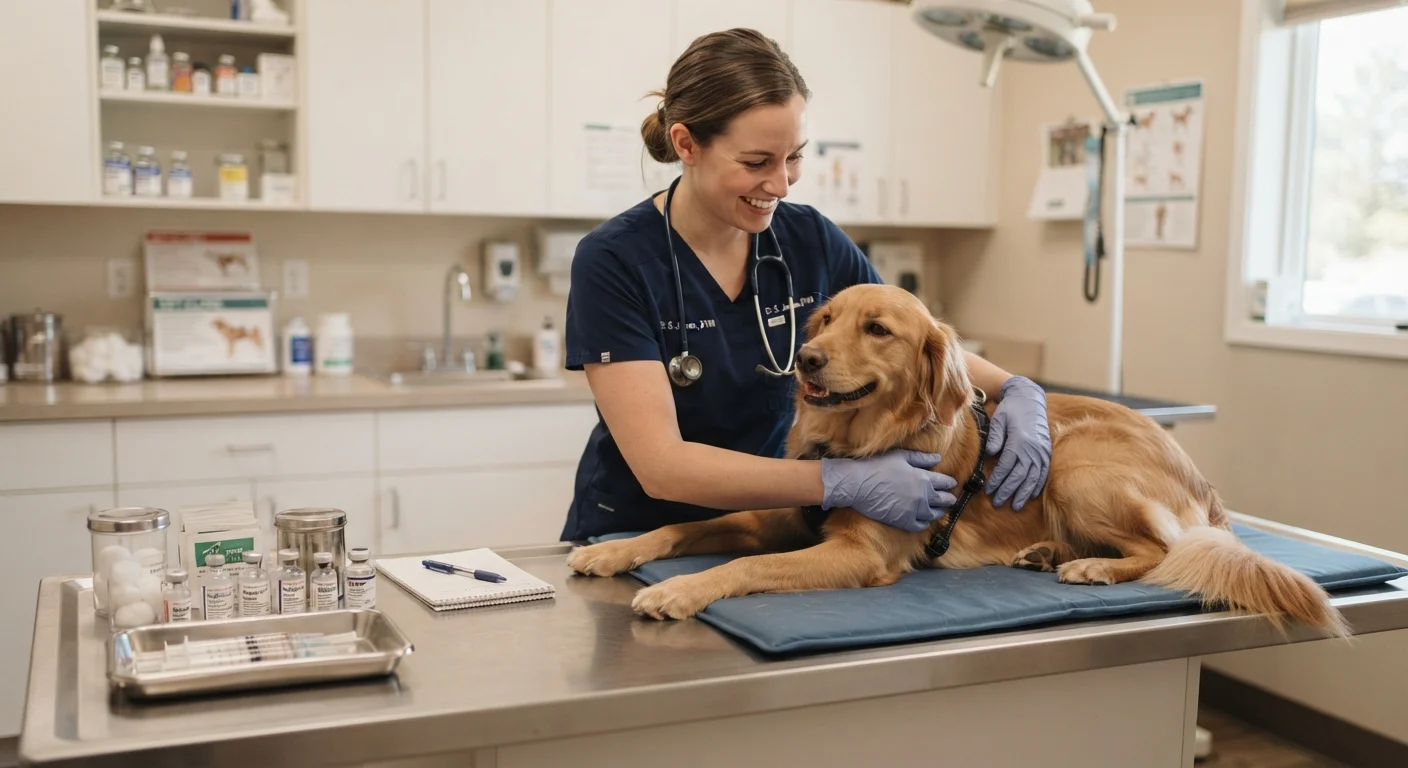
Schedule a wellness exam within the first week. Bring any vaccination records or paperwork provided by the shelter or breeder. Your vet will assess your dog's overall health, confirm or begin a vaccination schedule, screen for parasites, and discuss spaying or neutering if not already done. For a clear breakdown of what vaccinations dogs typically need and when, see our dog vaccination schedules guide.
Establish a monthly parasite-prevention routine covering fleas, ticks, and heartworm - your vet will recommend appropriate products based on your region and dog's health profile. Keep a simple health log noting your dog's weight, any medications, and notable behavioral changes. This record becomes invaluable over time, especially when something seems off. Learning to recognize signs of pain that dogs often hide is an important skill every owner should develop early.
This article provides general pet-care information and education. It is not a substitute for professional veterinary advice. Always consult a licensed veterinarian for guidance specific to your dog's health and medical needs.
Training Foundations Every New Owner Needs
Start training from the moment your dog walks through the door - not because you need a perfectly behaved dog immediately, but because every interaction teaches your dog something. Reward-based training, where desired behaviors are marked and reinforced with treats, praise, or play, is the approach consistently supported by veterinary behaviorists and certified trainers.
The five behaviors worth establishing first are: sit, stay, come (recall), leave it, and loose-leash walking. Mastering these gives you reliable tools for safety and communication. For practical guidance on one of the trickiest skills, see our guide to teaching calm leash walking.
Keep training sessions short - 5 to 10 minutes - and end before your dog loses interest. Frustration or fatigue in either party undermines progress. If your dog displays aggression, extreme fear, or behaviors that feel unmanageable, consult a certified professional trainer or veterinary behaviorist rather than attempting to address these alone. As your household stabilizes, you might eventually consider what's involved in adopting a second dog - but give your first dog time to settle in fully before making that decision.