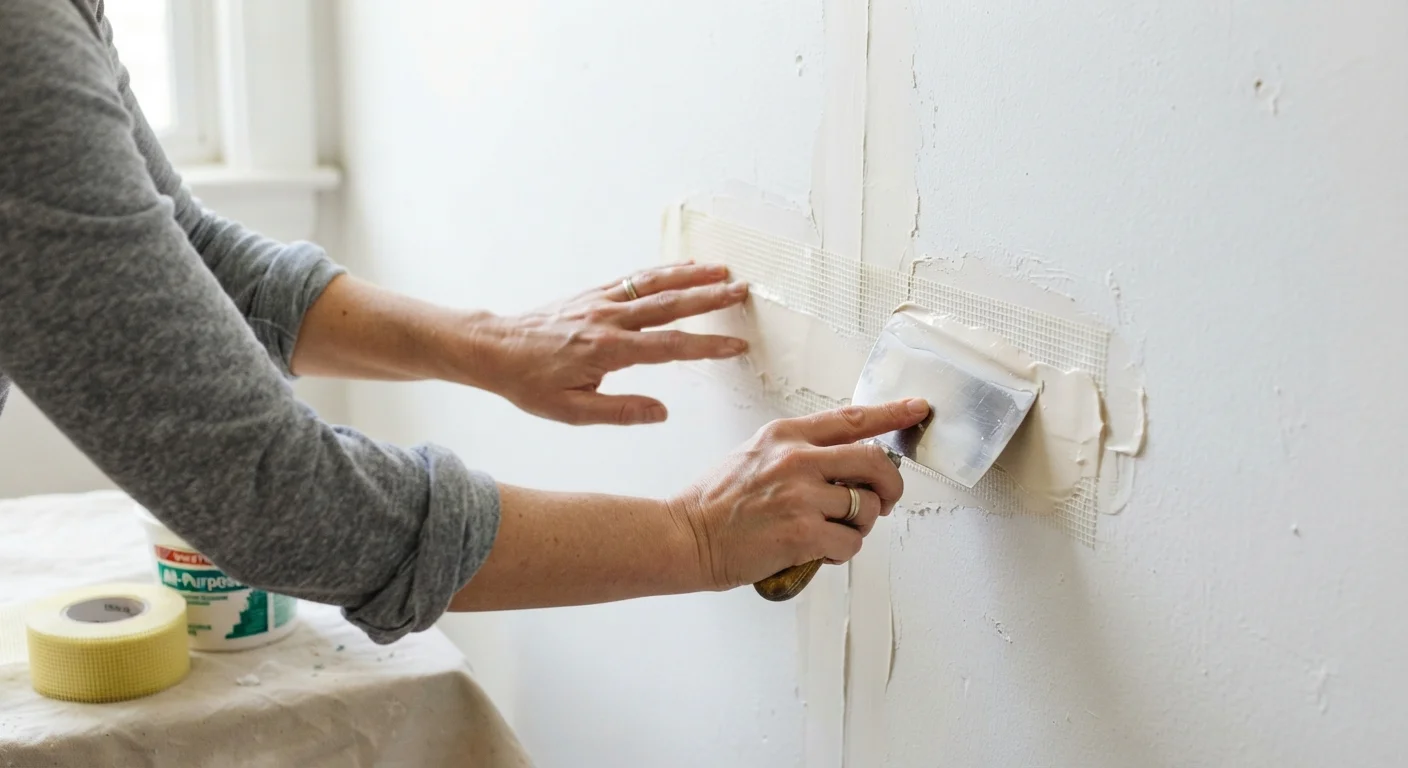
Why the Match Between Material and Gap Type Matters
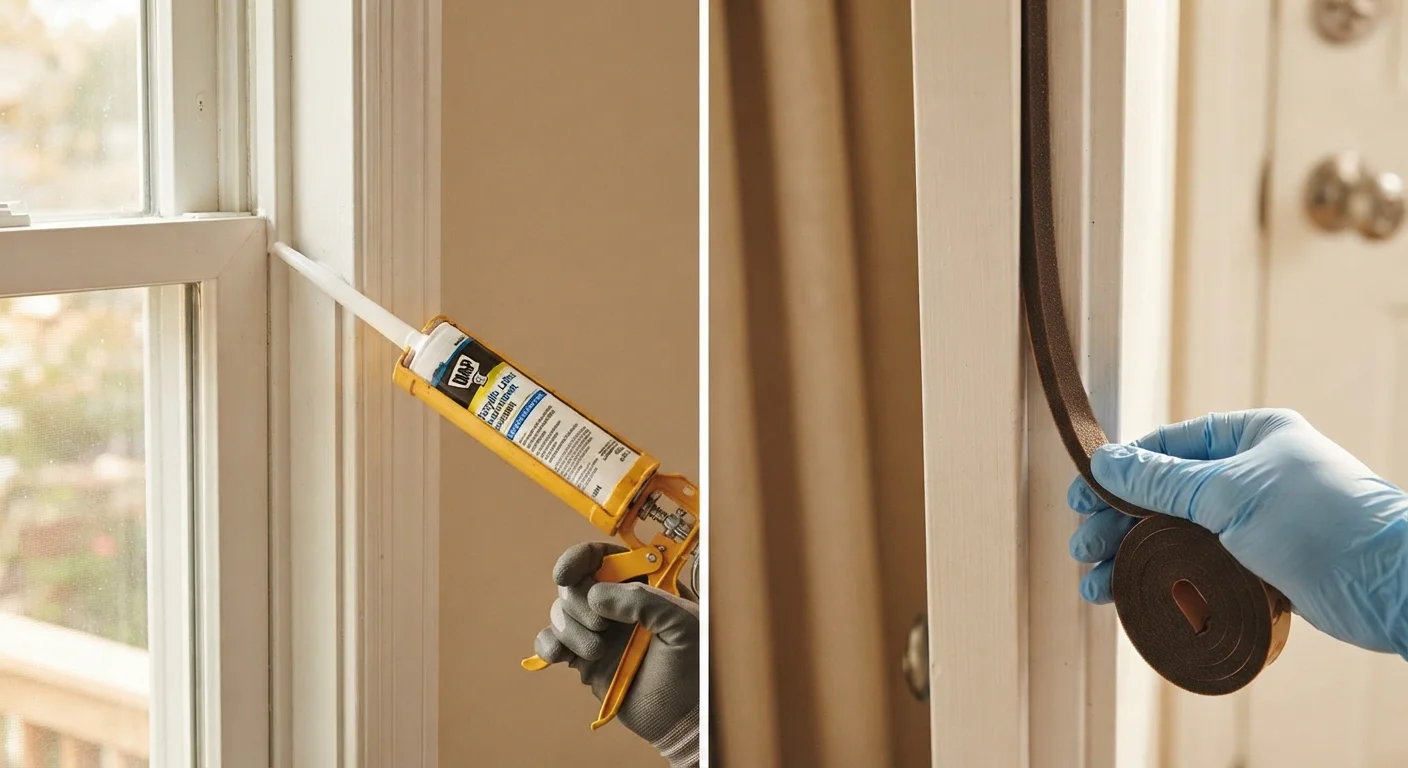
Reaching for the nearest tube of sealant may feel efficient, but using caulk where weatherstripping is needed - or the reverse - typically means redoing the job within a season. The core rule is straightforward: caulk is for gaps that stay still; weatherstripping is for gaps that move.
A rigid caulk seal along a door edge will crack and pull away after a few dozen open-and-close cycles. Foam tape pressed into the corner where a window casing meets an exterior wall won't bond reliably to painted wood or masonry and tends to peel away as temperatures swing. Matching the material to the gap's behavior is what separates a repair that lasts from one that just delays the problem.
25-30%
Home energy lost through air leaks
The U.S. Department of Energy estimates that air leaks account for roughly 25-30% of a typical home's heating and cooling energy use.
5-10 yrs
Typical caulk service life
Quality silicone or latex caulk generally lasts five to ten years before it shrinks, cracks, or separates from the surrounding surface.
2-5 yrs
Typical weatherstripping service life
Foam and vinyl weatherstripping compresses over time with repeated door or window use, usually requiring replacement within two to five years.
Where Caulk Belongs
Caulk fills stationary gaps - places where two surfaces meet and stay put. Common locations in a typical US home include:
- Around window frames where the casing meets exterior siding or an interior wall
- Along the base of exterior door casings where they contact the wall or threshold
- Where baseboards meet the floor or wall surface
- Around pipes, electrical conduit, and vent penetrations through walls or floors
- Along the sill plate at the top of a basement or crawl space foundation wall
Before applying, clean and dry the surface thoroughly and remove any old, crumbling caulk with a putty knife or caulk removal tool. Apply a continuous bead and smooth it with a damp finger or caulk finishing tool before it begins to skin over. Running painter's tape along both sides of the gap first produces a cleaner, more professional edge.
Silicone vs. Latex Caulk: Quick Guidance
Silicone caulk bonds well to non-porous surfaces such as glass and metal and resists moisture effectively, making it a strong choice for exterior gaps or wet areas. Latex (acrylic) caulk is easier to smooth, cleans up with water, and can be painted over once cured - a practical pick for interior trim and baseboards. Always read the product label to confirm the formula is rated for your specific surface type and exposure conditions.
Where Weatherstripping Belongs
Weatherstripping handles the gaps along surfaces that compress and release with every use. The material must be resilient enough to seal completely when a door or window is closed, yet spring back to its original shape when opened.
Key locations include:
- The top and side stops of exterior door frames
- The bottom of exterior doors - addressed with a door sweep or door shoe attached to the door's face or bottom edge
- The sash channels of operable windows, including single- and double-hung, casement, and sliding styles
Common materials include foam tape (simplest to install, shortest lifespan), V-strip or tension seal (more durable, well-suited to sliding channels), and door sweeps (designed specifically for the gap beneath a door). Measure the full perimeter of the opening before cutting strips, and press firmly along the entire length during installation to ensure adhesion holds.
Side-by-Side Comparison
The table below summarizes the practical differences between both options to help you plan before starting the project.
| Criterion | Caulk | Weatherstripping |
|---|---|---|
| Ideal gap type | Stationary cracks and seams | Moving edges - doors, operable windows |
| Flexibility after application | Rigid or semi-flexible when cured | Compressible with spring-back recovery |
| Typical service life | 5-10 years (varies by type) | 2-5 years (varies by material) |
| Application method | Caulk gun or squeeze tube | Peel-and-stick, nail-on, or door sweep |
| Tools needed | Caulk gun, painter's tape, damp cloth | Scissors or utility knife, measuring tape |
| DIY skill level | Beginner | Beginner |
Many exterior doors and windows actually call for both materials used together - caulk around the fixed exterior casing where it meets the siding, and weatherstripping along the door or sash edges. Treating them as complementary tools rather than interchangeable alternatives gives you the most complete air seal.
When to Inspect and When to Replace
Even well-applied sealants degrade over time. Plan to check both caulk and weatherstripping at least once a year - early fall, before heating season, is a practical time. Look for these signs:
- Caulk: visible cracks, sections separating from the surface, discoloration, or a spongy, crumbled texture
- Weatherstripping: flattened or missing sections, tears, or visible daylight around a fully closed door
Replacing deteriorated material before winter is a straightforward task. If a gap measures wider than roughly half an inch, press a foam backer rod - a cylindrical foam rope available at hardware stores - into the opening first, then apply caulk over it. This gives the caulk a stable backing and reduces the amount of material needed, which improves both adhesion and long-term durability.