Why Outdated Advice Still Circulates
Car ownership advice has a long memory. Rules that made sense for carbureted engines, older tire compounds, and conventional motor oils from decades past get passed down as gospel - even when the technology they were designed for no longer exists in most vehicles on the road. The result is that many drivers spend money, time, and effort on habits that their cars simply don't need.
Separating fact from folklore isn't about dismissing caution - it's about directing that caution where it actually matters. Your owner's manual and scheduled maintenance plan remain the most reliable sources for your specific vehicle, but knowing which widely-shared myths to set aside is a strong start.
Myth
You need to change your oil every 3,000 miles, no exceptions.
Fact
Most modern vehicles with conventional oil can go 5,000-7,500 miles between changes; many synthetic-oil cars can go 10,000 miles or more.
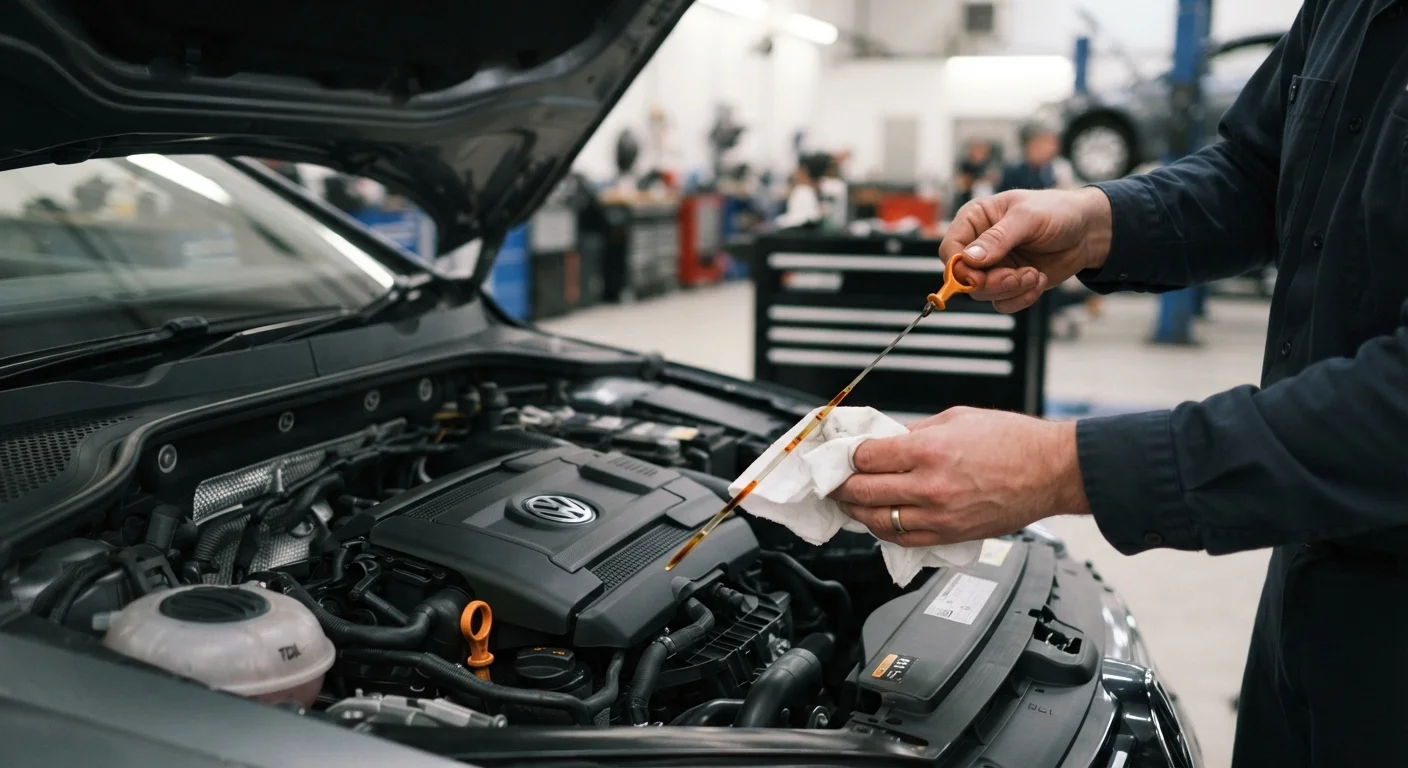
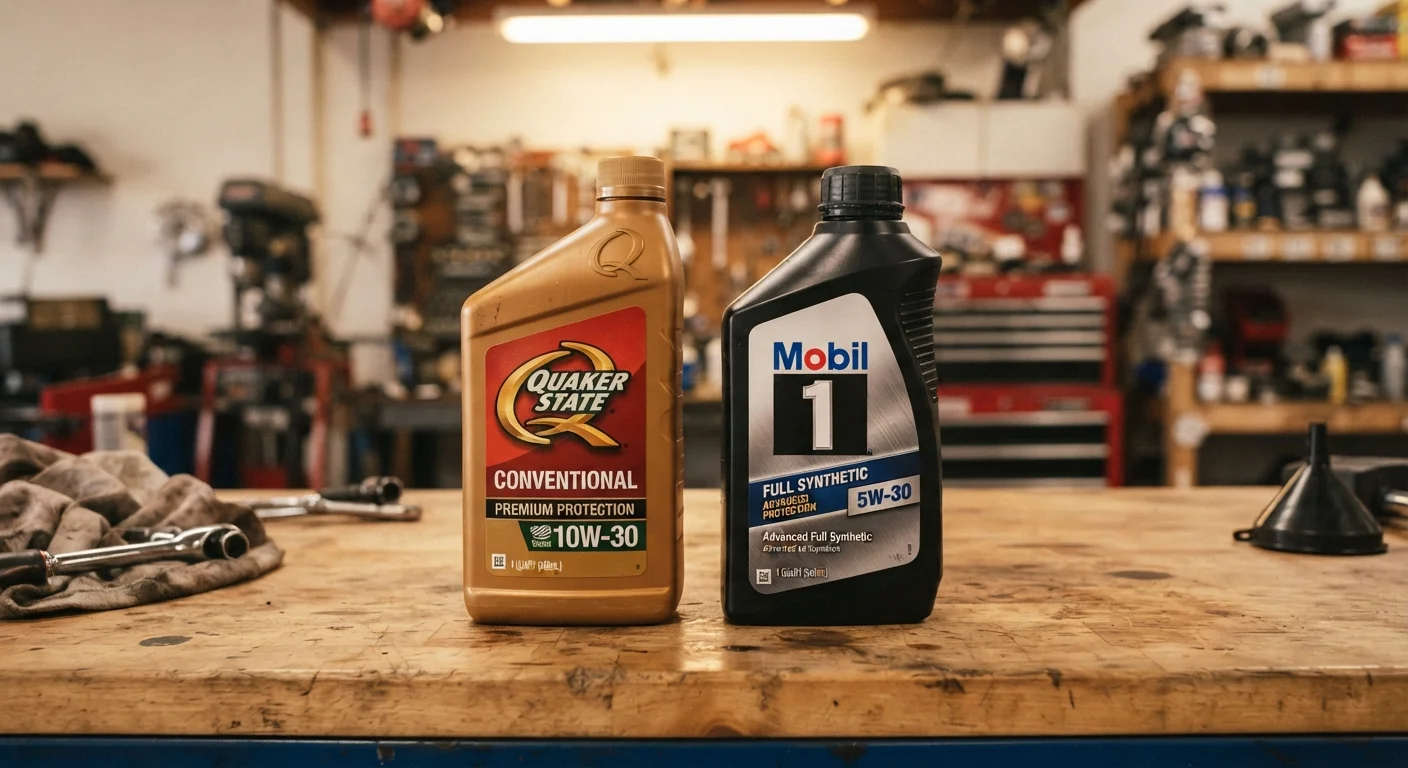
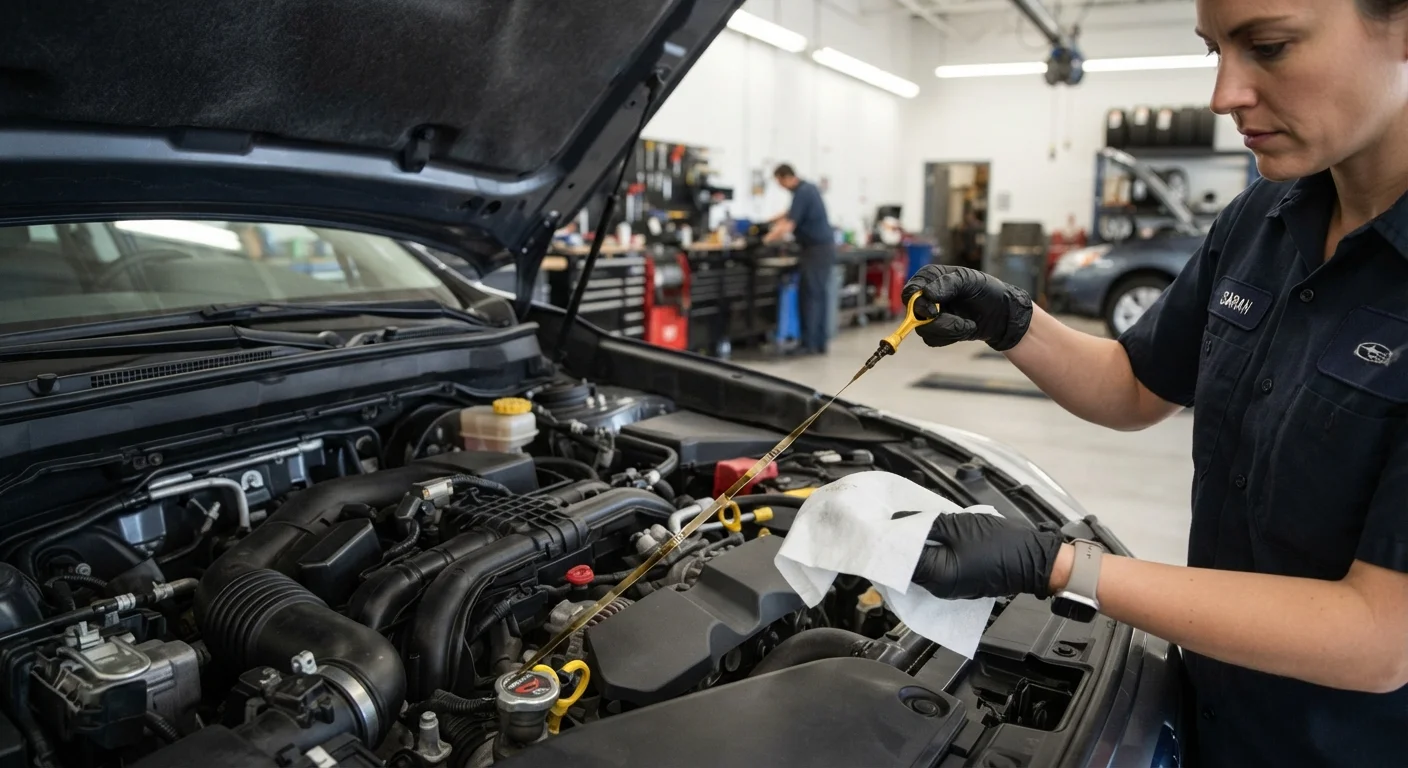
The 3,000-mile rule originated decades ago when engine tolerances were looser and motor oil formulations were far less advanced. Today's full-synthetic and synthetic-blend oils are engineered to maintain viscosity and protective properties well beyond that threshold. Your owner's manual - not a sticker in your windshield corner - is the authoritative source for your car's actual interval. Over-changing oil wastes money and generates unnecessary used-oil waste.
Myth
You should let your car idle for several minutes to warm up the engine in cold weather.
Fact
Fuel-injected engines - standard on virtually all cars built since the late 1980s - warm up faster and more efficiently under gentle driving than by idling.
Carbureted engines of the past needed time to stabilize fuel delivery in cold temperatures. Modern fuel-injection systems adjust automatically and reach operating temperature more quickly when the engine is under light load. Extended idling in cold weather actually causes gasoline to dilute the oil film on cylinder walls, increasing wear. A 30-second idle before driving gently is sufficient for most modern vehicles. Prolonged idling also wastes fuel and contributes to emissions.
Myth
Premium fuel makes any car run better and last longer.
Fact
Premium fuel only benefits engines specifically engineered to require or recommend it; using it in a standard engine produces no measurable advantage.
Higher-octane fuel resists premature detonation (knock) under high compression - a property that matters for turbocharged and high-performance engines designed around it. In a regular engine, the combustion timing and compression ratio don't create the conditions where premium fuel performs differently. Paying extra at the pump for a standard engine delivers no additional power, efficiency, or engine longevity. Check your fuel cap or owner's manual: if it says "regular unleaded," that's what your engine is calibrated for.
Myth
The number on the tire sidewall tells you the correct inflation pressure for your car.
Fact
The sidewall number is the maximum pressure the tire can handle, not the recommended pressure for your specific vehicle.
Tire manufacturers print the maximum cold inflation pressure on the sidewall as a structural limit. Your vehicle's recommended tire pressure - which accounts for load distribution, ride quality, and handling balance - is printed on a sticker inside the driver's door jamb and in the owner's manual. Inflating to the sidewall maximum can result in a harsher ride, uneven tread wear in the center of the tire, and reduced wet-weather grip. Always inflate to the vehicle manufacturer's specification, checked when tires are cold.
Myth
You have to go to the dealership for routine maintenance or your warranty becomes void.
Fact
Under the Magnuson-Moss Warranty Act, manufacturers generally cannot void a warranty solely because you used an independent shop for routine maintenance.
Many drivers believe that independent repair shops will invalidate their factory warranty, but U.S. federal law provides meaningful protections here. The Magnuson-Moss Warranty Act generally prevents manufacturers from voiding a warranty simply because maintenance was performed by a non-dealer shop, provided the work meets the required specifications and is properly documented. Keep your service receipts and use fluids and parts that meet manufacturer specifications. Consult the warranty documentation or a qualified legal source if you have specific questions about your coverage.
What the Data and Your Owner's Manual Actually Say
Automakers engineer vehicles to precise tolerances and publish maintenance intervals based on extensive testing. When manufacturers specify 7,500- or 10,000-mile oil change intervals - or longer with full synthetic oil - those numbers are derived from engineering data, not marketing. Ignoring them in favor of a catchier number wastes money without adding protection.
5,000-10,000 mi
Typical modern oil change interval
Many automakers now specify oil change intervals of 5,000 to 10,000 miles or more for vehicles using full-synthetic oil, compared to the historically common 3,000-mile recommendation.
~30 sec
Recommended idle time before driving in cold weather
Automotive engineers generally recommend no more than 30 seconds of idling before gentle driving in cold conditions for modern fuel-injected engines.
The same principle applies across the board. Tire wear, battery life, and fluid degradation all follow patterns that engineers have studied carefully. For a deeper look at building habits that genuinely extend a vehicle's life, see our guide on keeping a car running well for the long haul. And if you're curious how oil type factors into this, conventional vs. synthetic oil breaks down what the difference actually means for your engine.
Don't Skip Maintenance - Just Do the Right Kind
Debunking myths is not a reason to skip maintenance altogether. Delaying genuinely necessary service - such as brake inspections, coolant flushes, or timing belt replacements - can lead to costly failures and safety risks. Use your owner's manual intervals as the baseline, and have a qualified mechanic inspect the vehicle if you notice any changes in performance, unusual sounds, or warning lights.