Why an Emergency Fund Matters Even on a Tight Budget
An emergency fund is a dedicated cash reserve set aside exclusively for genuine financial emergencies-unexpected job loss, a medical bill, or a car repair that can't wait. Without one, even a minor disruption typically gets absorbed by a credit card, which converts a one-time problem into ongoing, interest-accruing debt.
The irony is that people with the least financial cushion often face the most financial volatility: variable hours, older vehicles, aging appliances. That's precisely why starting-however small-matters more than waiting until the budget feels comfortable. The broader goal of building savings becomes far more achievable once you have a reliable baseline that stops small setbacks from becoming debt spirals.
This Is General Information, Not Personalised Advice
The guidance here is educational and intended for general audiences. Every financial situation is different. For advice tailored to your specific income, debts, and goals, consult a qualified financial professional.
What You'll Need Before You Start
What you will need
High-Yield Savings Account
Keeps emergency funds liquid and separate from checking while earning more interest than a standard savings account.
Direct Deposit Split Feature
Routes a fixed dollar amount from each paycheck directly into savings before it reaches your checking account.
Spending Tracker App or Spreadsheet
Identifies discretionary categories where small cuts can free up money for emergency fund contributions.
How to Build Your Emergency Fund Step by Step
Set a Realistic First Target
Forget the standard advice of saving three to six months of expenses right away-that number feels paralyzing when money is tight. Instead, commit to $500 as your first milestone. Research consistently shows that even a modest cash cushion significantly reduces the likelihood of turning to high-interest debt during a financial disruption.
Once you hit $500, raise the target to $1,000, then work toward one full month of essential expenses. Progress compounds motivation.
Find the Money in Your Existing Budget
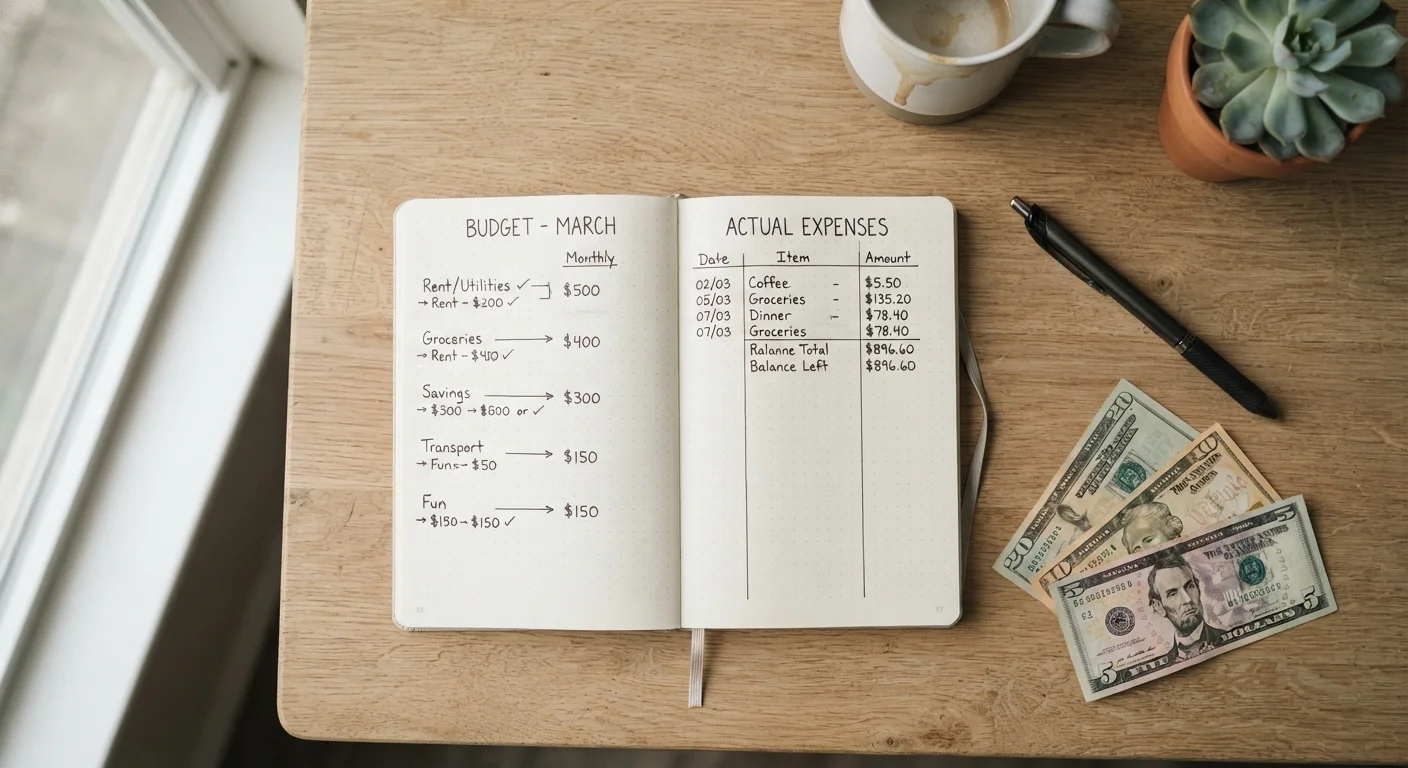
You don't need a large raise to start. Review your last 30 days of spending and identify two or three categories where you can redirect even a small amount. Common candidates include streaming subscriptions you rarely use, frequent convenience purchases, or dining out. A shift of $10-$25 per week adds up to $520-$1,300 over a year.
If you're new to tracking where money goes, our beginner's money management guide covers cash flow basics in plain terms.
Open a Dedicated Savings Account
Keep your emergency fund in a separate account from your everyday checking. This creates psychological distance and a small practical barrier that discourages impulse withdrawals. A high-yield savings account is a practical choice: funds remain accessible within one to three business days, and the account earns more than a standard savings account.
Look for accounts with no monthly maintenance fees and no minimum balance requirement-many online banks offer both.
Automate Your Contributions
Manual transfers depend on willpower, which is unreliable under financial stress. Instead, set up an automatic recurring transfer timed to arrive one to two days after each payday. Even $20 per pay period works. Alternatively, many employers allow you to split direct deposit between accounts-sending a fixed dollar amount straight to savings before it touches checking.
Automation is the single highest-leverage habit in personal savings. Building it early is one of the financial habits most worth establishing for long-term stability.
Accelerate With Windfalls
Regular contributions build the fund steadily, but occasional windfalls can jump-start it. Tax refunds, work bonuses, birthday money, or income from selling unused items are all opportunities to make lump-sum contributions. Committing even half of any windfall to the emergency fund-before lifestyle spending absorbs it-can compress your timeline significantly.
If you carry high-interest debt alongside a thin savings cushion, the decision between saving and paying down debt gets more complex. Our article on balancing an emergency fund with existing debt walks through how to approach both goals without derailing either.
Name Your Account Something Motivating
Many online banks let you label savings accounts with a custom name. Calling it 'Peace of Mind Fund' or 'Safety Net' reinforces its purpose and makes it psychologically harder to tap for impulse spending. Small friction like this genuinely works.
Don't Raid the Fund for Non-Emergencies
Establishing a clear personal definition of 'emergency'-job loss, medical expense, urgent car repair-helps protect the fund. Discretionary purchases, vacations, and predictable annual bills are not emergencies. For planned costs like insurance renewals or holiday gifts, consider a separate sinking fund approach instead.
Keeping the Fund Intact Once It's Built
Building the fund is only half the challenge-protecting it from non-emergency withdrawals is the other. Clarify in advance what qualifies: genuine emergencies are unplanned, necessary, and urgent. A sale on electronics is not an emergency. A broken furnace in January is.
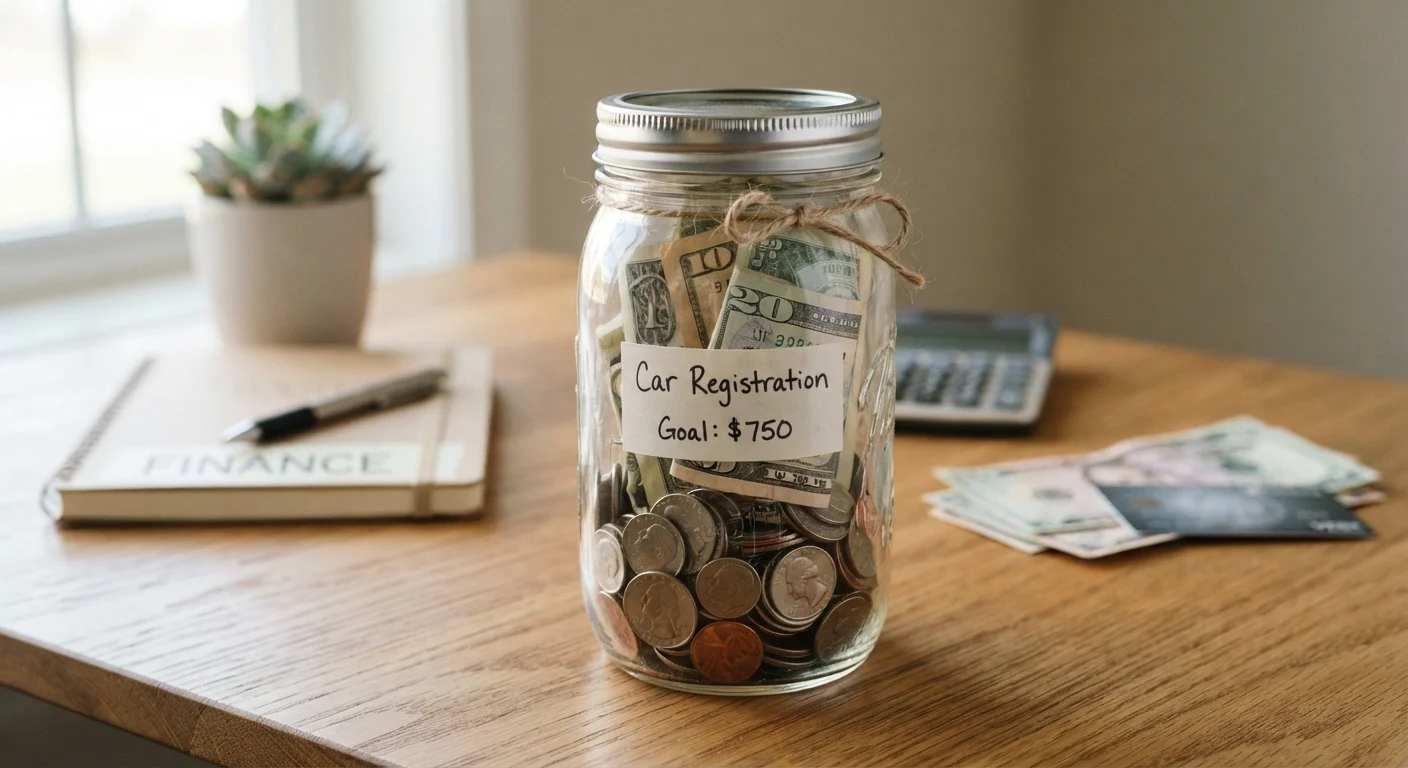
For predictable but irregular costs-annual insurance premiums, car registration, holiday spending-a separate sinking fund handles those more efficiently and keeps your emergency fund intact for true surprises.
If you do draw from the fund, treat replenishment as a temporary priority. Resume your automatic transfer at the same rate, and if possible, add a small extra amount each month until the balance is restored.
This article is for general informational and educational purposes only and does not constitute personalised financial advice. Consult a qualified financial professional for guidance specific to your situation.