The Gap Between What You Plan and What You Spend
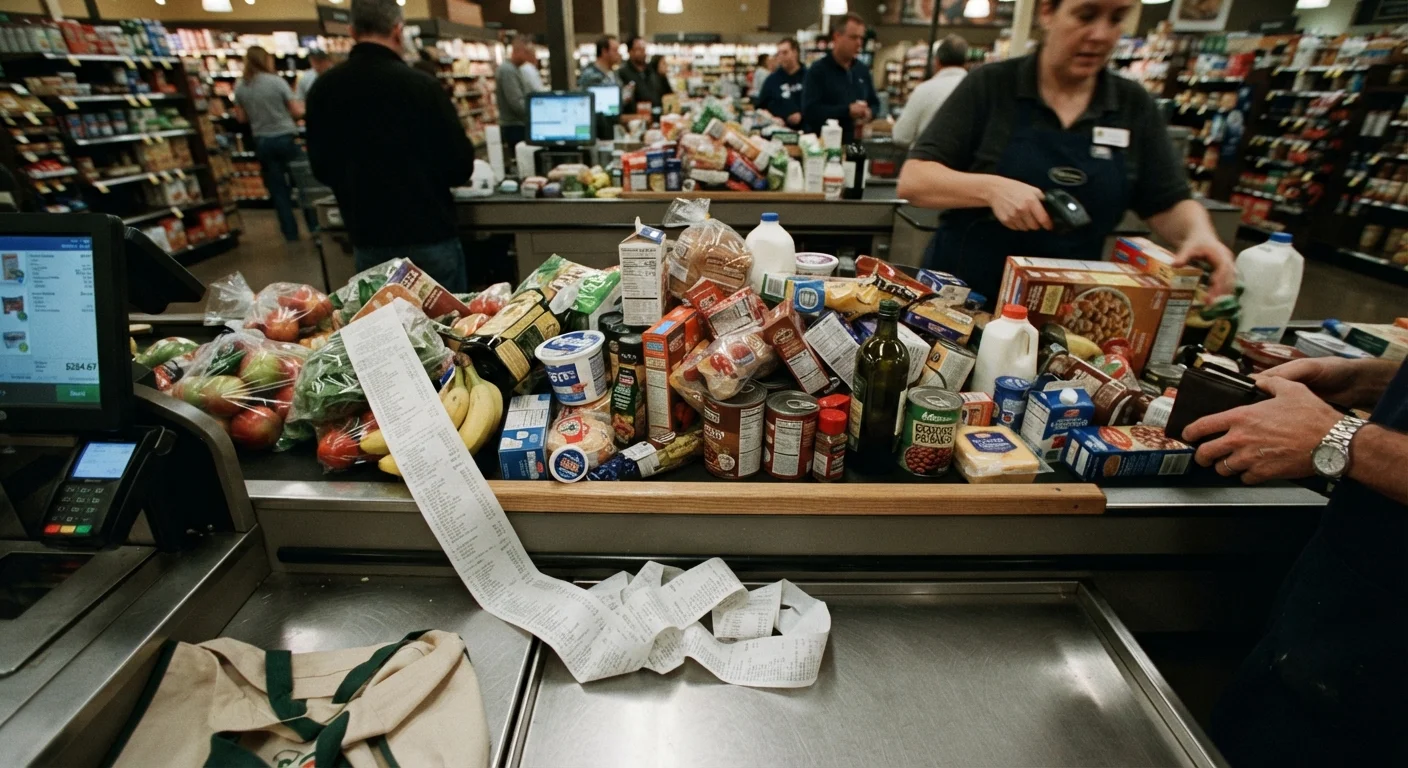
Most people who go over their grocery budget aren't reckless spenders. They have a rough number in mind, they shop regularly, and they try to be thoughtful. Yet month after month, the total at the register is higher than expected. This isn't a willpower problem - it's a systems problem.
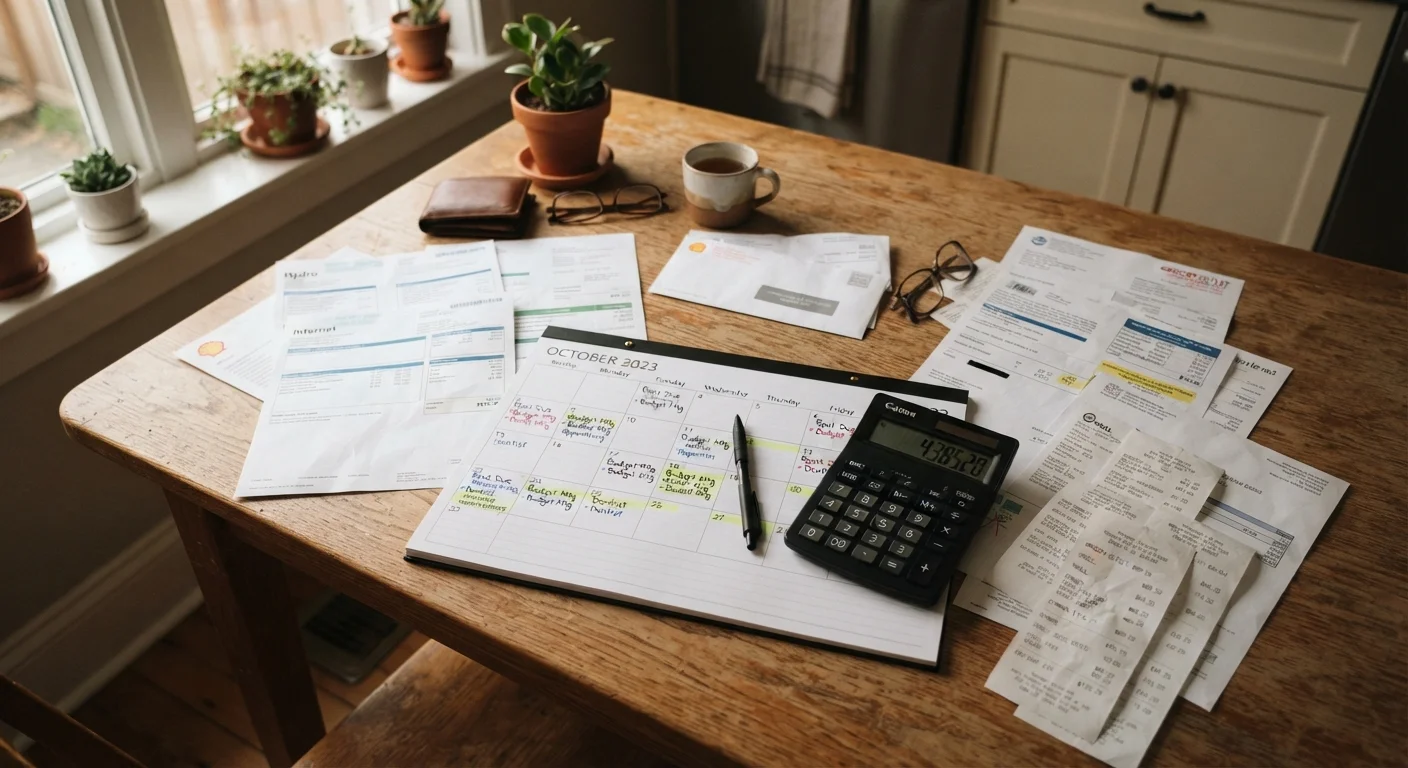
Grocery budgeting fails in predictable, fixable ways. Understanding the specific mechanisms that drive overspending is more useful than a general reminder to "spend less." The mistakes below reflect structural gaps that trip up even financially disciplined households. For a broader look at how irregular and overlooked costs undermine monthly budgets, see this guide to irregular expenses.
Shopping without a specific list - or writing a list but ignoring it at the store.
Why it happens: A mental list feels sufficient, and in-store displays make unplanned items feel relevant or necessary in the moment.
Setting a grocery budget without tracking actual spending against it.
Why it happens: People assume they'll notice if they're over, but card transactions blur across categories and weeks without explicit review.
Shopping hungry or without a time boundary, which inflates the cart.
Why it happens: Hunger sharpens attention to food items and dulls cost sensitivity. Open-ended shopping trips invite browsing rather than buying.
Vague meal planning that leaves "what's for dinner" unresolved mid-week.
Why it happens: Partial plans feel like enough preparation, but unresolved meals lead to mid-week top-up trips - the most expensive kind of grocery shopping.
Underestimating the cost of habitual small additions - beverages, snacks, and convenience items.
Why it happens: Individual items feel low-cost, so they're mentally categorized as negligible even when they recur every single trip.
Buying in bulk without accounting for storage space, shelf life, or actual usage rate.
Why it happens: Per-unit savings are highly visible; waste and spoilage costs are invisible until after the fact.
How Awareness Closes the Gap
Fixing grocery overspending doesn't require elaborate systems. It requires visibility. Most households don't know their actual average weekly grocery spend - they know their intended budget. Those two numbers are often meaningfully different.
~$475
Average monthly U.S. household grocery spend
According to the U.S. Bureau of Labor Statistics Consumer Expenditure Survey, the average American household spends roughly $475-$500 per month on groceries, though this varies significantly by household size and region.
30%+
Share of grocery purchases that are unplanned
Research from the Food Marketing Institute has found that a substantial portion of grocery purchases - often cited above 30% - were not on the shopper's original list.
Start by pulling three months of bank or credit card statements and calculating a real average. That baseline is your starting point, not a number you assumed. From there, even a simple written list reviewed before shopping - not during - can interrupt the in-store decision patterns that cost the most.
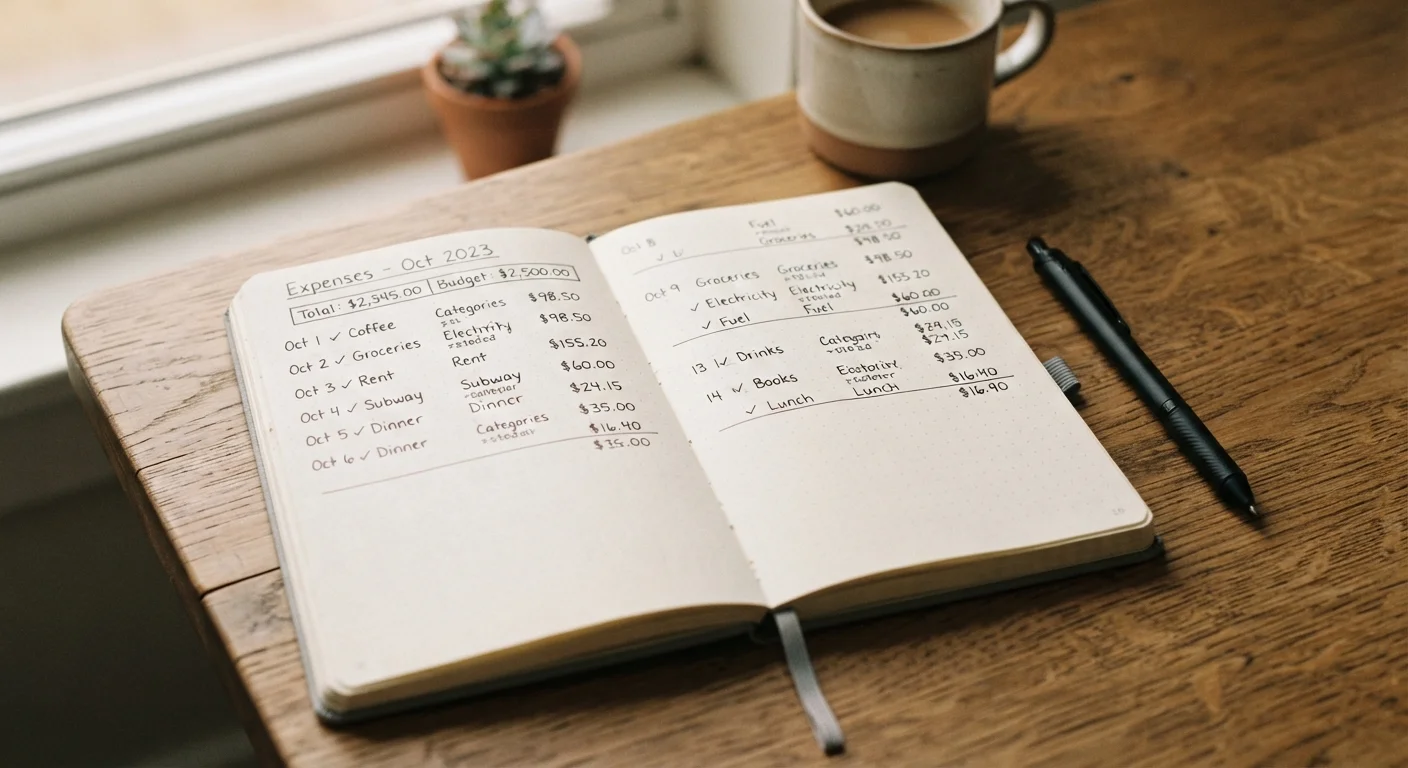
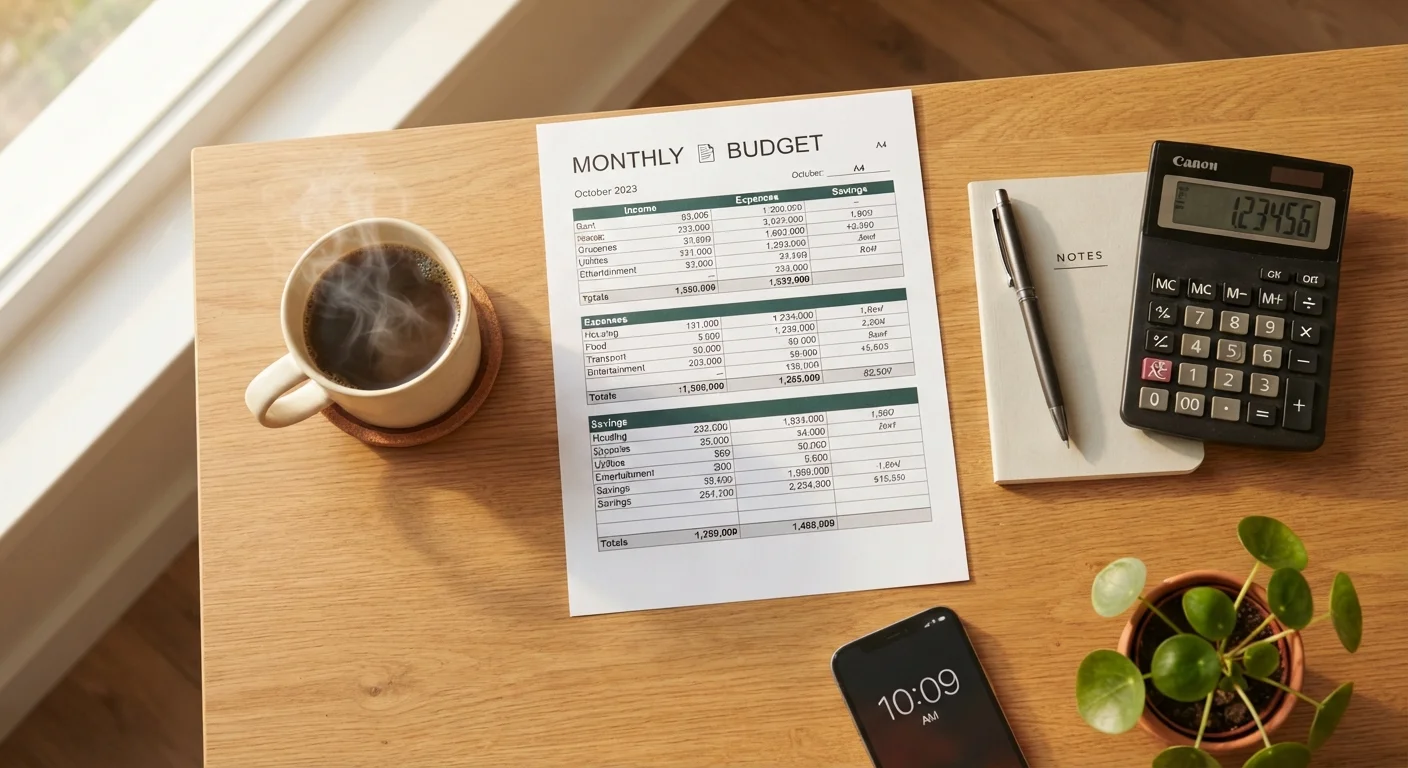
Tracking every purchase, including groceries, has been shown to shift financial behavior meaningfully. You don't need an app with a subscription fee; a notes file or a small notebook works. The act of recording creates accountability that intention alone rarely does. Once you have a clear picture of where the money is actually going, use a monthly budget audit checklist to make sure your grocery target still reflects your real household needs.
This article is for general informational purposes only and does not constitute personalized financial advice. For guidance tailored to your specific situation, consider consulting a qualified financial professional.