Why Movement Patterns Matter More Than Exercise Names
Walk into almost any gym or open a well-constructed strength program, and you'll find the same recurring themes beneath different exercise names. A barbell back squat, a goblet squat, and a split squat are three distinct exercises - yet they all train the same fundamental movement pattern. Recognizing these patterns, rather than memorizing endless exercise lists, gives you a transferable framework for understanding why programs are built the way they are.
Exercise scientists and strength coaches generally organize human movement into five foundational categories: push, pull, hinge, squat, and carry. Together, these patterns engage every major muscle group, mirror the physical demands of daily life, and provide a logical basis for balanced programming. If you're new to lifting, understanding these categories can help you avoid the common mistake of overtraining one pattern while neglecting another.
The Push Pattern
Pushing movements involve extending the arms away from the body - horizontally (as in a push-up or bench press) or vertically (as in an overhead press). They primarily train the chest, shoulders, and triceps, and also require meaningful contribution from the upper back and core to maintain stable positioning.
Horizontal and vertical push variations train the shoulder joint through different ranges of motion, which is why well-designed programs often include both. Neglecting the vertical plane - overhead pressing - can leave gaps in shoulder strength and mobility that affect overhead reach in everyday life. For a detailed look at how equipment choice affects these movements, comparing free weights and machines is a useful starting point.
Horizontal and vertical push variations train the shoulder joint through different ranges of motion - both deserve a place in your program.
The Pull Pattern
Pull movements draw resistance toward the body - again, either horizontally (rows) or vertically (pull-ups, lat pulldowns). They primarily work the upper back, rear shoulders, and biceps. Because most people spend hours daily in a forward-hunched posture, pull patterns carry particular importance for counterbalancing the postural demands of modern life.
A common programming imbalance is performing more push volume than pull volume, which over time can contribute to shoulder dysfunction. Many coaches recommend a pull-to-push ratio of at least 1:1, and sometimes higher, particularly for people who sit at a desk for extended periods. Both rows and vertical pulls contribute differently to upper-back development, so including both horizontal and vertical variations tends to produce more complete results.
A pull-to-push ratio of at least 1:1 is a commonly recommended safeguard for long-term shoulder health.
The Hinge Pattern
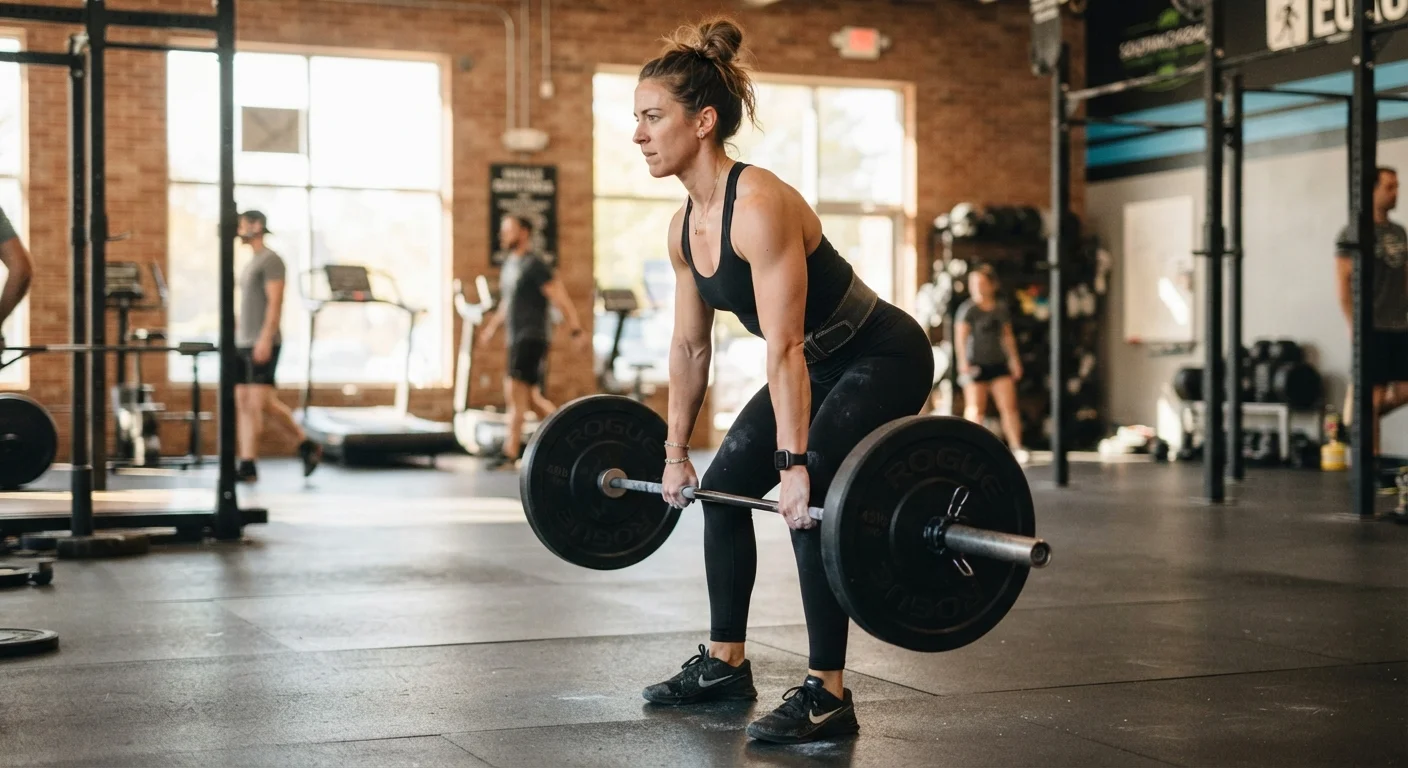
The hip hinge is arguably the most underappreciated fundamental pattern. It involves flexing and extending at the hip joint with a relatively neutral spine - the mechanical basis for movements like the deadlift, Romanian deadlift, kettlebell swing, and good morning. Hinge patterns primarily load the posterior chain: the hamstrings, glutes, and lower back extensors.
Strong hinging mechanics are directly relevant to everyday tasks such as lifting objects from the floor safely. Research consistently identifies posterior chain weakness as a contributing factor in low-back injury, making this pattern one of the more consequential ones to train correctly. Learning proper hinge mechanics - maintaining a neutral spine while loading through the hips rather than rounding through the lower back - typically benefits from guidance by a qualified trainer, especially early in training.
The hinge pattern trains the posterior chain, which research links to reduced risk of low-back injury when developed with proper mechanics.
The Squat Pattern
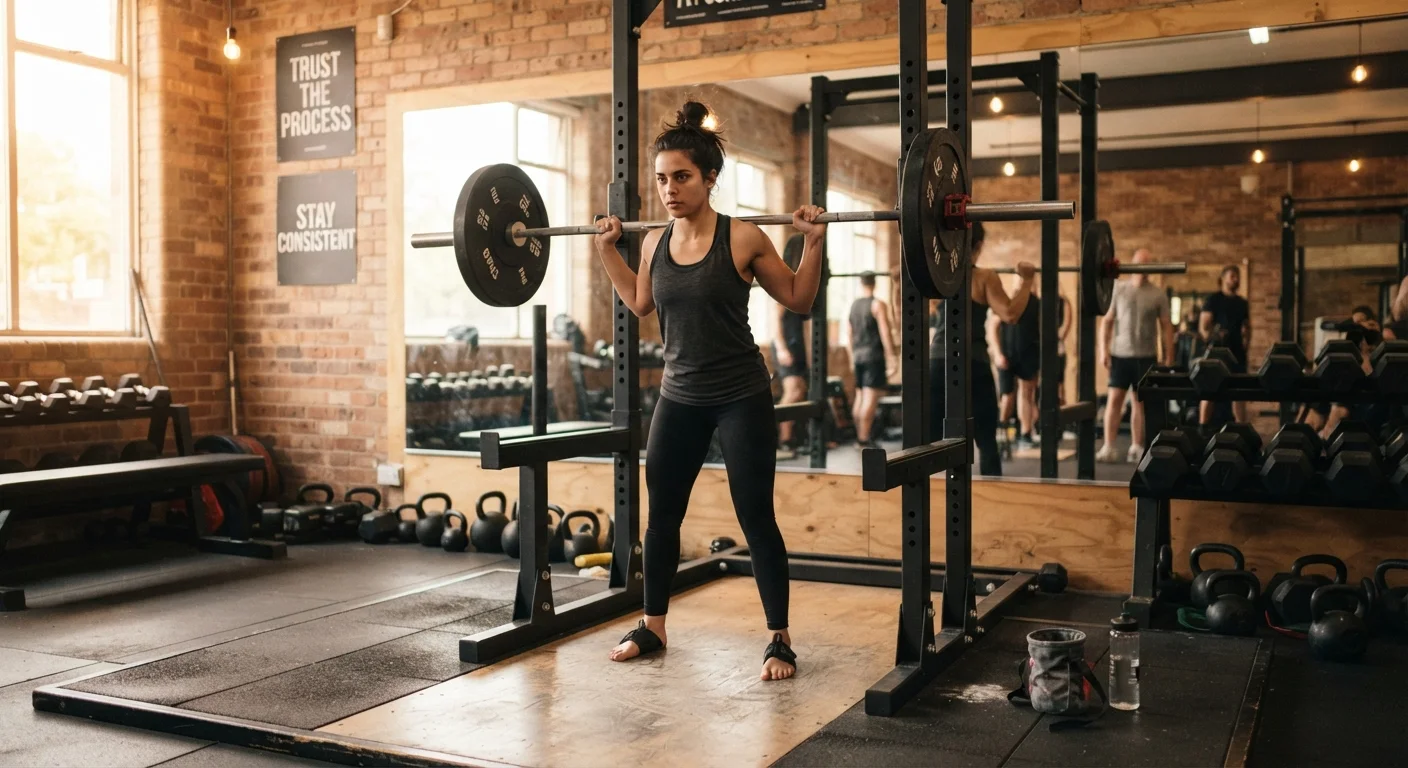
Squatting movements load the lower body through a deep knee bend combined with hip flexion. They primarily train the quadriceps, glutes, and adductors, with meaningful demands on core stability and ankle mobility. Variations range from the bilateral barbell back squat to single-leg split squats, each placing slightly different demands on balance, hip mobility, and muscular emphasis.
The squat pattern is sometimes grouped with the hinge because both involve the hips and lower body - but the distinction matters. Squats are more quadriceps-dominant and knee-flexion-driven, while hinges are more hip-extension-dominant. Including both in a program provides more complete lower-body development than either pattern alone. Mobility at the ankle and hip is often what limits squat depth, which is worth addressing as a distinct training goal.
Squats and hinges both train the lower body but through different joint actions - programming both leads to more complete development.
The Carry Pattern
Loaded carry variations - farmer's carries, suitcase carries, overhead carries - involve moving through space while supporting weight. Though less glamorous than the other four patterns, carries develop the grip strength, core stability, and total-body resilience that tend to be undertrained in conventional programs.
Carries are unique in that they train the body isometrically under load during dynamic movement, mimicking the demands of carrying groceries, luggage, or other loads in real life. They also expose asymmetries: a suitcase carry (weight held on one side only) quickly reveals differences in lateral core strength that bilateral exercises often mask. For a relatively low technical barrier, carries provide a high return on investment in functional strength - and they integrate naturally into programs at almost any experience level.
Loaded carries expose lateral strength asymmetries and build grip and core resilience that traditional lifts often leave undertrained.
Putting It All Together
A complete strength program doesn't require dozens of exercises - it requires consistent representation of each movement pattern. Many effective programs use just one or two exercises per pattern per session and still produce meaningful results over time. The goal is balance: roughly equal volume across push and pull patterns to protect shoulder health, adequate hinge and squat work for lower-body strength, and carries peppered in to build the functional resilience that ties everything together.
Start With Pattern Literacy, Not Exercise Volume
If you're new to structured strength training, resist the urge to add more exercises immediately. Instead, identify which of the five patterns each exercise in your current routine represents. If one pattern is missing entirely, that's a more useful signal than any specific exercise recommendation. A qualified certified personal trainer can help you audit and balance your program safely.
These patterns also translate directly to bodyweight training at home. Push-ups, rows using a table edge, hip hinges, bodyweight squats, and loaded bag carries are all valid expressions of the same five categories - no equipment required. For a broader look at how to sustain this kind of training across years, see our discussion of fitness habits built for the long term.
This article is for general informational and educational purposes only and does not constitute medical or professional fitness advice. Before beginning any new exercise program, consult a qualified healthcare provider or certified fitness professional, particularly if you have existing injuries, medical conditions, or have been sedentary for an extended period.