Three Terms, Three Different Meanings
Walk into almost any fitness space and you'll hear flexibility, mobility, and stretching used as synonyms. They're not. Each describes something distinct, and conflating them leads to training strategies that may miss the mark.
Flexibility describes a muscle's passive capacity to lengthen. When a physical therapist lifts your leg while you lie relaxed on a table, the angle they can reach measures your hamstring flexibility. You're not doing the work - the muscle is simply not resisting elongation.
Mobility describes how well a joint moves actively through its available range - with control. It integrates flexibility with strength, coordination, and neuromuscular function. Bringing your own leg to the same height while standing is a mobility task. The joint range may be similar, but the demand is entirely different.
Stretching is neither a quality nor an outcome - it's a technique. It's one of several approaches used to influence flexibility and, over time, mobility. This distinction matters because optimizing your training means using the right tool for the right goal.
Flexibility Alone Doesn't Prevent Injury
A common assumption is that more flexibility equals fewer injuries. The evidence is more nuanced. Systematic reviews have not consistently found that static stretching before exercise reduces injury rates. Adequate mobility - active, controlled range of motion - appears to be a more relevant factor for movement safety and performance.
Why Mobility Is the More Functional Measure
Passive flexibility has its place, but active mobility is what determines how your body performs under load and during movement. A deep squat, a shoulder press overhead, or stepping off a curb all require joints to move through range with muscular control - not just tissue that passively yields.
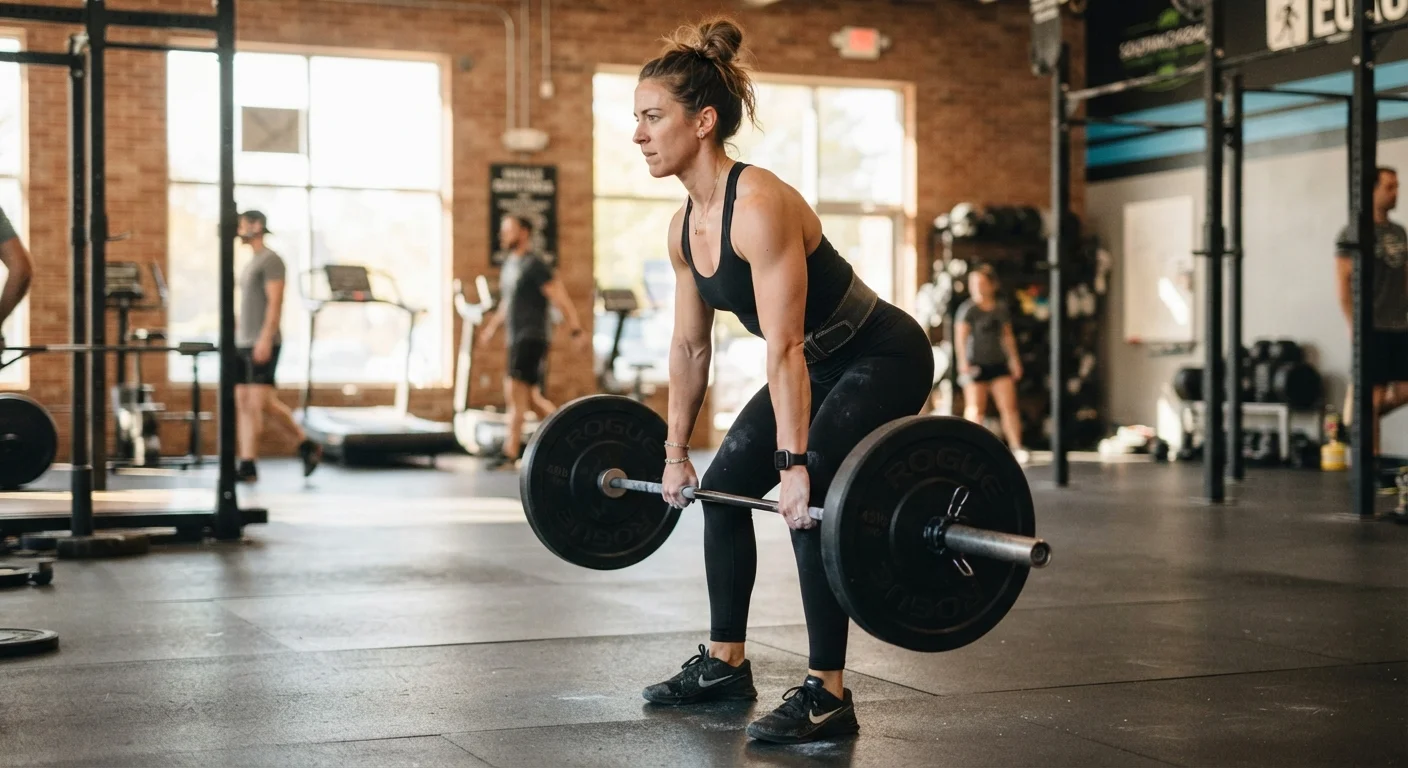
This is why many fitness professionals now emphasize mobility training alongside - or even ahead of - traditional static stretching. Being able to touch your toes in a forward fold (flexibility) doesn't automatically mean you can hinge at the hip cleanly under a barbell (mobility). The latter requires foundational movement patterns trained with intention.
~30 sec
Optimal static stretch hold duration for flexibility gains
A review published in the Journal of Physical Therapy Science found that stretches held for approximately 30 seconds produced comparable flexibility gains to longer holds for most healthy adults.
4-8 weeks
Typical timeframe for measurable range-of-motion changes
Research on stretching interventions generally finds that consistent practice over 4-8 weeks produces statistically significant improvements in joint range of motion in sedentary to moderately active adults.
Types of Stretching and When Each Applies
Since stretching is a method rather than an end goal, understanding its main forms helps you apply each appropriately:
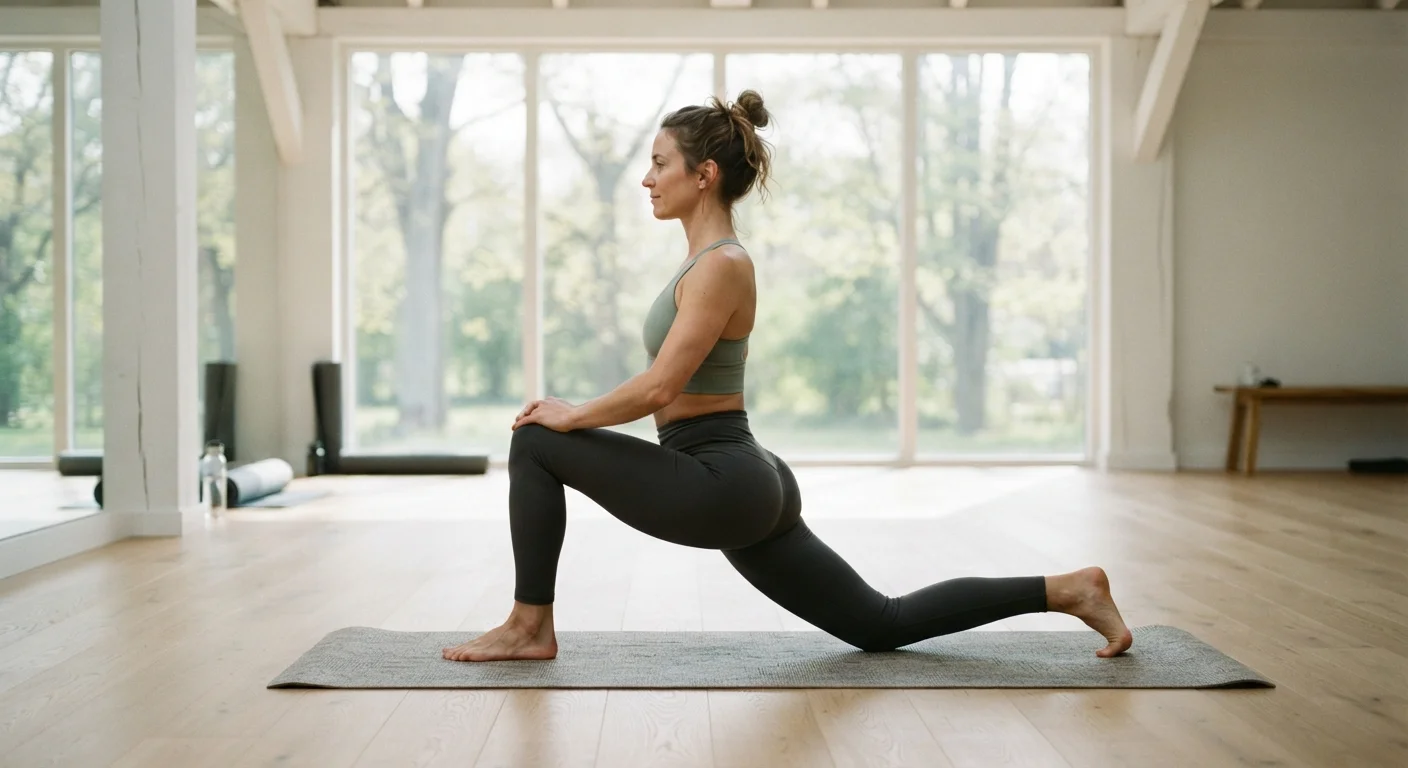
- Static stretching involves holding a lengthened position for a sustained period, typically 20-60 seconds. It's most effective when muscles are already warm - making it well suited for post-workout routines or standalone flexibility sessions.
- Dynamic stretching uses controlled, repetitive movements through a joint's range of motion - leg swings, arm circles, or hip circles. It's widely used as part of a warm-up because it prepares tissues and the nervous system for activity without the temporary force-reduction associated with prolonged static holds before intense exercise.
- PNF (proprioceptive neuromuscular facilitation) stretching alternates between muscle contraction and passive lengthening, often with a partner or resistance. Research suggests it can produce meaningful gains in range of motion, though it requires careful execution.
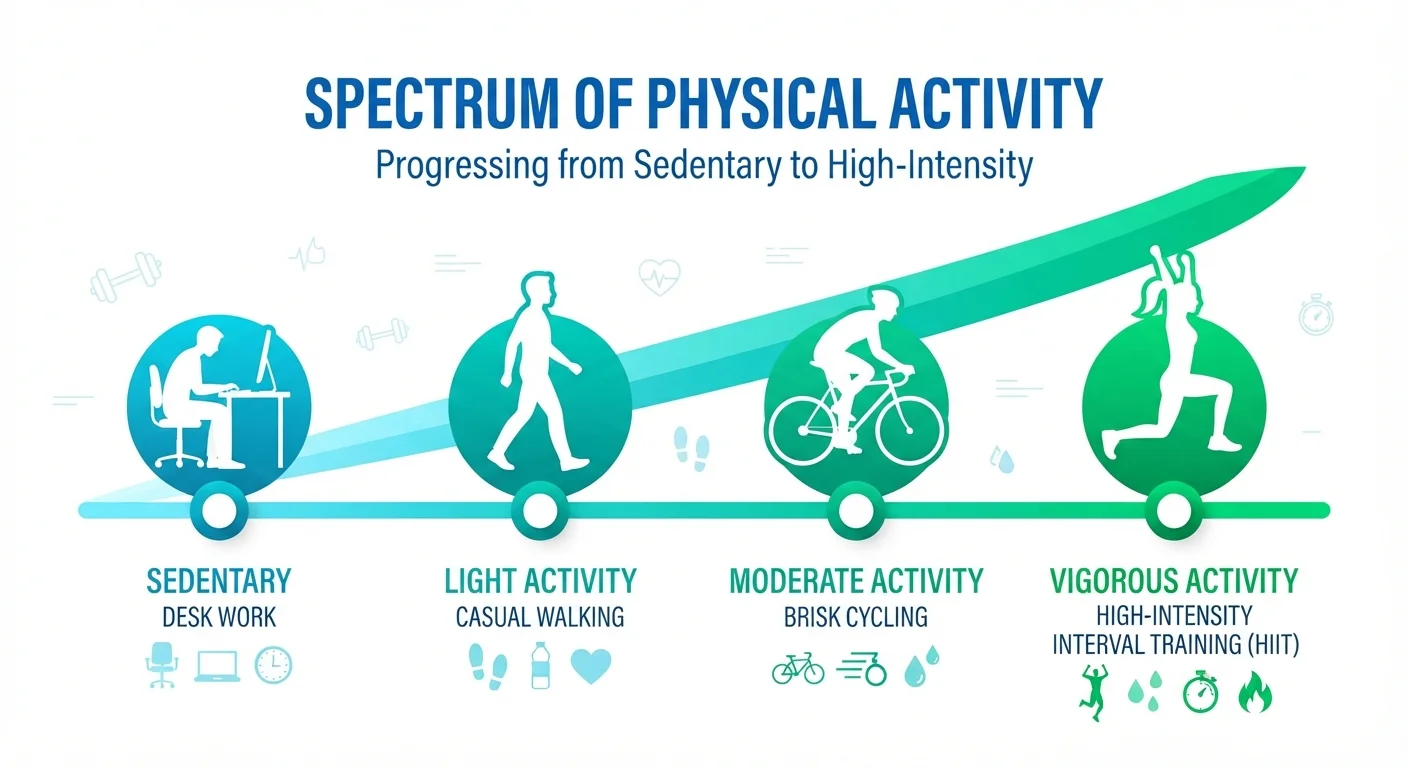
Your activity context - whether you're warming up for a run, cooling down after lifting, or doing a dedicated mobility session - should guide which type you use. This is part of a broader picture of physical activity across different intensities and forms.
Match Your Stretching Type to Your Timing
Use dynamic stretching as part of your warm-up to prepare joints and muscles for activity. Save static holds for after your session, when tissues are warm and you're not about to ask your muscles for maximal force output. This simple shift aligns your technique with the underlying physiology.
Building a Practical Approach
The clearest takeaway from understanding these distinctions: don't rely solely on passive stretching and expect it to solve movement problems. A more complete approach might include dynamic work before training, strength exercises at end range of motion (like deep squats or Romanian deadlifts), and targeted static work post-session.
Recovery also plays a role. Pushing flexibility and mobility work alongside heavy training volume without adequate rest can limit adaptation. See the tradeoffs of training every day for a broader discussion of how frequency and recovery interact.
If you have a specific range-of-motion concern, joint pain, or a history of injury, working with a licensed physical therapist or certified strength and conditioning specialist is the appropriate next step. General guidance like this article cannot substitute for an individualized assessment.
This article is for general informational and educational purposes only and does not constitute medical or professional fitness advice. Consult a qualified healthcare or fitness professional before making changes to your exercise routine, particularly if you have existing injuries or health conditions.