Why Summer Yellowing Is So Easy to Misdiagnose
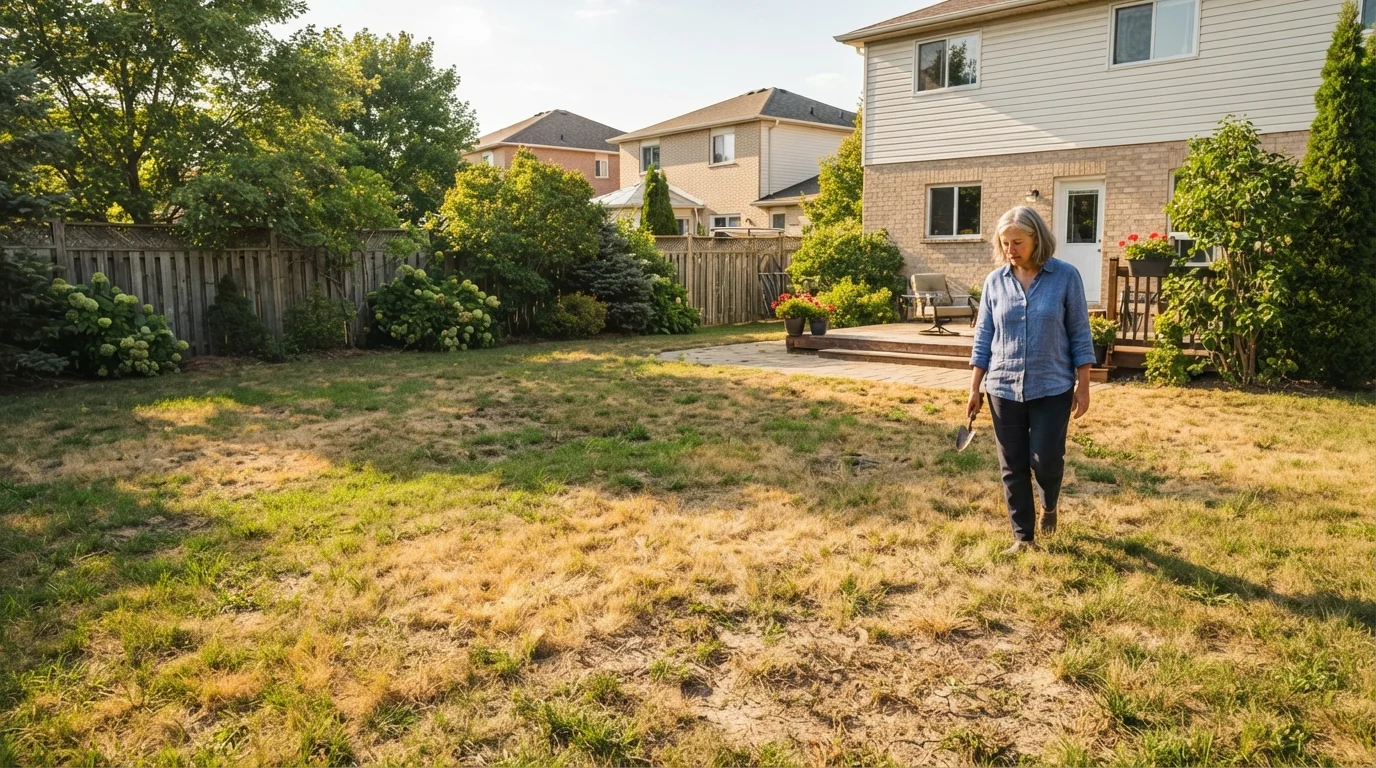
A yellowing lawn in July triggers an instinct to grab the hose or reach for a bag of fertilizer. That impulse is understandable - but acting on it without a clear diagnosis is one of the most common and costly mistakes homeowners make. Several entirely different problems produce nearly identical visual symptoms, and the treatment for one can actively worsen another.
The good news is that most causes of summer yellowing leave distinct clues once you know what to look for. Taking 15 minutes to examine your lawn closely before doing anything else can save hours of remediation work later.
~50%
Residential water used on landscaping
According to the U.S. Environmental Protection Agency, approximately half of residential outdoor water use goes to lawns and gardens, much of it applied inefficiently.
6.0-7.0
Ideal soil pH range for most lawn grasses
Most university cooperative extension services cite this pH range as optimal for nutrient availability in typical cool- and warm-season turf grasses.
The Most Common Mistakes That Lead to Ongoing Yellowing
The errors below represent the most frequent missteps homeowners take when confronting a discolored lawn. Each one delays recovery and, in some cases, makes the underlying problem significantly worse.
Assuming yellow grass always means the lawn needs more water.
Why it happens: Drought stress is the most widely known cause of summer yellowing, so it's the first - and often only - conclusion homeowners reach.
Mowing grass too short during peak summer heat.
Why it happens: Shorter grass looks neat and seems to need less frequent mowing, making low cutting heights appealing to busy homeowners.
Ignoring soil pH when yellowing persists despite regular fertilizing.
Why it happens: When people see yellow grass, fertilizer seems like the obvious fix. Few realize that nutrients become chemically unavailable when soil pH is outside the 6.0-7.0 range, no matter how much fertilizer is applied.
Overlooking grub or chinch bug infestations as a source of yellowing.
Why it happens: Pest damage and drought stress produce nearly identical visual symptoms - irregular yellow patches that eventually turn brown - so pests often go undiagnosed.
Misidentifying fungal disease as a nutrient or watering problem.
Why it happens: Fungal diseases such as dollar spot or brown patch create yellow-to-tan discoloration that homeowners routinely attribute to heat stress or underwatering.
Don't Fertilize Without Testing First
Applying nitrogen fertilizer to a yellowing lawn without knowing the cause can scorch already-stressed grass and worsen the problem. A soil test - available through most county extension offices - takes the guesswork out and costs very little. Always diagnose before you treat.
How to Build a Healthier Lawn Baseline
Preventing summer yellowing is largely about maintaining conditions that keep grass resilient before stress arrives. A few foundational habits make a measurable difference:
- Water deeply and infrequently. Most lawns benefit from about 1 inch of water per week, ideally delivered in two sessions rather than daily shallow sprinkles. Deep watering encourages roots to grow downward, improving drought tolerance naturally.
- Aerate compacted soil annually. Compaction prevents water and oxygen from reaching roots. Core aeration - pulling small plugs of soil - is a straightforward fall or spring task that pays dividends all summer.
- Leave clippings on the lawn. Grass clippings decompose quickly and return nitrogen to the soil, reducing fertilizer needs by an estimated 25% over a season according to many turf management guidelines.
Overwatering Is More Common Than You Think
Many homeowners assume summer heat means more water is always better. In reality, consistently soggy soil suffocates grass roots, encourages fungal disease, and produces yellowing that looks identical to drought stress. Before increasing irrigation, check soil moisture at a depth of 2-3 inches.
Summer lawn care is less about dramatic intervention and more about avoiding the mistakes that undermine a lawn's natural resilience. Diagnose carefully, treat specifically, and let the grass do the rest.