Why Most Learning Plans Fall Apart
Most people abandon a self-directed learning plan not because they lacked motivation, but because the plan itself was too vague or too ambitious from the start. A realistic learning plan isn't just a list of topics you want to cover - it's a structured commitment that accounts for your time, your energy, and how you actually absorb new information.
Whether you're pursuing career learning and professional development or simply want to build a new skill, this checklist will walk you through every element of a learning plan designed to hold up in real life - not just on day one.
Avoid Planning Without Committing
Spending hours designing an elaborate learning plan can feel productive while actually substituting for the work itself. Keep your initial setup focused: a simple plan executed consistently will outperform a detailed one that never gets started. Set a 60-minute limit on your planning session, then move directly into your first study block.
What You'll Need Before You Start
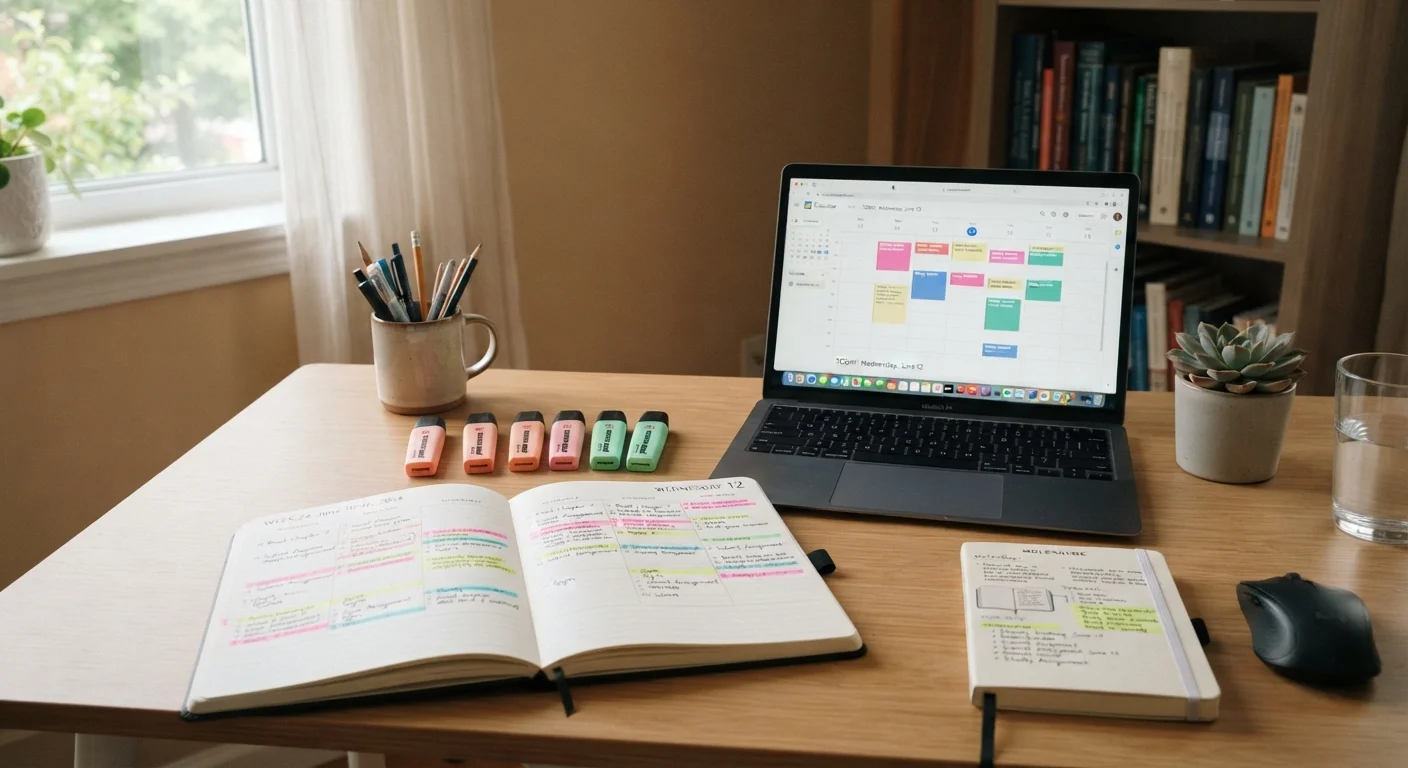
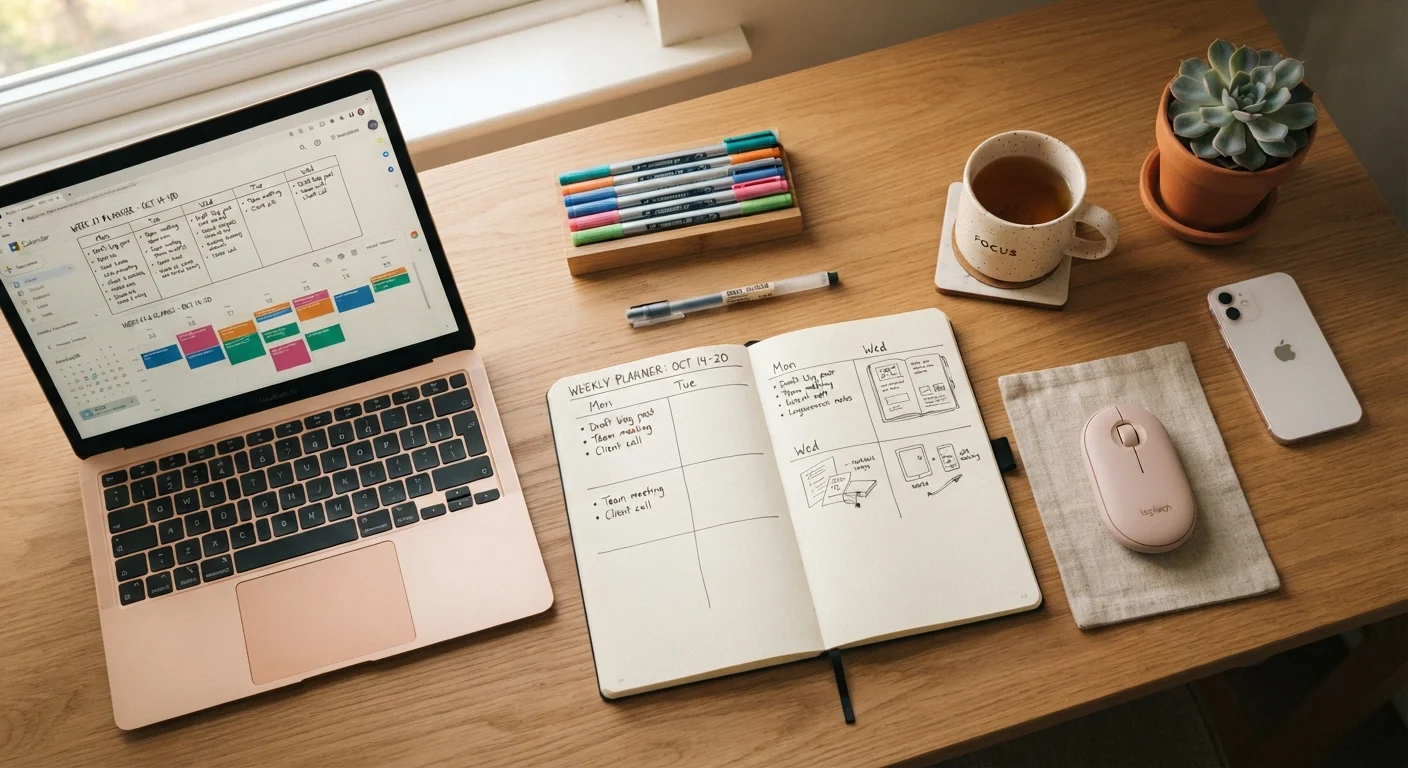
Before working through the checklist, gather a few basic tools. You don't need anything sophisticated - just enough structure to capture your thinking in one place.
Notebook or digital document
Captures your goals, milestones, and session notes in one place for easy review.
Calendar app or paper planner
Used to block recurring study sessions and set milestone reminder dates.
Timer (phone or dedicated app)
Helps enforce focused session lengths and break intervals for better concentration.
Progress tracker (spreadsheet or habit log)
Records session completion and milestone progress so trends are visible over time.
If you're also evaluating a formal course or program as part of your plan, the pre-course checklist for professional development programs is a useful companion resource to review before committing time or money.
The Learning Plan Checklist
Work through these grouped steps in order. Each section builds on the previous one, so resist the urge to skip ahead to scheduling before you've locked in your goals and format.
Define Your Goal
Choose Your Format and Resources
Build Your Schedule
Track Progress and Adjust
Protect Your Plan From Overload
One of the most common reasons learning plans collapse is taking on too many goals at once. Research on skill acquisition consistently suggests that focused, sequential learning - finishing one goal before starting the next - produces stronger retention than splitting attention across multiple subjects simultaneously. If you're tempted to add a second goal, write it down for later and return to it only after completing your current milestone.
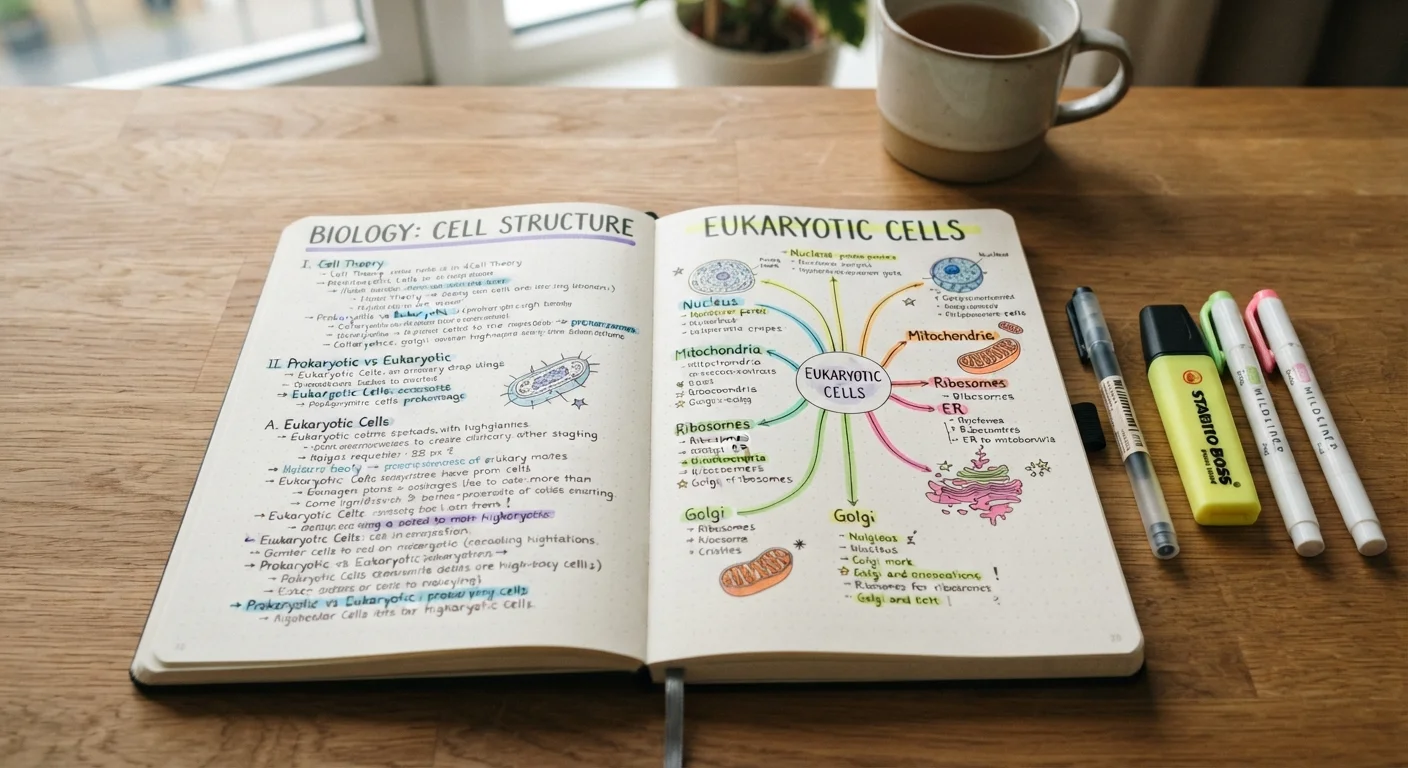
For more on designing effective study blocks, see the guide on building a study schedule you'll actually stick to. And if note-taking is part of your plan, comparing note-taking methods can help you choose a system that matches how you think.