What a Budget Actually Is (and Isn't)
A budget is simply a plan for how you'll use the money you earn. Nothing more. It doesn't mean living on rice and beans or tracking every penny to the cent. It means deciding ahead of time where your money goes rather than wondering, at month's end, where it went.
Many people resist budgeting because they associate it with deprivation. In reality, a budget is the opposite - it's what gives you permission to spend without guilt, because you've already confirmed the money is there. For a plain-language overview of foundational concepts, see Money Management From Scratch, which covers budgeting, saving, and cash flow in beginner-friendly terms.
Take-home income
The amount of money you actually receive after taxes, insurance premiums, and other deductions are removed from your paycheck. This is the figure your budget should be based on, not your gross salary.
Fixed expenses
Bills that stay the same amount each month, such as rent, a car loan payment, or a fixed internet plan. These are easier to plan around because they don't change.
Variable expenses
Costs that fluctuate from month to month, like groceries, gas, or dining out. These are the categories where budgeting tends to have the most impact.
Discretionary spending
Money spent on non-essential items - entertainment, hobbies, eating out, subscriptions. This is often where the most budget flexibility exists.
Zero-based budget
A budgeting method where every dollar of income is assigned to a specific category, so that income minus expenses equals zero. No money is left unallocated.
Sinking fund
Money you set aside each month for a predictable future expense - like a car repair fund or holiday spending - so the cost doesn't catch you off guard.
Step One: Know Your Numbers
Before you can plan anything, you need two figures: your monthly take-home income and your monthly expenses. Take-home income is what actually lands in your bank account after taxes and deductions - not your gross salary.
List every source: wages, freelance work, side income, benefits. Then list every expense. Start with fixed costs - rent, utilities, insurance, loan payments - then move to variable ones like groceries, gas, dining out, and subscriptions. Many people are surprised by how much these variable categories add up once written down.
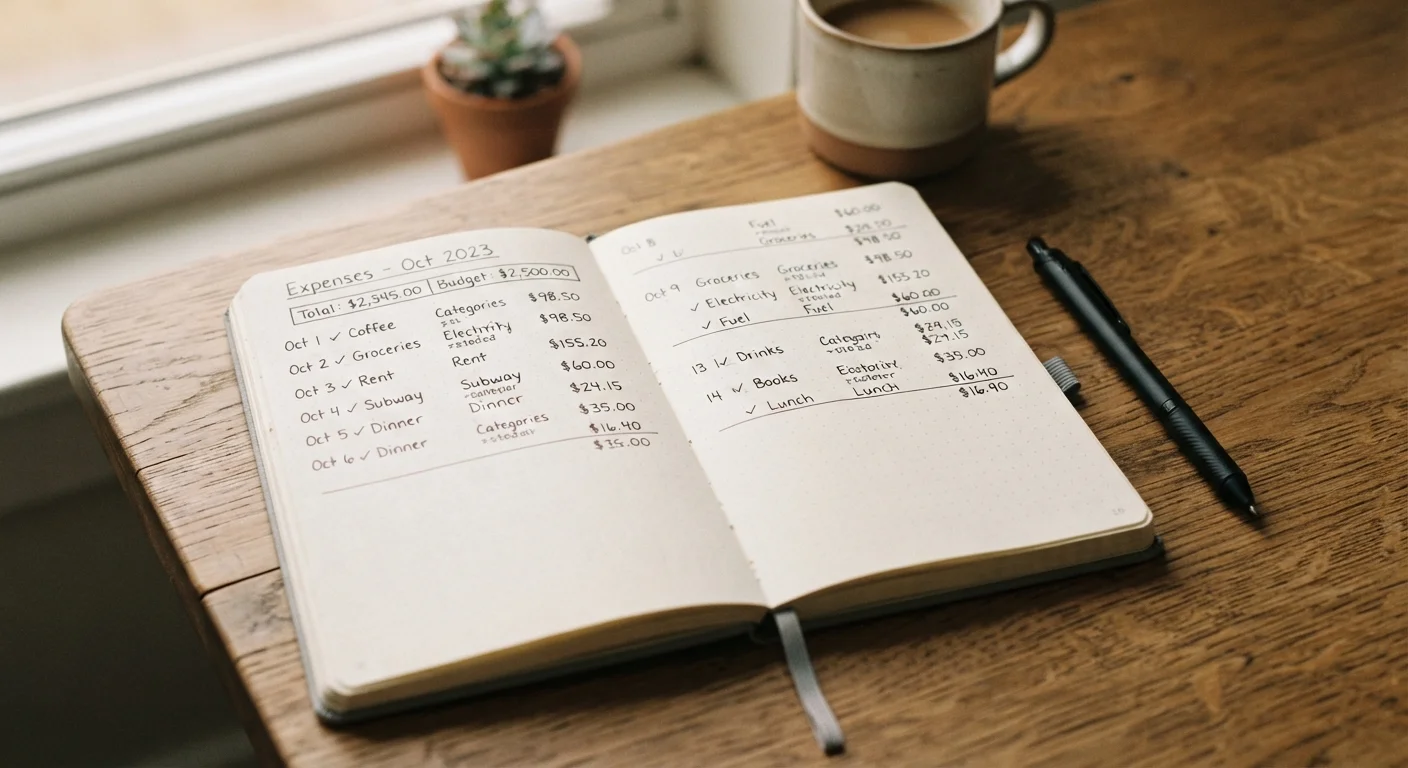
If you're unsure where your money currently goes, spend two to three weeks recording purchases before building any plan. Research on spending awareness consistently suggests that the act of recording purchases shifts financial behavior - The Spending Journal explores that dynamic in more detail.
Start With One Month of Real Data
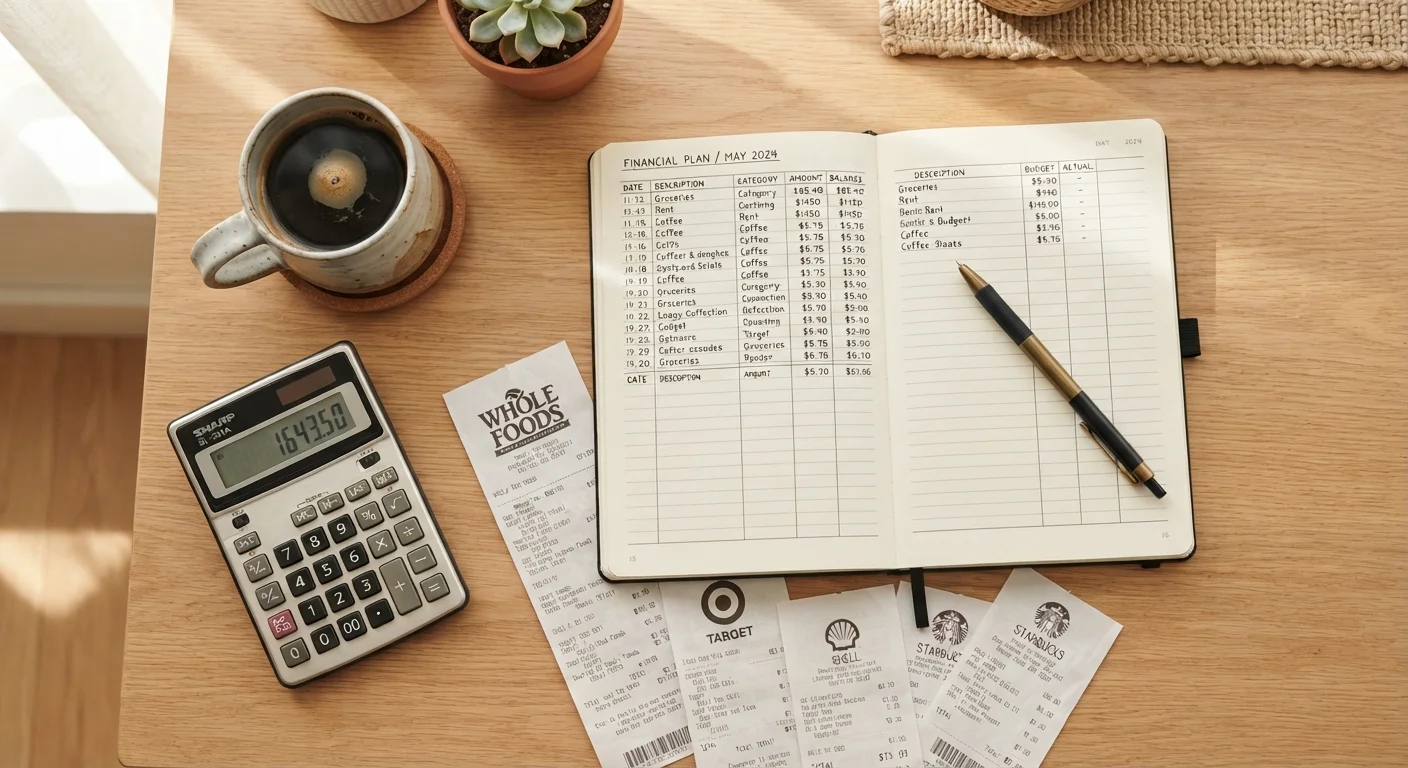
Before building any budget, pull your last 30 days of bank and credit card statements and categorize every transaction. This gives you a realistic baseline instead of guesses. Most people find at least one or two categories where spending is higher than expected.
Choosing a Budgeting Method That Fits Your Life
There's no universally correct way to budget. The method you'll stick with is the right one. Here are three widely used approaches:
- 50/30/20 Rule: Allocate 50% of take-home pay to needs, 30% to wants, and 20% to savings and debt repayment. It's simple and flexible - good for people who don't want to micromanage categories.
- Zero-Based Budgeting: Every dollar is assigned a job until your income minus expenses equals zero. This requires more upfront effort but gives you full visibility and control.
- Envelope Method: Cash (or digital equivalents) is divided into spending categories at the start of each month. When an envelope is empty, spending in that category stops. It works well for people who tend to overspend on discretionary items.
If you share finances with a partner, your chosen method needs to account for both income streams and individual spending. Managing Money as a Couple outlines the communication habits that support joint budgeting effectively.
For definitions of terms like discretionary spending, sinking fund, or debt-to-income ratio that you may encounter as you build your plan, Common Budget Terms Every American Should Know is a useful reference.
Consumer Financial Protection Bureau (CFPB) Budget Worksheet
The CFPB offers a free, straightforward budget worksheet that walks through income and expense categories. It's a reliable starting point from a federally established consumer finance resource.
Everyday Money Tips Hub
A collection of practical financial habits for everyday Americans, covering budgeting, saving, and daily money decisions in plain language.
Building the Habit: Staying on Track
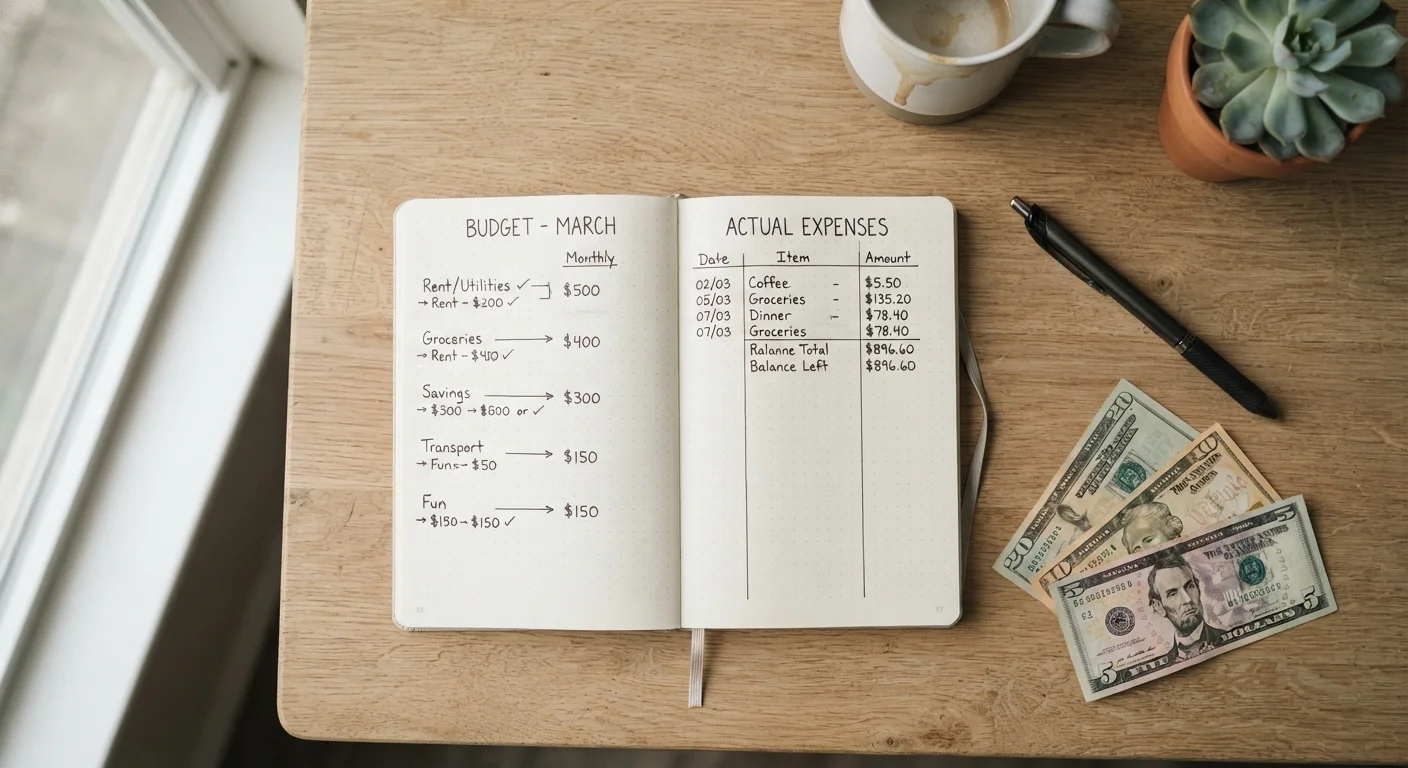
Setting up a budget once isn't enough. The value comes from the monthly rhythm of checking in, adjusting, and planning ahead. Schedule a short review - even 15 minutes - at the end of each month. Compare what you planned to spend against what you actually spent.
For a structured approach to these reviews, the Monthly Budget Audit checklist walks through catching overspending, identifying forgotten subscriptions, and making sure your budget still reflects your actual life.
Consistency matters more than perfection. Missing a month or overspending a category doesn't mean you've failed - it means you have data to make a better plan next time. Building the habit is the goal; the numbers are just feedback.
Common Budgeting Mistakes to Avoid
Even well-intentioned budgets can fall apart for predictable reasons. Knowing these pitfalls in advance puts you ahead.
- Making the budget too restrictive: If your plan leaves no room for fun or unexpected costs, you'll abandon it quickly. Build in a modest miscellaneous or discretionary buffer from day one.
- Forgetting irregular expenses: Annual insurance premiums, car registration, holiday gifts - these don't appear monthly, but they will appear. Divide the annual total by 12 and set that amount aside each month.
- Treating the first draft as final: Your first budget is a starting hypothesis. Real spending rarely matches projections exactly. Revise after the first one or two months based on actual data.
- Ignoring small recurring charges: Streaming subscriptions and small monthly fees accumulate. Review these at least quarterly and cancel what you no longer use.
Don't Build a Budget Around Best-Case Income
If your income varies - from freelance work, tips, or seasonal employment - base your budget on a conservative estimate, not your best month. Planning around income you might not receive is one of the most common reasons budgets collapse. Build up a small cash buffer to smooth month-to-month variation.
This article is for general informational and educational purposes only and does not constitute personalized financial advice. Consider consulting a qualified financial professional for guidance specific to your circumstances.