
How Zero-Based Budgeting Works
The mechanics are straightforward: at the start of each month, write down your total expected take-home income. Then create budget categories - rent, groceries, utilities, transportation, savings, debt payments, subscriptions, dining, entertainment - and assign a dollar amount to each one. When the sum of every category equals your income exactly, your budget is complete.
That final zero is the point. It forces a deliberate decision about every dollar rather than letting money drift toward whatever comes up. Savings and debt payoff are treated as non-negotiable line items, not leftovers.
If you're new to structured monthly planning, the seven-step guide to building a first monthly budget walks through the foundational setup process before layering on ZBB specifics.
~74%
Americans living paycheck to paycheck at some point
Multiple surveys, including those by the Federal Reserve's Report on the Economic Well-Being of U.S. Households, consistently find a large share of Americans have limited financial cushion, highlighting the need for deliberate spending plans.
$200-$400
Typical monthly savings found when switching to category-level budgeting
Financial counselors frequently report that clients who move from no budget to a detailed category-based system discover significant unplanned spending, though individual results vary widely.
What Makes It Different From Other Methods
Most people budget by tracking what they've already spent - reviewing bank statements at the end of the month to see where money went. Zero-based budgeting inverts this: you decide where money goes before it arrives.
Compare this to percentage frameworks like the 50/30/20 rule, which divide income into broad buckets (needs, wants, savings). Those methods are faster to set up and easier to maintain, but they don't force you to examine individual spending lines. ZBB does.
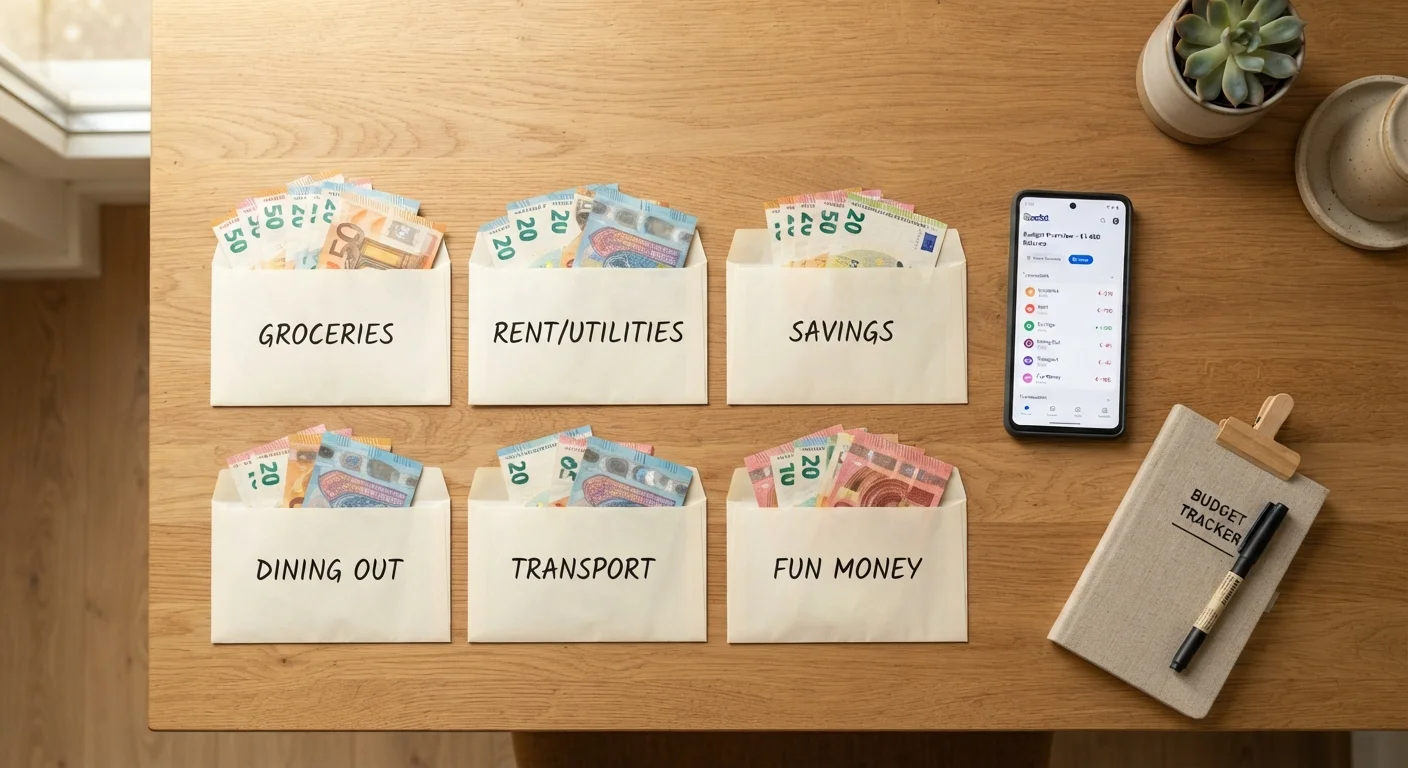
It also differs from the envelope method, which similarly pre-allocates cash to categories. The envelope budgeting approach shares ZBB's core logic but uses physical or digital cash envelopes rather than a comprehensive income-to-zero ledger.
Build Your Budget Template Once, Then Reuse It
Create a master spreadsheet or app template with your standard categories filled in. Each month, reset the dollar amounts rather than rebuilding the structure from scratch. This reduces the monthly time commitment significantly and keeps your categories consistent enough to spot trends over time.
The Practical Challenges to Expect
Zero-based budgeting surfaces two common difficulties. First, it requires accurate income estimates. Salaried workers have it easier; freelancers and hourly workers with variable hours need to budget conservatively - typically from their lowest expected monthly income - and then deliberately allocate any surplus when it materializes.
Second, irregular expenses break naive monthly plans. Annual insurance premiums, car registration, and holiday spending don't appear every month, but they need to be accounted for. The fix is a dedicated irregular-expenses category funded monthly in smaller installments - sometimes called a "sinking fund."
Many people who abandon budgets early run into exactly these friction points. The reasons budgets fail in the second month often come down to under-planning for variable costs and treating the budget as fixed rather than adjustable.
Mid-Month Adjustments Are Normal and Expected
Zero-based budgeting doesn't require a perfect plan that never changes. When an unexpected expense appears - a car repair, a medical copay - the process is to move money from a lower-priority category rather than ignoring the overage. Treating the budget as a living document, not a rigid contract, is what makes it sustainable.
Is Zero-Based Budgeting Right for You?
ZBB tends to suit people who want granular control, are motivated by seeing exact numbers, or are working through a specific financial challenge - aggressively paying off debt, building an emergency fund from zero, or understanding where income disappears each month.
It's less suited to people who find detailed tracking demotivating, have extremely unpredictable income, or are already succeeding with a simpler system. The best budget is always the one you'll actually maintain. For broader context on choosing a system that fits your life, this introduction to personal budgeting covers multiple approaches side by side.
This article is for general informational purposes only and does not constitute personalized financial advice. Consider consulting a licensed financial professional for guidance specific to your situation.