
Why Most Irregular Expenses Turn Into Debt
Most people budget well for rent, groceries, and utilities - the bills that arrive every month on a predictable schedule. The budgeting breakdown usually happens with the other kind of expense: the ones you know are coming but don't plan for. Car registration. Holiday gifts. Annual insurance renewals. A dental visit without full coverage.
When these costs land, many households reach for a credit card or a personal loan because there simply isn't cash on hand. The result is debt incurred for an expense that was never actually a surprise - just an unplanned one. Sinking funds interrupt that pattern at the source.
~$1,400
Average US household annual vehicle maintenance and repair costs
According to AAA's annual Your Driving Costs study, vehicle owners face significant recurring non-monthly expenses that catch many budgets off guard.
37%
Americans who couldn't cover a $400 emergency from savings
Federal Reserve data has consistently shown that a significant share of US adults lack liquid savings sufficient to absorb even modest unexpected costs without borrowing.
$998
Average US household holiday spending per year
National Retail Federation consumer surveys estimate annual holiday spending close to $1,000 per household - a predictable expense that still surprises most budgets.
How to Size and Build a Sinking Fund
The math is deliberately simple. Identify the expense, estimate its total cost, then divide by the number of months until you need the money. That quotient is your monthly contribution.
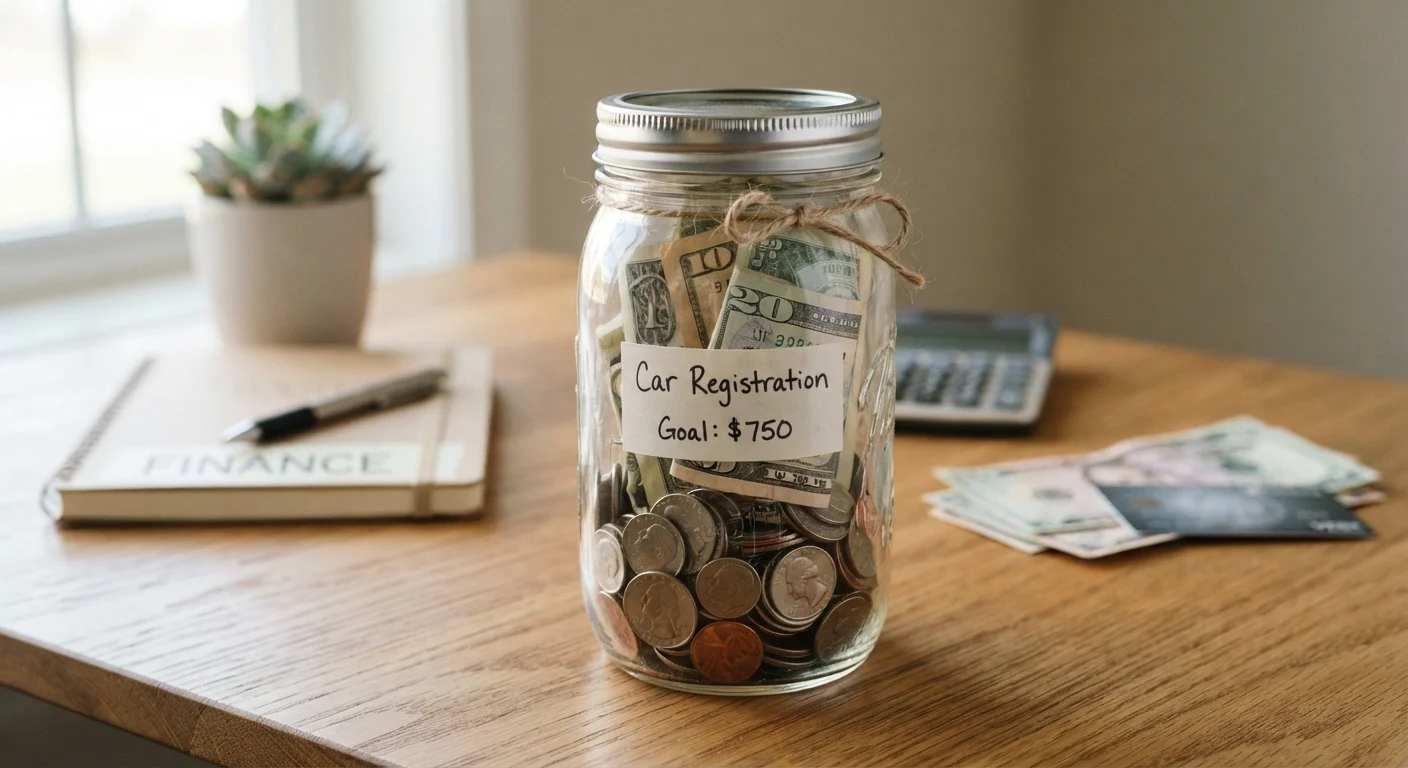
- Annual car registration ($240): Set aside $20/month.
- Holiday gifts ($600): Start in January and save $50/month.
- Home HVAC maintenance ($400): Save $34/month across 12 months.
If you're not sure of an exact cost, use a reasonable estimate based on past years or a quick search. An imprecise fund is still far better than no fund. Revisit the figure annually and adjust contributions if the real cost diverges from your estimate.
For households simultaneously managing debt, the framework for paying off debt and saving at the same time can help you decide how much income to direct toward sinking funds versus debt payoff each month.
Start With Just One Fund
If building multiple sinking funds feels overwhelming, identify your single most imminent irregular expense and build one fund first. Once that becomes automatic, add a second. Momentum matters more than perfection at the start.
Which Expense Categories Benefit Most
Not every spending category needs a sinking fund. Focus on expenses that are irregular, significant, and predictable enough to estimate. Common high-value categories include:
- Vehicle costs
- Registration, tires, scheduled maintenance, and even a future down payment on a replacement vehicle.
- Home maintenance
- HVAC servicing, appliance repair, and seasonal upkeep. A general guideline is to budget 1-2% of a home's value annually for maintenance, though actual costs vary widely by age, location, and condition.
- Healthcare and dental
- Deductibles, co-pays, glasses, and out-of-pocket dental work are predictable in category even when the exact amount varies.
- Seasonal and annual expenses
- Holidays, travel, school supplies, subscriptions that renew annually, and professional memberships.
For a fuller breakdown of how sinking funds handle non-monthly expenses specifically, see sinking funds explained: planning for expenses that aren't monthly.
Putting It Into Practice
The most effective sinking funds run on automation. Set up a recurring transfer from your checking account to your savings account on the same day your paycheck clears. You won't miss money that moves before you have a chance to spend it. The guide to automating your finances walks through how to structure these scheduled transfers alongside debt payments.
You don't need a separate bank account for every fund. A single high-yield savings account paired with a simple spreadsheet - or a budgeting app that supports savings goals - lets you track multiple funds in one place. Label each fund clearly so the money feels earmarked and less tempting to raid for other purposes.
Run a monthly financial reset to check each fund's balance against its target date. If you're falling short, either trim another spending category or extend your timeline - but keep the fund alive rather than scrapping it.
Sinking Funds and Emergency Funds Are Not the Same
Your sinking funds should not double as your emergency cushion. If a true emergency drains your sinking fund, you lose both the safety net and the future expense coverage simultaneously. Keep these pools separate. If you're still building your emergency savings, the guide to building an emergency fund while carrying debt covers how to prioritize both goals at once.
This article provides general financial information for educational purposes only and is not personalized financial advice. Consider speaking with a qualified financial professional for guidance tailored to your specific situation.