Core vs. Non-Core Vaccines: What the Distinction Means
Dog vaccines fall into two broad categories that veterinary organizations use to guide recommendations.
Core vaccine
A vaccine recommended for all dogs regardless of lifestyle, because the disease it prevents is highly contagious, severe, or poses a public health risk. Examples include rabies and canine parvovirus vaccines.
Non-core vaccine
A vaccine recommended selectively based on a dog's individual exposure risk, geographic location, or lifestyle. Bordetella and Lyme disease vaccines are common examples.
Booster
A follow-up dose of a vaccine given after the initial series to maintain or reinforce immunity over time. Booster intervals vary by vaccine and individual health factors.
Maternal antibodies
Protective proteins passed from a mother dog to her puppies through milk. These provide early immunity but fade during the first weeks of life, creating the need for a puppy vaccine series.
DHPP / DA2PP
Common abbreviations for a combination vaccine that protects against canine distemper, adenovirus (hepatitis), parvovirus, and parainfluenza in a single injection.
Titer test
A blood test that measures a dog's existing antibody levels for a specific disease, sometimes used to assess whether a booster vaccine is needed. Results should be interpreted by a veterinarian.
Core vaccines are considered essential for every dog regardless of lifestyle, because the diseases they prevent are widespread, severe, or transmissible to humans. The American Animal Hospital Association (AAHA) identifies four core vaccines: rabies, canine distemper, canine parvovirus, and canine adenovirus-2 (which also protects against infectious canine hepatitis).
Non-core vaccines are recommended based on a dog's individual risk profile - where they live, how often they interact with other dogs, and what environments they frequent. Common non-core vaccines include Bordetella (kennel cough), leptospirosis, Lyme disease, canine influenza, and canine parainfluenza. Your veterinarian is the right person to assess which of these apply to your dog.
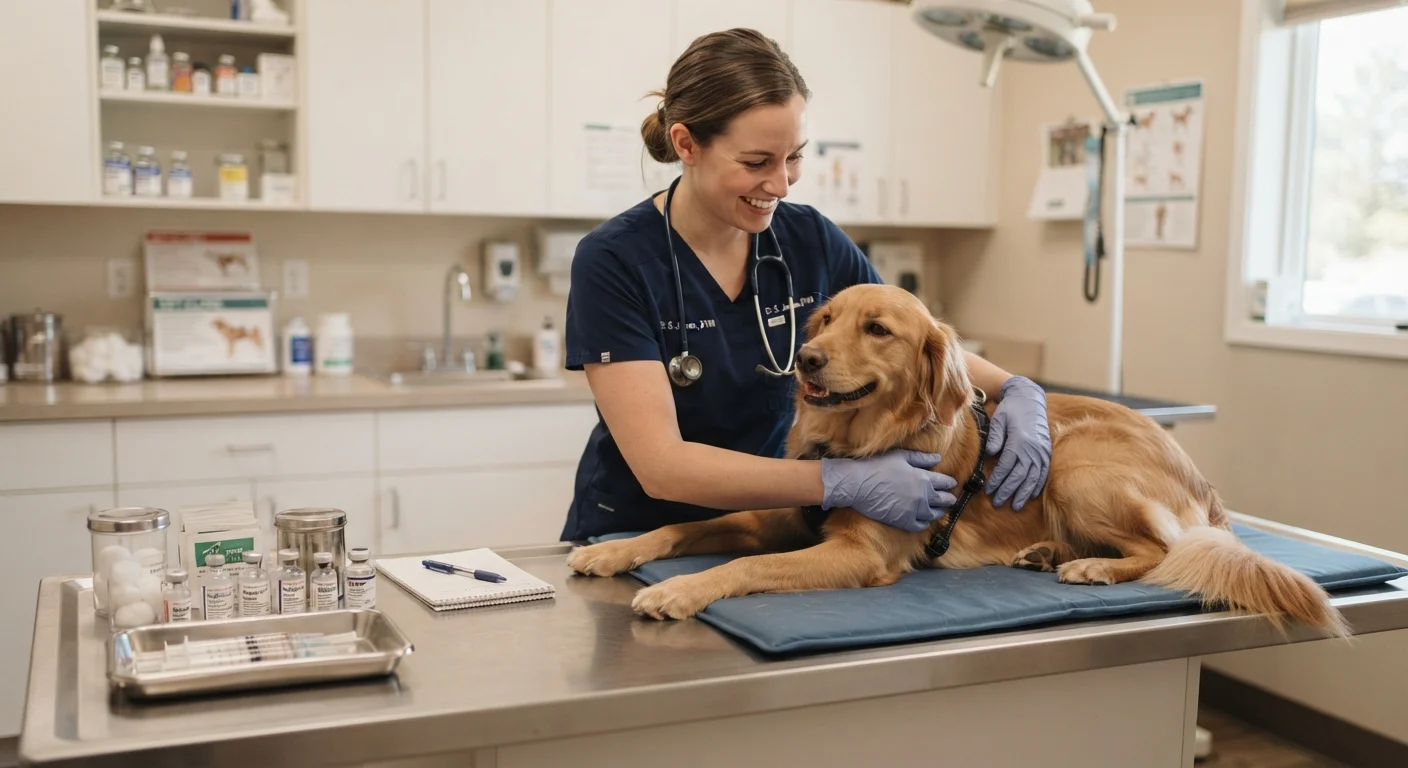
If you're bringing a dog home for the first time, scheduling a veterinary wellness visit in the first week is a practical way to establish a vaccine plan from day one.
Puppy Vaccination Schedule: The First Year
Puppies receive maternal antibodies through their mother's milk, but this protection fades between 6 and 16 weeks of age - creating a window of vulnerability. The puppy series is designed to build immunity as that maternal protection wanes.
| Core vaccines (dogs) | Rabies, Distemper, Parvovirus, Adenovirus-2 (AAHA Canine Vaccination Guidelines) |
| Puppy series start age | 6-8 weeks (AAHA Canine Vaccination Guidelines) |
| Adult core booster interval | Every 3 years (after initial adult booster) (AAHA Canine Vaccination Guidelines) |
| Rabies legal requirement | Mandated in most US states; intervals vary by state law (Varies by jurisdiction) |
| Bordetella booster frequency | Every 6-12 months for at-risk dogs (AAHA Canine Vaccination Guidelines) |
| Leptospirosis booster frequency | Annually for at-risk dogs (AAHA Canine Vaccination Guidelines) |
A typical puppy core vaccine series runs as follows:
- 6-8 weeks: First distemper-parvovirus combination (often called DHPP or DA2PP)
- 10-12 weeks: Second DHPP booster
- 14-16 weeks: Third DHPP booster; rabies vaccine (timing may vary by local law)
- 12-16 months: Booster for DHPP and rabies to confirm full immunity
Spacing matters. Giving vaccines too close together or too far apart can reduce effectiveness. Veterinarians follow AAHA guidelines to balance protection with an appropriate immune response.
Non-core vaccines for puppies - such as Bordetella if the puppy will attend daycare or boarding - are typically introduced at the same visits when relevant.
Adult Dog Boosters: Keeping Immunity Current
Once the puppy series is complete, adult dogs move to a booster schedule. This is not one-size-fits-all - the interval depends on the vaccine type and the dog's history.
3 years
Recommended adult DHPP booster interval
Per AAHA Canine Vaccination Guidelines, dogs with a confirmed vaccine history can shift to a triennial schedule for core combination vaccines.
~49 states
US states with mandatory rabies vaccination laws
Rabies vaccination is legally required for dogs in nearly every US state; exact rules and booster intervals are set at the state or local level.
6-16 weeks
Window of vulnerability in puppies
Maternal antibody protection wanes during this period, making the puppy vaccine series critical to establishing lasting immunity.
Under current AAHA guidelines, the core distemper-parvovirus combination is generally boosted one year after the puppy series, then every three years for dogs with documented vaccine history. Rabies follows a similar pattern, though local laws often mandate annual or triennial boosters regardless of the vaccine label.
Non-core vaccines typically require more frequent boosters. Bordetella, for example, may be recommended every six to twelve months for dogs with regular kennel or dog-park exposure. Leptospirosis is generally given annually. Your vet will factor in your dog's risk level when setting these intervals.
Keep vaccination records - many boarding facilities, groomers, and dog parks require proof of current vaccines. If records are lost or a dog's history is unknown, a veterinarian can recommend a restart protocol rather than assume prior immunity.
Senior Dogs and Vaccine Considerations
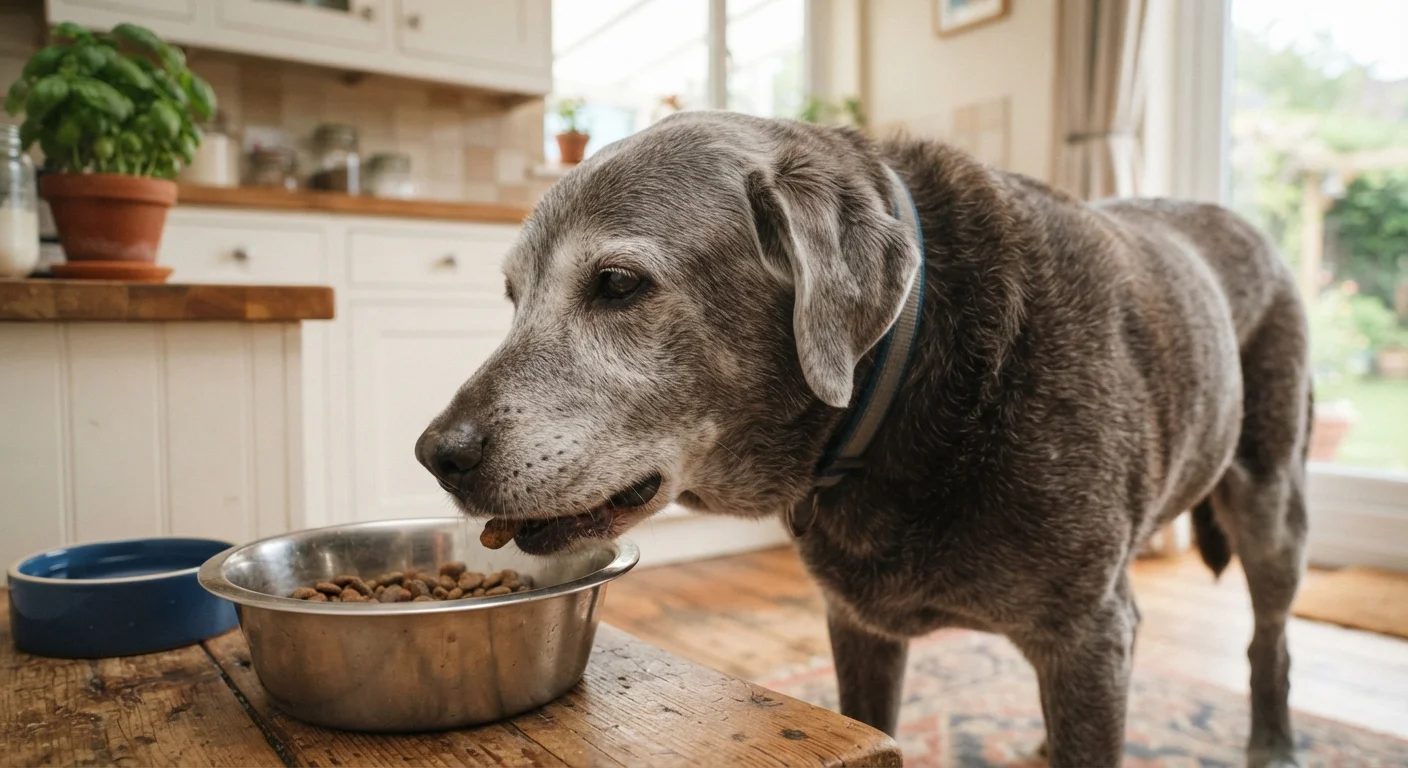
As dogs age, their immune response and overall health status can shift - factors your veterinarian will weigh when reviewing the vaccination plan.
There is no universal rule that senior dogs stop receiving vaccines, but veterinarians increasingly take a risk-benefit approach. For a dog with a well-documented vaccine history, robust health, and low disease exposure, some non-core vaccines may be discontinued. Rabies vaccination, however, is legally required in most US states regardless of age.
Annual wellness exams for senior dogs give veterinarians the opportunity to reassess the vaccine schedule alongside other age-related health concerns. If you're also managing changes in your older dog's diet, see our guide on how nutritional needs shift with age for a broader look at senior care.
This article provides general educational information about dog vaccination and is not a substitute for personalized veterinary advice. Always consult a licensed veterinarian for guidance specific to your dog's health history and circumstances.