
When Does a Dog Become a Senior?
The transition to senior status isn't tied to a single birthday. Veterinarians generally consider dogs "senior" around age 7, but breed size plays a significant role. Large and giant breeds - such as Great Danes or Saint Bernards - tend to age more quickly and may be considered senior as early as age 5 or 6. Small breeds, by contrast, often don't show meaningful age-related changes until 9 or 10.
This matters for nutrition because the biological changes that drive different dietary needs - slower metabolism, reduced kidney efficiency, joint wear, and muscle loss - don't follow a universal calendar. Paying attention to your individual dog's health, activity level, and body condition is more useful than relying solely on age as a trigger for dietary change.
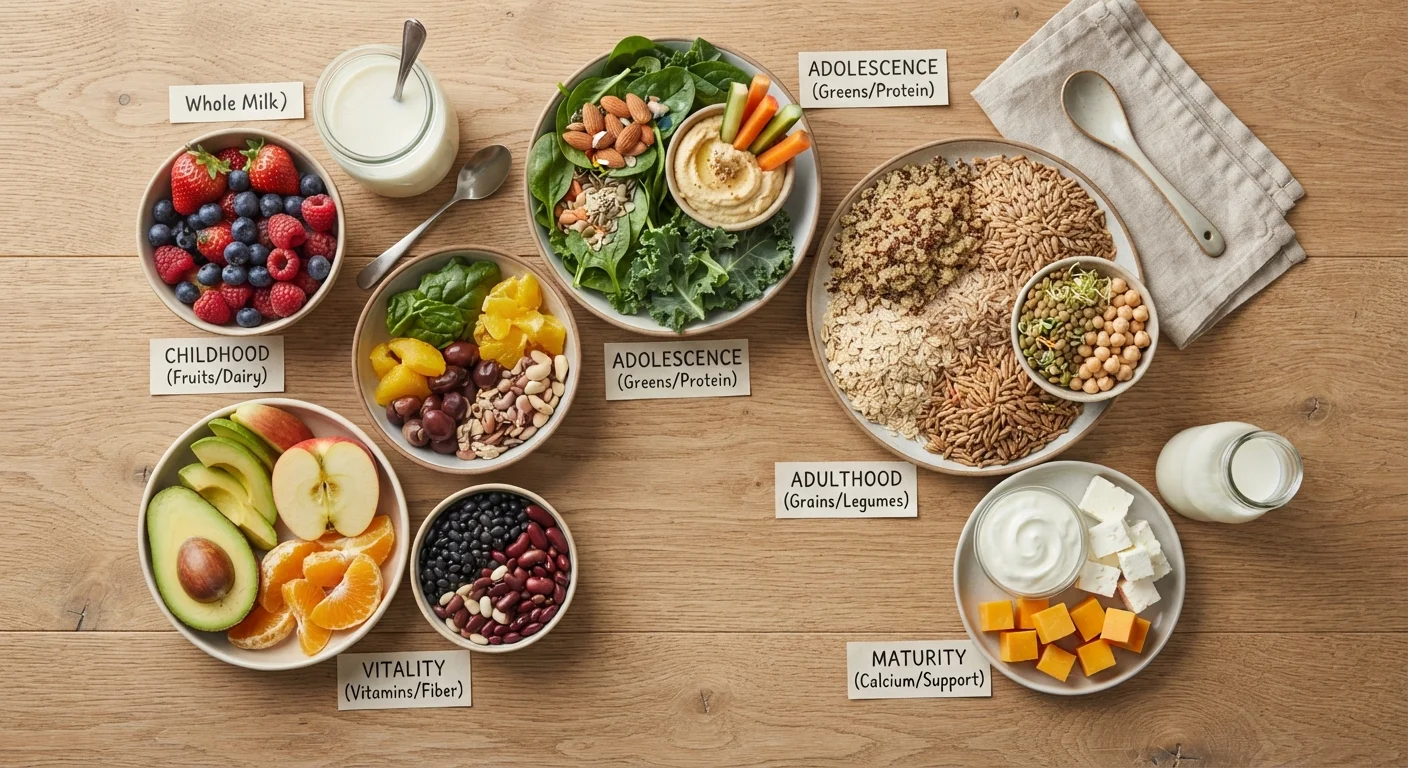
For a broader perspective on how nutritional needs shift across life stages more generally, see how nutrition science frames shifting requirements.
Key Nutritional Shifts in Senior Dogs
Several physiological changes converge as dogs age, each with implications for what they eat and how much:
- Reduced energy needs: Metabolic rate typically slows, and most senior dogs are less active. Without dietary adjustment, this can contribute to weight gain - a significant concern because excess weight places added strain on aging joints and organs.
- Protein requirements stay high: Counterintuitively, older dogs often need more digestible, high-quality protein - not less - to maintain lean muscle mass. Muscle loss (sarcopenia) is common in aging dogs and is associated with weakness and reduced quality of life. Unless a dog has specific kidney disease requiring protein restriction, reducing protein is generally not recommended.
- Phosphorus and kidney health: Kidney function commonly declines with age. While healthy senior dogs don't necessarily need a low-phosphorus diet, dogs with early or diagnosed kidney disease may benefit from controlled phosphorus intake. Your veterinarian can run bloodwork to assess kidney function and guide this decision.
- Fat and caloric density: Some senior dogs benefit from moderate fat reduction to manage weight, while others - particularly those losing weight or muscle - may need calorie-dense foods. There is no single formula; body condition scoring at regular vet visits helps calibrate this.
~80%
Dogs showing signs of arthritis by age 8
Veterinary estimates suggest the majority of dogs over age 8 show some degree of osteoarthritis, making joint-supportive nutrition increasingly relevant for senior dogs.
7 years
Typical age when senior status begins
Most veterinary guidelines classify dogs as senior around age 7, though this threshold shifts earlier for large and giant breeds.
Supporting Joint Health Through Diet
Osteoarthritis is one of the most common conditions in older dogs. While diet alone cannot reverse joint damage, certain nutrients are associated with supporting joint comfort and mobility.
Omega-3 fatty acids - particularly EPA and DHA from marine sources - have well-documented anti-inflammatory properties and are among the most studied nutrients for joint support in dogs. Many senior dog foods incorporate fish oil or other marine-derived omega-3 sources for this reason.
Glucosamine and chondroitin sulfate are commonly added to senior dog foods and joint supplements. Research on their effectiveness is mixed, but they are generally considered safe, and some dogs appear to respond positively. These compounds are naturally found in cartilage and are thought to support its integrity over time.
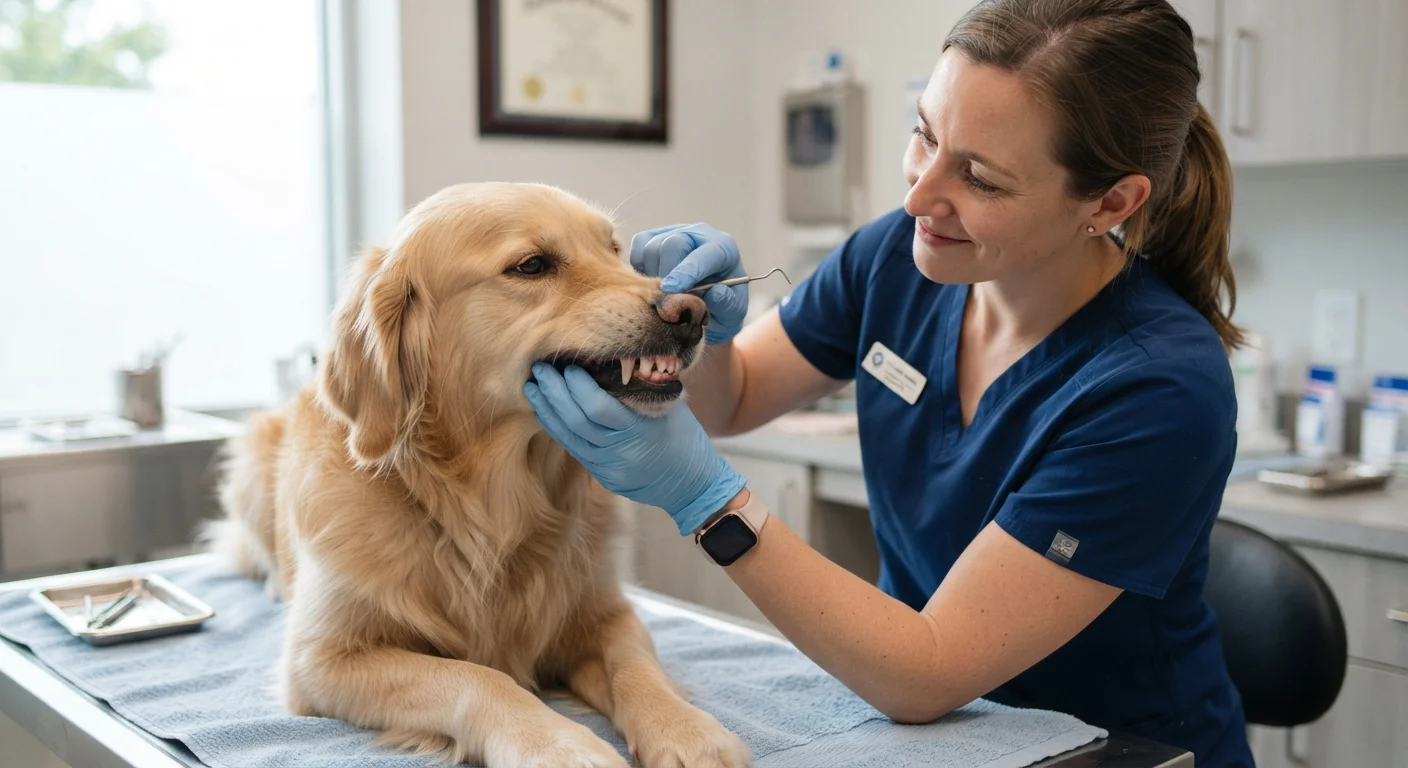
If your dog has diagnosed arthritis or mobility concerns, your veterinarian may recommend specific supplementation beyond what a commercial diet provides. This is a conversation worth having at annual wellness visits. You might also consider how dental health intersects with overall senior wellness - periodontal disease is the most common health issue in adult dogs and can affect a dog's ability and willingness to eat.
Ask Your Vet About Joint Supplement Timing
If your dog is not yet showing signs of joint discomfort, your veterinarian can advise whether introducing omega-3 supplementation or a joint-supportive formula makes sense as a proactive measure. Starting discussions early - before mobility issues are obvious - is generally more effective than waiting for symptoms to appear. A licensed veterinarian can assess your dog's individual risk factors, including breed, weight, and prior injury history.
Practical Feeding Practices for Senior Dogs
Beyond knowing what nutrients matter, how and when you feed your older dog also plays a role in their health.
Schedule a senior wellness exam before changing your dog's diet.
Bloodwork can reveal subclinical kidney disease, thyroid changes, or other conditions that directly affect the right dietary approach. Acting on general advice without this baseline can inadvertently cause harm.
Assess body condition score regularly, not just body weight.
A dog can be at an "ideal" weight while losing significant muscle mass, which is a serious concern in seniors. Body condition scoring evaluates fat and muscle coverage to give a more complete picture.
Transition to any new food gradually over 7-10 days.
Abrupt dietary changes can cause digestive upset in dogs of any age, but senior dogs - who may already have more sensitive GI systems - are particularly vulnerable to sudden transitions.
Feed measured portions rather than free-feeding.
Controlled portions help prevent gradual weight gain, which is easy to miss in a dog with a thick coat and can accelerate joint deterioration and metabolic strain.
Ensure consistent access to fresh water throughout the day.
Kidney function and hydration are closely linked, and older dogs may be at greater risk of dehydration - especially if they are less mobile or on certain medications. Adequate water intake supports kidney health and overall organ function.
When evaluating food options, understanding ingredient and label terminology helps. Our guide to key nutrition terms covers concepts like fiber content and ingredient fortification that apply across species. For dogs specifically, the ongoing discussion around diet formulation is worth exploring - see what the research says about grain-free vs. grain-inclusive dog food and a balanced look at raw vs. commercial kibble for context on the broader diet choices available.
This article provides general educational information about dog nutrition and is not a substitute for personalized veterinary advice. Always consult a licensed veterinarian before making significant changes to your dog's diet, particularly if your dog has an existing health condition.