The Gaps Between the Highlights
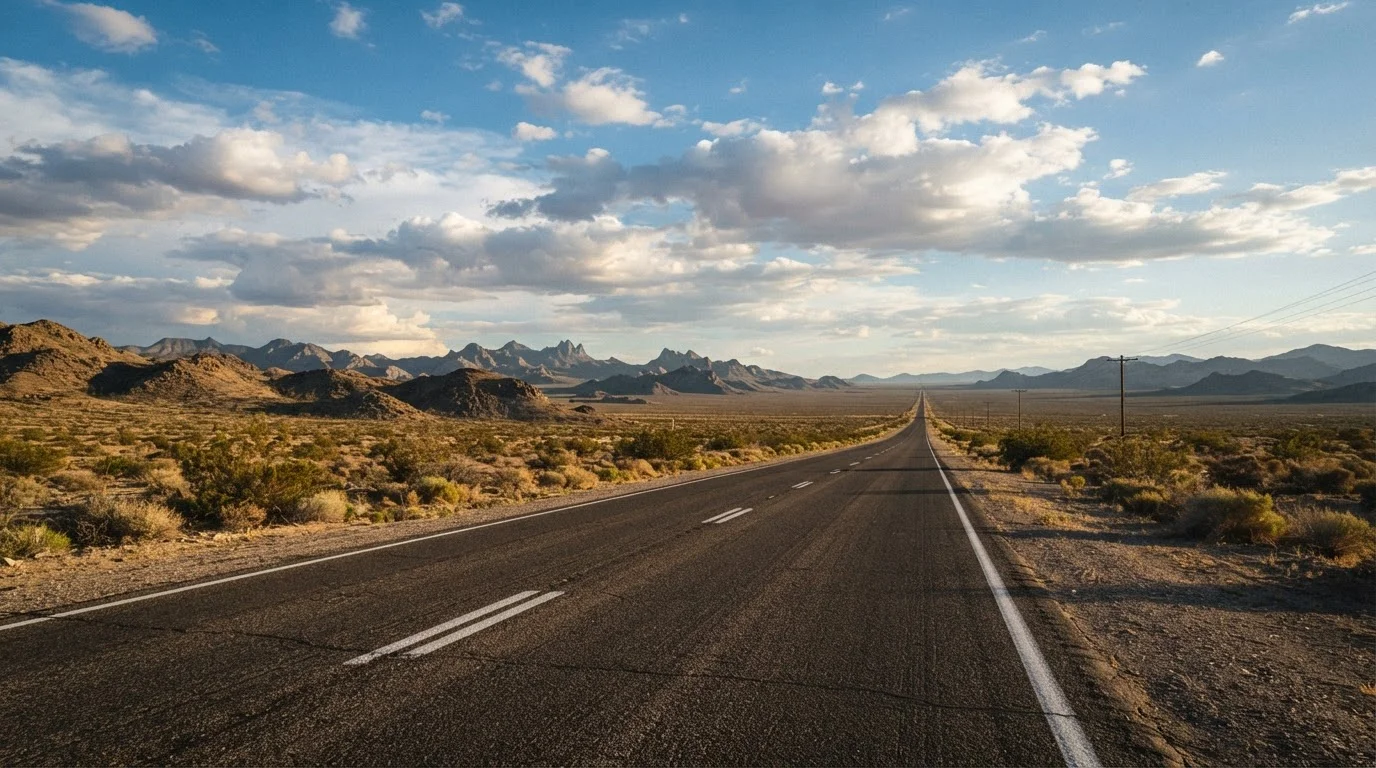
Every road trip looks spectacular in the recap photos. What those photos skip is the 200-mile stretch of Nevada highway where your phone lost signal, the gas gauge crept toward empty, and the next town turned out to be three buildings and a closed diner. That's not a horror story - it's just the reality of driving a country this size, and being ready for it is the difference between an adventure and an ordeal.
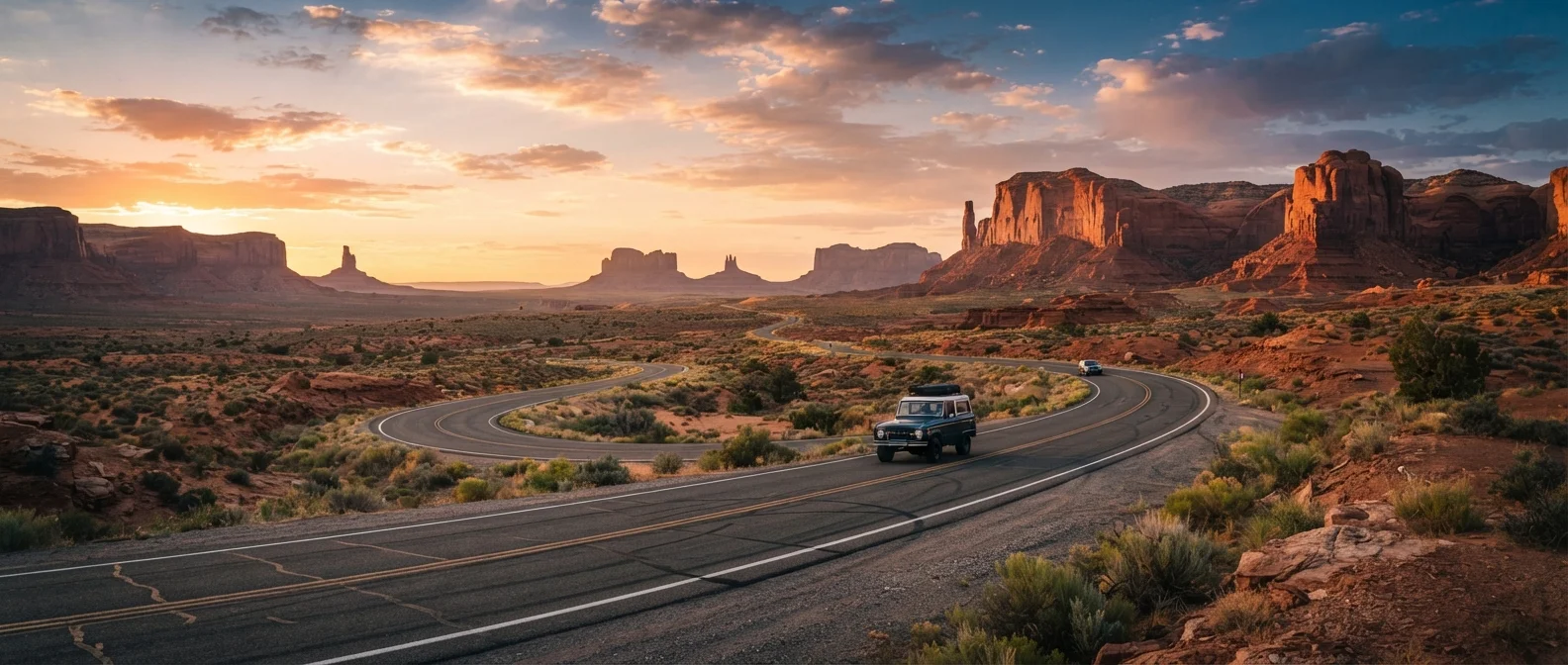
Whether you're eyeing iconic routes like Route 66 or the Pacific Coast Highway or something more off the beaten path, the mistakes below catch first-timers with surprising regularity. Fix them before you leave, and the road opens up completely.
Assuming gas stations are everywhere.
Why it happens: Urban driving conditions most people's intuition - in cities, a station is never more than a few minutes away. That intuition fails completely in the rural West and Great Plains.
Over-scheduling every day with back-to-back stops.
Why it happens: Planning is exciting, and it's easy to look at a map and underestimate both drive times and the simple desire to linger somewhere unexpectedly beautiful.
Ignoring regional weather and terrain differences.
Why it happens: Travelers check a single forecast for their destination city but overlook the mountain passes, desert valleys, or coastal fog they'll drive through to get there.
Showing up to national parks without a reservation.
Why it happens: Many popular parks, including Glacier, Zion, and Rocky Mountain, have shifted to timed-entry permit systems that aren't widely publicized to casual travelers.
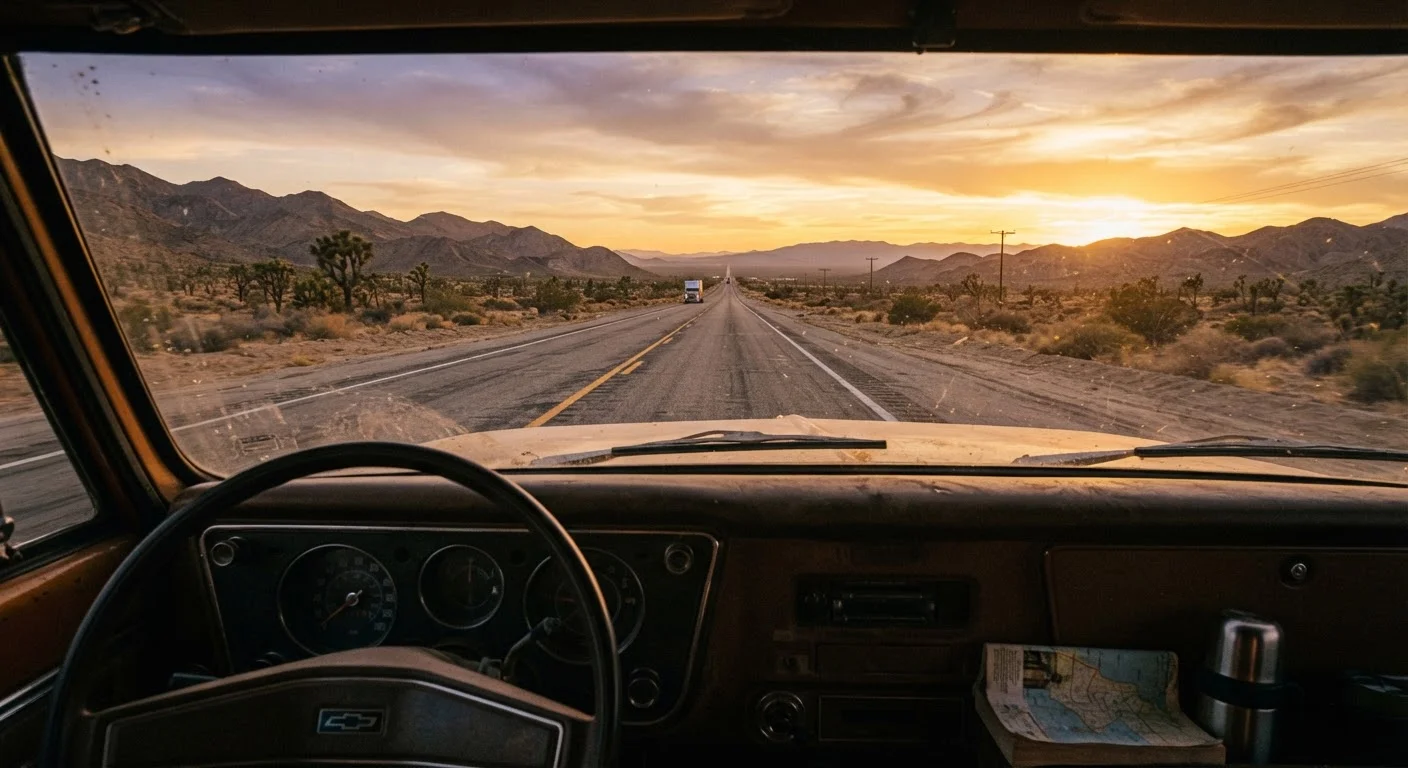
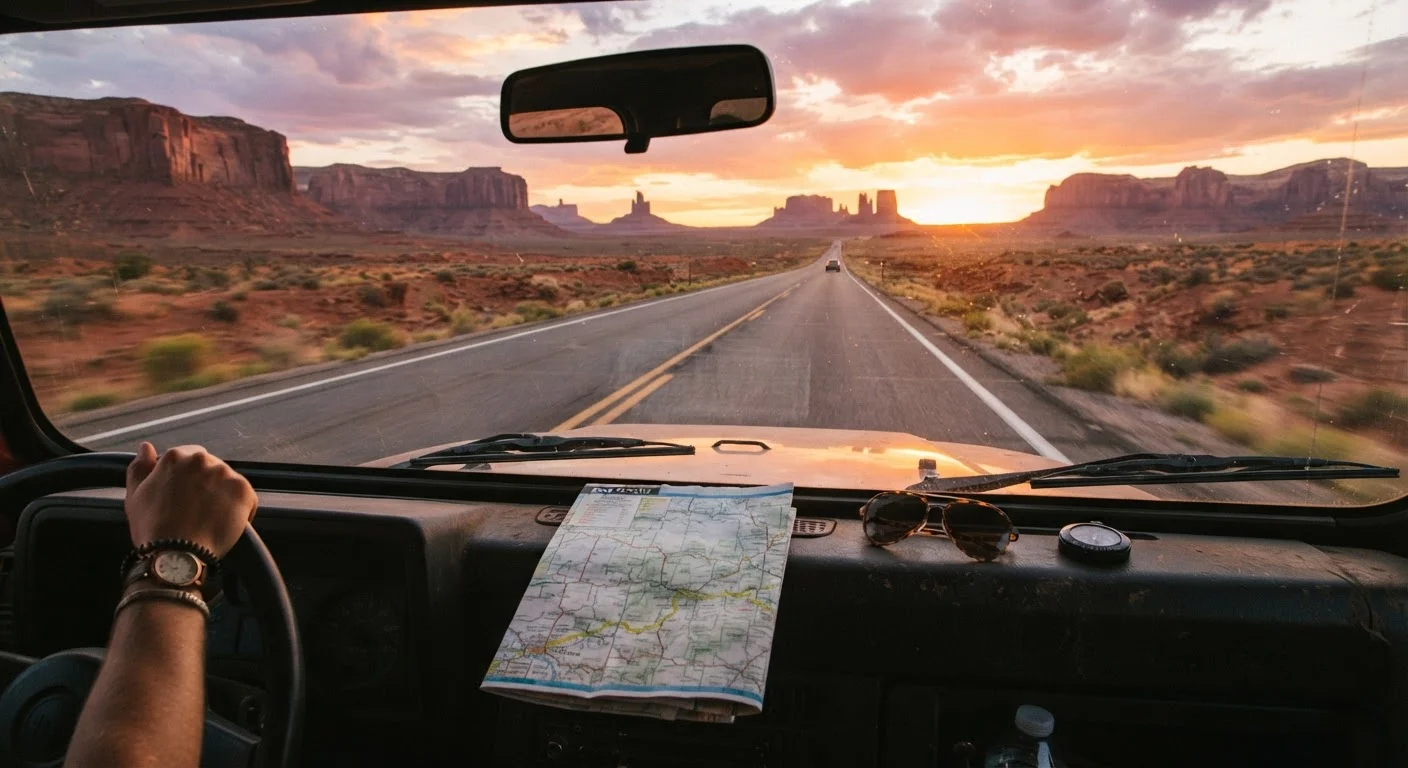
Relying entirely on phone GPS with no backup.
Why it happens: Smartphones handle navigation so reliably in everyday life that travelers forget how frequently scenic and rural routes fall into extended dead zones.
Packing as if the car has unlimited space.
Why it happens: Without a clear packing strategy, every 'just in case' item makes the cut, and you end up with a car so loaded that accessing anything mid-trip becomes a chore.
The Planning Traps That Derail Good Trips
Most road trip regrets don't happen on the road - they're baked into the planning phase weeks earlier. Two errors show up again and again: itineraries crammed with stops that assume zero traffic, construction, or spontaneous detours, and budgets that account for fuel but forget the compounding costs of food, fees, and unexpected overnight stays.
Underestimating Daily Drive Time Costs You the Trip
A mapping app shows drive time under ideal conditions. Factor in fuel stops, meal breaks, and slower speeds through mountain or construction zones, and a '6-hour drive' often runs 8 or 9 hours of real day. Scheduling four stops after a long drive day is a reliable path to exhaustion. Be conservative with mileage targets, especially in the first few days when the rhythm of the road is still new.
For a grounded look at what a road trip actually costs across fuel, lodging, and meals, the full picture on US road trip costs is worth reading before you finalize any budget. And if this is your first time organizing a long drive, planning your first US road trip walks through the entire process calmly and practically.
Navigation overconfidence is another silent trip-killer. GPS apps are excellent - until they're not. Dead zones on scenic routes like US-89 through Arizona or Highway 2 in Montana are common and lengthy. What still catches drivers out with smartphone navigation explains how experienced travelers supplement digital tools so a lost signal doesn't mean a lost afternoon.
Dead Zones Are Not Edge Cases
On many of the most scenic routes in the US - portions of Highway 50 in Nevada, the Going-to-the-Sun Road in Montana, and long stretches of US-191 - cellular coverage is either unreliable or absent for extended periods. This affects navigation, emergency calls, and payment systems at rural gas stations. Treat offline preparation as essential, not optional, before leaving for any rural or mountainous leg of your trip.
Getting the logistics right pays off in freedom. When fuel, navigation, and daily mileage are realistic, the rest of the trip can breathe - which is exactly what a good road trip should do.