Breaking Down the Numbers: What Each Part of the Grade Means
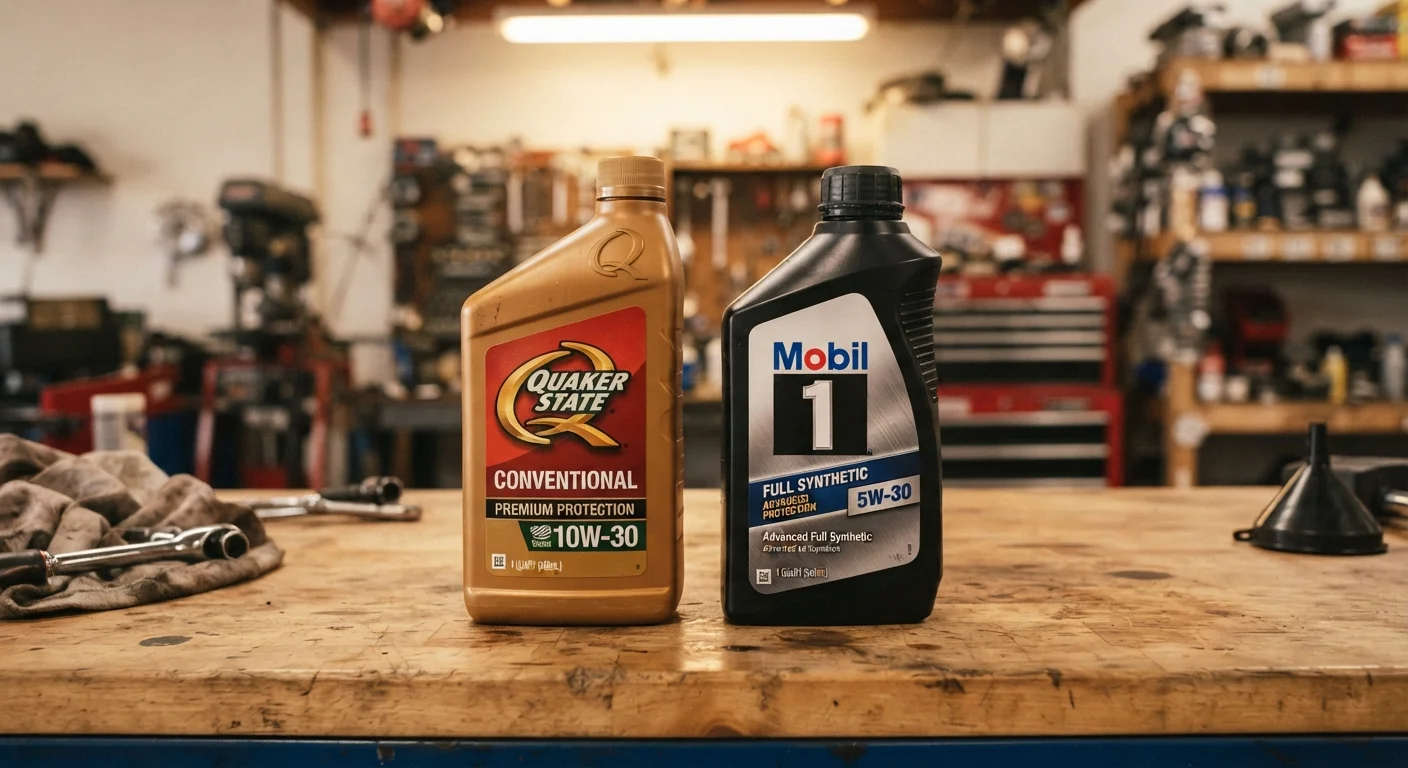
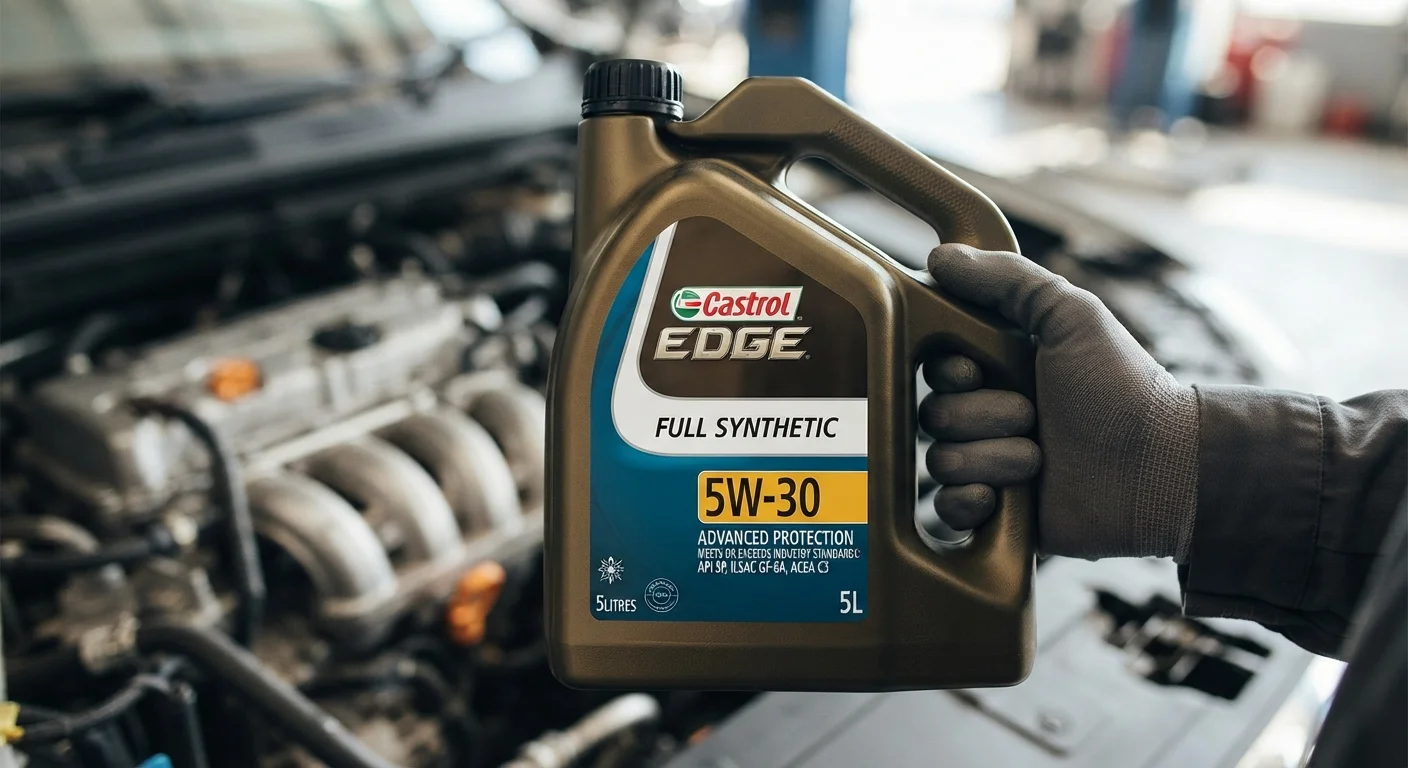
Pick up any motor oil bottle and you'll see a code like 5W-30 or 0W-20. These aren't arbitrary - they're SAE viscosity grades that communicate exactly how the oil will behave inside your engine under different temperature conditions.
The number before the 'W' is the cold-temperature rating. 'W' stands for winter, and a lower number here means the oil stays fluid in colder conditions, reaching critical engine components faster at startup. A 0W oil flows more readily in freezing temperatures than a 10W oil.
The number after the 'W' is the high-temperature rating - measured when your engine is fully warmed up to its normal operating range. A higher number here means thicker oil that maintains a stronger protective film between moving metal parts when heat is at its peak. A 30-grade oil is thinner at operating temperature than a 50-grade oil.
Together, these two numbers describe a multi-grade oil - one product engineered to perform well across a wide temperature range, replacing the old need to use different single-grade oils for summer and winter driving.
“Viscosity is the single most important property of a lubricating oil. Getting it right for the application determines whether an engine runs for 300,000 miles or 30,000.”
— SAE International Technical Committee, Standards body for automotive engineering specifications
Why Viscosity Matters for Engine Health
Engine oil serves as a protective film between metal surfaces that would otherwise grind against each other at high speed. Viscosity - the oil's resistance to flow - determines how well that film holds up under pressure and heat.
If oil is too thin at operating temperature, the film can break down, allowing metal-to-metal contact and accelerated wear. If oil is too thick, it won't circulate fast enough when you first start a cold engine - and most engine wear happens in those first few seconds before oil pressure builds fully.
This is why matching the grade to your engine's design matters. Automakers engineer oil passages, clearances, and tolerances around a specific viscosity range. Deviating from the recommended grade - even by one step - can subtly undermine the engine's protective design.
Always Check Your Owner's Manual First
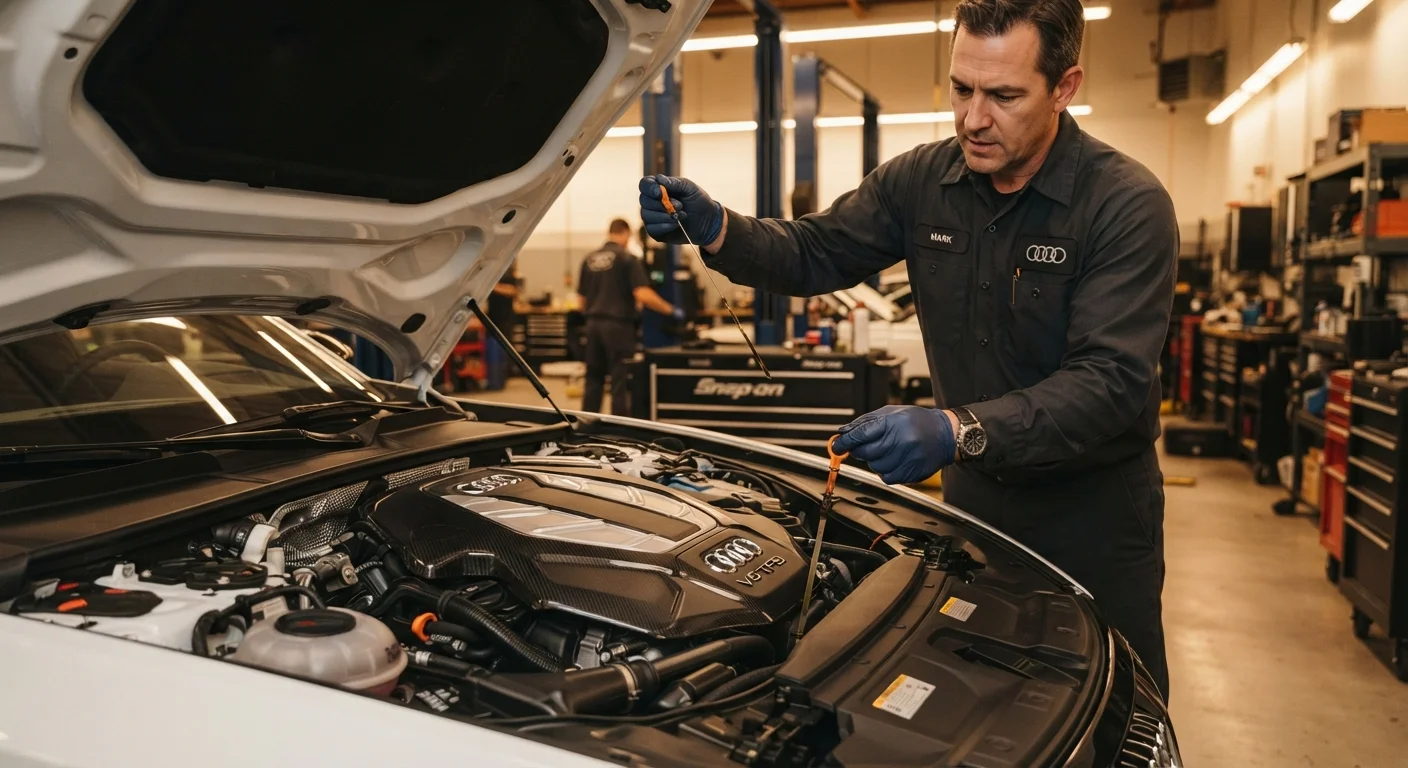
Before purchasing any motor oil, open your owner's manual to the maintenance section and look up the manufacturer's specified viscosity grade. This single step eliminates guesswork and ensures your engine gets exactly what it was designed to run on. If you no longer have your manual, most automakers publish this information on their official websites or through dealerships.
How to Find the Right Grade for Your Vehicle
The single most reliable source for the correct oil grade is your vehicle's owner's manual. Automakers test extensively to determine which viscosity grade optimizes both protection and efficiency for each engine. The recommended grade is often printed on the oil filler cap as well.
Climate can be a secondary consideration. In regions with extremely cold winters, an oil with a lower 'W' rating - such as 0W or 5W - helps ensure reliable cold starts. In consistently hot climates, the high-temperature rating becomes especially important.
~22%
Engine wear occurs at cold startup
Engineering studies have long estimated that a significant share of engine wear happens in the first moments after a cold start, before oil pressure fully builds - underscoring the importance of proper cold-flow viscosity.
1-3%
Potential fuel economy gain from correct viscosity
The U.S. Department of Energy has noted that using the manufacturer-recommended motor oil grade can improve fuel economy by roughly 1-2%, with some estimates reaching 3% compared to heavier-than-specified oils.
Once you know your correct grade, the next decision is whether to use conventional or synthetic oil - a question covered in depth in our article on conventional vs. synthetic motor oil. Engine oil selection is just one piece of broader vehicle care; see how it fits into the complete vehicle maintenance overview for a fuller picture.