The Case for DIY: Where It Genuinely Makes Sense
A surprising number of routine maintenance items require no specialized training, no lift, and no diagnostic equipment - just the right part, a basic tool or two, and a few minutes of attention. For these tasks, doing it yourself is a reasonable, cost-effective choice that also keeps you more informed about your vehicle's condition.
Reduces routine labor costs meaningfully
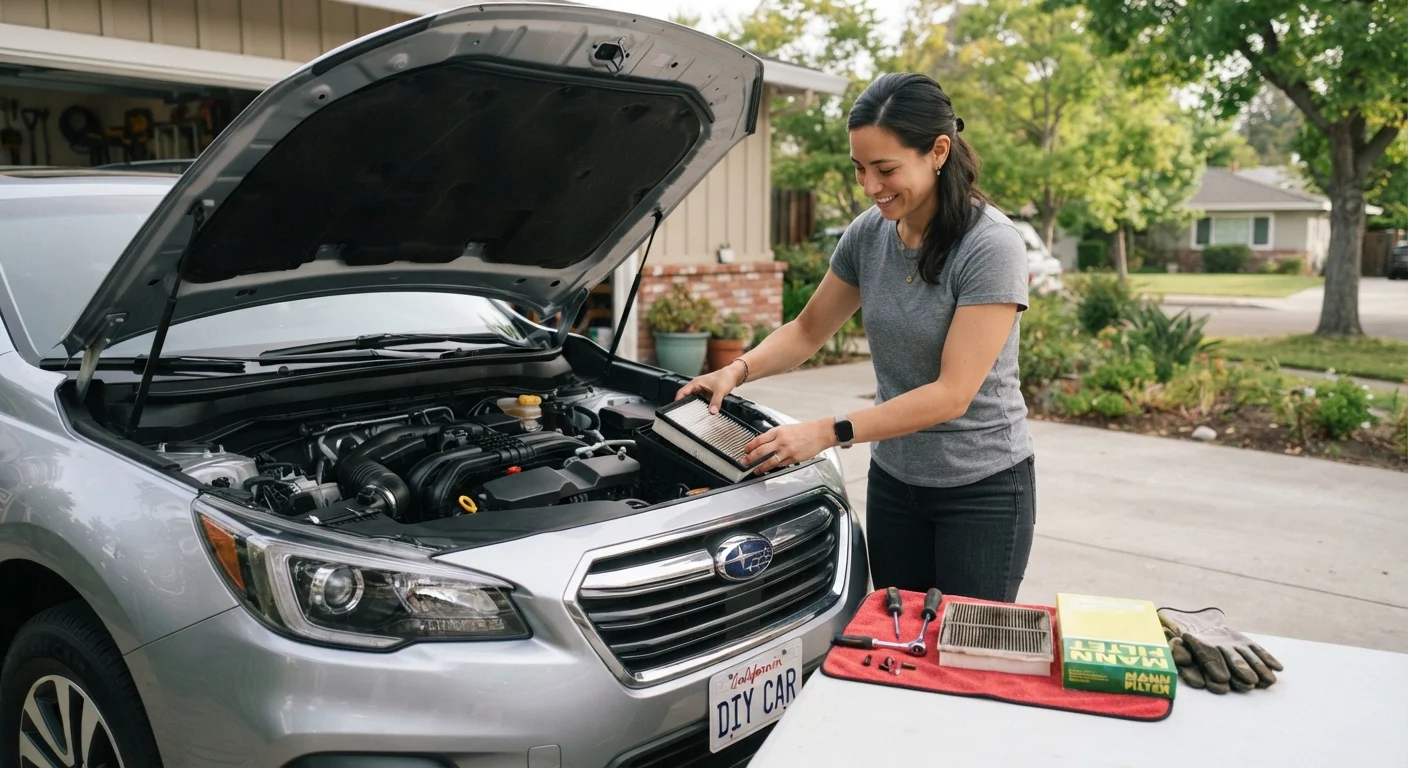
Simple tasks like air filter swaps and wiper blade replacements carry significant labor markups at shops. Handling these yourself cuts that cost entirely while the parts themselves remain inexpensive.
Builds genuine familiarity with your vehicle
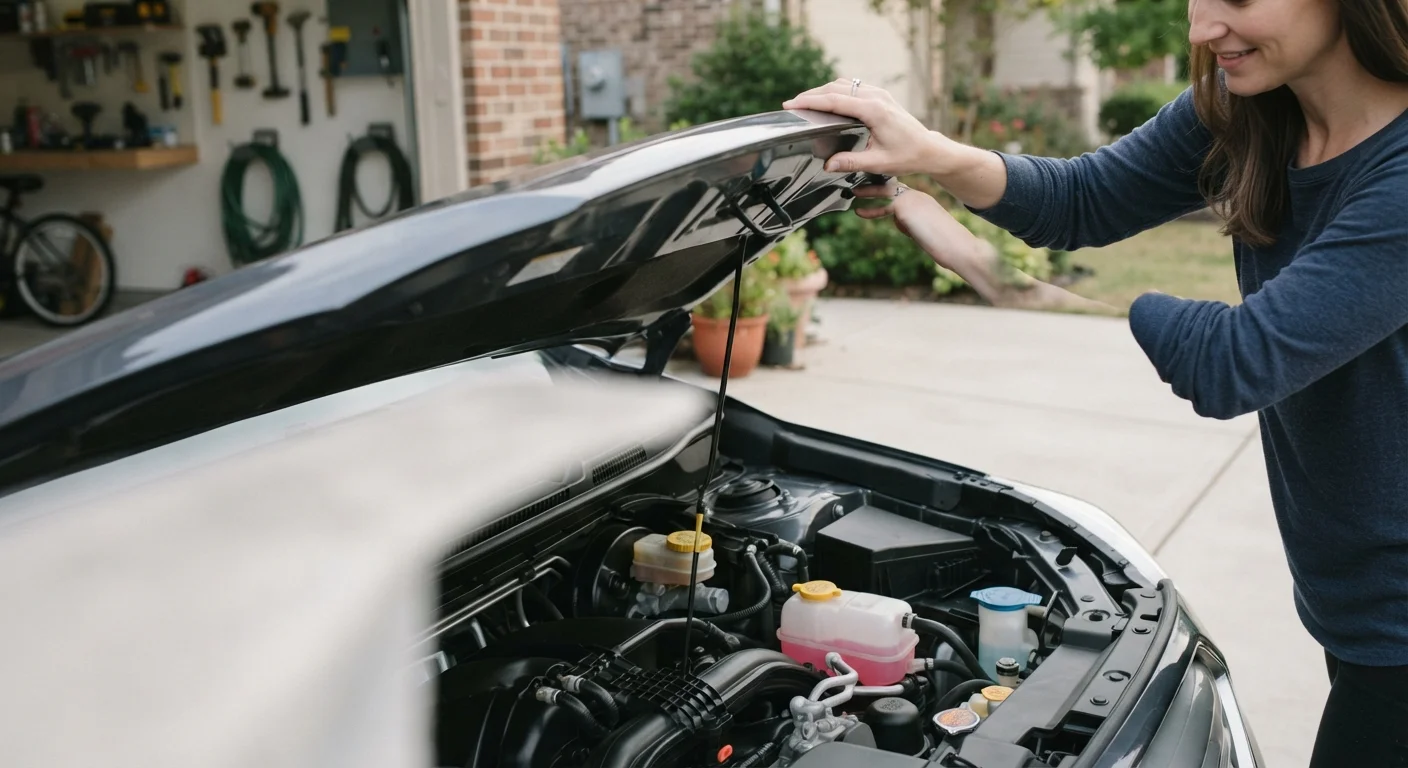
Opening the hood regularly and performing basic checks makes it easier to notice when something looks or smells wrong. Early detection of developing issues is one of the most underrated benefits of hands-on maintenance.
Tasks can be done on your own schedule
DIY maintenance doesn't require an appointment, a drop-off, or waiting room time. For straightforward jobs, this flexibility alone is a meaningful quality-of-life advantage.
Owner's manuals make many tasks accessible
Manufacturers design common service items to be owner-replaceable and provide clear guidance in the vehicle's documentation, reducing the barrier for drivers willing to follow instructions carefully.
Tasks that fall comfortably into the DIY category include replacing engine air filters and cabin air filters, swapping out wiper blades, checking and topping off fluids, and changing burned-out exterior bulbs on most vehicles. These jobs are designed to be accessible - many manufacturers publish instructions in the owner's manual specifically so drivers can handle them between service visits. For a detailed walkthrough of fluid checks, see our guide on checking and topping off your car's fluids at home.
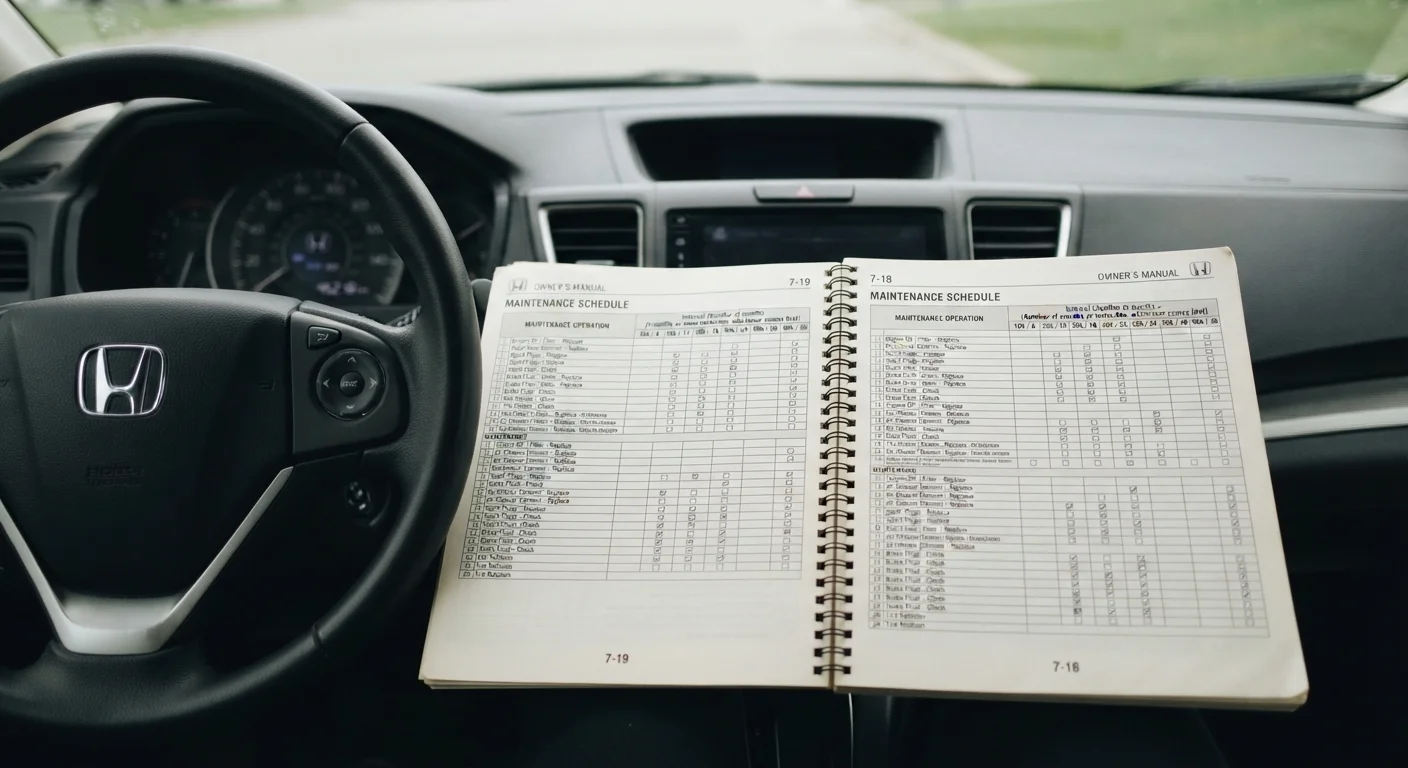
Battery replacement is another task many drivers can manage themselves, though it's worth noting that some modern vehicles with complex electrical systems may require a professional to reset certain modules after a battery swap - check your owner's manual first. Speaking of which, your manual's maintenance schedule is the most reliable source for what your specific vehicle needs; our article on reading your owner's manual explains how to use it effectively.
Where DIY Becomes Dangerous: Tasks to Leave to Professionals
The appeal of handling more complex repairs yourself is understandable - labor costs add up, and video tutorials make procedures look deceptively simple. But certain systems carry consequences that go well beyond a failed repair: they can create genuine safety hazards for you, your passengers, and other drivers.
Mistakes on safety systems carry serious consequences
Errors involving brakes, steering, or suspension don't just damage the car - they can cause accidents. Unlike a cosmetic mistake, a brake line improperly fitted may not reveal itself until a critical moment.
Some repairs require tools most drivers don't own
Torque wrenches, OBD-II scanners, brake bleeding kits, and alignment equipment represent upfront costs that often exceed the labor savings for infrequent repairs. Improvising with the wrong tools increases risk substantially.
Incorrect work can void warranty coverage
On newer vehicles, certain repairs performed outside an authorized facility or without approved parts may have implications for warranty claims. Verifying this with your vehicle documentation before starting is important.
Complex systems require verified results, not just completion
A professional doesn't just perform a repair - they test and verify the outcome with calibrated equipment. DIY work on systems like brakes or fuel lines lacks that verification layer, which matters when the margin for error is zero.
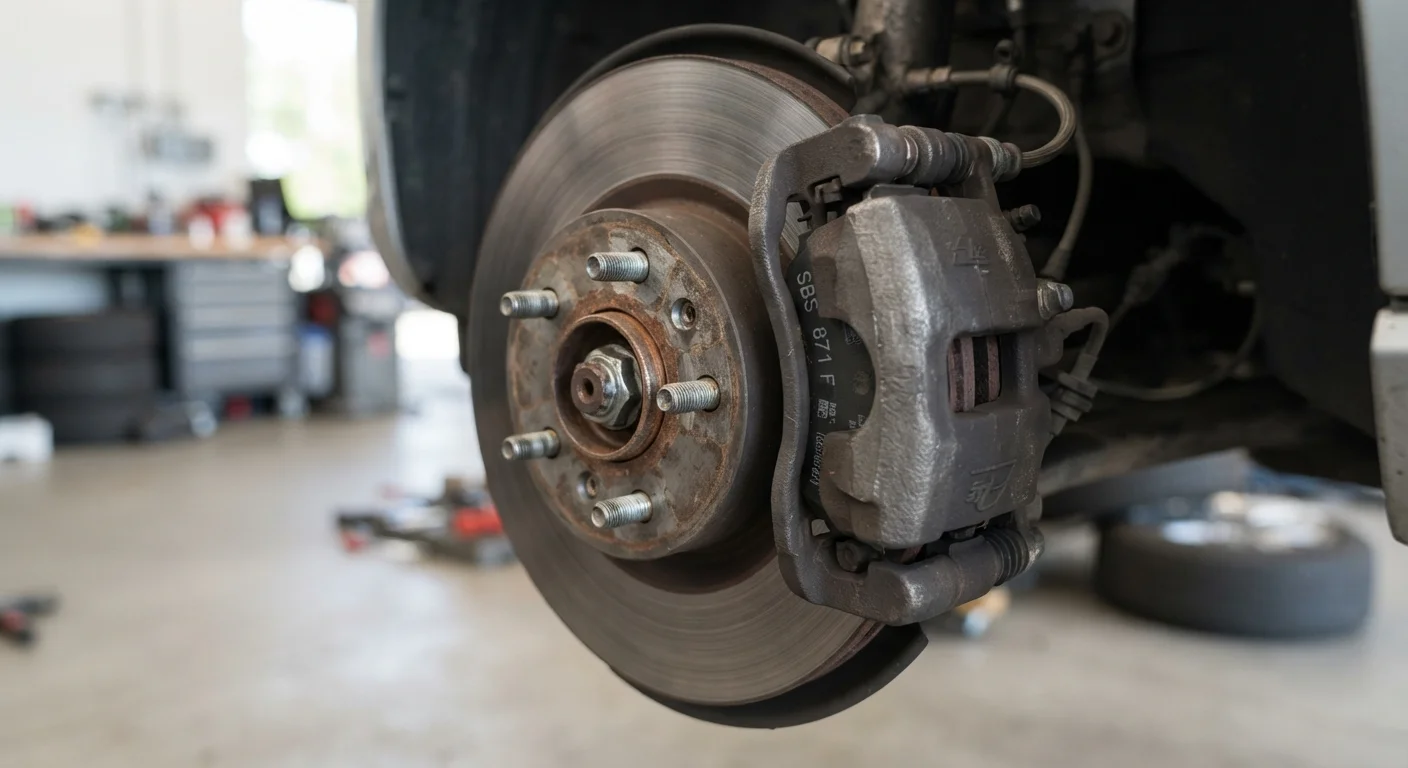
Brake system work - including replacing brake lines, bleeding hydraulic systems, or servicing calipers - demands precision and verification that's very difficult without professional tools. A brake failure at highway speed is not a recoverable situation. If you're hearing noise from your brakes, our article on why your brakes are squealing explains what the sounds typically mean and when professional inspection is non-negotiable.
Suspension and steering components affect how your car handles in emergency maneuvers - incorrectly installed parts may not show any problem until the moment you need the system most. Airbag systems (supplemental restraint systems, or SRS) carry the additional risk of accidental deployment, which can cause serious injury even when the vehicle is stationary. These are not areas where trial and error is acceptable.
When In Doubt, Consult Before You Start
If you're unsure whether a task is within your skill level, most independent mechanics will give you an honest assessment for free or a small diagnostic fee. Many community auto shops and vocational programs also offer supervised DIY bays where you can work on your own vehicle with expert guidance available. Starting a job you can't safely finish is riskier than not starting it at all.
Wheel-related services like tire rotation, balancing, and alignment are also best left to shops with the correct equipment. Improper torque on lug nuts or incorrect alignment angles can cause tire wear, handling problems, or wheel separation. See our guide on tire rotation, balancing, and alignment for a clear breakdown of what each service actually does.
How to Build a Sensible DIY Maintenance Habit
The most effective approach isn't an all-or-nothing stance - it's a clear-eyed assessment of what you can handle safely and what genuinely requires professional expertise. A few principles help draw that line.
~$100
Typical labor cost saved on an air filter swap
Independent repair shop surveys consistently show that air filter replacement - a task taking under 10 minutes - carries labor charges that dwarf the cost of the filter itself.
Top cause
Brake failure as a factor in serious vehicle crashes
The National Highway Traffic Safety Administration (NHTSA) identifies brake-related issues among the leading vehicle-system factors in crash investigations, underscoring why brake work demands professional verification.
Start with your owner's manual. Every vehicle has a manufacturer-specified maintenance schedule that lists what needs servicing and at what intervals. Tasks listed as owner-serviceable are typically your DIY candidates. Tasks that require alignment equipment, pressure testing, or specialty software to verify are not. The complete vehicle maintenance overview covers the full scope of what scheduled care involves across a vehicle's lifetime.
Factor in total cost honestly. DIY saves on labor but requires purchasing tools, and a mistake can cost more to fix than the original professional service would have. For routine, repeatable tasks - air filters, wiper blades, fluid top-offs - the math usually favors doing it yourself. For one-time or complex repairs, it often doesn't.
Keep records of everything. Whether you do a job yourself or take the car to a shop, documenting what was done and when protects you at resale and helps you track patterns. The habit of good record-keeping is one of the most underrated parts of long-term vehicle care - something explored further in our guide on keeping a car running well for the long haul.
Ultimately, knowing your limits isn't a weakness - it's what separates drivers who maintain their vehicles well from those who accidentally compromise them. DIY done right, within the right boundaries, is a genuinely smart way to stay on top of your car's health. Safety-critical repairs done incorrectly, however, can affect everyone on the road.