Why a Maintenance Routine Matters
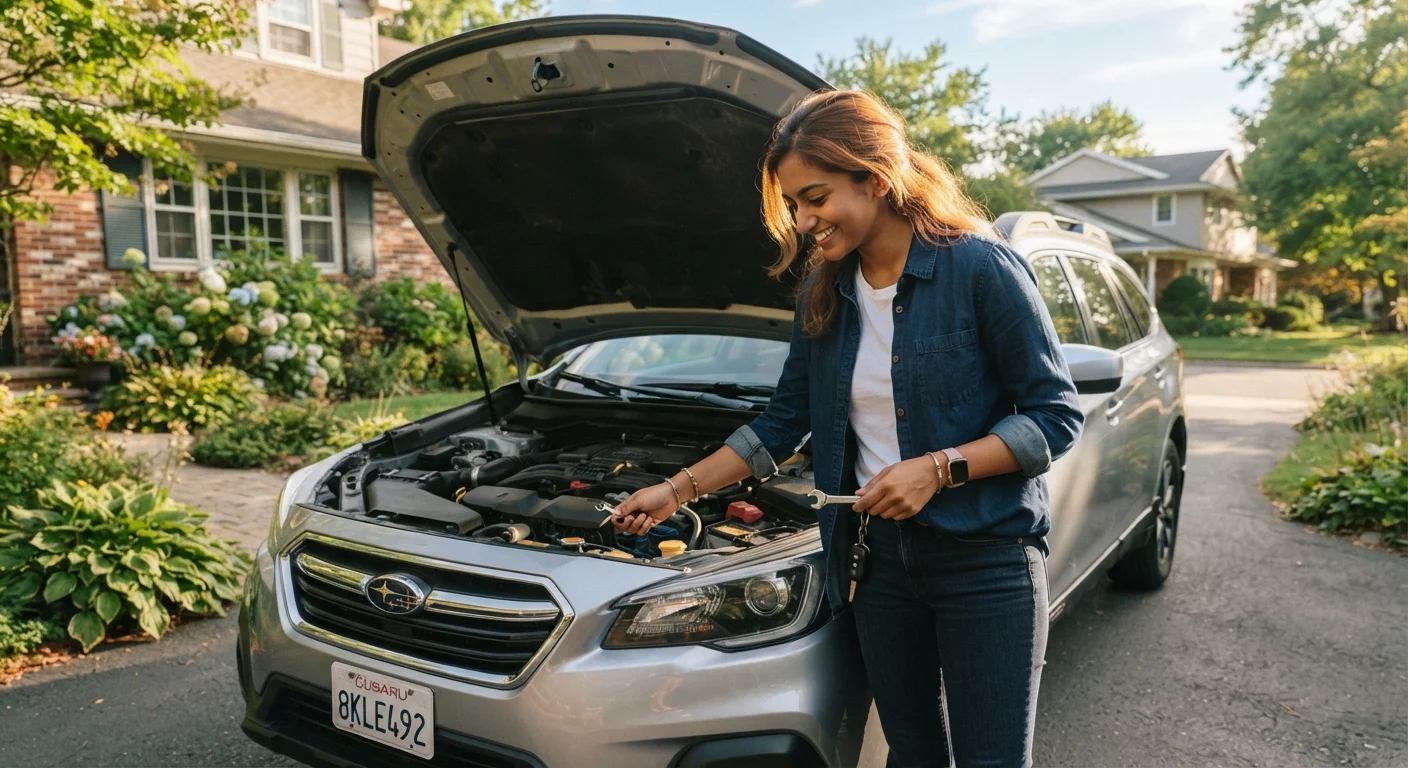
A car is a system of interdependent components - and each one ages on its own timeline. Neglecting one area rarely stays isolated; a low coolant level stresses the water pump, worn brake pads score rotors, and a clogged air filter reduces fuel efficiency across the board. Maintenance is the discipline of staying ahead of that cascade.
For everyday drivers, that doesn't mean becoming a mechanic. It means knowing what your car needs, roughly when it needs it, and what warning signs to recognize. New drivers especially benefit from understanding these fundamentals early, before deferred maintenance quietly stacks up into expensive repairs.
The sections below cover every major maintenance category - fluids, tires, brakes, belts, filters, and service milestones - so you have one coherent reference to return to throughout your ownership.
$1,200+
Average annual vehicle maintenance cost per U.S. driver
According to AAA's annual Your Driving Costs study, maintenance, tires, and repairs represent a significant share of total vehicle ownership expense.
4/32"
Recommended minimum tire tread depth for safe wet braking
Safety researchers and tire industry standards suggest replacing tires at 4/32" rather than waiting for the legal 2/32" minimum.
~1 PSI
Tire pressure lost per month under normal conditions
The U.S. Department of Energy notes that properly inflated tires improve fuel economy and reduce premature wear.
Essential Fluids: What They Do and When to Change Them
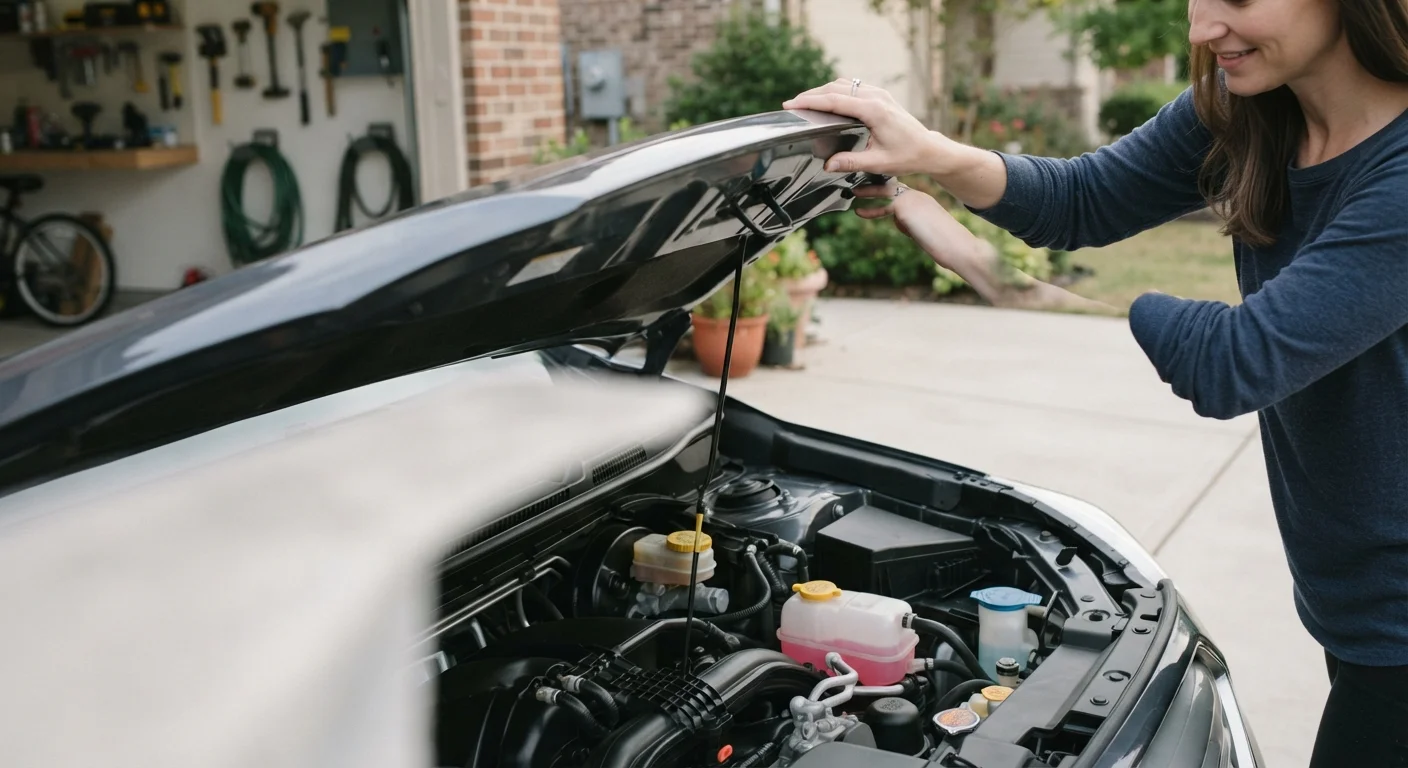
Your vehicle relies on six primary fluids, each serving a distinct mechanical or safety function:
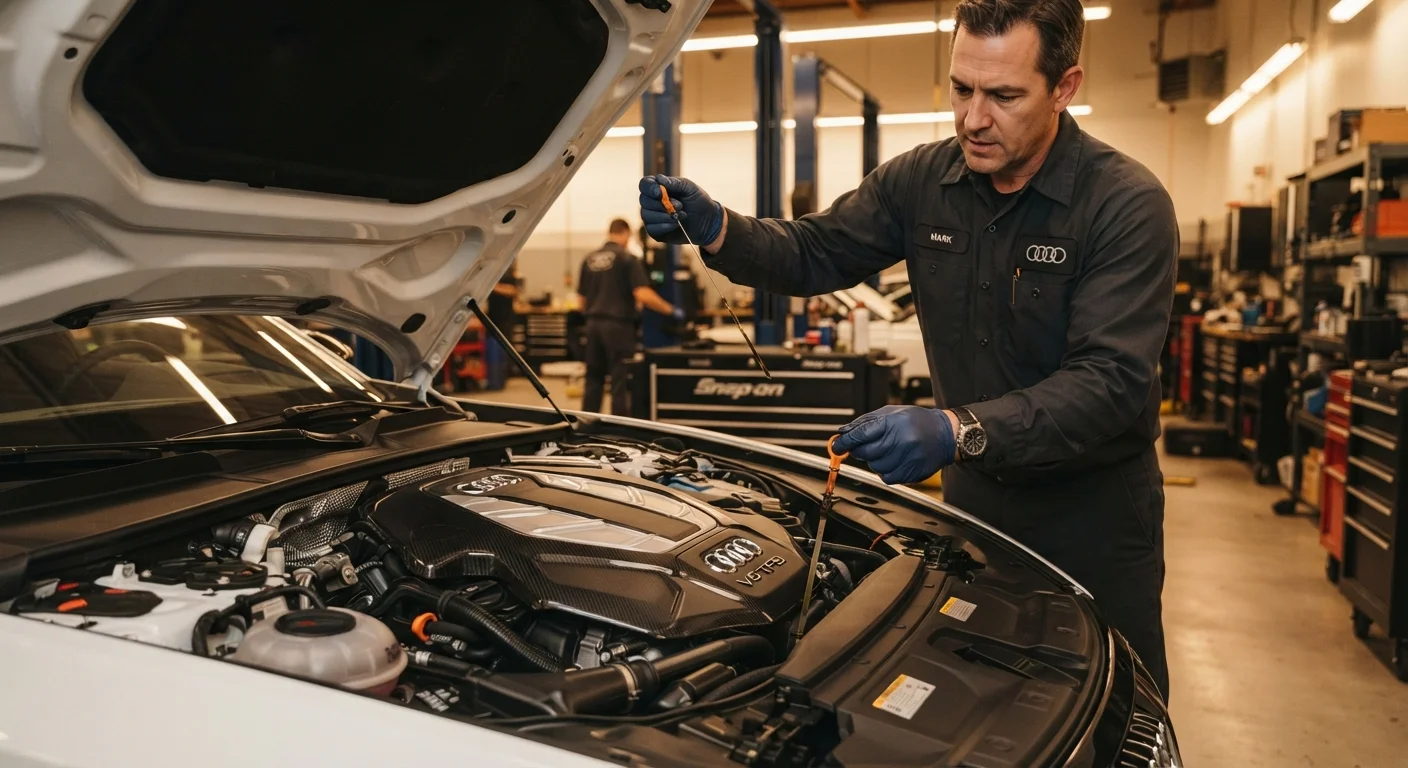
- Engine oil lubricates moving parts and carries away heat. Conventional oil typically requires changes every 3,000-5,000 miles; full-synthetic formulations often last 7,500-10,000 miles or more. Always defer to your owner's manual interval over generic estimates.
- Coolant (antifreeze) regulates engine temperature. Most manufacturers recommend flushing and replacing it every 30,000-50,000 miles, though extended-life coolants can go longer.
- Brake fluid transmits hydraulic pressure to your calipers. It absorbs moisture over time, which lowers its boiling point. Many manufacturers suggest replacement every 2-3 years regardless of mileage.
- Transmission fluid keeps automatic or manual gearboxes shifting smoothly. Intervals vary widely - from 30,000 miles in older designs to 100,000+ miles in sealed modern units. Check your manual.
- Power steering fluid (where applicable) and windshield washer fluid round out the routine checks you can perform at home.
For a hands-on walkthrough of inspecting and topping off each of these, see our guide to checking your car's fluids at home.
Check your oil level when the engine is cold and the car is on level ground - this gives you the most accurate dipstick reading and prevents burns from a hot engine.
Oil expands with heat and can coat the dipstick unevenly when warm, leading to a falsely high reading that masks a genuine low-oil condition.
When in doubt about a fluid's condition, compare its color to a fresh sample: darkened or murky fluid is a reliable signal that a change is due regardless of mileage.
Visual inspection catches degradation that mileage counters can miss, particularly in vehicles used for short trips or in extreme temperatures where fluids degrade faster than the odometer suggests.
Tires: Rotation, Pressure, and Tread Depth
Tires are your car's only contact with the road, making their condition directly tied to both fuel economy and safety. Three habits cover most of your tire maintenance needs:
- Check pressure monthly. Tires lose roughly 1 PSI per month under normal conditions, and more in cold weather. Under-inflated tires wear unevenly and reduce fuel efficiency. The correct pressure is on the sticker inside your driver's door jamb - not on the tire sidewall.
- Rotate every 5,000-7,500 miles. Front tires carry more load and wear faster on most front-wheel-drive vehicles. Rotating them extends the life of the full set and promotes even tread wear.
- Monitor tread depth. The legal minimum in most U.S. states is 2/32 of an inch, measured using the penny test (Lincoln's head disappearing into the tread). Safety advocates generally recommend replacing tires at 4/32 to maintain adequate wet-road grip.
Don't Rely on the Tire's Sidewall Pressure
The PSI number printed on a tire's sidewall is the maximum pressure the tire can hold - not the recommended operating pressure for your vehicle. Always use the pressure listed on the sticker inside your driver's door jamb or in your owner's manual. Overinflating tires reduces traction and makes them more vulnerable to impact damage.
Brakes, Belts, and Filters
Brakes: Brake pads typically last 25,000-65,000 miles depending on driving style, pad material, and vehicle weight. Listen for squealing (a wear indicator engaging) or grinding (metal-on-metal contact requiring immediate attention). Have pads and rotors inspected at every tire rotation - a simple visual check catches problems early.
Timing belt or chain: If your engine uses a timing belt (rather than a chain), replacing it at the manufacturer's specified interval - commonly between 60,000 and 100,000 miles - is non-negotiable. A snapped timing belt can cause catastrophic engine damage. Chains are generally maintenance-free but should be inspected if you hear rattling on startup.
Serpentine belt: This single belt drives the alternator, power steering pump, and air conditioning compressor. Replacement is typically recommended every 60,000-100,000 miles or when cracking or fraying is visible.
Air filter: A clogged engine air filter restricts airflow and reduces combustion efficiency. Most manufacturers suggest replacement every 15,000-30,000 miles, though dusty environments accelerate wear. Cabin air filters, which protect the HVAC system, typically follow a similar interval and are usually a straightforward DIY replacement.
Major Scheduled Service Milestones
Beyond individual components, vehicles have broader service milestones that consolidate several checks into one visit. These commonly fall around:
| Mileage Milestone | Typical Services Included |
|---|---|
| 30,000 miles | Air filter, fuel filter (some vehicles), tire rotation, brake inspection, fluid top-offs |
| 60,000 miles | Spark plugs (standard), serpentine belt inspection, coolant flush, transmission fluid (many vehicles) |
| 90,000-100,000 miles | Timing belt replacement (if applicable), spark plugs (iridium/platinum), full fluid replacement cycle |
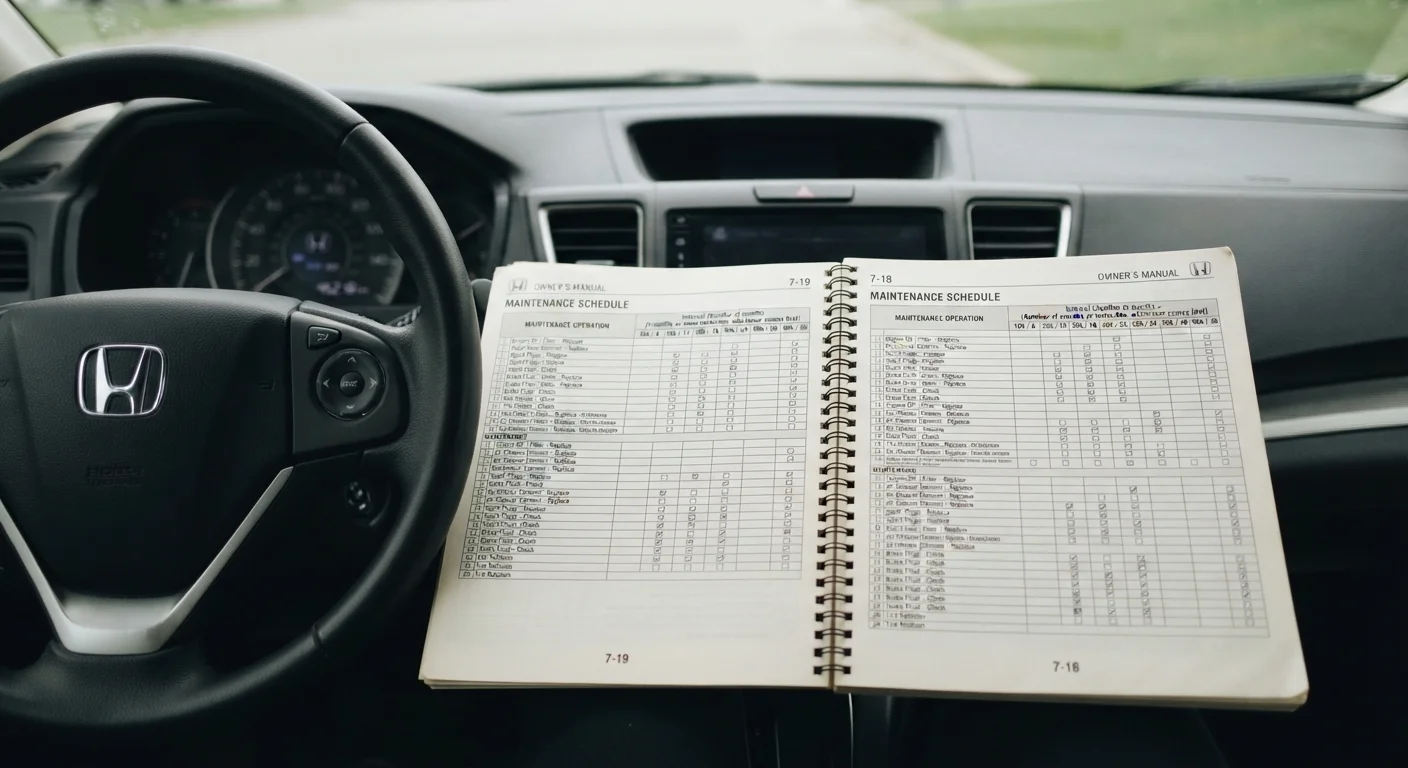
These are general benchmarks. Your manufacturer's schedule - found in the owner's manual - takes precedence. Reading your owner's manual carefully reveals the exact intervals engineered for your drivetrain. Following them is the most defensible approach to protecting your powertrain warranty and long-term reliability.
Timing Belt Failure Can Total an Engine
Unlike most maintenance items, a failed timing belt rarely gives a warning - it simply snaps. In interference engines (common in many modern vehicles), this causes pistons and valves to collide, resulting in repair bills that can equal or exceed the car's value. If you don't know whether your car has a timing belt or chain, or when the belt was last replaced, consult a qualified mechanic before driving high mileage on an unknown service history.
Building a Maintenance Habit That Lasts
Knowledge without follow-through doesn't protect your car. The most effective maintenance approach is systematic: keep a simple log - digital or paper - recording every service date, mileage, and work performed. This makes it easy to spot what's due, verify work done by a shop, and support resale value.
Set recurring reminders tied to mileage rather than calendar dates if you drive irregularly. Some drivers use a small notebook in the glove box; others use their phone's calendar or a dedicated app. The format matters less than the consistency.
Long-term vehicle reliability is largely the product of unglamorous repetition - showing up for oil changes, checking tire pressure on the first of the month, and not ignoring dashboard warning lights. These habits compound over years into a car that's safer, more fuel-efficient, and worth more when you eventually sell or trade it in.
For a broader look at how maintenance fits into the full financial picture of owning a car, see everything that goes into the real cost of car ownership. And for an organized reference to routine tasks and their intervals, routine maintenance every car owner should know about offers a practical complement to this guide.