Why a Structured Inspection Pays Off
Buying a used vehicle without a systematic inspection is one of the most common - and costly - mistakes drivers make. A car that looks clean at a glance can conceal significant mechanical problems, undisclosed accident damage, or documentation issues that surface only after the sale. The checklist below gives you a repeatable framework to evaluate any used vehicle before committing your money.
This isn't about distrust - it's about due diligence. Even a well-maintained vehicle deserves a structured look. Use this checklist alongside the car maintenance guidance on this site to understand what a vehicle in good condition should look and feel like.
Never Skip the Independent Mechanic
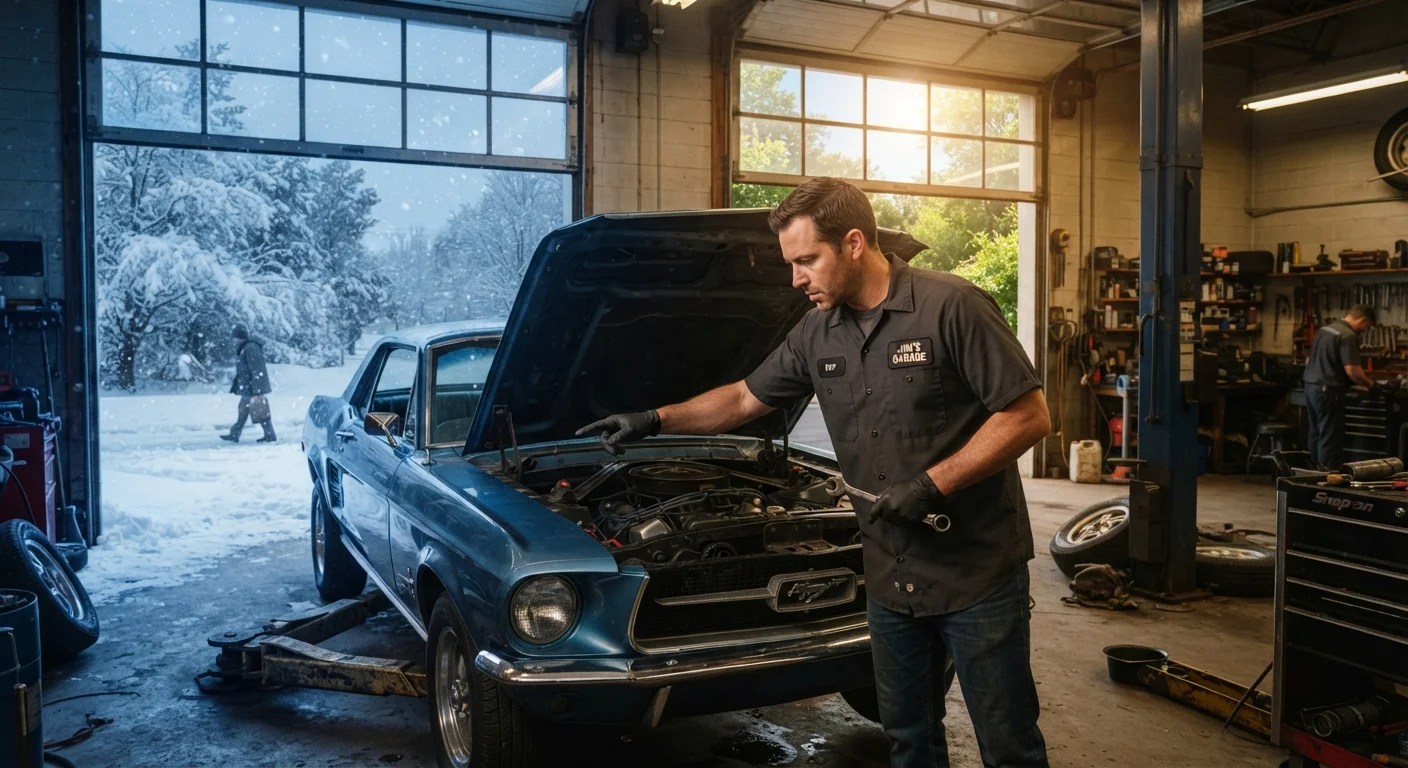
A seller-friendly test drive is not a substitute for a professional pre-purchase inspection. An independent mechanic - not one affiliated with the dealership - can identify hidden mechanical problems, frame damage, or safety concerns that are invisible to an untrained eye. The cost of a PPI is typically modest compared to the repair bills it can prevent. If a seller refuses to allow an independent inspection, treat that as a serious warning sign.
Title Issues Can Follow You for Years
A salvage, rebuilt, or flood-branded title significantly affects insurance options, resale value, and in some states, the ability to register the vehicle at all. Always confirm the title type before any money changes hands, and verify the VIN on the history report matches the VIN plate on the dashboard and door jamb. Discrepancies are a major red flag that warrants walking away.
Work through these groups in order: documentation first, then a static exterior and interior review, then mechanical checks, and finally a test drive. That sequence helps you identify deal-breakers early, before you invest more time.
What to Bring and Who to Involve
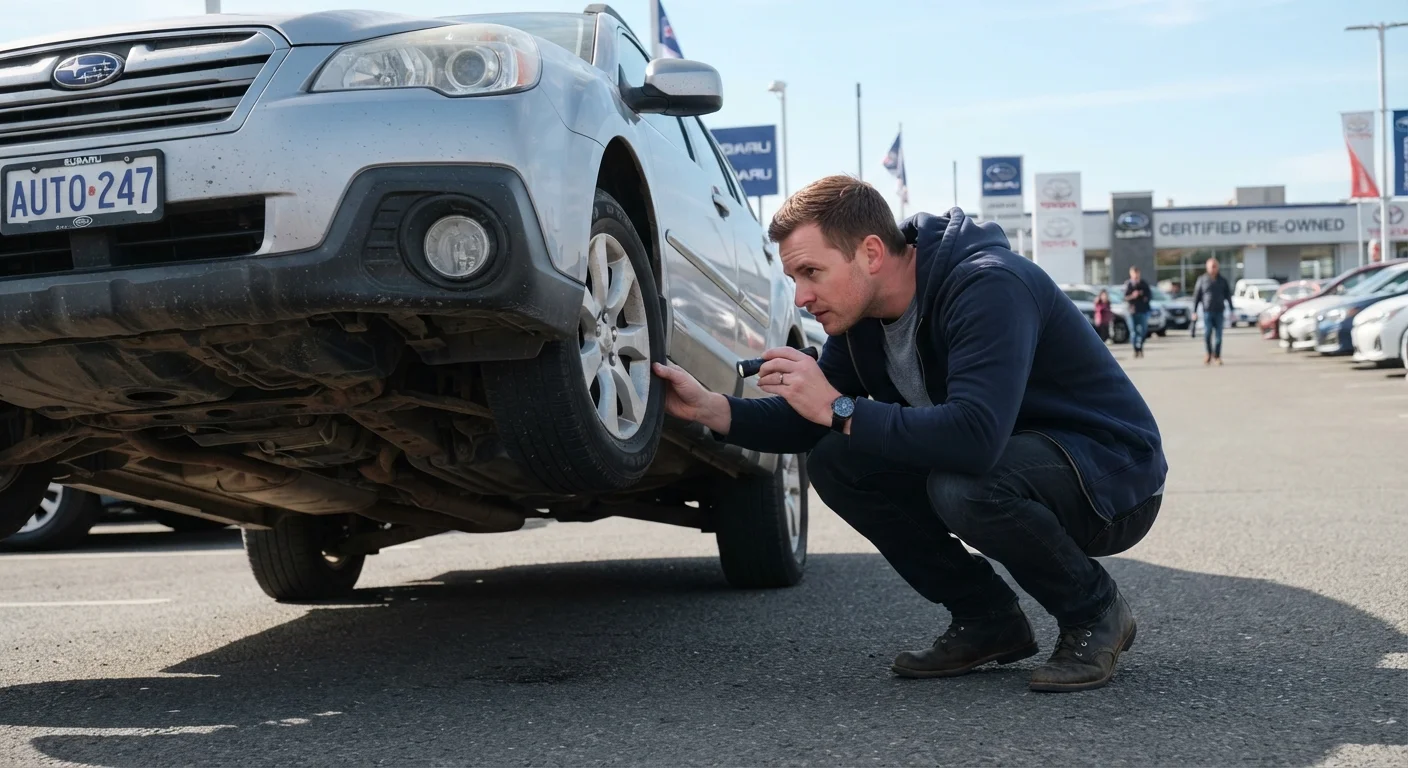
A few tools and the right people make this process significantly more effective. At minimum, bring a flashlight for examining the undercarriage and engine bay, a notepad to record observations, and the vehicle's VIN - available through the windshield or door jamb - so you can run a history report before or during your visit.
Vehicle History Report Service
Provides accident history, title status, odometer records, and ownership chain using the vehicle's VIN.
OBD-II Code Reader
Reads any stored diagnostic trouble codes from the vehicle's computer, revealing issues the seller may not have disclosed.
Tread Depth Gauge
Measures remaining tire tread to assess replacement cost and safety margin accurately.
Flashlight or Inspection Light
Illuminates the undercarriage, wheel wells, and engine bay for a closer look at rust, leaks, and wear.
Independent Mechanic (Pre-Purchase Inspection)
A qualified technician can identify mechanical, structural, and safety issues that a visual inspection alone may miss.
The most important resource on this list is an independent mechanic. A pre-purchase inspection (PPI) typically takes one to two hours and gives you a professional assessment of the vehicle's mechanical and structural condition. If you're unsure what to look for on your own, our seasonal maintenance checklist can help you build familiarity with vehicle systems before your inspection visit.
Working Through the Checklist
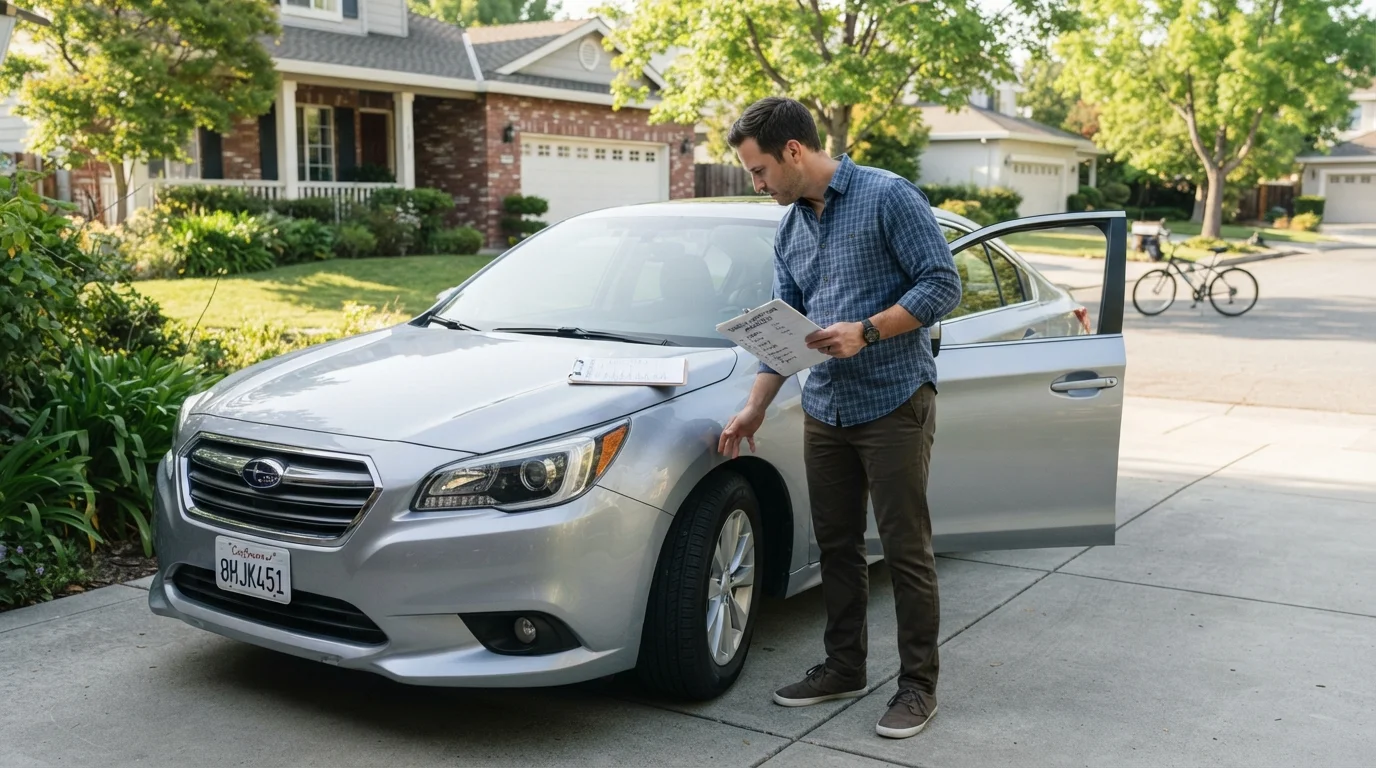
The checklist below is organized into logical groups - move through them in sequence for maximum efficiency. Note any findings in writing as you go; this creates a record you can reference during negotiation or share with your mechanic.
Documentation & History
Exterior Condition
Interior & Electrical
Mechanical & Under the Hood
Tires, Brakes & Suspension
Test Drive
Independent Inspection
Verbal Promises Are Not Enforceable
Any representation a seller makes about the vehicle's condition, repair history, or included warranties should be documented in writing before you sign. Verbal assurances have no legal standing in most private-party and dealer transactions. Get every agreed-upon condition, repair, or inclusion stated explicitly in the purchase agreement.
Flood-Damaged Vehicles Require Extra Scrutiny
Flood damage is not always disclosed, and vehicles may be transported across state lines to obscure their history. Look carefully for water stains under seats and in the trunk, mildew odor, mud or silt in unusual places, and corrosion on electrical connectors beneath the dashboard. A vehicle history report may not catch all flood events, so physical inspection is critical.
After completing your on-site inspection and test drive, have your mechanic review their findings with you in plain language. Any items flagged as safety concerns or major repairs should factor directly into your purchase decision - either as grounds for a price adjustment or as a reason to walk away. Once you've purchased a vehicle, building a proactive maintenance routine keeps it reliable; the seasonal car maintenance checklist is a practical starting point for new owners.
After the Inspection: Making Your Decision
No used vehicle is perfect, and a flawless inspection isn't the benchmark - informed confidence is. Minor wear items like tires or brake pads are normal and often negotiable. What you're looking for are structural damage, undisclosed accidents, title problems, or significant mechanical failures that exceed a reasonable repair budget.
Use your written notes and the mechanic's report to frame an honest conversation with the seller. If the vehicle checks out, confirm all agreed terms are documented in the purchase contract before signing. If it doesn't, remember that another vehicle will become available - walking away from a problematic purchase is always the right call.
Once you're behind the wheel as the new owner, keep the same disciplined mindset. Before any extended drive, run through the essentials covered in our pre-trip safety walkthrough to make sure your newly purchased vehicle is road-ready.
This article provides general informational guidance for used vehicle evaluation and does not constitute legal, financial, or mechanical advice. Consult a qualified, independent mechanic and appropriate legal or financial professionals when making purchasing decisions.