Why a Walkaround Matters Before Long Drives
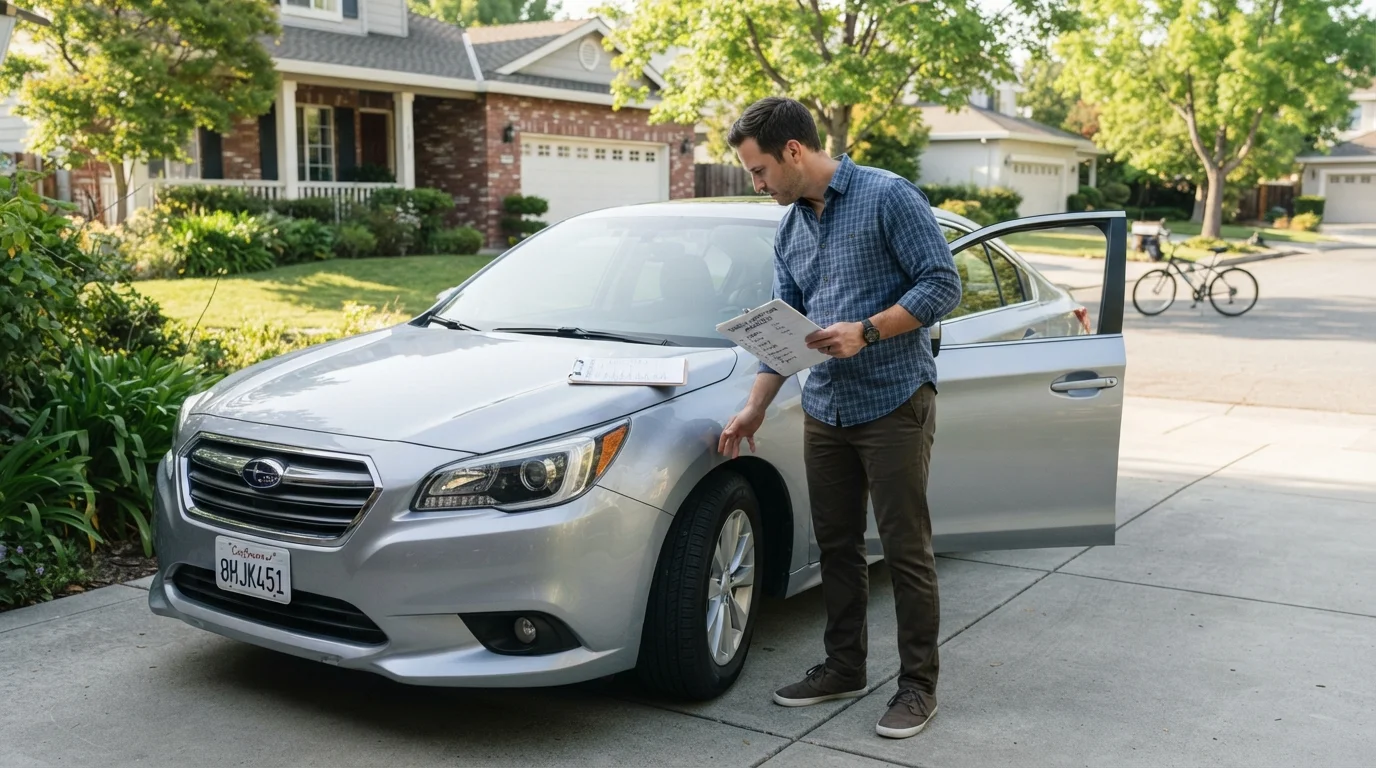
Most vehicle breakdowns on highways aren't random - they're traceable to something that was already developing before the driver left home. A tire slowly losing pressure, an oil level sitting a quart low, a brake light nobody noticed had burned out. The pre-trip walkthrough exists to catch those problems in the driveway, where the fix is inconvenient, rather than on a two-lane road in unfamiliar territory, where it can be dangerous.
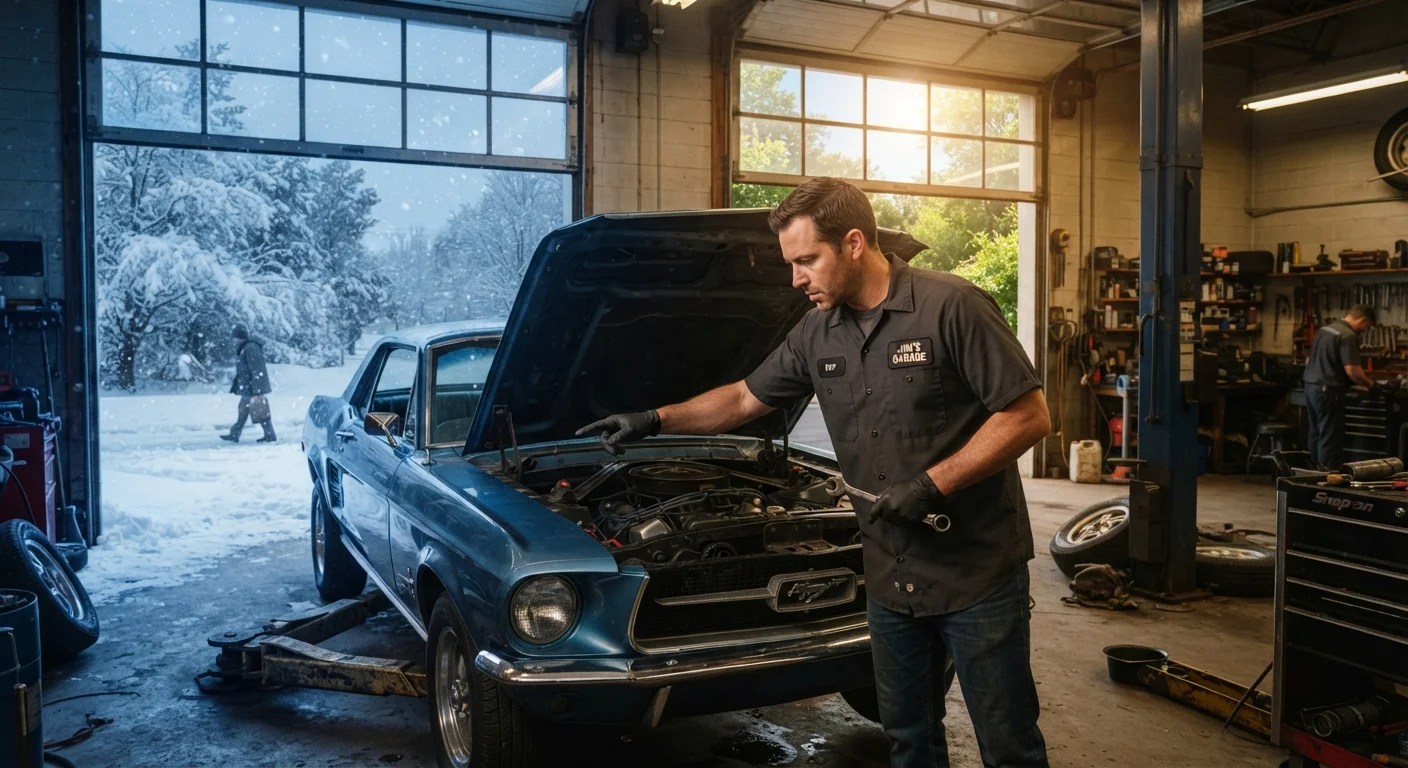
This checklist is built around the checks that matter most for drives over two hours - the distance where a minor issue has room to become a genuine emergency. For drivers preparing for a multi-day road trip, pairing this walkthrough with a deeper car prep guide will help identify anything that should go to a qualified mechanic first. And if your trip coincides with a seasonal change, the seasonal maintenance checklist covers adjustments specific to winter cold and summer heat.
Run through the checklist below the day before you depart, or the morning of - never after you've already loaded the car and started the engine.
Tires
Fluids
Lights and Visibility
Under-Hood and Mechanical
Emergency Supplies and Documents
Tools and Supplies to Have Ready
You don't need a garage full of equipment to complete this walkthrough. A few basic items make it faster and more accurate.
Tire pressure gauge
Accurately measures PSI so you can inflate or deflate tires to the recommended level before departure.
Flashlight or work light
Illuminates the engine bay, undercarriage, and tire sidewalls for an accurate visual inspection, especially in low light.
Tread depth gauge or quarter
Checks remaining tread depth to determine whether tires are safe for extended highway travel.
Paper towels or clean rags
Used when checking oil and fluid levels to wipe dipsticks and avoid contaminated readings.
OBD-II code reader
Reads stored fault codes behind any illuminated check-engine light so you can assess seriousness before hitting the road.
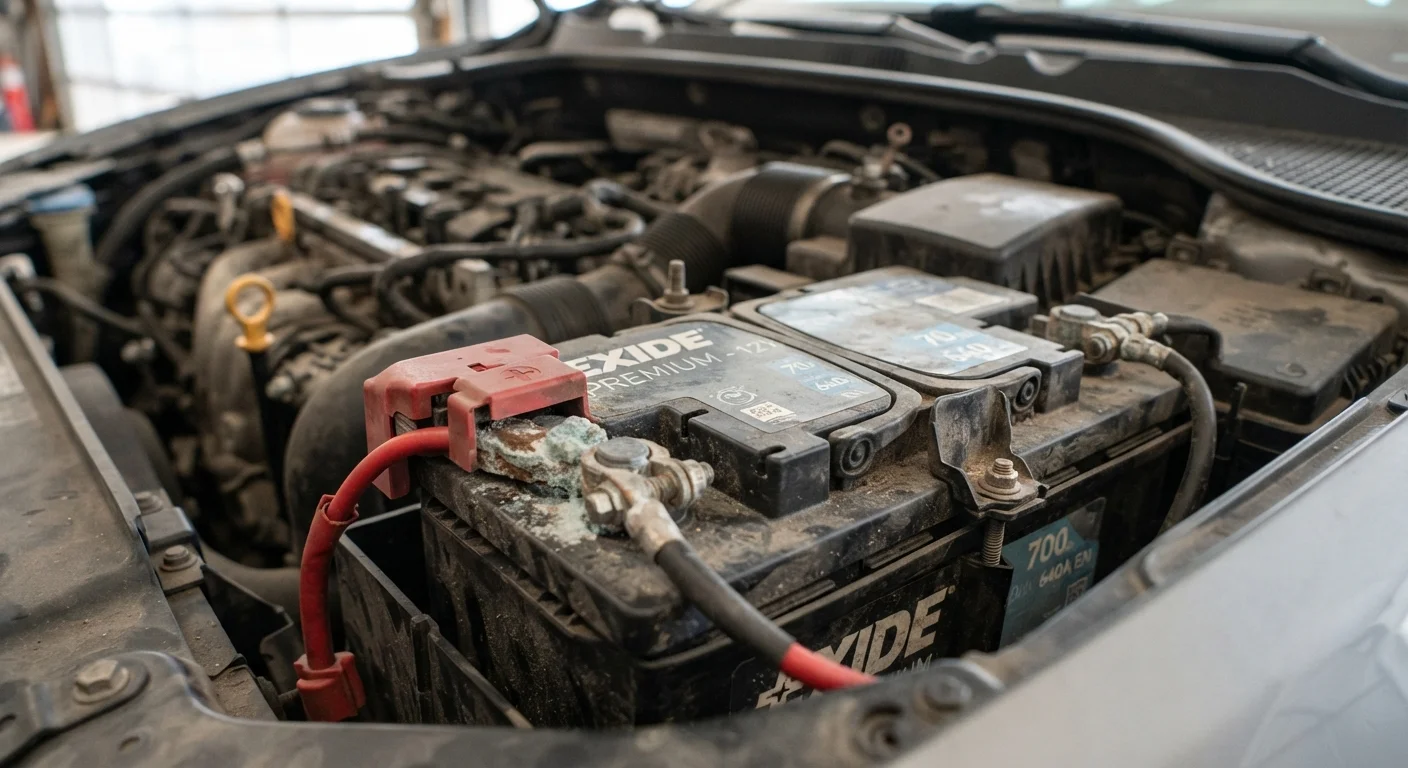
If your car is due for an oil change within the next 1,000 miles, schedule it before the trip rather than after. The same logic applies to battery health - learn the warning signs of a weakening battery so you're not caught off guard in an unfamiliar area.
Don't Ignore Active Dashboard Warning Lights
A warning light that has been on for weeks may feel routine, but on a long drive it represents an undiagnosed problem under load. A check-engine light can indicate anything from a loose gas cap to a misfiring engine. If you don't know what a light means, look it up in your owner's manual or have the code read at an auto parts store before you leave - not after 200 miles on the highway.
On the Road: What to Stay Aware Of
Even a thorough pre-trip check doesn't eliminate the need for awareness once you're driving. Temperature gauges, tire pressure warning lights, and unusual vibrations deserve immediate attention - don't rationalize them away at highway speed.
Fatigue is one of the most underestimated risks on long drives. Drowsy driving impairs reaction time in ways that rival alcohol - plan your stops before you need them, not after you notice your eyes getting heavy. If your drive includes significant night-time hours, night driving requires specific adjustments beyond just switching on your headlights. And for trips through variable weather, understanding how traction and braking shift across wet, icy, and foggy conditions can make a real difference before you encounter them.
When to Hand Off to a Mechanic
Some findings during this walkthrough - very low brake fluid, a bulging tire, a battery with visible corrosion and slow cranking, or a check-engine light you can't identify - warrant a professional inspection before the trip, not after. It's tempting to push through when departure time is close, but brake and tire failures at highway speed carry serious consequences. A short delay for a pre-trip inspection is a reasonable trade-off.
A well-maintained car and a well-rested driver are the two most reliable safety systems on any long drive. The checklist handles the first part - plan your route and rest stops to handle the second.