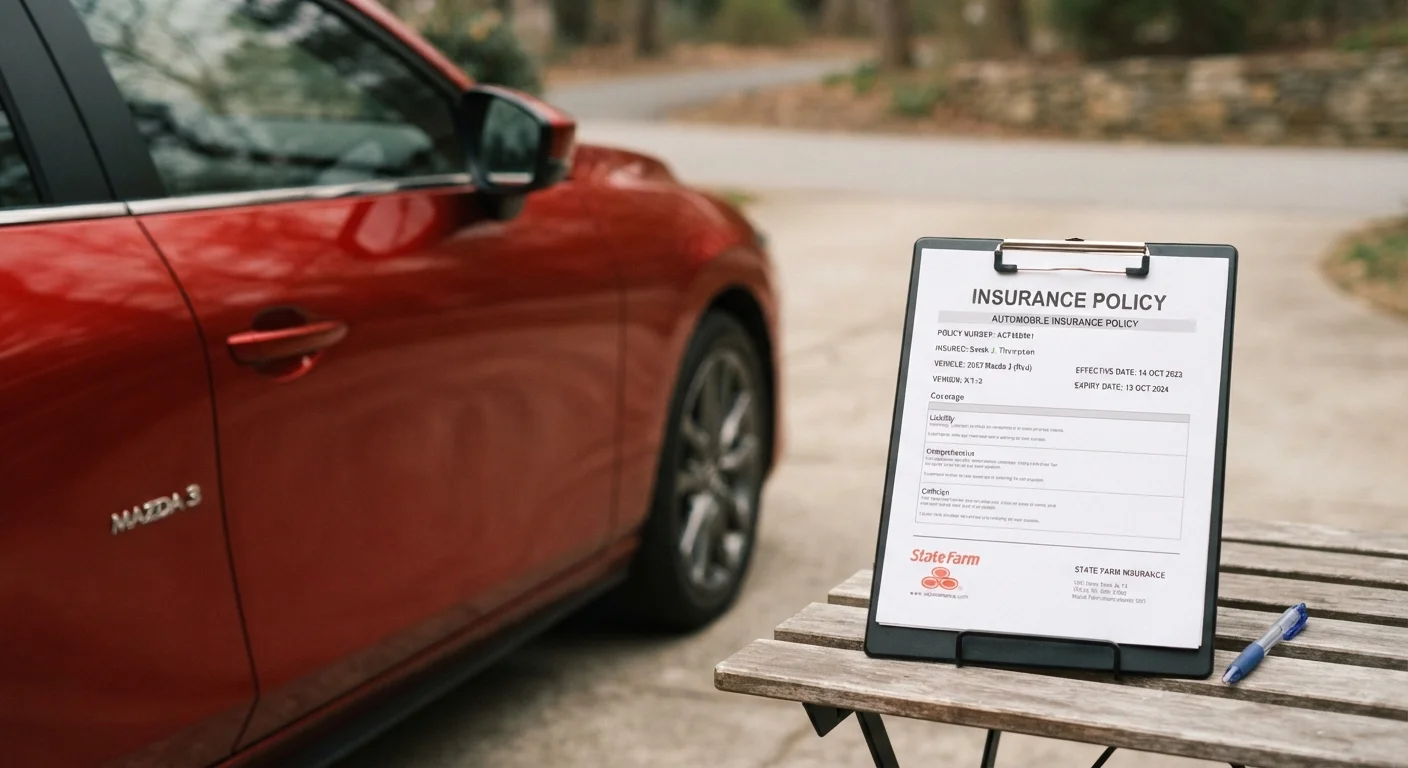

The Coverage Types Explained
Auto insurance isn't a single product - it's a bundle of separate coverage types, each protecting against different financial risks. Knowing what each one does (and doesn't do) helps you read your policy with confidence and make decisions that actually match your situation.
| Liability insurance required in | 49 U.S. states + D.C. (New Hampshire and Virginia have alternative financial responsibility options) |
| Coverages typically bundled in a policy | 6-8 distinct types (Varies by insurer and state) |
| Uninsured drivers on U.S. roads | Approximately 1 in 8 (Insurance Research Council estimates) |
| States requiring PIP coverage | 12 no-fault states (Requirements and minimums vary by state) |
Liability Coverage
Liability is the foundation of almost every auto policy and is legally required in most states. It splits into two parts: bodily injury liability, which pays for injuries to others when you're at fault, and property damage liability, which covers damage you cause to other vehicles or property. Critically, liability does not pay for your own injuries or vehicle damage.
Collision Coverage
Collision pays to repair or replace your vehicle when it's damaged in an accident - regardless of who was at fault. This applies whether you hit another car, a guardrail, or a tree. You'll pay your deductible first; the insurer covers the rest up to your vehicle's actual cash value. Lenders typically require this if you're financing or leasing.
Comprehensive Coverage
Comprehensive covers vehicle damage from events other than collisions - think theft, vandalism, fire, hail, flooding, or a falling tree branch. Like collision, it's subject to a deductible and capped at actual cash value. Together, collision and comprehensive are often called "full coverage," though that term has no precise legal definition.
Uninsured and Underinsured Motorist (UM/UIM)
If you're hit by a driver who carries no insurance - or not enough - UM/UIM coverage steps in to pay your medical bills and vehicle repair costs. Given that roughly one in eight U.S. drivers is estimated to be uninsured, this coverage addresses a genuine and common risk. Some states require it; others make it optional.
State Minimum Requirements Vary Widely
Every state sets its own mandatory minimums for liability coverage, and some require additional coverages like PIP or uninsured motorist protection. What's legally sufficient in one state may leave you seriously underprotected financially. Always check your state's specific requirements and consider whether minimums genuinely reflect your coverage needs.
Personal Injury Protection (PIP) and Medical Payments (MedPay)
PIP, required in no-fault states, covers your medical expenses and sometimes lost wages after an accident regardless of fault. MedPay is similar but narrower - it covers medical bills for you and your passengers, without the wage-replacement component. Neither replaces health insurance, but they can reduce out-of-pocket costs after a crash.
How to Think About What You Actually Need
The right mix of coverages depends on factors specific to your situation: the age and value of your vehicle, your financial cushion, your state's requirements, and whether you carry a loan or lease. A car worth significantly less than your deductible plus annual premiums may not justify full collision and comprehensive coverage - but dropping those coverages on a newer or financed vehicle can leave you exposed to major losses.
1 in 8
U.S. drivers estimated to be uninsured
According to Insurance Research Council estimates, making uninsured motorist coverage especially relevant.
~12
No-fault states requiring PIP
Drivers in these states must carry Personal Injury Protection regardless of fault in an accident.
It's also worth regularly reviewing your declarations page - the summary document listing all your active coverages, limits, and deductibles - to confirm your policy reflects your current situation. Life changes like moving to a new state, paying off a car loan, or adding a teenage driver all affect what coverage makes sense.
For a useful counterpoint, see common auto insurance myths debunked - many coverage misconceptions can lead drivers to carry the wrong protections without realizing it.
This article provides general educational information about auto insurance coverage types and is not personalized insurance or financial advice. Coverage requirements, availability, and terms vary by state and insurer. Consult a licensed insurance professional for guidance tailored to your specific situation.