Why Auto Insurance Myths Persist
Auto insurance is one of the most universally required financial products in the US, yet it remains one of the least understood. Drivers often form their beliefs about coverage through secondhand advice, outdated rules of thumb, or a single experience that may not reflect how policies actually work. The result: costly gaps in coverage, unnecessary expenses, or misplaced confidence about protection that doesn't exist.
Correcting these misconceptions isn't just academic. Misunderstanding your policy can leave you financially exposed after an accident, lead you to drop coverage you genuinely need, or cause you to overpay for protection based on faulty assumptions. The myths below are among the most persistent - and the most consequential to get right.
For a grounding in what different coverage types actually do, see our plain-language breakdown of auto coverage types.
Myth
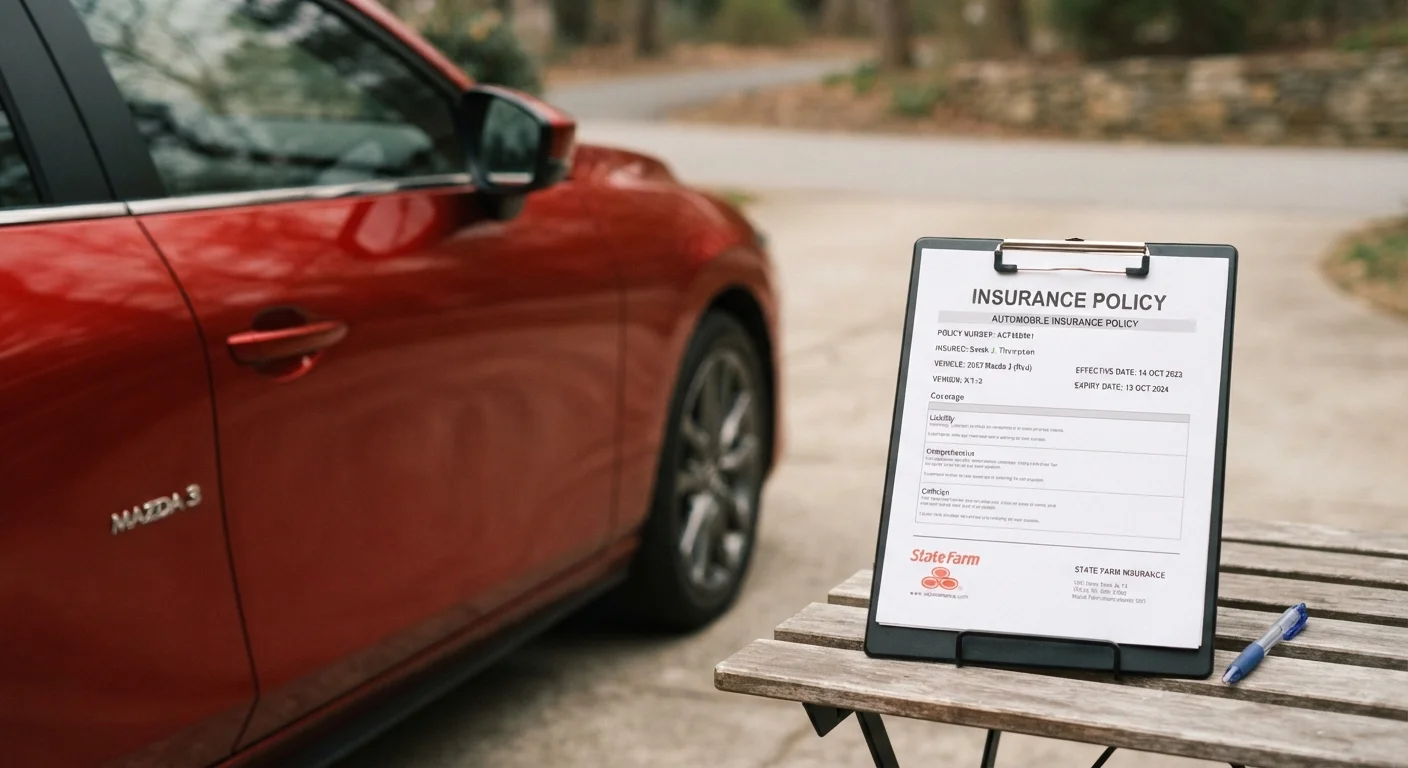
Red cars cost more to insure because insurers charge a premium for that color.
Fact
Vehicle color is not a rating factor used by auto insurers in the United States.
This is one of the most durable myths in automotive circles, but insurers don't ask about paint color when calculating your premium. What they do assess includes the vehicle's make, model, trim level, age, engine size, safety ratings, theft statistics for that model, and your personal driving history. A red sports car may cost more to insure than a beige sedan - but because of its performance specifications and claims history, not its color.
Myth
Once your car is paid off or old enough, you can safely drop all coverage beyond the state minimum.
Fact
Whether additional coverage is needed depends on your financial situation and risk tolerance, not the car's age alone.
State minimums cover liability - meaning damage you cause to others - but they don't pay for repairs to your own vehicle after a collision, or losses from theft, fire, or weather. If your car is worth $8,000 and you couldn't absorb that loss comfortably out of pocket, dropping collision or comprehensive coverage may be a false economy. The right coverage level is a financial calculation, not an automatic function of vehicle age.
Myth
Your personal auto insurance covers you when driving for a rideshare or delivery app.
Fact
Most personal auto policies explicitly exclude commercial or app-based driving activity.
Insurers treat personal and commercial vehicle use as distinct risk categories. When you drive for a rideshare or delivery platform, you're operating the vehicle commercially - and standard personal policies typically exclude claims that arise during that activity. Many rideshare platforms provide some coverage through their own commercial policies, but that coverage often has gaps, particularly between trips. Drivers in this situation should investigate rideshare endorsements or separate commercial policies.
Myth
Filing any claim will automatically raise your premium at renewal.
Fact
Rate increases after a claim depend on the type of claim, your history, your insurer's policies, and state regulations.
Not every claim triggers a surcharge. Many insurers don't raise rates for a first not-at-fault accident, a single comprehensive claim (such as weather damage or a stolen vehicle), or claims below a certain threshold. Whether and how much your rate increases is governed by your insurer's rules, your claim history, and state-level regulations on how insurers can use claims data. Assuming a surcharge is guaranteed may cause drivers to pay out of pocket for losses that their coverage was designed to handle.
Myth
The insurance required by your lender fully protects you financially.
Fact
Lender-required coverage protects the lender's financial interest, not necessarily yours.
When you finance a vehicle, your lender typically requires collision and comprehensive coverage to protect the asset they have a stake in. That requirement ensures the car - their collateral - can be repaired or replaced. It does not guarantee that the payout covers what you still owe on the loan, and it doesn't address your liability exposure, medical payments, or other risks. Drivers who owe more than their car's current market value may also want to consider GAP coverage, which addresses the difference between a settlement payout and the outstanding loan balance.
Myth
Your auto policy covers personal belongings stolen from your car.
Fact
Personal property inside your vehicle is generally covered by renters or homeowners insurance, not auto insurance.
Comprehensive auto coverage addresses damage to the vehicle itself - including theft of the car - but not the laptop, luggage, or equipment inside it. Personal belongings are typically the domain of your homeowners or renters policy, subject to that policy's deductible and limits. If you frequently carry valuable items in your vehicle, it's worth reviewing your home policy's off-premises personal property coverage to understand what protection actually exists.
What These Myths Cost Real Drivers
Each of the misconceptions above represents a real financial decision point. A driver who drops comprehensive coverage on an older car because they assume it's unnecessary might face thousands in out-of-pocket repair costs after a hailstorm or theft. Someone who believes their personal policy covers rideshare driving may discover - after an incident - that their insurer denied the claim entirely.
1 in 8
US drivers estimated to be uninsured
According to the Insurance Research Council, an estimated one in eight drivers on US roads carries no auto insurance, increasing financial risk for all motorists.
~40%
Drivers who may misunderstand their coverage
Industry surveys have repeatedly found that a significant portion of policyholders are unsure what their auto policy actually covers, particularly regarding exclusions.
Understanding your specific policy is the most effective protection against these gaps. The declarations page, coverage limits, and exclusions section of your policy are the authoritative sources - not industry folklore. Our guide to reading your auto insurance policy walks through those documents in plain language.
If you're evaluating whether your current level of coverage makes sense financially, our comparison of full coverage vs. liability-only insurance can help frame that decision without pressure or oversimplification.
Don't Rely on Secondhand Policy Interpretations
What a neighbor, coworker, or online forum says about their insurance experience may not apply to your policy, your state, or your insurer. Coverage terms, exclusions, and claims handling vary significantly between carriers and states. Always read your own policy documents and contact your insurer directly with specific questions - especially before making decisions about dropping or changing coverage.