Why Fall Prep Matters More Than Spring Cleanup
Most gardeners think of spring as the season for yard work, but what you do in fall has an outsized effect on how your outdoor space looks and performs the following year. Grass that enters winter with strong roots, beds that are properly mulched, and tools stored in good condition all translate directly into less work - and fewer problems - in spring.
The window before your first hard frost (typically when temperatures drop below 28°F for several hours) is finite, and tasks done too late lose much of their benefit. Use this checklist to work through each area of your yard systematically. If you're new to homeownership, this fits neatly alongside the broader seasonal tasks covered in a homeowner's first-year maintenance guide.
Lawn Care
Garden Bed Cleanup
Water Features and Irrigation
Plant Protection
Tool and Equipment Storage
Tools and Supplies You'll Need
Gathering the right equipment before you start makes the process far more efficient. Most of these items are standard for any yard, so check what you already own before purchasing anything new.
Core aerator
Pulls small plugs of soil from the lawn to relieve compaction and improve nutrient absorption.
Leaf rake or mulching mower
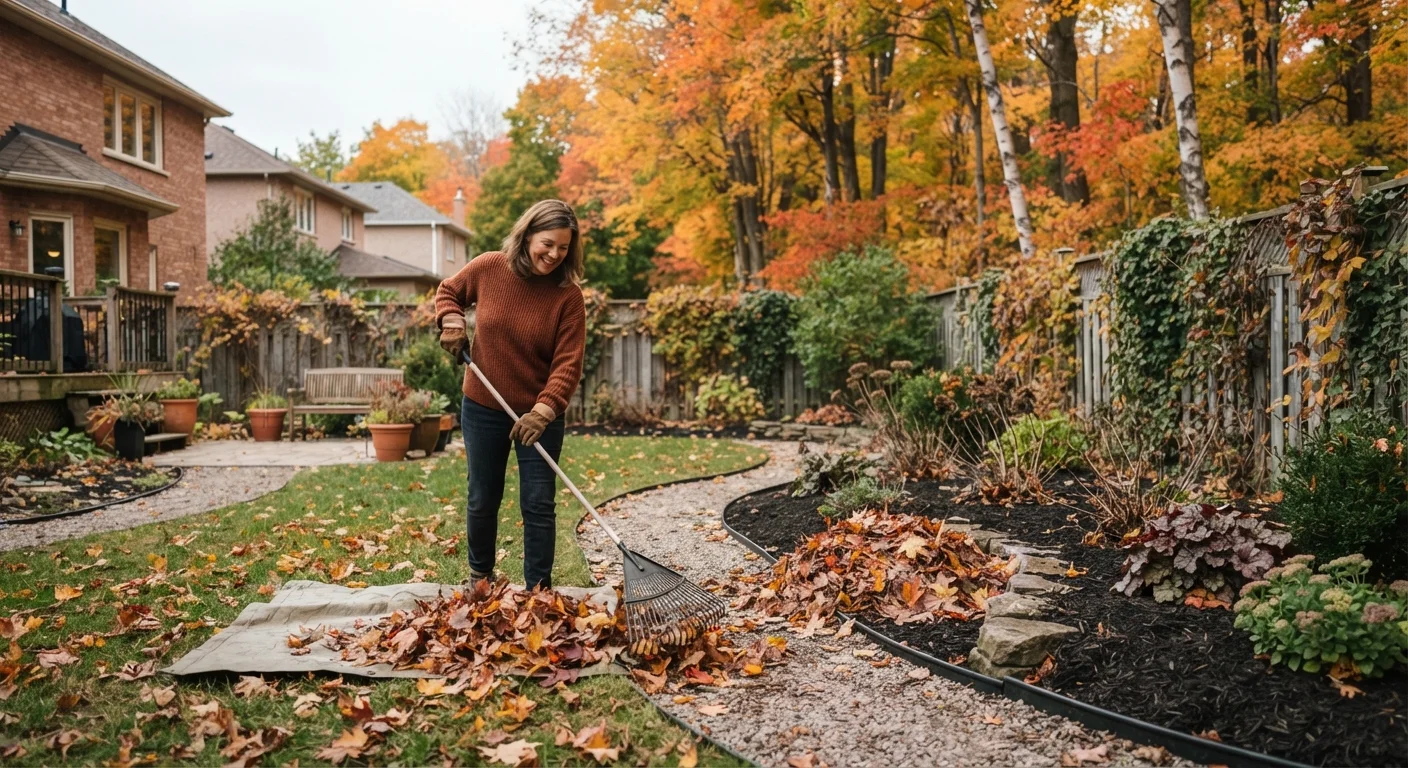
Clears fallen leaves from grass and beds; a mulching mower shreds them into fine particles that decompose in place.
Garden fork and spade
Used for dividing perennials, planting bulbs, and turning compost into garden beds.
Compressed air source or irrigation blow-out kit
Clears water from irrigation lines to prevent freeze damage to pipes and valves.
Burlap or frost cloth
Protects shrubs, young trees, and tender plants from wind and freezing temperatures.
Linseed or tool oil
Applied to clean metal tool surfaces to prevent rust during winter storage.
Fuel stabilizer
Added to gasoline in small engines to prevent fuel degradation over a long storage period.
Don't Skip Draining Small Engines
Gasoline left in lawn mowers, blowers, and trimmers over winter can degrade and gum up carburetors, leading to difficult starts and potentially costly repairs in spring. Either run the engine dry or add a fuel stabilizer according to the product's directions. If you're unsure how to service a small engine, a local small-engine repair shop can winterize it for you.
Special Considerations: Containers and Irrigation
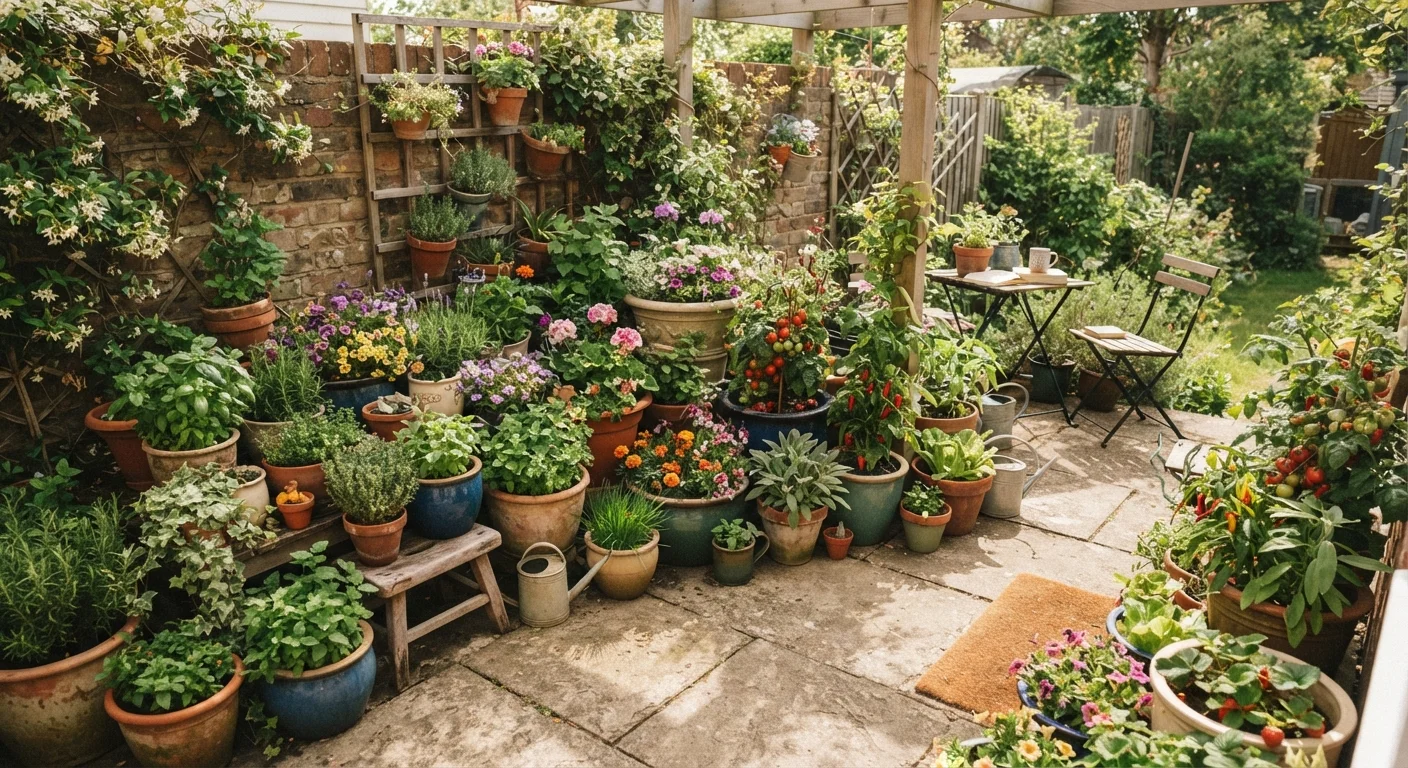
Container plants and irrigation systems need particular attention before frost arrives. Containers sitting on exposed patios are especially vulnerable because cold air surrounds the pot on all sides, chilling roots faster than plants in the ground. If you've built out a patio container garden, our guide to container gardening on a small patio can help you identify which plants are tender and worth moving indoors versus which are hardy enough to overwinter outside with protection.
For irrigation, any water left in lines, valves, or backflow preventers can freeze and crack components. Even in mild climates, a single unexpected hard frost can cause significant damage. Blow out irrigation lines with compressed air or hire an irrigation professional if your system is complex - this is one task where a mistake can mean a full system replacement in spring.
Fall is also a natural moment to rethink what you store and where. Rotating seasonal tools and garden supplies follows the same logic as seasonal decluttering for the home - clear out what you won't use, organize what you will, and start spring without the chaos.
Frost Dates Vary Widely by Region
The first hard frost can arrive anywhere from early September in northern states to late November in southern regions. Check your local cooperative extension service or the USDA Plant Hardiness Zone Map to find the average first frost date for your specific area. Completing time-sensitive tasks - like overseeding, planting bulbs, and draining irrigation - at least two weeks before that date gives you the best results.