What Sets These Four Flooring Types Apart
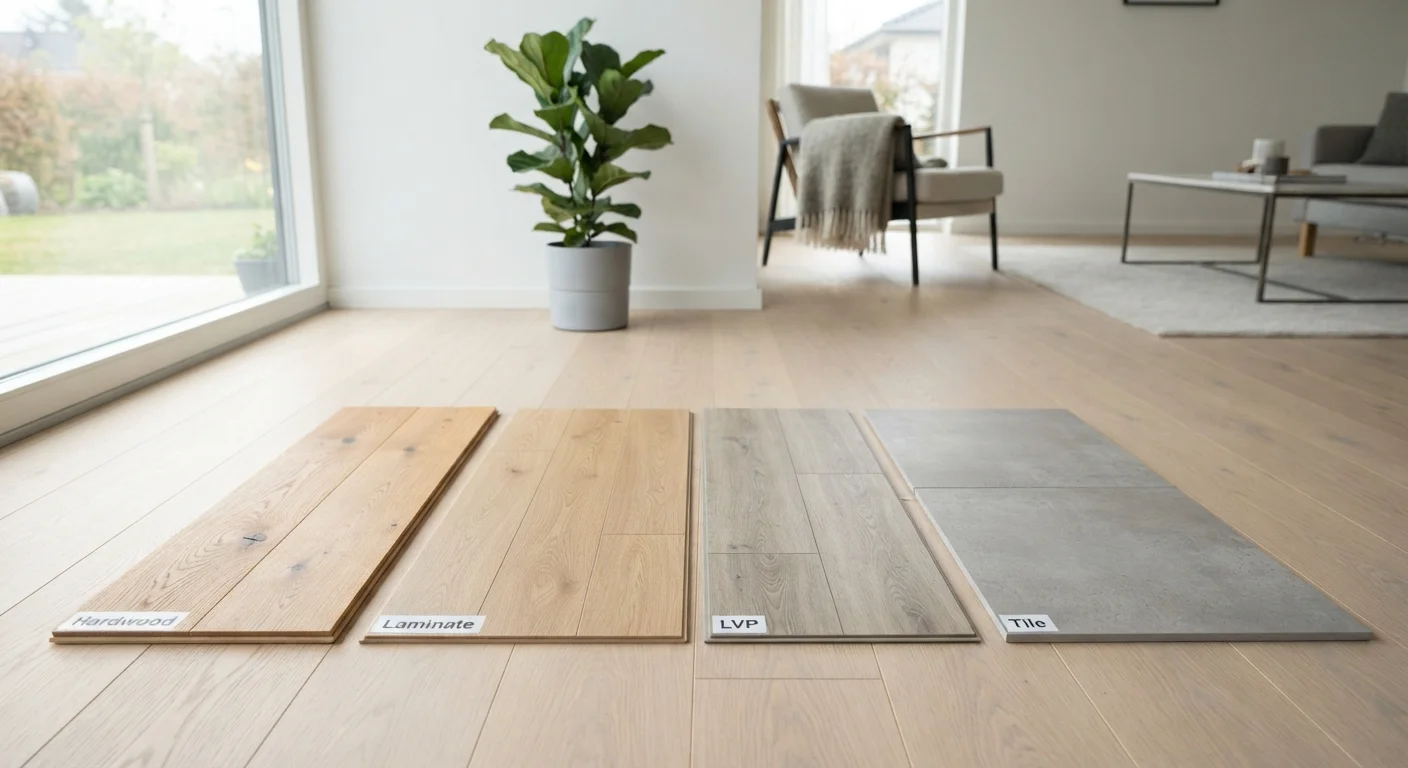
Walk into any flooring showroom and you'll face a wall of options. The four materials that dominate most US home renovations - solid or engineered hardwood, laminate, luxury vinyl plank (LVP), and ceramic or porcelain tile - each have a distinct construction, performance profile, and ideal use case. Choosing the wrong one for a given room is one of the most common and costly home-improvement mistakes homeowners make.
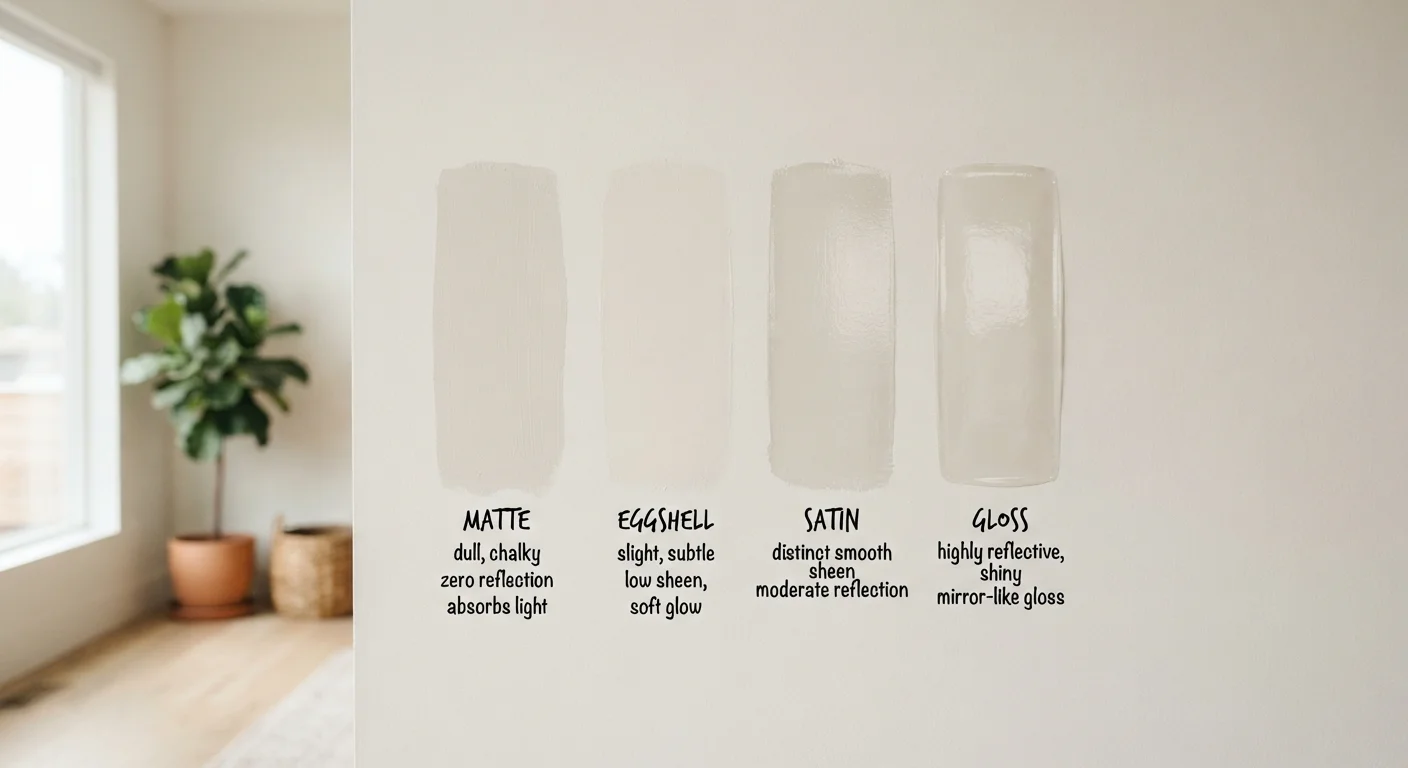
Understanding the core differences before shopping helps you ask the right questions and avoid expensive surprises. Just as choosing the right paint finish depends on the room's function and traffic, so does selecting a flooring material.
| Hardwood | Laminate | LVP | Tile | |
|---|---|---|---|---|
| Moisture Resistance | Low - avoid wet areas | Low-moderate - surface only | Excellent - fully waterproof | Excellent - fully waterproof |
| Durability | Moderate - refinishable | Moderate - not repairable | High - tough wear layer | Very high - rarely scratches |
| DIY-Friendly Installation | Difficult | Easy (click-lock) | Easy (click-lock) | Difficult |
| Comfort Underfoot | Warm and firm | Moderate - can echo | Soft and quiet | Hard and cold |
| Refinishable | Yes - multiple times | No | No | Grout can be recoloured |
| Suitable Below Grade | No | No | Yes | Yes |
| Typical Lifespan | 50+ years with care | 15-25 years | 20-30 years | 30-50+ years |
Durability and Scratch Resistance
Hardwood is moderately durable but shows scratches over time, especially in softer species like pine. Its key advantage is refinishability - solid hardwood can typically be sanded and refinished multiple times over decades, extending its lifespan considerably. Engineered hardwood offers better dimensional stability but has a thinner wear layer, limiting how many times it can be refinished.
Laminate uses a photographic layer beneath a melamine wear coat, which resists scratches well on paper but chips and swells permanently when damaged. LVP has a tough urethane wear layer that resists scratching, denting, and scuffing better than most other options - a meaningful advantage in homes with pets or heavy foot traffic. Tile, particularly porcelain, is the hardest surface of the four; it rarely scratches and withstands decades of use, though grout lines can stain and crack over time.
80%
Of US homeowners prioritise durability when selecting flooring
According to the National Association of Realtors' periodic Profile of Home Buyers and Sellers, durability and ease of maintenance are among the top factors influencing flooring decisions.
3-5mm
Minimum LVP wear layer for heavy-traffic areas
Flooring industry guidelines generally recommend a wear layer of at least 12 mil (approximately 0.3mm) for residential use, with commercial-grade LVP running 20 mil or more.
Moisture Resistance and Room Suitability
Moisture is where these materials diverge most sharply. Solid hardwood expands and contracts with humidity changes and should never be installed below grade or in full bathrooms. Engineered hardwood handles moderate humidity better but is still not waterproof. Laminate is water-resistant at the surface but will warp or bubble if water penetrates seams - a real concern in kitchens and bathrooms.
LVP is 100% waterproof throughout its core, making it safe for basements, bathrooms, kitchens, and laundry rooms without special precautions. This is one of its most compelling advantages. Tile is equally waterproof and remains the go-to for shower floors and wet rooms, though proper grouting and sealing are essential to maintain that resistance. When deciding between rooms, assign moisture-resistance priority to areas like bathrooms, mudrooms, and below-grade spaces.
Test Moisture Before You Install Anything
Before laying any flooring in a basement or ground-level slab, test for moisture with an inexpensive plastic sheet test: tape a sheet of plastic to the concrete for 24-48 hours. If condensation forms beneath it, you have elevated moisture. In that case, LVP or tile are your safest material choices, and a vapor barrier may still be advisable. Skipping this step is a leading cause of flooring failures in below-grade spaces.
Installation Complexity and Cost Considerations
Installation difficulty varies widely. Laminate and LVP both use a floating click-lock system that experienced DIYers can tackle over a weekend with basic tools - no adhesive or nailing required. Hardwood installation (especially solid hardwood) typically requires nailing or stapling to a subfloor, proper acclimation of the wood to indoor humidity, and often professional installation to avoid gaps and buckling. Engineered hardwood is more forgiving but still more involved than click-lock options.
Tile is generally the most labor-intensive: it requires a flat, solid subfloor, thinset mortar, careful layout planning, grout, and sealing. Mistakes in tile work are difficult to reverse. As a general principle, flooring costs include both materials and labor - installation can equal or exceed material costs for hardwood and tile. For any project involving subfloor repair, transitions between materials, or stairs, consulting a licensed flooring professional is advisable.
Comfort, Sound, and Feel Underfoot
Comfort is often overlooked until you're living with the floor daily. Hardwood has a natural warmth and slight give that many homeowners find satisfying. Laminate can feel hollow or echo-prone without quality underlayment beneath it. LVP, particularly thicker planks (6mm or more with attached underlayment), offers a softer, quieter feel than laminate and is warmer underfoot than tile.
Tile is the least forgiving surface - cold in winter, hard on joints during prolonged standing, and unforgiving if something fragile is dropped. Radiant in-floor heating can offset tile's temperature drawback significantly, though that adds to installation cost and complexity. If you spend long hours in a kitchen or laundry room, anti-fatigue mats or thicker LVP may serve you better than bare tile.