
What's Actually Behind the Impulse
Impulse spending isn't a character flaw. It's a predictable response to a combination of emotional states, environmental cues, and marketing systems specifically designed to exploit how the human brain makes decisions under low-awareness conditions.
Research in behavioral economics consistently shows that unplanned purchases spike when people are stressed, bored, fatigued, or experiencing a brief emotional high. The brain's reward circuitry treats anticipated pleasure - imagining owning or using something - almost identically to actual pleasure. Retailers and e-commerce platforms know this and engineer their environments accordingly: strategic product placement, countdown timers, "customers also bought" suggestions, and one-click checkout all reduce the mental friction that might otherwise give you pause.
Understanding this isn't about making excuses - it's about accurately diagnosing the problem so you can apply the right solution. If impulse spending were purely a willpower issue, sheer determination would fix it. But willpower is a finite resource that depletes throughout the day, which is why late-evening online shopping tends to produce more regret than morning purchases. The fix requires changing your environment and habits, not just your resolve. For a broader look at how spending patterns connect to debt payoff progress, the underlying behavioral patterns are worth examining closely.
Proven Practices for Interrupting the Pattern
The most durable anti-impulse strategies work by inserting friction between the trigger and the transaction. They don't rely on constant vigilance - they restructure the decision environment so that spending requires deliberate effort rather than default momentum.
Implement a mandatory waiting period before any unplanned purchase.
A cooling-off window breaks the emotional momentum driving the impulse. The urge to buy something typically diminishes significantly within 24-48 hours if not acted upon immediately. This works because anticipated pleasure fades once the initial emotional spike subsides.
Remove one-click purchasing and saved payment information from shopping apps.
Checkout friction is one of the most powerful deterrents to impulse buys. E-commerce platforms deliberately minimize steps between browsing and purchase; reversing that by requiring manual card entry forces a brief moment of deliberate action.
Identify your personal spending triggers and document them.
Common triggers include stress, boredom, social media browsing, and late-night fatigue. Recognizing your specific patterns lets you anticipate high-risk moments and prepare a response before the urge arises, rather than relying on in-the-moment willpower.
Use cash or a separate discretionary debit card with a fixed monthly limit.
Physical cash and visible limits create a natural spending cap. When the money in the envelope or the balance on the discretionary card is gone, the spending stops - no overdraft, no credit spillover, no accumulating balance to rationalize away.
Unsubscribe from promotional emails and marketing notifications.
Retail emails and push notifications are designed to generate demand for things you weren't already seeking. Reducing that inbound stimulus directly reduces the frequency of impulse triggers. Out of sight genuinely means out of mind in this context.
These practices compound over time. A single 24-hour pause might save $40 today; applied consistently over months, the same habit can redirect hundreds of dollars toward savings or debt reduction. If you want to formalize that redirection, a structured personal budget gives those savings somewhere purposeful to go.
Quick Actions You Can Take Today
You don't need a complete financial overhaul to interrupt impulse spending. A few targeted structural changes - made right now - will reduce unplanned purchases almost immediately.
Track Before You Judge
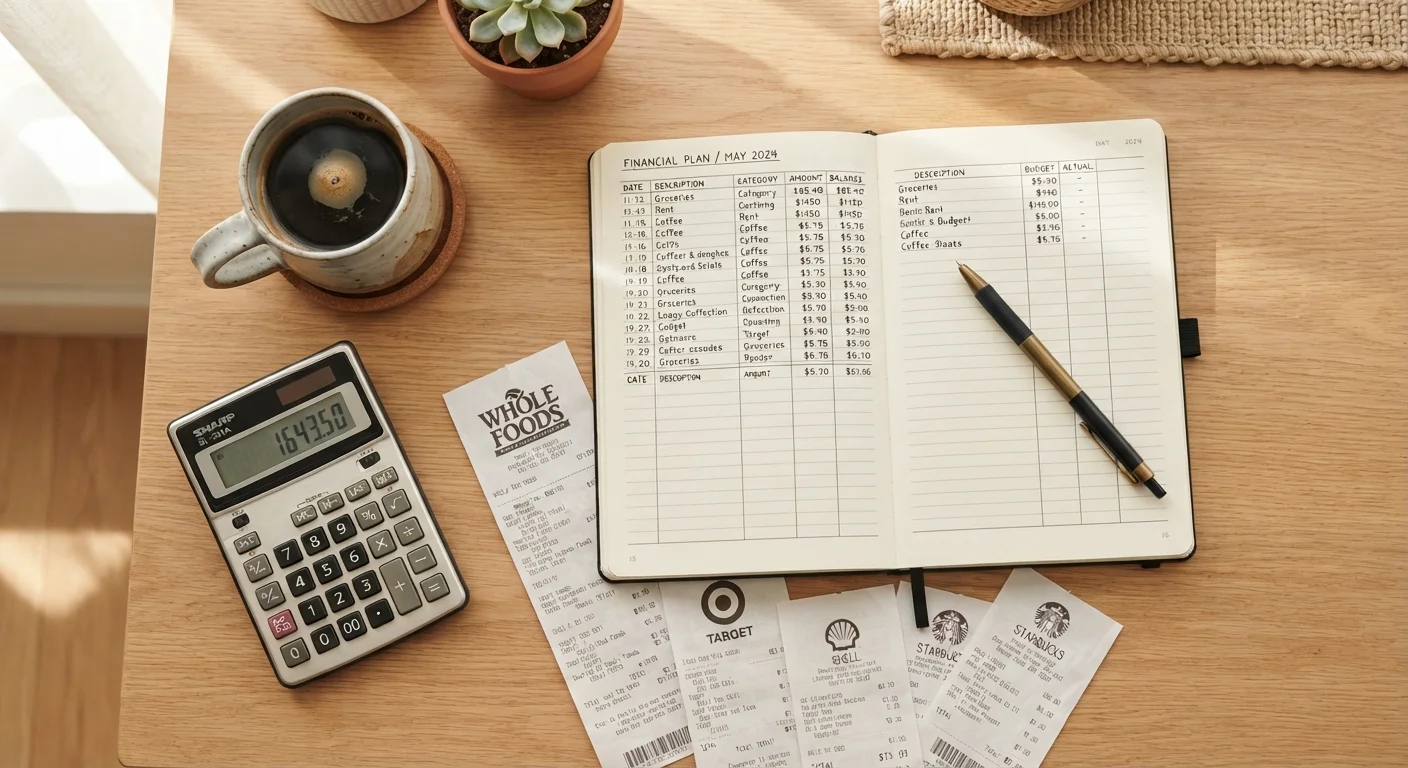
Before trying to cut impulse spending cold turkey, spend one week simply recording every unplanned purchase - what it was, when it happened, and how you were feeling. This isn't about guilt; it's about pattern recognition. Most people are surprised by how clustered their impulse purchases are around specific times, moods, or platforms. That data makes targeted intervention far easier than broad self-discipline alone.
Awareness compounds quickly. Once you start noticing when and why you reach for your wallet, the automaticity of impulse spending begins to break down. For a deeper dive into how purchase tracking changes behavior over time, see how a spending journal shifts financial decision-making.
This article is for general informational and educational purposes only and does not constitute personalized financial advice. Consult a qualified financial professional for guidance specific to your situation.