Why Dogs Hide Pain - and Why That Matters
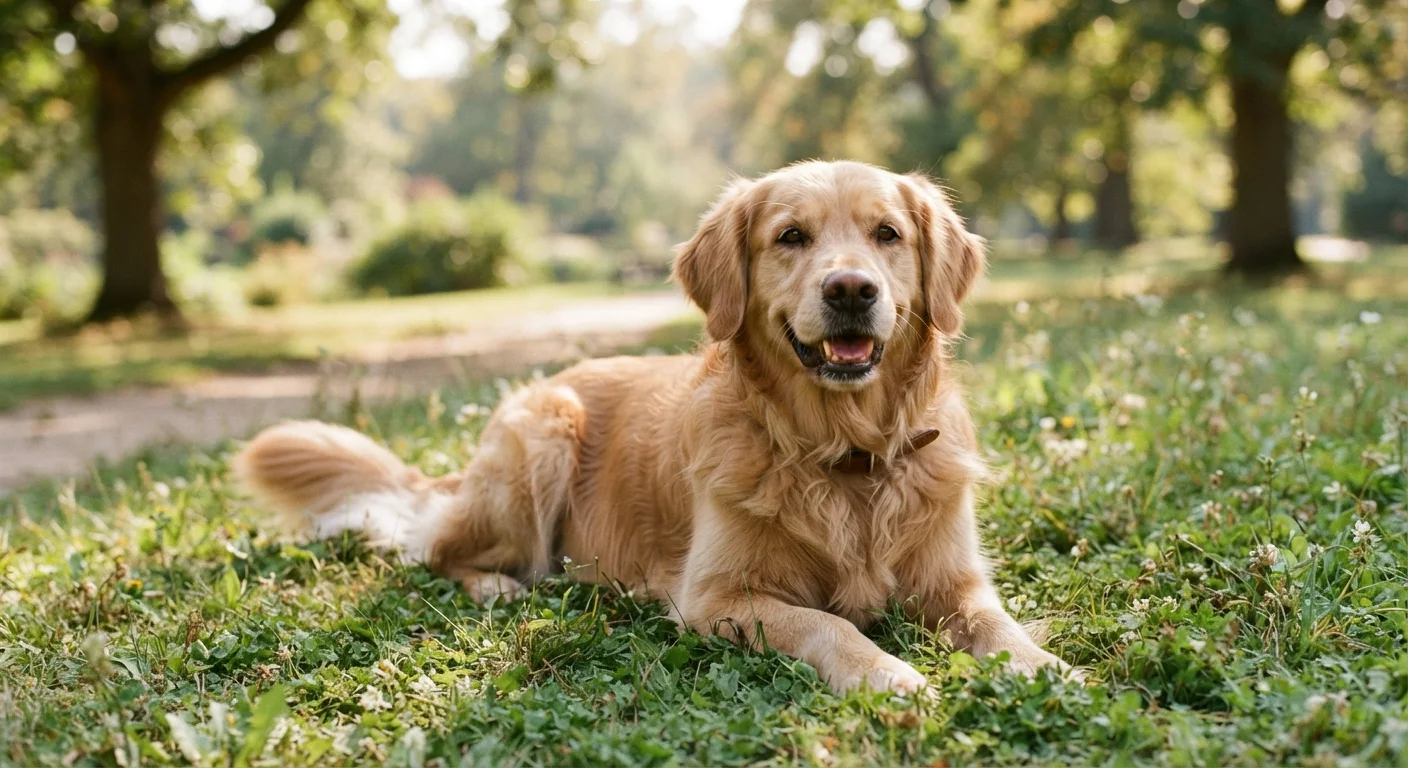
Dogs descended from pack animals whose survival depended on appearing strong. Showing weakness in the wild could invite displacement or predator attention, so masking discomfort is deeply ingrained. That instinct doesn't disappear in domestic life - it just means that by the time a dog's pain becomes obvious, it has often been present for some time.
Veterinary professionals frequently describe pain recognition in dogs as one of the most challenging aspects of animal care, precisely because the signs are so easy to rationalize away. A dog that stops jumping onto the sofa isn't necessarily getting older gracefully - it may be hurting. Understanding the specific cues that signal discomfort helps owners act earlier, before pain becomes chronic or an underlying condition worsens.
The signs below represent the patterns veterinarians most commonly see missed or misattributed in everyday dog ownership. If several of these resonate with what you're observing, a veterinary consultation is the appropriate next step - this article is for general educational awareness and is not a substitute for professional assessment.
Changes in appetite or water intake
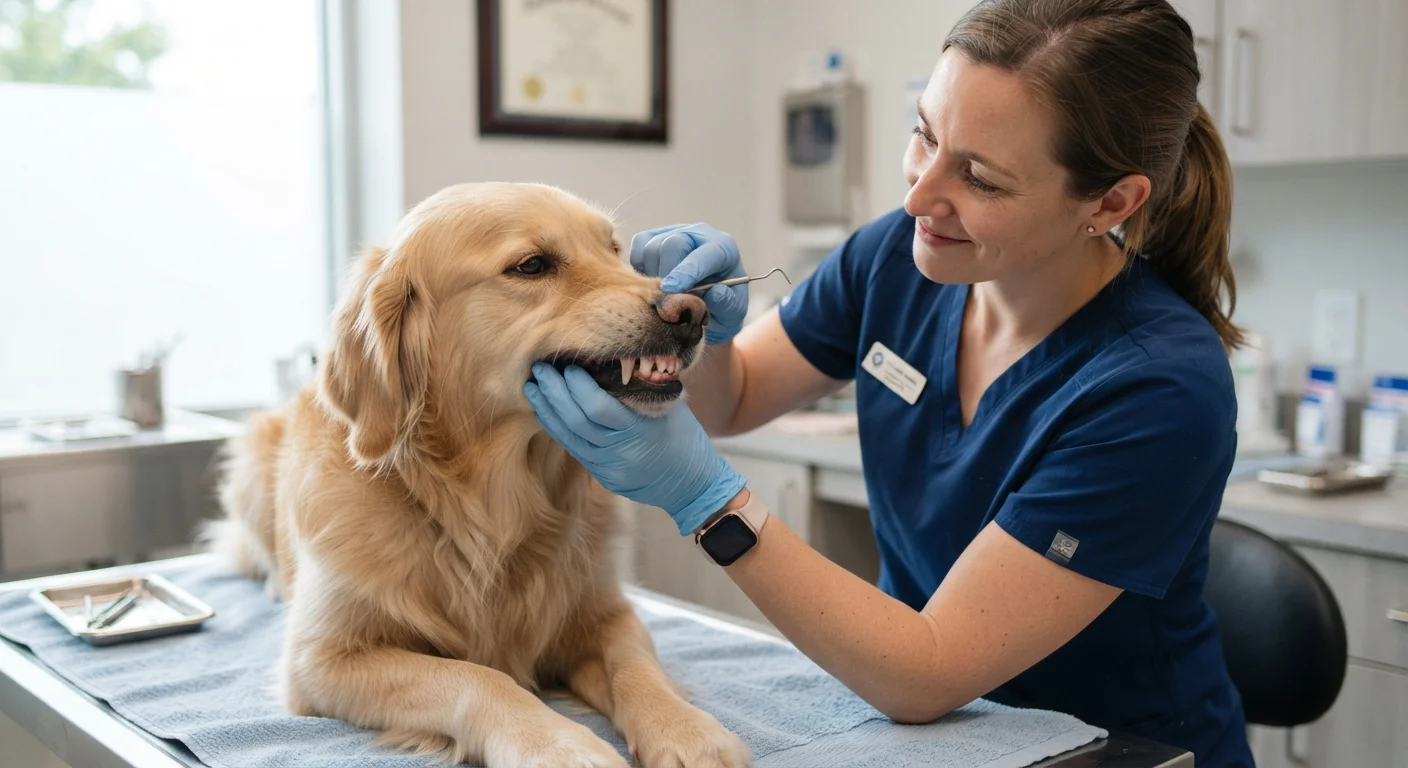
A dog that suddenly eats less, skips meals, or shows reluctance to chew on one side of its mouth may be in pain. Dental disease - among the most common health problems in adult dogs - frequently causes oral discomfort that makes eating uncomfortable. Reduced appetite can also reflect abdominal pain, nausea associated with an internal condition, or generalized malaise from musculoskeletal injury. Our article on dog dental health explores how quickly untreated tooth and gum problems escalate. Changes in water consumption, either up or down, can similarly reflect systemic issues and are worth noting.
Reluctance to chew on one side is a classic, often-missed indicator of dental or jaw pain.
Postural shifts and unusual resting positions
Dogs in pain frequently adopt positions that redistribute weight away from the source of discomfort. A dog with abdominal pain may assume a "prayer position" - front legs extended, rear end elevated - for prolonged periods. A dog with back or hip pain may sit asymmetrically or avoid sitting altogether. Watch for a tucked abdomen, a hunched back, or a tendency to rest more on one limb than the other. These postural adjustments are compensatory - the dog is trying to manage discomfort - and they can be easy to overlook as quirks of individual style.
Persistent posture changes are the body's way of compensating for discomfort the dog cannot otherwise communicate.
Reluctance to move, jump, or use stairs
A dog that hesitates at the bottom of a staircase, stops jumping onto furniture it previously used freely, or seems stiff during the first few minutes after waking is showing a classic pattern associated with joint pain - including early-stage arthritis. Owners often attribute this to aging, which is understandable, but aging itself is not a diagnosis. Pain is a treatable condition, and veterinarians have several evidence-based management options for musculoskeletal discomfort. Noting when these hesitations occur - after rest, after exercise, or consistently regardless of activity - helps your vet build a clearer picture.
Stiffness after rest, not just after activity, is a hallmark of joint-related pain in dogs.
Increased or redirected grooming
Dogs will lick, chew, or scratch at a painful area as a self-soothing response - even when that area is internal or orthopedic. A dog that repeatedly licks a specific paw, joint, or area of its flank without an obvious external cause (such as a wound or rash) may be responding to localized pain beneath the skin. This behavior is easy to dismiss as a grooming habit or minor irritation. Excessive grooming that is focused, persistent, and not explained by a visible skin problem warrants veterinary evaluation. The behaviors that warrant a vet visit article covers this and related patterns in more depth.
Repetitive licking at a specific body area often signals localized pain rather than simple grooming.
Social withdrawal or personality change
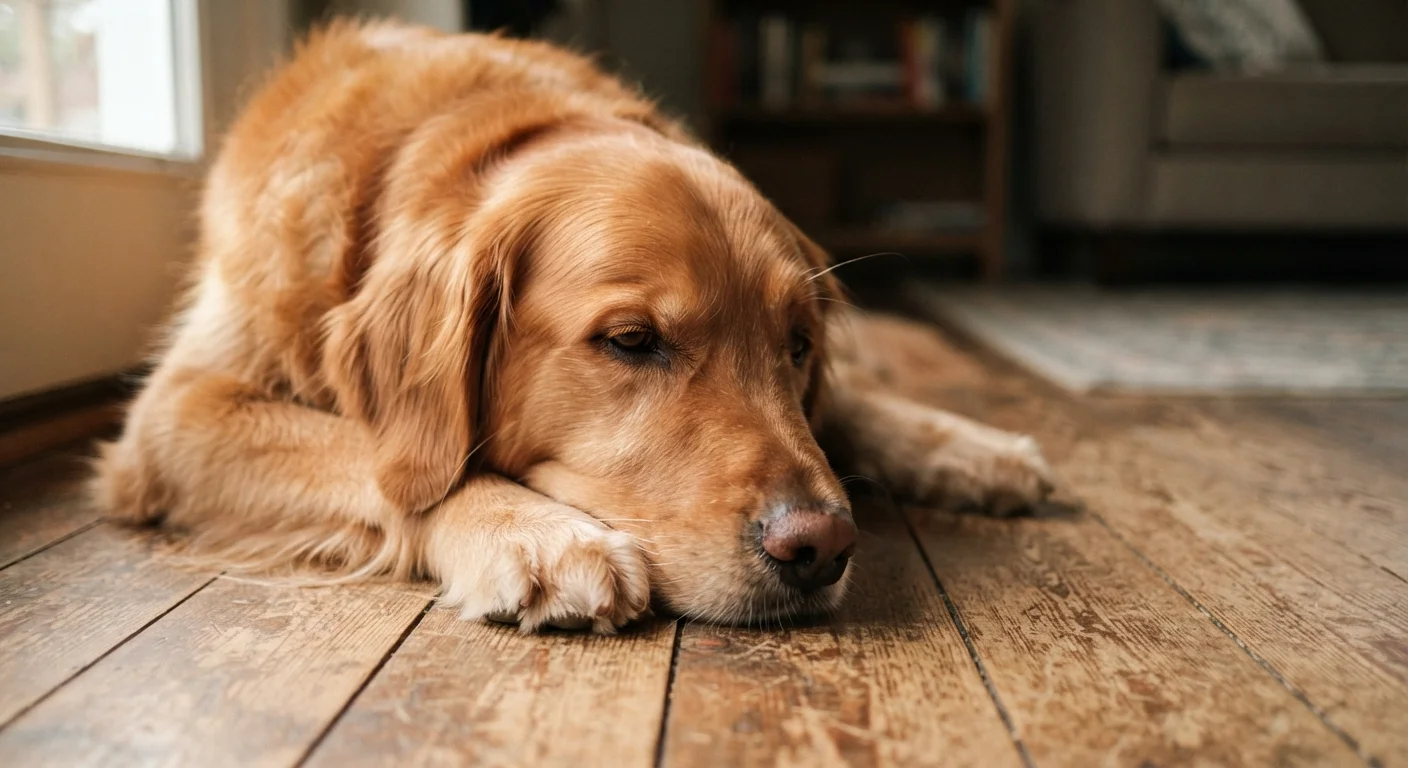
A normally gregarious dog that begins retreating from family interaction, hiding in another room, or reacting uncharacteristically to being touched - including mild growling or flinching when petted in a particular spot - is communicating discomfort through behavioral distance. Pain affects mood and tolerance in dogs just as it does in people. A dog that snaps when handled in a way it previously accepted is not becoming aggressive without cause; something has changed physically. This kind of personality shift, particularly in an otherwise friendly dog, is one of the most telling and most overlooked signals of underlying pain.
Uncharacteristic withdrawal or touch-sensitivity is often a dog's only way of saying that something hurts.
Altered breathing or facial tension
Labored, shallow, or more rapid breathing at rest - in the absence of heat or exercise - can indicate pain, particularly chest or abdominal discomfort. Similarly, a dog experiencing pain may display subtle facial tension: a furrowed brow, tightened muscles around the eyes or muzzle, or ears held back flat rather than in a neutral position. Veterinary pain researchers have developed observational scales - such as the Canine Grimace Scale - specifically to capture these facial indicators, which can be reliable guides for trained observers. Learning to distinguish your dog's relaxed expression from a tense one is a genuinely useful skill for any owner. Our broader guide on reading dog body language can help build that baseline awareness.
A tightened brow and flattened ears at rest are recognized indicators of pain, not merely mood.
Taking Action When Something Feels Off
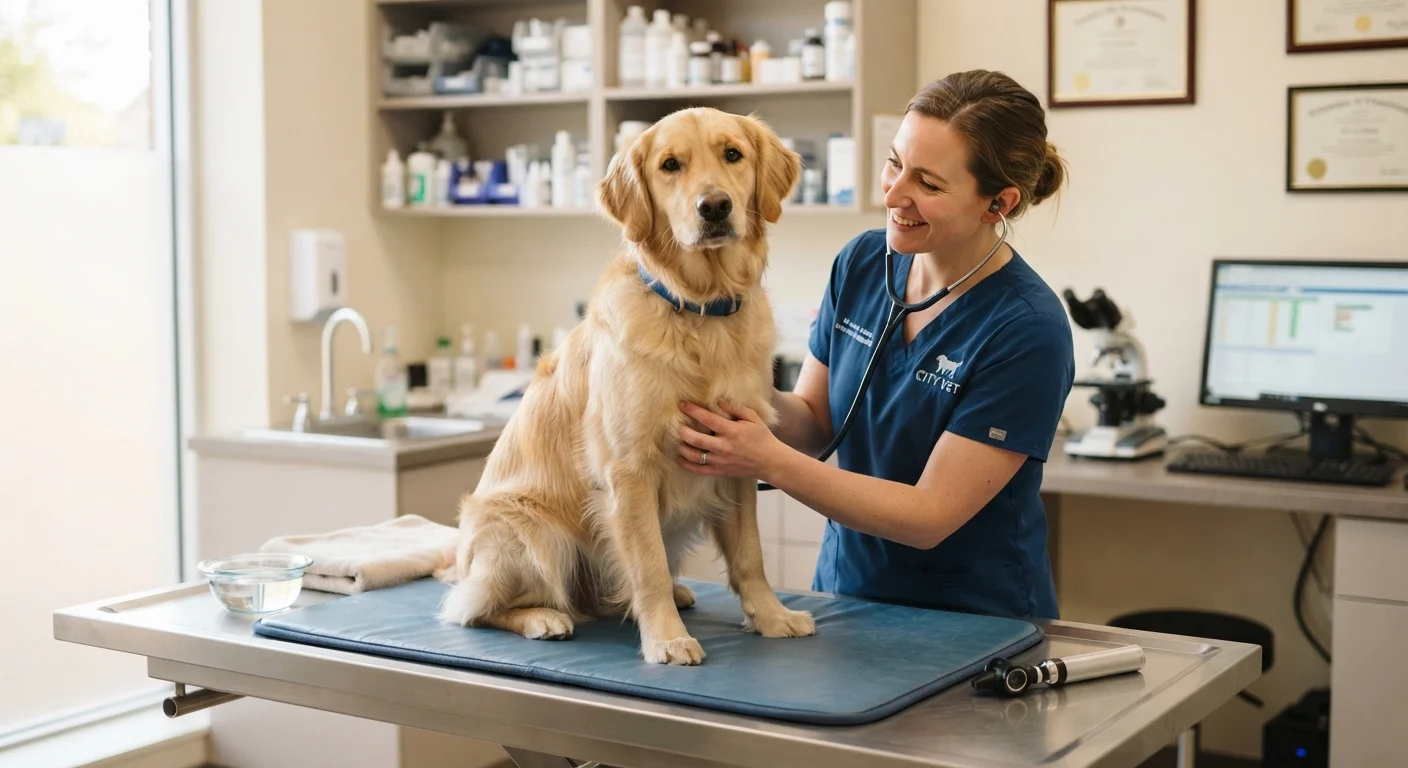
Pain in dogs is rarely black and white. An isolated behavior change on a single day may mean little, but a pattern - especially one that persists for more than a day or two, or involves multiple signs - deserves attention. Keep a brief written or phone-camera record of what you observe and when; this information is genuinely useful to a veterinarian during an exam.
Document What You Observe
Before a vet appointment, use your phone to record short videos of the behavior or posture that concerns you. Dogs often perform normally during clinical exams, and footage of what you observed at home gives your veterinarian far more diagnostic context. A brief log noting when the behavior occurs, how often, and whether anything preceded it - exercise, a meal, waking from sleep - is equally valuable.
Understanding body language more broadly can also sharpen your ability to detect discomfort early. Our guide on what your dog's body language is actually telling you covers posture, ear position, and other signals that overlap with pain responses. Separately, when normal dog behavior actually warrants a vet visit addresses several behaviors - like excessive licking or head-shaking - that owners routinely underestimate.
Your dog cannot tell you something is wrong in words. Treating behavioral observation as a health responsibility - not just an emotional one - is one of the most meaningful things you can do for an animal in your care.
This article is for general informational purposes only and does not constitute veterinary advice. Always consult a licensed veterinarian regarding your dog's health and any concerns about pain or illness.