Why 'It's Just a Habit' Can Be a Costly Assumption
Dogs repeat behaviors for reasons - and while some truly are harmless quirks, others are the body's way of communicating discomfort. The challenge is that many medical symptoms look identical to normal dog behavior on the surface. A dog that scoots across the carpet, shakes its head repeatedly, or licks its paws constantly may simply be written off as having a funny personality. In reality, these actions can point to anal gland impaction, ear infections, or allergies that worsen without treatment.
Understanding which behaviors deserve a closer look - and which mistakes owners commonly make - helps you advocate more effectively for your dog's health. For related context, our guide on signs of pain in dogs that owners often miss explains how dogs instinctively mask discomfort, making owner vigilance even more critical.
Dismissing scooting as a harmless quirk rather than a potential anal gland problem.
Why it happens: Scooting can look almost comical, and owners often assume it's just the dog scratching an itch. Many are unaware that anal glands routinely need to be expressed and can become impacted or infected.
Attributing frequent head-shaking or ear-scratching to a dog just being fidgety.
Why it happens: Head-shaking is so common in dogs - especially floppy-eared breeds - that owners often normalize it. Without visible discharge or odor, the behavior rarely triggers alarm.
Assuming excessive licking or chewing of paws is simply boredom or a nervous habit.
Why it happens: Paw licking is so prevalent that it has become widely accepted as baseline dog behavior. Owners often don't connect it to environmental allergies, food sensitivities, or interdigital cysts.
Chalking up sudden clinginess or restlessness to anxiety without ruling out physical causes.
Why it happens: Behavioral explanations are the default when a dog becomes unusually needy or paces at night. Owners may assume stress or a routine disruption is to blame and try management strategies before considering illness.
Ignoring changes in drinking or urination as normal variation in the dog's routine.
Why it happens: Water intake can vary with heat and activity, so owners rarely flag increased thirst as abnormal. Increased urination is often attributed to the dog simply having more water available.
Patterns That Should Prompt a Vet Call
Context transforms a behavior from benign to concerning. One instance of grass-eating rarely signals trouble; daily episodes paired with vomiting or appetite changes are worth investigating. Our companion article, why dogs eat grass and when it's worth a vet call, breaks down exactly those thresholds.
80%
Dogs with dental disease by age 3
According to the American Veterinary Medical Association, approximately 80% of dogs show signs of periodontal disease by age three - often without obvious symptoms owners would notice at home.
~50%
Ear infections linked to underlying allergies
Veterinary dermatology research consistently finds that recurrent ear infections in dogs are frequently secondary to underlying atopic or food allergies, not isolated ear problems.
Similarly, a dog that occasionally licks its paws after a muddy walk is doing normal grooming. A dog that licks the same spot for hours every day - causing redness, hair loss, or sores - is displaying a compulsive or allergic response that needs professional evaluation. The rule of thumb: if you've noticed the same behavior three or more times in a week, or if it's visibly affecting your dog's skin, coat, ears, or mobility, schedule a vet appointment rather than waiting to see if it resolves on its own.
Don't Wait If Symptoms Escalate Quickly
Some behaviors that start gradually can signal rapid deterioration. If your dog stops eating, becomes lethargic, shows signs of pain when touched, or has any difficulty breathing alongside behavioral changes, treat the situation as urgent. Contact your veterinarian or an emergency animal clinic promptly rather than monitoring at home.
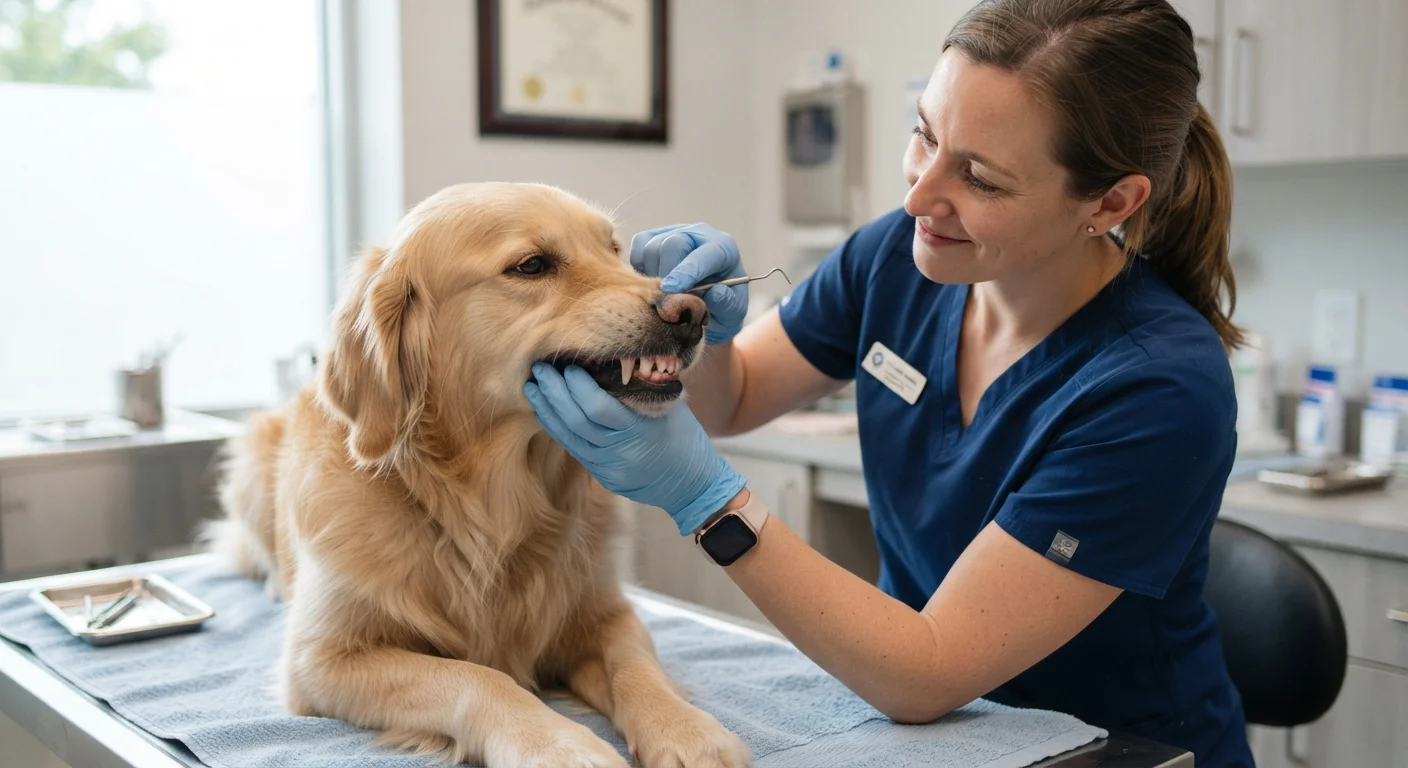
Behavioral changes can also overlap with dental pain. Excessive pawing at the mouth, reluctance to chew, or sudden food aversion may point to periodontal disease - a condition our article on dog dental health and what happens when teeth go ignored covers in depth. The bottom line: trust patterns over isolated incidents, and never hesitate to seek veterinary guidance when something feels off.
This article is for general informational purposes only and does not constitute veterinary medical advice. Always consult a licensed veterinarian for concerns about your dog's health.