Why Tourist-Trap Restaurants Are Such a Budget Drain
The restaurants clustered around famous landmarks, hotel lobbies, and waterfront promenades share a common business model: they're selling convenience and location, not cuisine. Menus are often simplified for international palates, portion sizes shrink, and prices carry a 30-60% premium over what locals actually pay nearby. It's not that the food is always terrible - it's that you're overpaying for an experience that doesn't reflect the place you traveled to see.
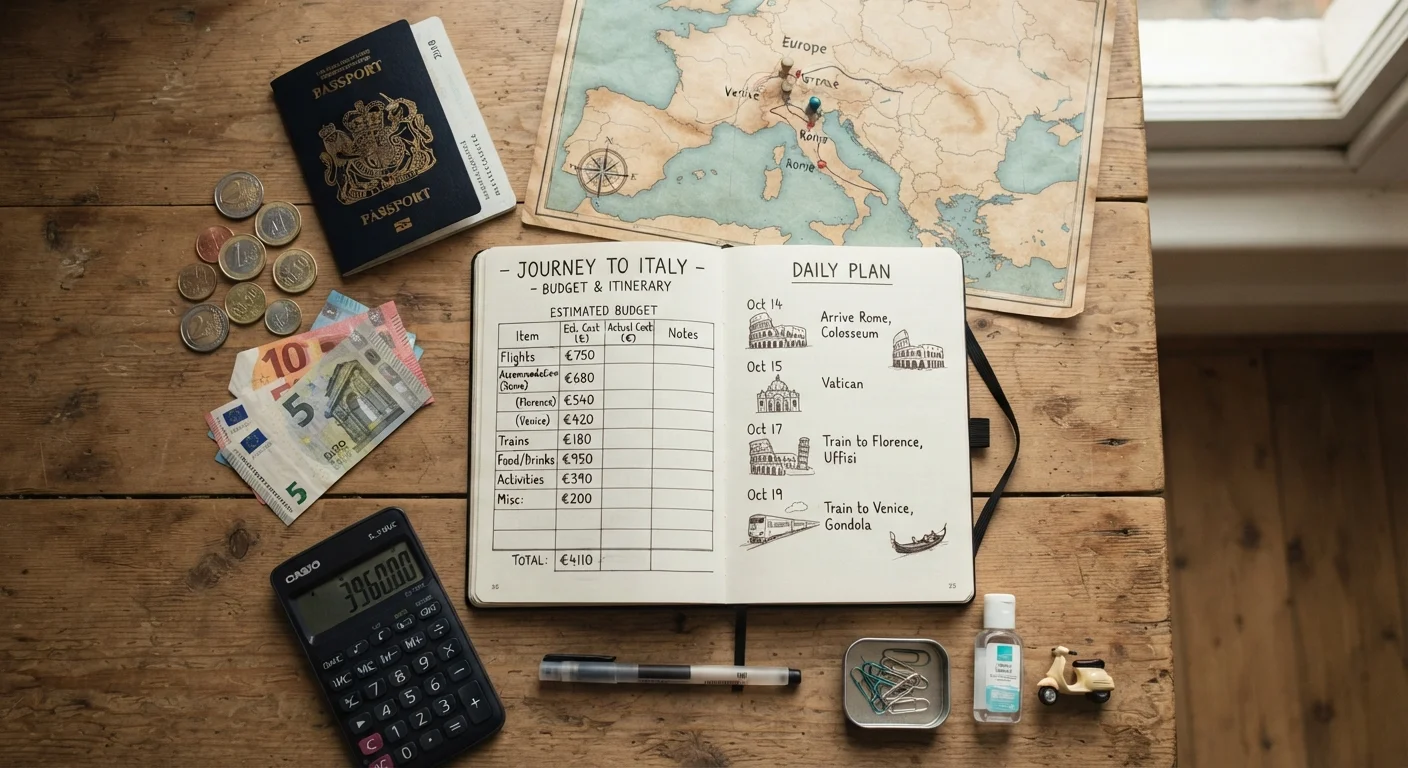
Food is one of the most elastic line items in any travel budget, meaning small daily decisions compound quickly. If you're curious how meals fit into your overall spending plan, the realistic travel budget walkthrough breaks down how to estimate food costs realistically before you leave home. The good news: eating better and spending less usually point in the same direction.
Where to Actually Find Good, Affordable Food
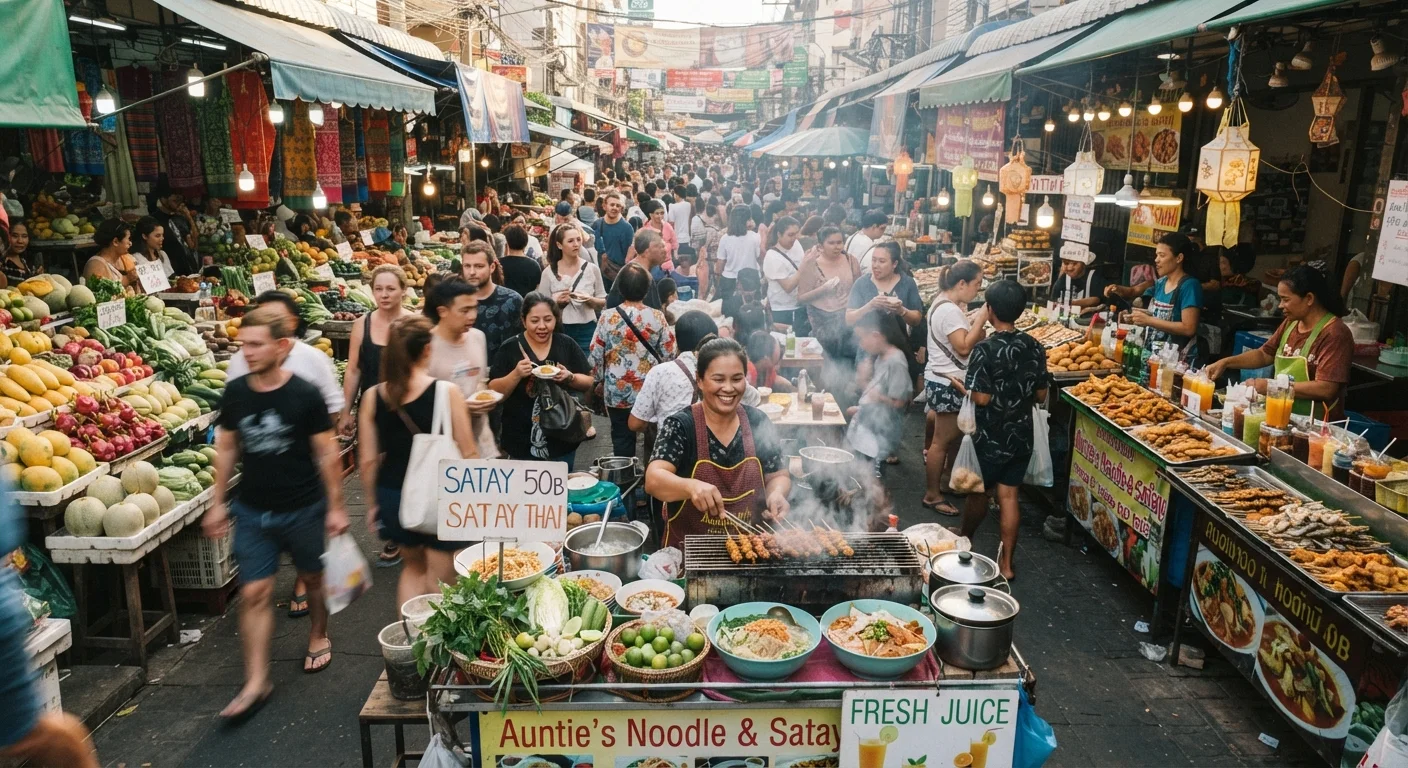
The best strategy isn't to avoid restaurants entirely - it's to know which types of venues consistently deliver value. Local food markets (both indoor and outdoor) are reliably excellent. In the US, many mid-sized cities have thriving public markets with prepared-food vendors who serve the same crowd of locals every weekday. Internationally, wet markets, covered bazaars, and street food courts operate on similarly efficient economics.
Grocery stores with hot-bar or deli sections are underrated by travelers who assume they need table service to eat well. Many regional grocery chains - especially in the American South, Pacific Northwest, and parts of the Midwest - stock prepared foods that reflect local culinary traditions. You can often build a genuinely satisfying meal for under $10, then enjoy it at a park, trailhead, or your accommodation.
Timing and Strategy: Eating Smarter, Not Cheaper
When and how you eat matters as much as where. Lunch is almost universally better value than dinner in sit-down restaurants. Many places that would cost $30-40 per person at dinner offer nearly identical food as a fixed-price lunch for $12-18. This is especially common in France, Spain, and Mexico, but the same logic applies across the US - diners and independent restaurants often run lunch specials that disappear by 3 p.m.
Use the 'Lunch Rule' at restaurants you actually want to try
If a restaurant is on your list because it's genuinely well-regarded, check whether it serves lunch before defaulting to a dinner reservation. Many chef-driven restaurants offer abbreviated but high-quality lunch menus at a fraction of dinner prices. You get the same kitchen, often a quieter room, and a leaner bill - a genuine win on all counts.
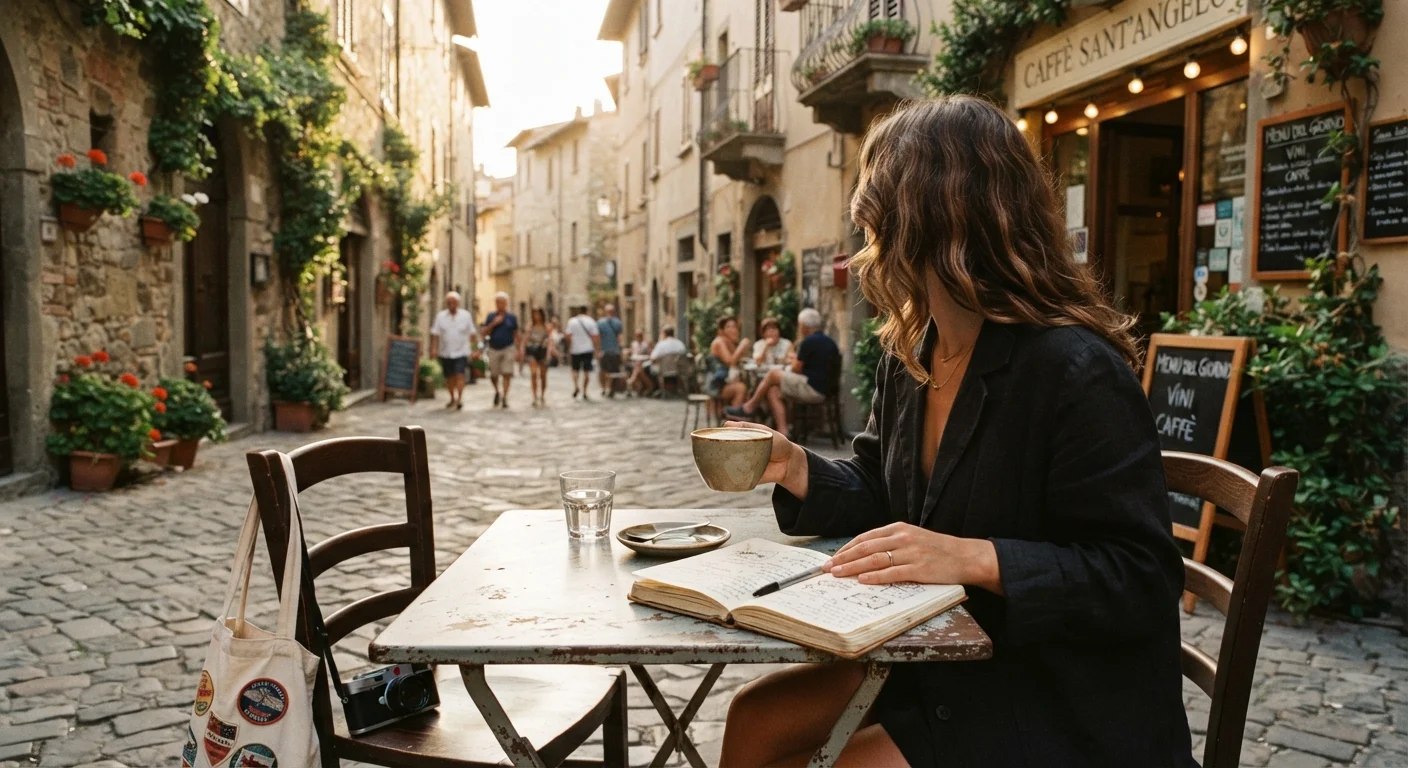
Eating a larger midday meal and keeping dinner light (market snacks, bread, cheese, fruit) also aligns naturally with how many locals actually eat. It reduces decision fatigue in the evening and frees up budget for one genuinely special meal you've researched and chosen intentionally rather than stumbled into hungry.
This kind of deliberate rhythm is one reason slow travel cuts food costs - staying in one place long enough to shop at the same market twice changes your relationship with food from reactive to intentional.
Research That Actually Pays Off
Spending 20 minutes researching food before a trip - not for restaurant rankings, but for what locals eat and where - consistently surfaces options that guidebooks overlook. Search for regional dish names plus the city you're visiting, or look for food-focused travel writing rather than aggregated review platforms. Neighborhood-level searches ("what do people eat in ") often surface more honest results than broad city queries.
30-60%
Premium charged near major tourist landmarks
Travel economists and food journalists consistently note that restaurants within walking distance of top attractions charge significantly more than equivalent venues two or more blocks away.
~$10
Average grocery hot-bar meal cost in the US
Prepared-food sections at many US grocery chains routinely allow travelers to assemble a complete, satisfying meal for under $10, depending on region and food type.
On road trips specifically, mapping a few known local stops along your route before you leave home prevents the "pull off because we're starving" spiral that leads to highway chains. For a deeper look at how food and other costs can quietly inflate an otherwise tight itinerary, see why cheap trips end up expensive. Planning your food the same way you plan your lodging transforms eating from a daily expense into a highlight.
Food Research Works Best When It's Specific
Generic searches for 'best restaurants in [city]' tend to surface the same heavily marketed venues that tourists already flock to. More useful queries include the name of a specific neighborhood, a regional dish, or phrases like 'where locals eat in [city].' Food-focused travel writing and city-specific food blogs often yield more honest, granular results than aggregated review platforms. A little specificity goes a long way.