
Why Structure Makes Travel Better, Not Boring
There's a persistent myth that planning kills spontaneity. In reality, a thoughtful structure is exactly what creates the freedom to be spontaneous. When the essentials are locked in - where you'll sleep, how you'll get there, what it will cost - you can roam the rest of a trip without anxiety pulling at your sleeve.
Think of trip planning less like building a rigid schedule and more like constructing a scaffold. The scaffold holds things up; what you build within it is up to you. Understanding the distinct phases of that scaffold is the first step toward making any trip - first or fiftieth - run more smoothly.
For a comprehensive walkthrough of every stage, see the complete framework for planning any trip. This article focuses on understanding why each phase exists and what it's designed to protect you from.
The Five Core Planning Phases
Most well-organized trips move through five recognizable phases, whether the traveler names them or not.
1. Vision
Before any research begins, you need clarity on what kind of trip you actually want. Adventure vs. relaxation? Solo vs. group? Beach vs. city? Budget range? These parameters determine which destinations are even worth considering. Skipping this step leads to destination choices that look good in photos but don't match your actual needs.
2. Research
This is where destination, timing, and rough budget come into focus. Good research means understanding peak vs. shoulder seasons, entry requirements, cultural norms, and realistic daily costs. It also means identifying which experiences require advance booking - a surprisingly common planning gap.
68%
Travelers who say pre-trip research reduces stress
According to a survey by the American Psychological Association on travel and stress, a majority of travelers report that thorough preparation significantly lowers anxiety before and during a trip.
6-8 weeks
Typical minimum planning window for domestic trips
Travel industry analysts generally suggest this window as a baseline for domestic travel, with more complex itineraries benefiting from longer lead times.
3. Logistics Planning
With a destination and dates chosen, logistics planning maps out transportation between points, accommodation options, and the rough shape of each day. This is where you decide how much to pre-schedule and how much to leave open - a balance worth considering carefully for your travel style.
4. Booking
Execution of the plan: securing flights or ground transport, confirming accommodations, purchasing travel insurance, and making any required reservations. The order matters - anchor bookings (flights, key accommodation) should come before peripheral ones.
5. Pre-Departure Review
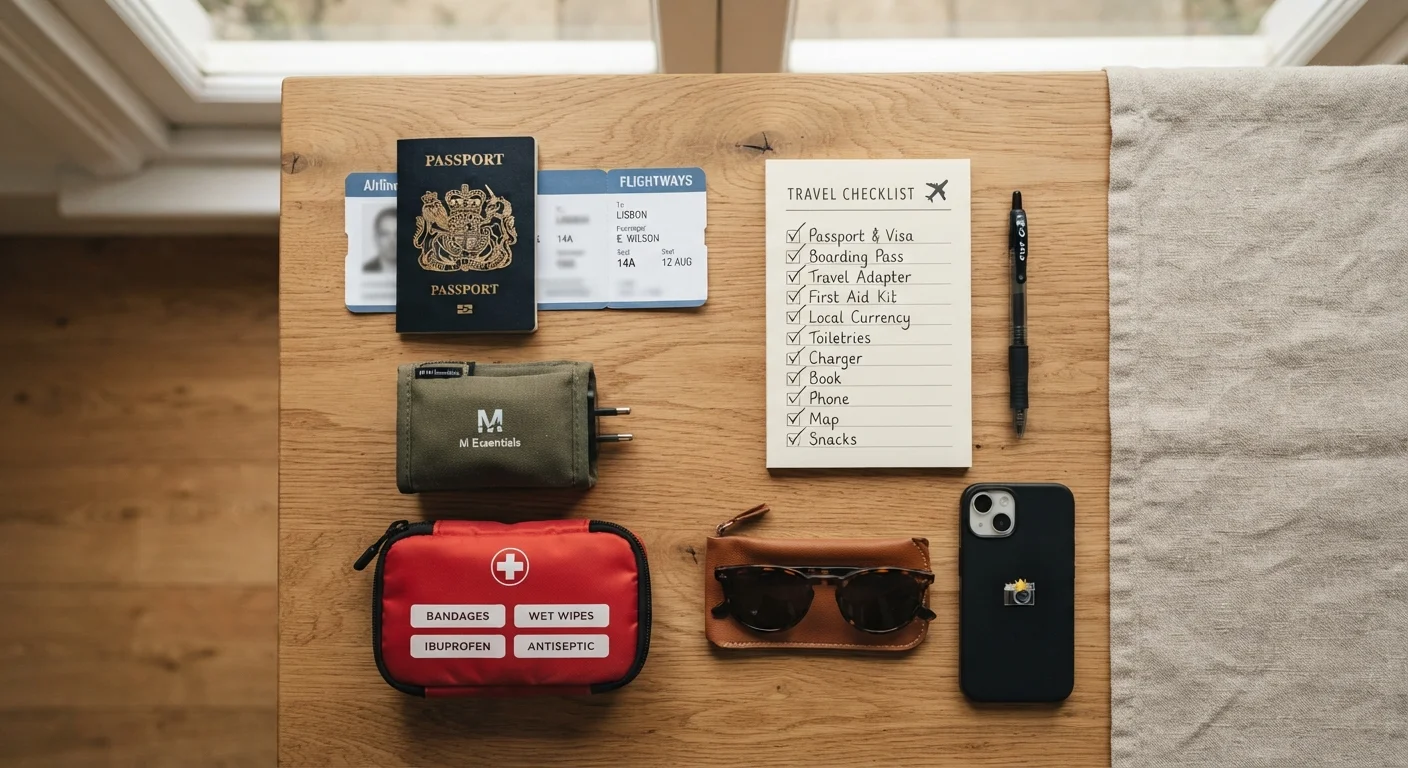
Often neglected, this phase catches the things that slipped through. Document checks, downloaded offline maps, notified contacts, packed essentials. See what experienced travelers always check before leaving for a detailed rundown of commonly missed items.
Budget: The Thread Running Through Every Phase
Budget isn't a single planning step - it's a constraint that shapes every decision from destination selection to how many restaurant meals you'll afford. Experienced travelers establish a realistic total number early and refer back to it throughout planning, rather than tallying costs only at booking time.
Set Your Budget Before You Pick a Destination
Many travelers choose a destination first and calculate costs second - which often leads to sticker shock or compromised plans. Try reversing the order: decide on a realistic total budget, then identify destinations where that budget works comfortably. This single shift makes every subsequent decision easier and more honest.
Budget considerations also determine whether a structured package makes sense for your trip. All-inclusive packages can simplify cost management for some trip types, but they come with real trade-offs worth understanding before committing.
For those working with limited funds, the budget travel hub offers strategies for making each dollar go further without sacrificing experience quality.
Applying the Framework: Road Trips and Beyond
The five-phase framework applies regardless of trip type - international flights, weekend drives, or extended multi-country routes. What changes is the complexity within each phase, not the phases themselves.
For US road trips specifically, logistics planning takes on added weight: route selection, overnight stop spacing, vehicle readiness, and weather windows all require more deliberate attention than a fly-and-stay trip. Planning your first US road trip walks first-time drivers through exactly this kind of layered preparation.
“The more carefully you plan, the more freely you can travel. Preparation isn't the opposite of adventure - it's what makes adventure possible.”
— Rolf Potts, Travel author and advocate for slow, intentional travel
Whatever form your next trip takes, the anatomy stays the same. Build the scaffold well, and the adventure fills itself in.
If unfamiliar terminology is slowing down your research phase, key travel terms every planner should understand provides plain-language definitions for concepts like fare class, open-jaw routing, and travel advisories.