
Why Solo Travel Is Worth the Leap
Solo travel is one of the most rewarding things you can do for yourself - and one of the most misunderstood. Many first-timers assume it means eating alone every night or navigating crises with no support. In reality, traveling alone means building your own schedule, following your own curiosity, and discovering what you're genuinely capable of.
For a fuller picture of how each phase of a trip fits together, our guide on the anatomy of a well-planned trip is an excellent starting point. Whether you're drawn to a domestic road trip or an international destination, the fundamentals of solo planning remain the same.
Travel advisory
An official government assessment of safety conditions in a foreign country or region, typically published by a country's foreign affairs or state department. Advisories range from routine precautions to full warnings against travel.
Daily budget
The estimated total amount you plan to spend each day of your trip, covering accommodation, food, transport, activities, and a small buffer for incidentals.
Travel insurance
A policy that can reimburse or cover costs arising from trip cancellation, medical emergencies, lost baggage, or other disruptions while traveling. Coverage and exclusions vary significantly between providers.
Itinerary
A written plan of your trip, including destinations, dates, accommodation addresses, transport bookings, and emergency contacts. Sharing it with someone at home is a basic solo travel safety step.
Visa
An official government authorization that permits a foreign national to enter, transit, or stay in a country for a specified purpose and period. Requirements vary by nationality and destination - always verify through official embassy sources.
Building Your First Solo Trip Budget
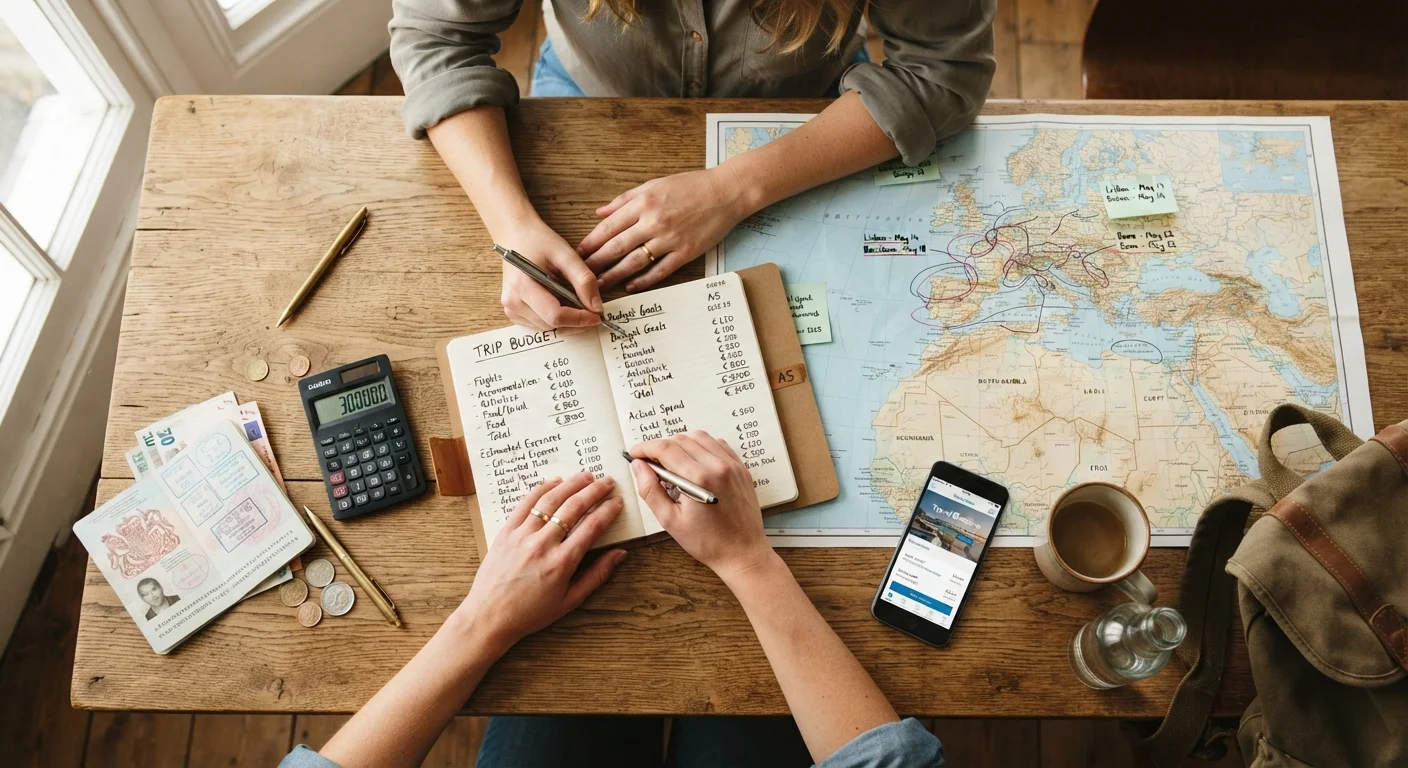
Budget is where solo trips succeed or stall. Unlike group travel, you carry every cost alone - accommodation, transport, food, and activities are all on your tab. That's not a reason to avoid solo travel; it's a reason to plan carefully.
Start by estimating a realistic daily spend for your destination. Factor in accommodation, two to three meals, local transport, and at least one activity. Then add 15-20% as an emergency buffer before you book anything. Our pre-trip budget planning checklist covers this step by step, including hidden costs many first-timers miss.
For broader cost-saving strategies from booking to daily spending, the complete budget travel guide is worth bookmarking. Budget travel resources are also collected in the Budget Travel Tips hub.
Start Shorter Than You Think
For your very first solo trip, consider a three-to-five-night journey before committing to an extended adventure. A shorter first trip lets you practice navigation, budgeting, and decision-making in a lower-stakes environment. Once you've built that confidence, longer trips feel far less daunting.
Choosing Accommodation as a Solo Traveler
Accommodation does double duty on a solo trip: it's where you sleep, and it's often where you meet people. Hostels with private rooms are popular with solo travelers because they offer lower prices than hotels while providing common spaces to connect with others. Guesthouses and boutique hotels offer more privacy but fewer built-in social opportunities.
When evaluating options, look beyond price. Check the neighborhood's walkability, read recent reviews that mention solo travelers specifically, and confirm the property has 24-hour reception if you'll be arriving late. A well-located, moderately priced stay often beats a distant bargain once you factor in transport costs to reach it.
Solo Supplement: A Real Cost to Factor In
Many hotels and tour operators charge a 'solo supplement' - an extra fee for single occupancy that can add 20-50% to quoted prices. This is one of the less obvious costs of solo travel. When budgeting, always search for single-occupancy pricing specifically rather than assuming the listed rate applies to one person.
Staying Safe and Managing the Unexpected
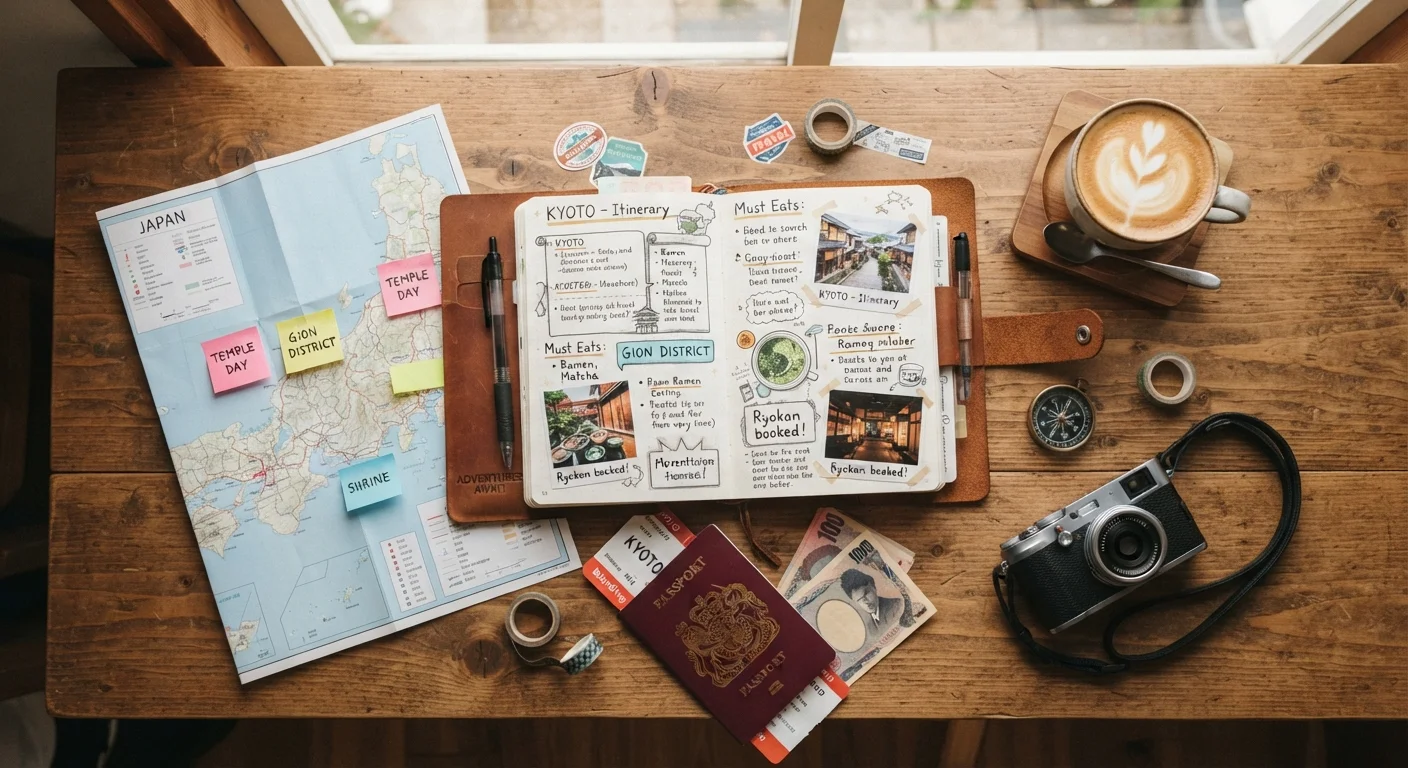
Safety on a solo trip is less about avoiding danger and more about reducing unnecessary risk. Before departure, check your government's official travel advisory for your destination and register your trip if your country's foreign affairs department offers that service. Share a copy of your itinerary - including accommodation addresses and flight details - with a trusted person at home.
Carry digital and physical copies of your passport, travel insurance, and emergency contacts in separate locations. Travel insurance is strongly recommended for solo travelers; without a companion, you have no immediate backup in a medical or logistical emergency. Read your policy carefully so you know what it covers before you need it.
If something does go wrong - a missed connection, illness, or lost bag - take a breath before reacting. Most travel disruptions have solutions, and panic rarely helps find them. Airlines, accommodation providers, and travel insurers all have processes for handling common problems.
Essential Pre-Departure Checklist
The week before departure is where preparation pays off. Run through this checklist to leave with confidence:
- Documents: Passport valid for at least six months beyond travel dates; visa requirements confirmed through official embassy sources; copies stored digitally and in a separate bag.
- Health: Consult a travel medicine professional about recommended vaccinations or medications for your destination well in advance of departure.
- Money: Notify your bank of travel dates and destinations; carry a backup payment method; confirm ATM availability at your destination.
- Communication: Arrange an international phone plan or identify reliable Wi-Fi locations at your destination; download offline maps.
- Insurance: Confirm your travel insurance policy is active and covers your planned activities.
- Itinerary share: Send a full copy to a trusted contact at home, including how often you'll check in.
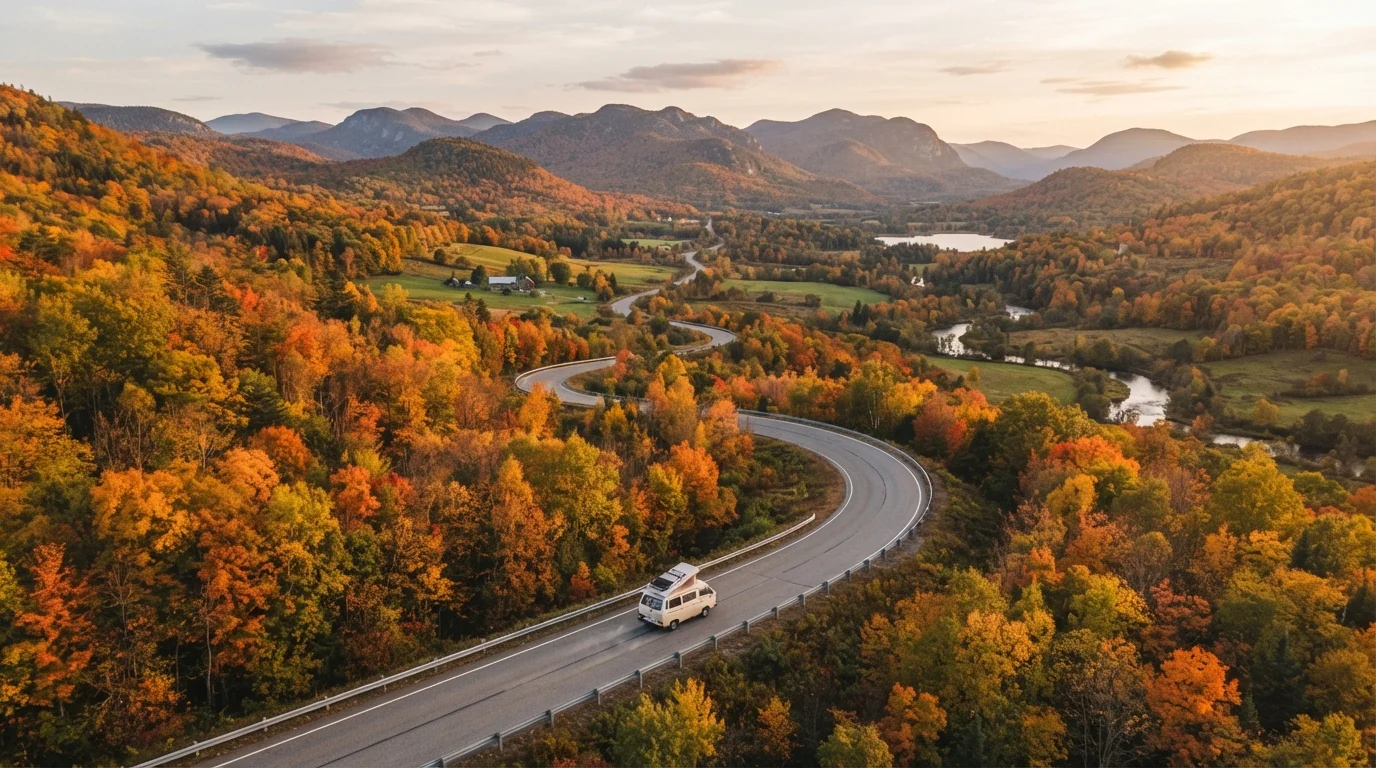
If your first solo adventure is a domestic drive rather than a flight, our guide to planning your first US road trip covers the specific preparation that overland travel requires, from route planning to roadside safety.
Government Travel Advisory Portal
The US State Department's travel.state.gov publishes current advisories, entry requirements, and emergency contact information for every country. It should be your first stop when researching a new destination's safety and visa requirements.
Pre-Trip Budget Planning Checklist
A structured checklist covering all cost categories - from flights and accommodation to daily spending and emergency funds - designed to help you build a realistic solo travel budget before booking.