What That Squeal Is Actually Telling You
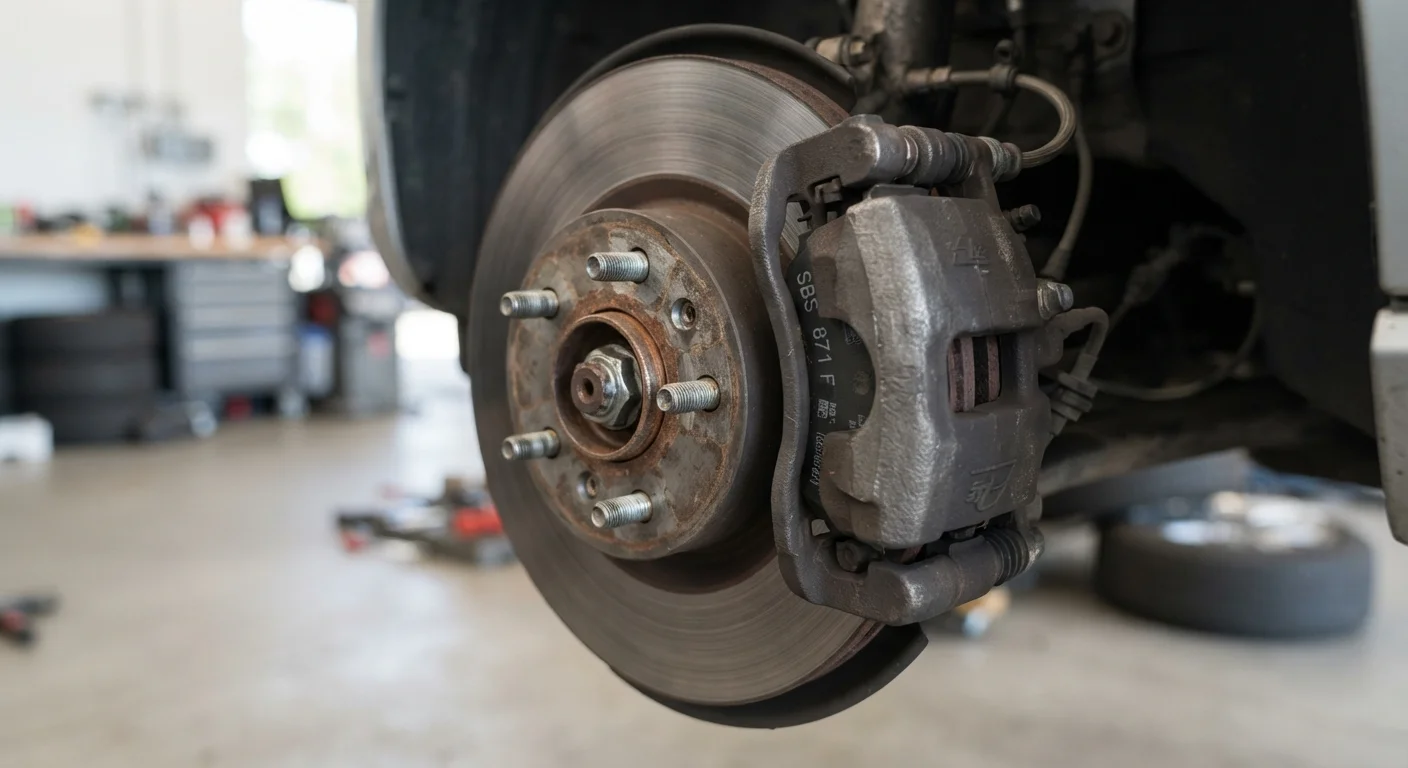
Brake noise is your car's built-in communication system working as designed. Most modern brake pads include a small metal wear indicator - a tab that contacts the rotor and produces a high-pitched squeal when friction material gets low. That sound is intentional, meant to alert you before the pads wear completely through.
But not every squeal means worn pads. Surface rust on rotors - common after a vehicle sits overnight or in wet conditions - often produces a brief squeal during the first few stops of the day. This typically clears within a minute of normal driving and requires no action. Dust, certain brake pad formulations (particularly semi-metallic compounds), and even cold temperatures can also produce occasional noise that isn't cause for concern.
The distinction that matters: noise that appears consistently during every braking event and doesn't clear is the signal that warrants investigation. Understanding what you're hearing - and when - is the foundation of responding correctly. This kind of awareness fits into the broader discipline of routine car maintenance every owner should know.
Common Mistakes Drivers Make When Brakes Squeal
How a driver responds to brake noise matters just as much as the noise itself. The errors below are the most common - and the most preventable.
Assuming all brake squealing is an emergency - and panicking unnecessarily.
Why it happens: Brake noise is alarming by nature, and many drivers immediately fear brake failure when they hear a squeal.
Assuming the noise will go away on its own and postponing inspection indefinitely.
Why it happens: The noise sometimes fades temporarily, giving drivers a false sense that the problem resolved itself.
Confusing brake noise with other vehicle sounds and misdiagnosing the source.
Why it happens: Squealing can also come from worn wheel bearings, loose heat shields, or even tire issues, not just brake pads.
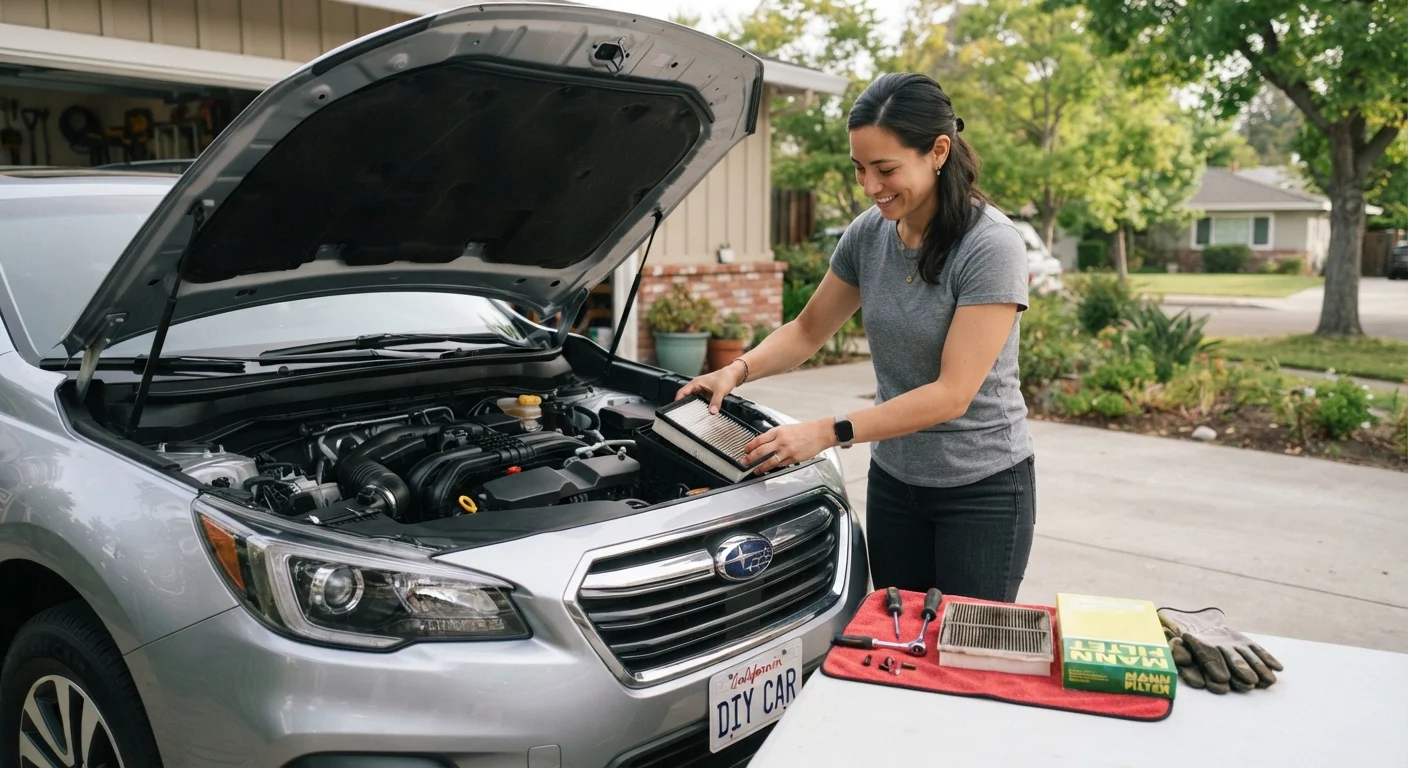
Attempting to DIY brake pad replacement without adequate experience or tools.
Why it happens: Brake pad replacement looks straightforward in online tutorials, and the parts are widely available.
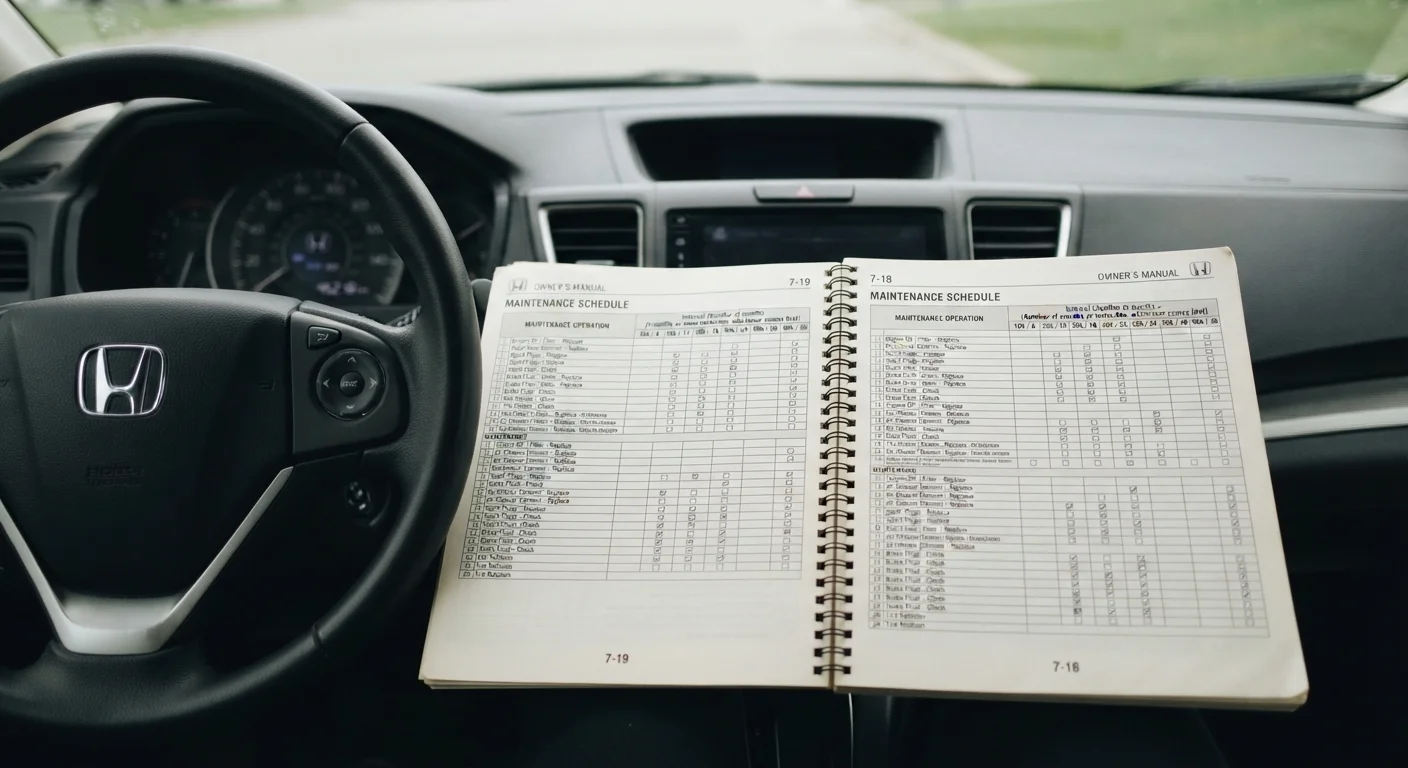
Skipping brake inspections in the manufacturer's recommended maintenance schedule.
Why it happens: Brake inspections aren't always listed prominently, and drivers focus on oil changes as the main maintenance milestone.
Don't Ignore Brake Noise for Weeks
It's easy to rationalize brake noise as minor, especially if the car still seems to stop normally. However, brake pad wear accelerates quickly once the friction material gets thin, and what costs a modest pad replacement today can become a much more expensive rotor resurfacing or replacement job within weeks. Early inspection almost always saves money.
When you do bring your vehicle in, describing the noise precisely helps your mechanic narrow down the cause quickly. Is it every stop or just the first few? Does it happen at low speeds, high speeds, or both? Does releasing the brake pedal change the sound? These details are genuinely useful diagnostic information.
Grinding Means Stop Driving Immediately
If squealing has progressed to a grinding or metal-on-metal sound, your brake pads may be completely worn through. Continuing to drive risks damaging the rotors, reducing stopping power, and creating a genuinely dangerous situation. Have the vehicle inspected by a qualified mechanic before driving it further.
When It's Safe to Wait - and When It Isn't
Not every brake squeal demands same-day action, but the window for safe delay is narrower than most drivers assume. A brief morning squeal on a vehicle you know has recently inspected brakes can reasonably be monitored for a day or two. Persistent squealing in a vehicle whose brake service history is unknown should be treated as urgent.
As a practical rule: if you're unsure, get it checked. Brake inspections are among the faster and more affordable shop visits available, and the cost of catching a worn pad early is far lower than replacing scored rotors. A qualified mechanic can visually confirm pad thickness and rotor condition in minutes.
For drivers who want to stay ahead of brake issues rather than react to them, building brake inspections into your regular service rhythm is the most reliable approach. Your manufacturer's recommended intervals are the right starting point - not mileage rules of thumb you've heard secondhand.