Why Scheduled Maintenance Exists
Every car rolls off the assembly line with a manufacturer-specified maintenance schedule - a timed sequence of inspections, fluid changes, and part replacements designed to keep the vehicle operating safely and efficiently. These schedules aren't suggestions invented by service centers; they're engineering requirements built around the wear rates of real components under real operating conditions.
Skipping or delaying scheduled service rarely causes immediate, obvious problems. That's what makes deferred maintenance financially dangerous: the costs accumulate quietly. A neglected oil change degrades lubrication and accelerates engine wear. An ignored coolant flush allows corrosion inside the cooling system. Small, cheap services left undone become expensive repairs down the road. For a full picture of those hidden costs, see why drivers underestimate their annual car costs.
| Maintenance Schedule Source | Owner's manual, manufacturer website, or dealer service portal |
| Oil Change Interval (Synthetic) | 5,000-10,000 miles (varies by vehicle) (General industry guidance; check your owner's manual) |
| Tire Rotation Interval | Every 5,000-7,500 miles (General industry guidance) |
| Timing Belt Replacement | Typically 60,000-100,000 miles (Varies significantly by manufacturer) |
| Impact on Resale Value | Documented service history increases buyer confidence and can support higher resale prices |
Core Services and Their General Intervals
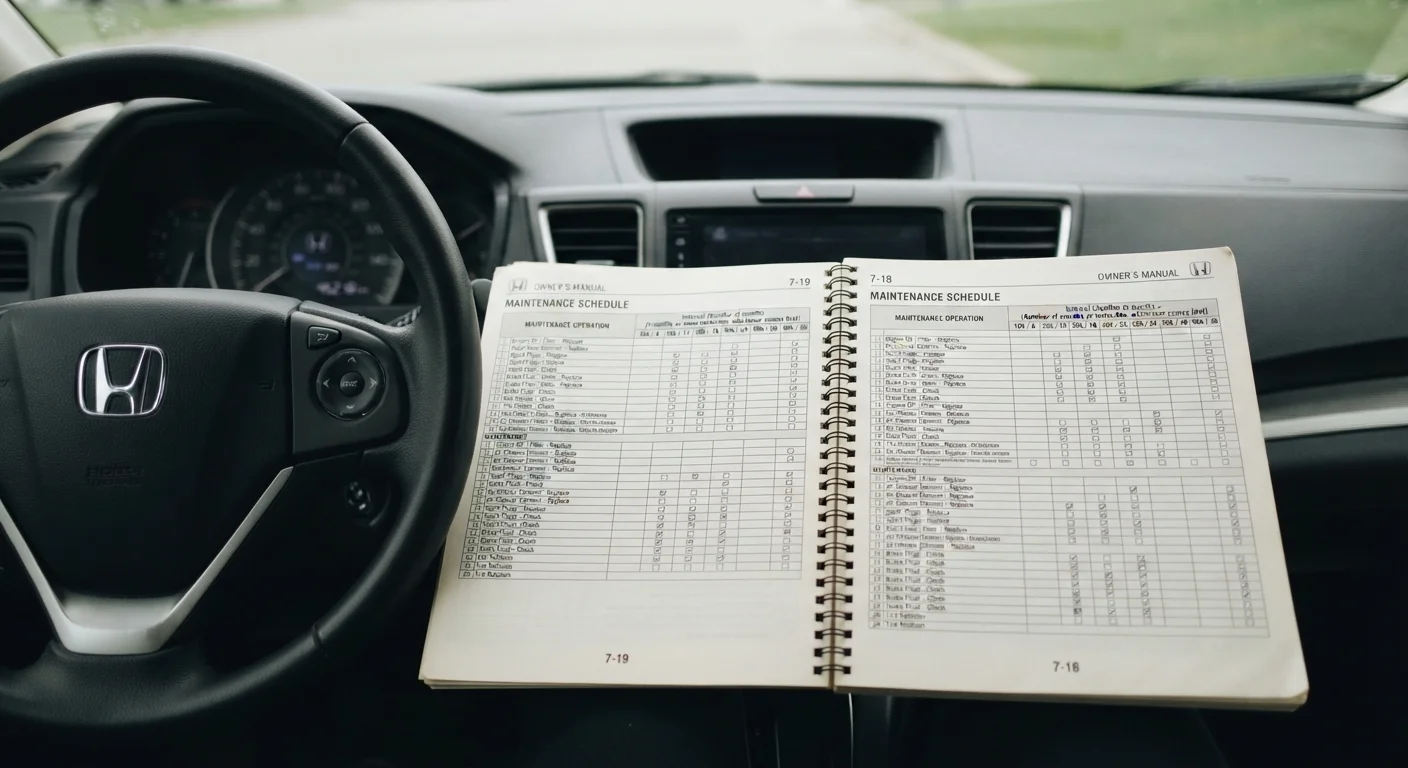
While exact intervals vary by vehicle, driving conditions, and the type of fluids used, the services below represent the standard maintenance every car owner should understand. Always verify your specific schedule in your owner's manual - and if you're unsure how to read it, this guide to reading your owner's manual walks through the process clearly.
Preventive Maintenance
Scheduled service performed before a component fails, based on time or mileage intervals. The goal is to catch wear before it becomes a breakdown.
Synthetic Oil
A laboratory-engineered motor oil that offers better performance at temperature extremes and typically allows longer intervals between oil changes compared to conventional oil.
Timing Belt
A rubber belt that synchronizes the engine's crankshaft and camshaft, controlling valve timing. Failure can cause severe engine damage and is a known high-stakes replacement item.
Coolant Flush
The process of draining old engine coolant, cleaning the cooling system, and refilling with fresh fluid. Prevents overheating and internal corrosion over time.
Tire Rotation
Moving each tire to a different position on the vehicle to equalize tread wear across all four tires, extending their usable life.
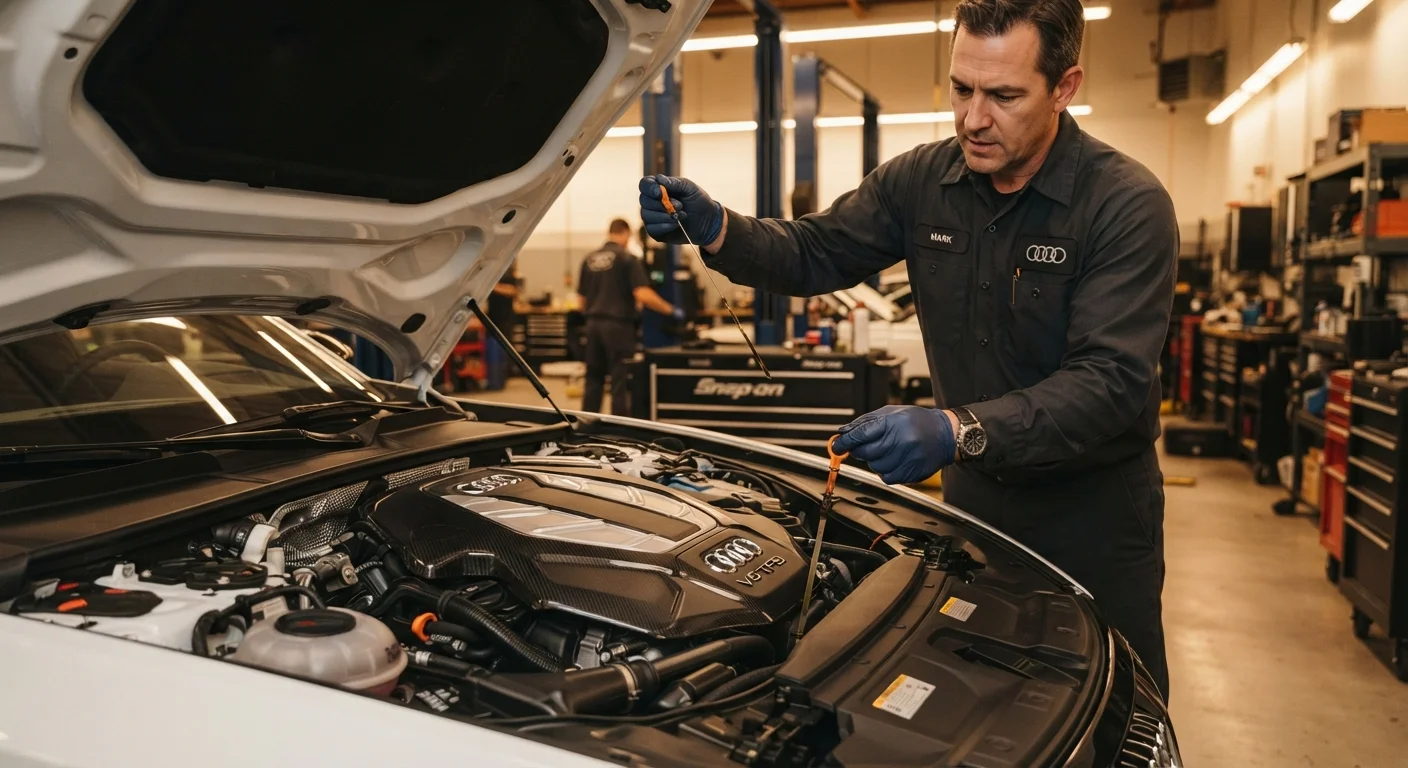
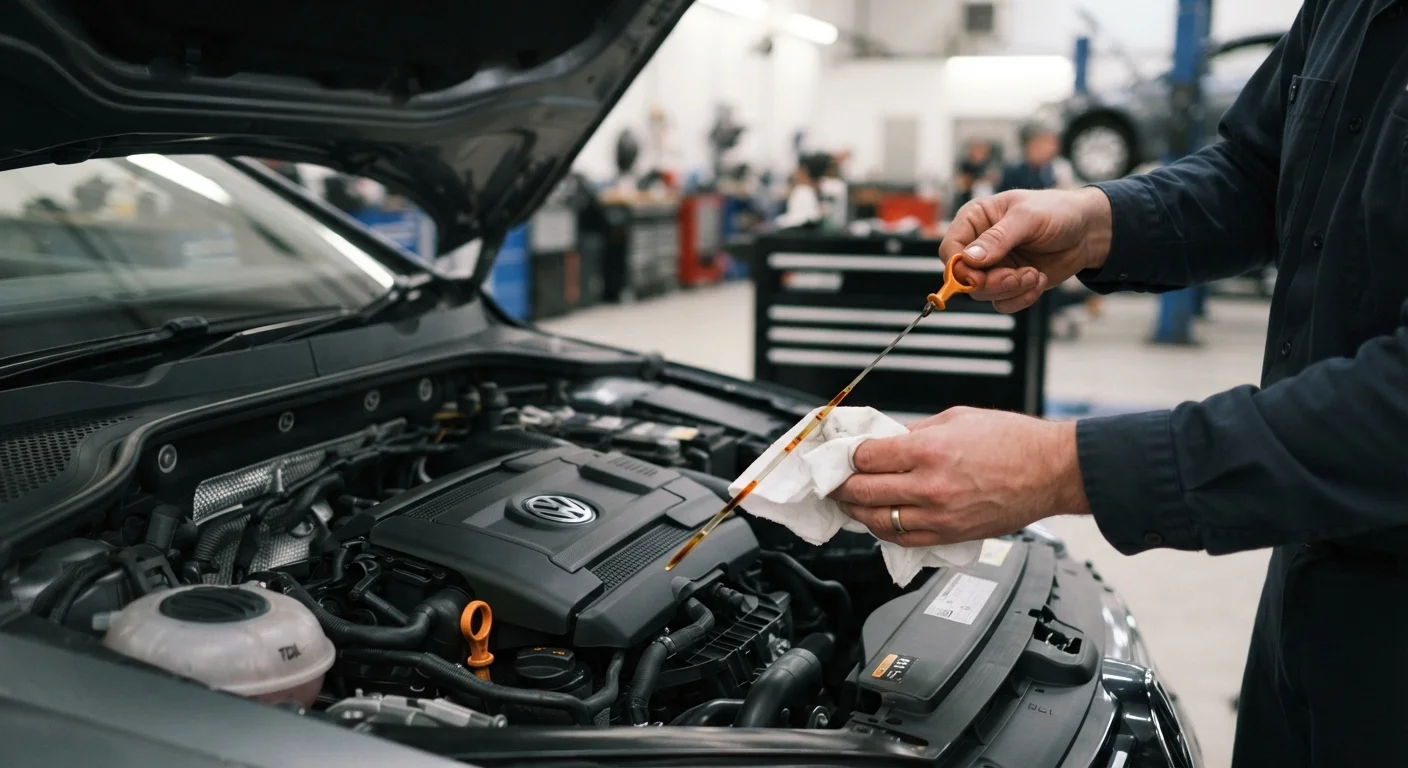
- Engine oil and filter: Typically every 5,000-10,000 miles for modern vehicles using synthetic oil, though older or high-mileage engines may require shorter intervals. Oil lubricates moving parts and carries heat away from the engine.
- Tire rotation: Generally every 5,000-7,500 miles. Moving tires between positions evens out tread wear, extending tire life and maintaining predictable handling.
- Air filter (engine): Roughly every 15,000-30,000 miles. A clogged filter restricts airflow, reducing fuel efficiency and potentially affecting engine performance.
- Brake inspection: At least annually, or whenever brake feel changes. Pads, rotors, and fluid should all be assessed. Brake work should always be handled by a qualified technician.
- Coolant flush: Typically every 30,000-50,000 miles depending on the fluid type. Coolant prevents overheating and protects against internal corrosion.
- Transmission fluid: Intervals vary widely - some manufacturers recommend changes every 30,000 miles; others specify much longer intervals for sealed systems. Check your manual.
- Cabin air filter: Every 15,000-25,000 miles. Affects air quality inside the vehicle and HVAC system efficiency.
- Timing belt or chain: Belts typically require replacement between 60,000 and 100,000 miles. A snapped timing belt can cause severe engine damage. Chains generally last longer but should still be monitored.
For a comprehensive breakdown of each of these services across a vehicle's lifetime, the complete vehicle maintenance overview covers each milestone in detail.
What Skipping Service Actually Costs
The financial case for routine maintenance is straightforward: preventive service costs significantly less than the repairs that follow neglect. Engine rebuilds, transmission replacements, and cooling system failures are among the most expensive repairs a car owner can face - and many trace directly back to missed maintenance.
$0.09/mile
Average maintenance and repair cost per mile
According to AAA's annual Your Driving Costs study, maintenance and repair represents a significant share of total vehicle ownership expense.
Up to $4,000+
Potential cost of engine damage from oil neglect
Engine damage stemming from degraded or insufficient lubrication is one of the most expensive repair outcomes associated with deferred maintenance.
Beyond repair bills, a neglected maintenance history affects resale value. Prospective buyers and dealers routinely discount vehicles that lack documented service records. Keeping good service records is one of the lower-effort habits with a meaningful long-term payoff. Maintenance also intersects with depreciation - a well-maintained vehicle depreciates more slowly than one showing signs of wear. See how depreciation works for context on that relationship.
Driving Conditions Affect Your Schedule
Manufacturers often publish two schedules: one for 'normal' conditions and one for 'severe' conditions - which includes frequent short trips, extreme temperatures, towing, or stop-and-go city driving. Many US drivers technically qualify for the severe schedule. Check your owner's manual to determine which applies to you.
Drivers who want to handle some tasks themselves can do so safely with the right guidance. DIY car maintenance guidance distinguishes clearly between tasks appropriate for home mechanics and those that require professional equipment or training. For building reliable habits over the long term, keeping a car running well for the long haul offers practical, sustained strategies.