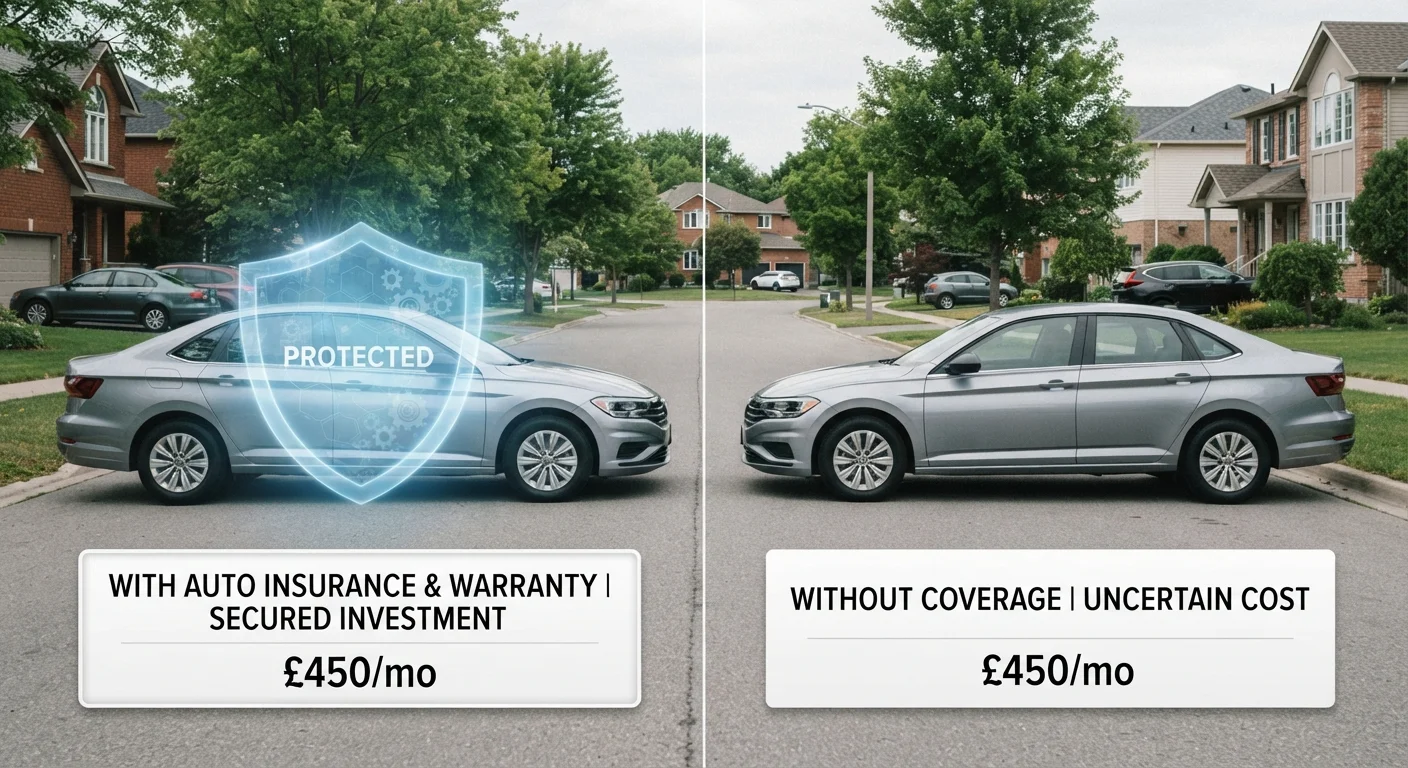

Why Policy Literacy Matters More Than You Think
Auto insurance is a legal contract, and like any contract, the terms you agreed to - not the ones you assumed - govern what happens when something goes wrong. Yet most drivers never read beyond the declarations page, leaving them exposed to coverage gaps they didn't know existed. Understanding your policy before you need it puts you in a far stronger position when a claim arises.
It's also worth knowing that auto insurance policies share a broadly similar structure across most states. Once you understand how one is organized, future policies become easier to navigate. For a deeper look at widely misunderstood aspects of coverage, our article on common auto insurance myths is a useful companion read.
Don't Wait Until a Claim to Read Your Policy
Most drivers only open their policy documents after an accident - by then it's too late to correct gaps in coverage. Reviewing your policy when you're not under stress gives you time to ask questions, request changes, and truly understand what you're paying for. Make it a habit to re-read the policy at every renewal period.
What You'll Need Before You Start
Gather your policy documents - digital or paper - before working through the steps below. Your insurer is required to provide a full copy on request at no charge. Having a highlighter or annotation tool on hand will help you flag clauses that need follow-up.
What you will need
Declarations Page
Provides a one- to two-page snapshot of your policy: named insured, vehicle, coverage types, limits, and premium.
Full Policy Document
Contains the complete legal terms, definitions, exclusions, and conditions that govern your coverage.
Endorsements / Riders
Supplemental pages that add, remove, or modify specific provisions in the base policy.
Highlighter or Annotation Tool
Helps you mark confusing clauses, key limits, and exclusions for follow-up.
How to Read Your Policy Step by Step
Work through these steps in order. Skipping directly to coverage sections without first reading definitions and exclusions is one of the most common reasons drivers misunderstand what they're protected for.
Start with the Declarations Page
The declarations page (often called the "dec page") is the first document in your policy packet. It lists your name, address, policy number, effective dates, covered vehicles, and - critically - every coverage type you carry along with its limit and your deductible for each. Confirm that the vehicle description, VIN, and listed drivers are accurate. Errors here can complicate claims.
Understand Your Coverage Limits and Deductibles
Limits are the maximum dollar amounts your insurer will pay per claim or per policy period. Deductibles are what you pay out of pocket before coverage kicks in. For example, a collision limit of $50,000 with a $1,000 deductible means the insurer covers repair costs above $1,000 up to $50,000. Note whether limits are per-person, per-occurrence, or aggregate - these distinctions matter enormously in multi-vehicle accidents. For a plain-language breakdown of what each coverage type protects, see our coverage type explainer.
Read the Definitions Section
Policy language assigns precise, sometimes narrow meanings to common words. Terms like "accident," "occurrence," "insured," and "covered vehicle" may be defined differently than everyday usage suggests. Read this section before diving into coverage provisions - it will clarify the scope of what follows and prevent you from misreading who and what are actually protected.
Map Out Every Exclusion
Exclusions list situations, people, and damage types your policy will not cover. Common exclusions include intentional damage, driving for hire without a rideshare endorsement, business use of a personal vehicle, and mechanical breakdown. Read each exclusion carefully and ask yourself whether any apply to how you actually use your car. An exclusion you didn't know existed is the most common source of claim denials.
Review All Endorsements and Riders
Endorsements are attached pages that change your base policy - they can add coverage (such as gap insurance or rental reimbursement) or restrict it. List every endorsement by name and number, then confirm you understand what each one does. Endorsements supersede conflicting base policy language, so they carry real weight. If you're unsure whether full coverage makes financial sense for your situation, our guide on full coverage vs. liability-only insurance can help frame that decision.
Note the Conditions and Your Duties After a Loss
The conditions section outlines what you must do to keep coverage valid and what steps are required after a loss - such as notifying the insurer promptly, cooperating with the investigation, and not admitting liability at the scene. Failing to meet these conditions can jeopardize a valid claim. Keep the insurer's claims number easily accessible so you can act quickly when needed.
Write Down Questions and Contact Your Insurer
After your full read-through, compile a list of anything unclear - specific exclusions, limit adequacy, or endorsement applicability. Contact your insurer's customer service line or your agent with these questions and request written responses. Verbal explanations don't carry legal weight; written answers do. Store all correspondence with your policy documents for future reference.
Use Your Insurer's Summary Tools as a Starting Point
Many insurers provide a coverage summary or online dashboard that highlights your main limits and coverages. These are useful for a quick scan but are not substitutes for the full policy document. Always cross-reference the summary against the actual policy language, especially for exclusions and conditions.
Verbal Assurances Don't Override Written Policy Terms
If an agent tells you something is covered but the written policy says otherwise, the written document controls. Always verify coverage details in writing, and if you request a change, ask for a written confirmation or updated declarations page before assuming it's in effect.
This article provides general information about auto insurance documents for educational purposes only. It is not legal or financial advice. Policy terms vary by insurer and state. Consult a licensed insurance professional for guidance specific to your situation.