The Gap Between What Drivers Budget and What They Actually Spend
Ask most drivers what their car costs per month, and they'll cite their loan payment, their insurance premium, and a rough estimate of what they spend on fuel. That mental math isn't wrong - but it's incomplete in ways that quietly drain hundreds or even thousands of dollars every year.
The real cost of car ownership is distributed across dozens of line items, many of which arrive unpredictably or only once or twice a year. Because these expenses don't show up in a monthly statement, most drivers never add them up. The result is a persistent underestimate that makes car ownership look far more affordable than it actually is.
For a fuller picture of every dimension of vehicle cost, see everything that goes into the real cost of car ownership. This article focuses specifically on the budgeting mistakes that cause drivers to miss so much of the total.
Ignoring registration, taxes, and licensing fees as a recurring annual cost.
Why it happens: These fees are paid once a year in a lump sum, so they don't feel like a monthly expense. Drivers often treat them as a one-time disruption rather than a predictable annual obligation.
Treating tires and battery replacement as unexpected emergencies rather than predictable maintenance.
Why it happens: Because tires and batteries last several years, drivers forget they will eventually need replacing. When the expense arrives, it feels sudden even though the timeline is entirely predictable.
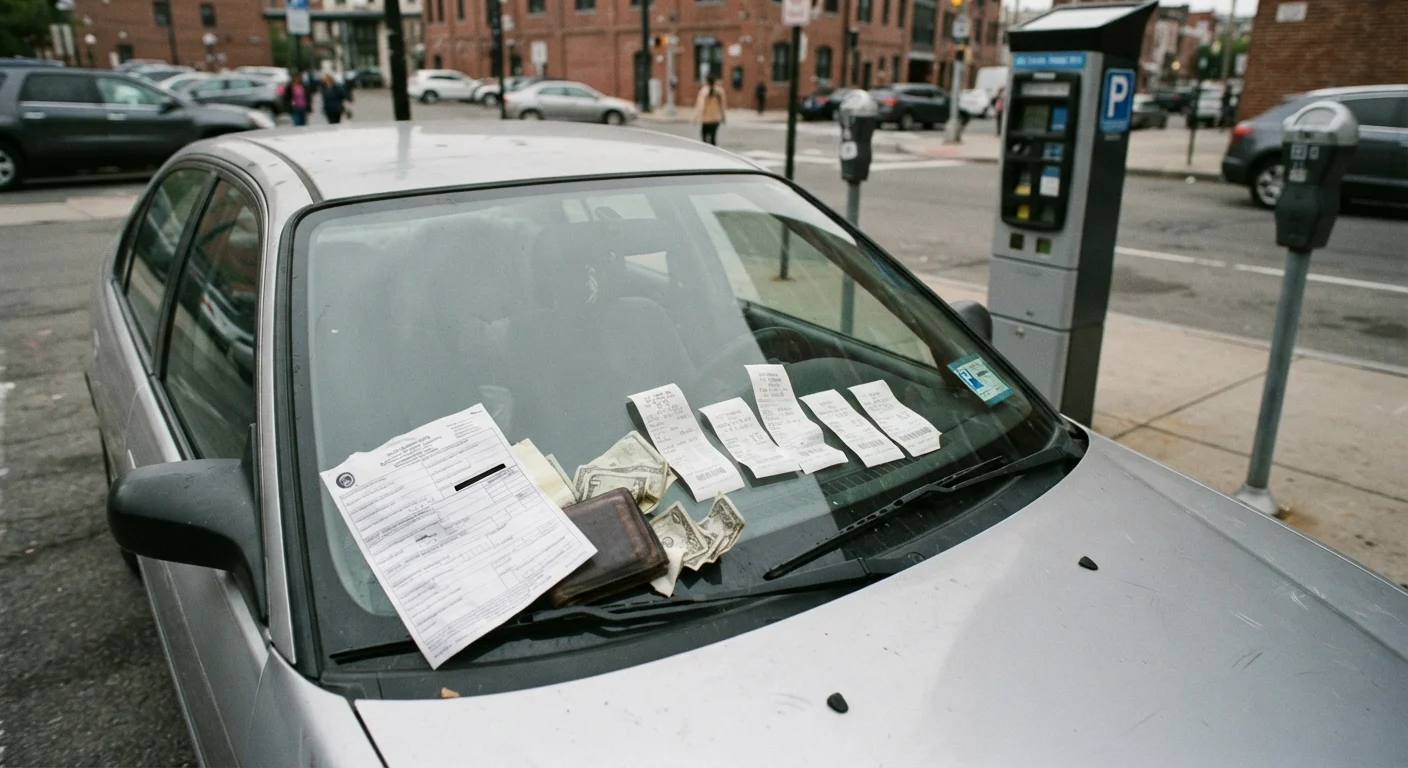
Underestimating the cumulative cost of parking, tolls, and car washes.
Why it happens: Individual transactions are small - a few dollars here, a toll there - so they never feel significant in the moment. Without tracking, these costs are essentially invisible.
Excluding depreciation from any sense of what the vehicle costs to own.
Why it happens: Depreciation is abstract - no bill arrives, no payment is due. Drivers associate ownership costs with cash leaving their account, not value quietly leaving their asset.
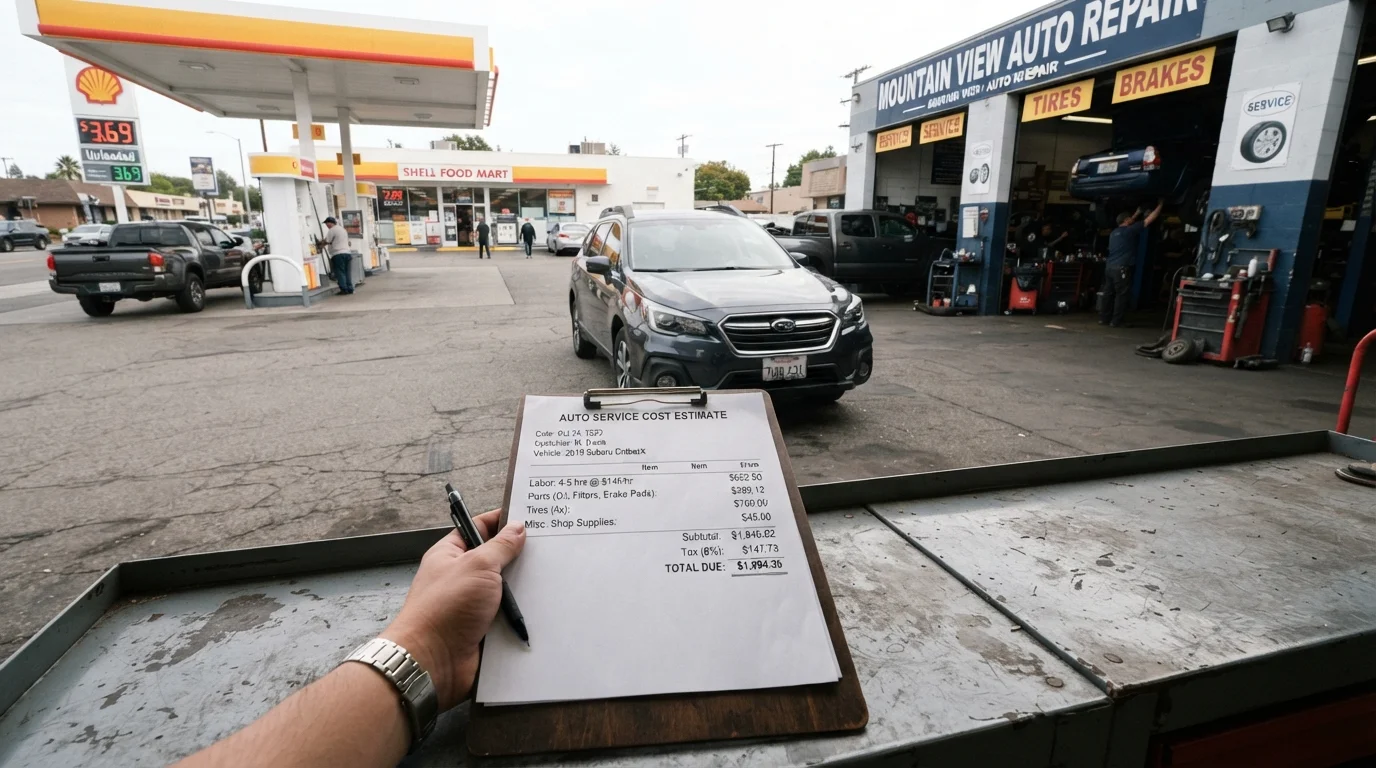
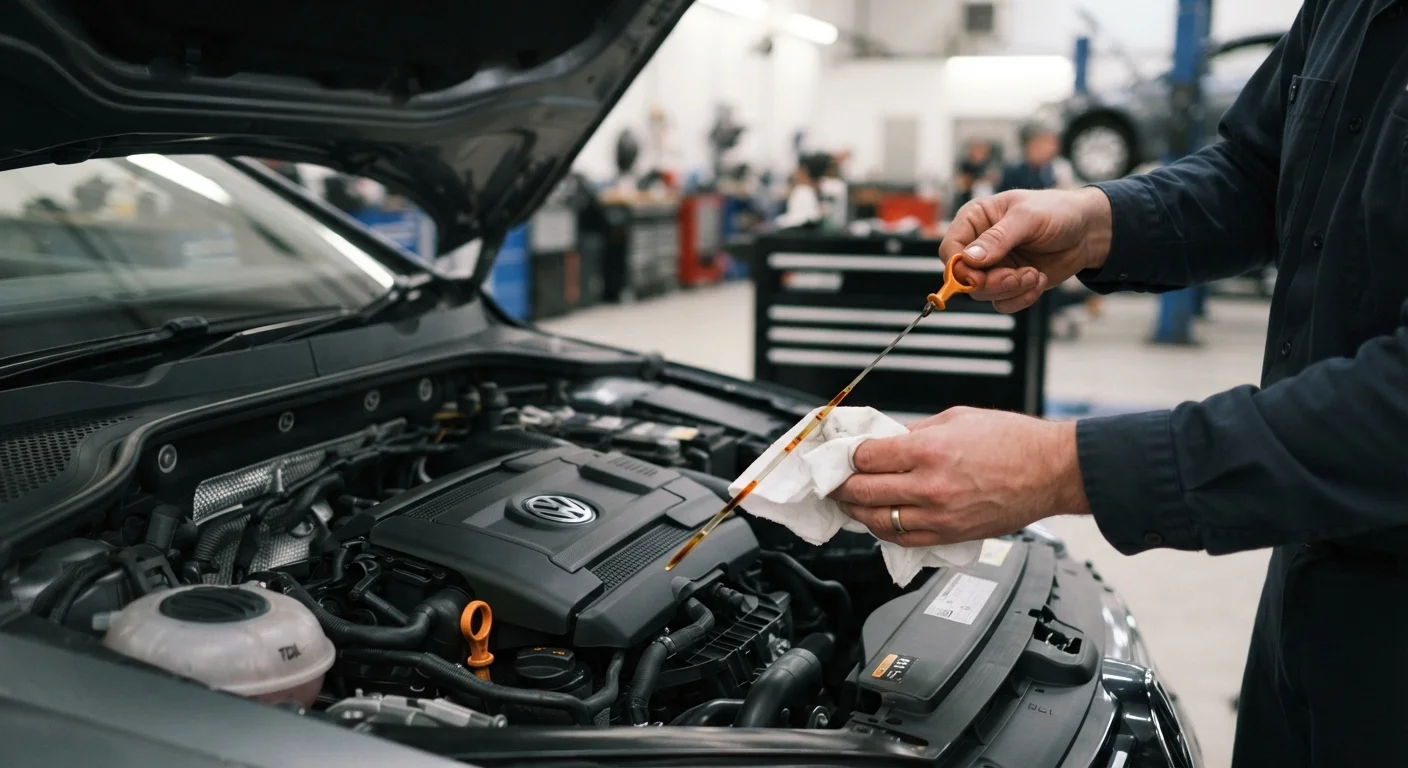
Budgeting only for scheduled maintenance while ignoring the likelihood of unscheduled repairs.
Why it happens: Drivers budget for predictable costs like oil changes but assume repairs are rare or won't happen to them - an optimistic bias that rarely holds over a multi-year ownership period.
Forgetting fuel costs fluctuate and budgeting based on a single favorable period.
Why it happens: Drivers often establish a fuel budget during a period of lower prices and never revise it. As prices rise or driving patterns change, the budget becomes increasingly disconnected from reality.
How to Build a More Accurate Car Budget
Correcting these blind spots doesn't require complex financial tools - it requires looking at car expenses differently. Instead of thinking month to month, think in full-year totals, then divide by twelve.
~$12,000
Average annual cost to own and operate a vehicle
According to AAA's annual Your Driving Costs study, the average American driver spends roughly $12,000 per year when all ownership costs are included - far more than most self-reported budgets reflect.
~$1,200
Estimated annual maintenance and repair spending
Consumer Expenditure Survey data suggests US households with vehicles spend approximately $1,200 per year on maintenance and repairs on average, not counting tires or unplanned breakdowns.
Start by listing every vehicle-related expense you incurred over the past twelve months, including one-time and irregular costs: registration renewal, any repair bills, new tires, parking fees, toll charges, and car washes. Add those to your recurring monthly costs. That annual figure, divided by twelve, is your true monthly car cost.
Next, open a dedicated savings sub-account - even a modest monthly transfer of $50 to $100 can absorb registration fees, minor repairs, or a new set of wiper blades without disrupting the rest of your budget. This mirrors the approach outlined for irregular expenses that wreck monthly budgets, which applies directly to vehicle ownership costs.
Don't Let Repair Debt Land on a Credit Card
Without a vehicle emergency fund, unexpected repairs often go on a credit card - where interest charges extend the true cost significantly. A repair bill that takes months to pay off at high interest is substantially more expensive than the original invoice. Building even a small dedicated cushion protects against this outcome. See how minimum payments extend debt for context on how quickly interest accumulates.
Finally, review your maintenance schedule. Skipping oil changes or ignoring tire rotations to save money in the short term tends to produce far more expensive repairs later. Routine maintenance every car owner should know about explains what these intervals involve and why they matter financially over time.
Car ownership is one of the largest recurring expenses most households carry. Treating it with the same budget discipline you'd apply to housing costs leads to fewer financial surprises - and a clearer sense of what your vehicle truly costs you each year.