The Purchase Price Is Just the Starting Line
When most people think about what a car costs, they focus on the sticker price - or the monthly payment. But the actual cost of owning a vehicle extends well beyond the dealership transaction. Understanding every cost dimension from the outset helps drivers make genuinely informed decisions rather than being surprised later.
The purchase price itself includes manufacturer's suggested retail price (MSRP), any add-ons negotiated at the point of sale, dealer fees, and sales tax - which varies by state and can add several hundred to several thousand dollars. Title and registration fees are due at purchase and recur annually. In some states, personal property taxes on the vehicle's value are assessed each year as well.
Whether you're choosing a new or used vehicle, understanding your acquisition options - financing, leasing, or buying outright - shapes the cost structure of everything that follows.
Financing and Interest: What Borrowing Actually Costs
The majority of vehicle purchases in the US involve an auto loan. While financing makes a vehicle accessible, it also adds a significant cost that many buyers underweight: interest. On a typical five-year loan, interest charges can total anywhere from a few hundred dollars to well over $5,000 depending on the loan amount, term length, and annual percentage rate (APR).
APR is driven primarily by credit score, lender, and current market conditions. A borrower with excellent credit may qualify for a much lower rate than one with a limited credit history - sometimes a difference of several percentage points. Over a multi-year term, that gap compounds meaningfully.
Before accepting a dealer's financing offer, check your credit union or bank first - pre-approved rates give you a concrete benchmark and genuine negotiating leverage on the loan, not just the vehicle price.
Dealer-arranged financing often carries higher margins than direct lender offers; securing a competing rate before visiting the dealership puts the borrower in a much stronger position.
When budgeting for a vehicle, calculate the total cost of the loan - principal plus all interest - rather than focusing solely on the monthly payment. A longer term lowers the payment but raises the total amount paid substantially.
Monthly payment framing is the most common way buyers underestimate true financing cost; seeing the full loan payoff amount reframes the decision accurately.
Loan term length is equally important. A longer term lowers the monthly payment but increases total interest paid and extends the period during which you may owe more on the vehicle than it is worth - a situation called being "underwater" or having negative equity. For a balanced view of lease versus purchase trade-offs, see the honest pros and cons of leasing.
Depreciation: The Largest Cost Most Drivers Ignore
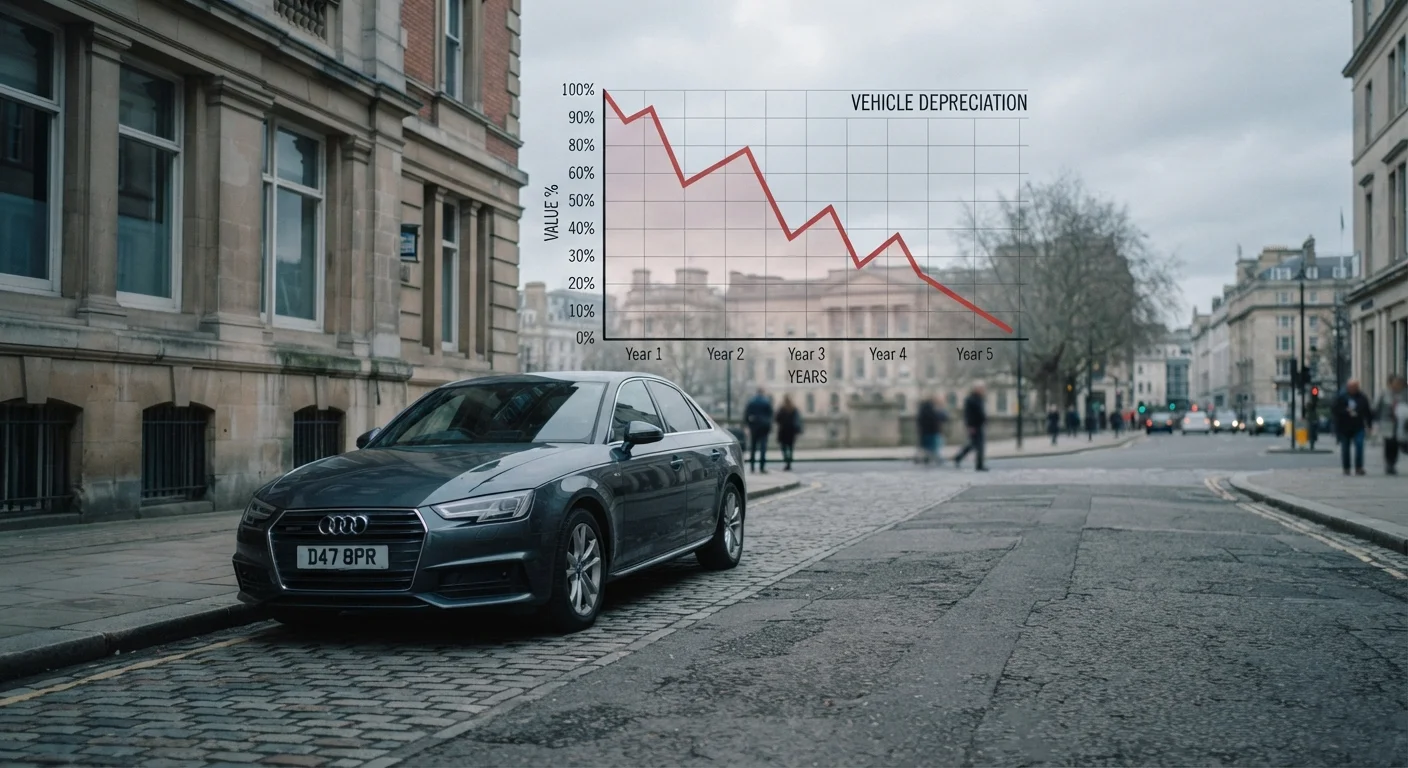
Depreciation is the decrease in a vehicle's market value over time - and for most new car owners, it represents the single largest annual cost of ownership. A new vehicle can lose roughly 15-25% of its value in the first year alone, according to widely cited industry estimates, and continues to lose value each subsequent year.
This matters even if you never finance the vehicle, because depreciation represents real wealth lost. A car purchased for $35,000 may be worth $20,000-22,000 after three years of typical ownership, even with no mechanical issues. Understanding how depreciation works - and which vehicle types retain value better - is one of the highest-leverage decisions a buyer can make.
~20%
Average first-year new car depreciation
Industry research consistently estimates new vehicles lose roughly 15-25% of their value within the first 12 months of ownership.
$10,000+
Estimated average annual cost of car ownership
The American Automobile Association (AAA) has historically estimated total annual ownership costs for a new mid-size sedan in the range of $9,000-$12,000.
14,263
Average annual miles driven by US drivers
According to the Federal Highway Administration, this is approximately how many miles the average licensed US driver travels per year.
Used vehicles generally depreciate more slowly because the steepest portion of the curve has already occurred. This is a primary financial argument for buying a late-model used vehicle rather than new.
Insurance, Registration, and Taxes
Auto insurance is legally required in nearly every US state, and premiums vary considerably based on vehicle type, driver history, location, coverage level, and the insurer's own pricing models. Annual premiums can range from under $1,000 for a low-risk driver in a rural area to several thousand dollars in high-cost metro markets or for drivers with violations on their record.
Minimum liability-only coverage is the cheapest option but leaves the vehicle itself unprotected. Comprehensive and collision coverage protect against theft, weather damage, and at-fault accidents but raise premiums substantially. Lenders typically require comprehensive and collision coverage on financed or leased vehicles.
Minimum Coverage Can Leave You Exposed
Carrying only state-minimum liability insurance satisfies the legal requirement but provides no protection for your own vehicle in the event of an at-fault accident, theft, or weather event. For financed vehicles, lenders require comprehensive and collision coverage - dropping below that threshold can trigger loan default provisions. Review your coverage needs carefully before reducing premiums.
Annual registration fees, which vary by state, add to the recurring cost. Some states also levy personal property taxes based on the vehicle's assessed value - a figure that decreases as the car ages. These fees are easy to overlook in initial budgeting but are unavoidable costs of legal operation.
Fuel, Maintenance, and Repairs
Fuel is a highly visible ongoing cost that most drivers do track - yet its full annual impact is often underestimated. The average US driver travels roughly 14,000-15,000 miles per year. At current gasoline prices and varying fuel economy ratings across vehicle classes, annual fuel costs can range from approximately $1,200 for a fuel-efficient compact to over $3,000 for a large truck or SUV with lower mpg ratings.
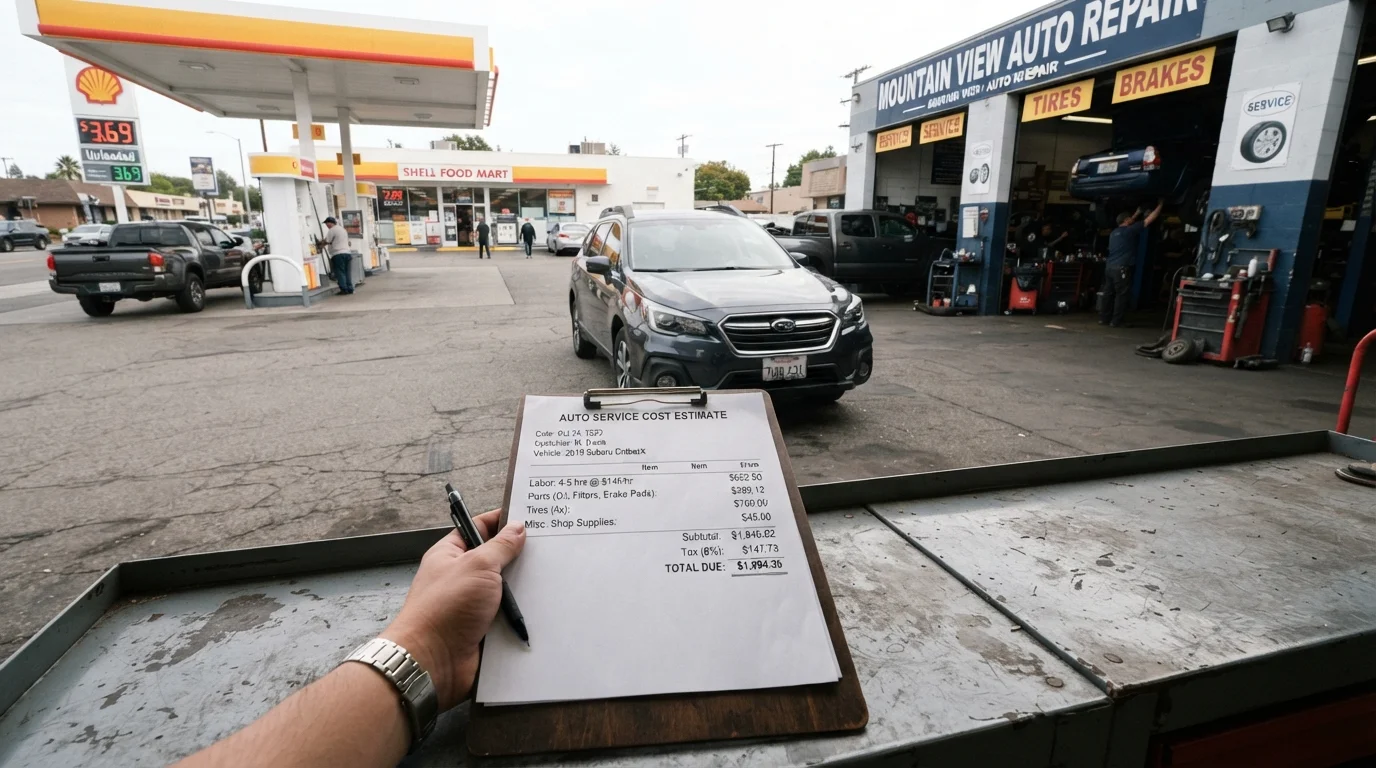
Routine maintenance - oil changes, tire rotations, brake inspections, filter replacements, and fluid top-offs - is essential and predictable. A structured maintenance schedule reduces the likelihood of expensive failures and protects the vehicle's resale value. Skipping scheduled service to save money in the short term frequently results in far larger repair bills later.
Major repairs - a transmission, timing belt, or suspension component - can run into the thousands and are difficult to predict precisely. Setting aside a monthly maintenance reserve is a sound practice for any vehicle owner. See practical maintenance guidance for help building that habit.
The Hidden Costs That Quietly Drain Your Budget
Beyond the primary cost categories, several smaller expenses consistently go unaccounted for. Parking - whether daily meters, monthly garage fees, or street permit costs - can add hundreds to thousands of dollars annually depending on where you live and work. Toll roads and bridge crossings accumulate steadily for commuters.
Car washes, detailing, and cosmetic upkeep are discretionary but common. Roadside assistance memberships, extended warranties, and GAP insurance (which covers the difference between a vehicle's value and the loan balance if it is totaled) each represent additional decisions with associated costs. These smaller line items are frequently absent from initial ownership budgets but reliably appear in practice.
Build a Monthly Car Cost Ledger
Track every vehicle-related expense - fuel, parking, tolls, washes, registration - in a simple spreadsheet or budgeting app for three months. Most drivers are surprised by how quickly small items accumulate. This exercise gives you an accurate baseline and reveals where costs can realistically be trimmed.
Putting It All Together: Estimating Your True Annual Cost
A realistic total cost of ownership estimate adds: annualized depreciation, financing interest, insurance premiums, registration and taxes, fuel, scheduled maintenance, a repair reserve, and miscellaneous costs like parking and tolls. For a mid-range vehicle financed over five years, total annual costs frequently land between $9,000 and $12,000 - significantly higher than many drivers anticipate from the monthly payment alone.
For a deeper comparison of what these costs look like broken down by category, this breakdown of annual ownership costs provides a useful reference. The goal isn't to discourage vehicle ownership but to ensure every driver makes decisions with accurate information - choosing a vehicle, acquisition method, and coverage level that genuinely fits their financial situation rather than one that looks affordable only until the unexpected bills arrive.
Costs Vary Significantly by Location and Vehicle Type
All cost estimates in this guide reflect national averages and general ranges. Actual costs depend heavily on your state, city, driving habits, vehicle class, and personal financial profile. Use these figures as a planning framework, not a precise prediction for your situation.
This article provides general financial information about vehicle ownership costs for educational purposes and does not constitute personalized financial advice. Consult a qualified financial professional regarding decisions specific to your circumstances.