Why the Distinction Matters
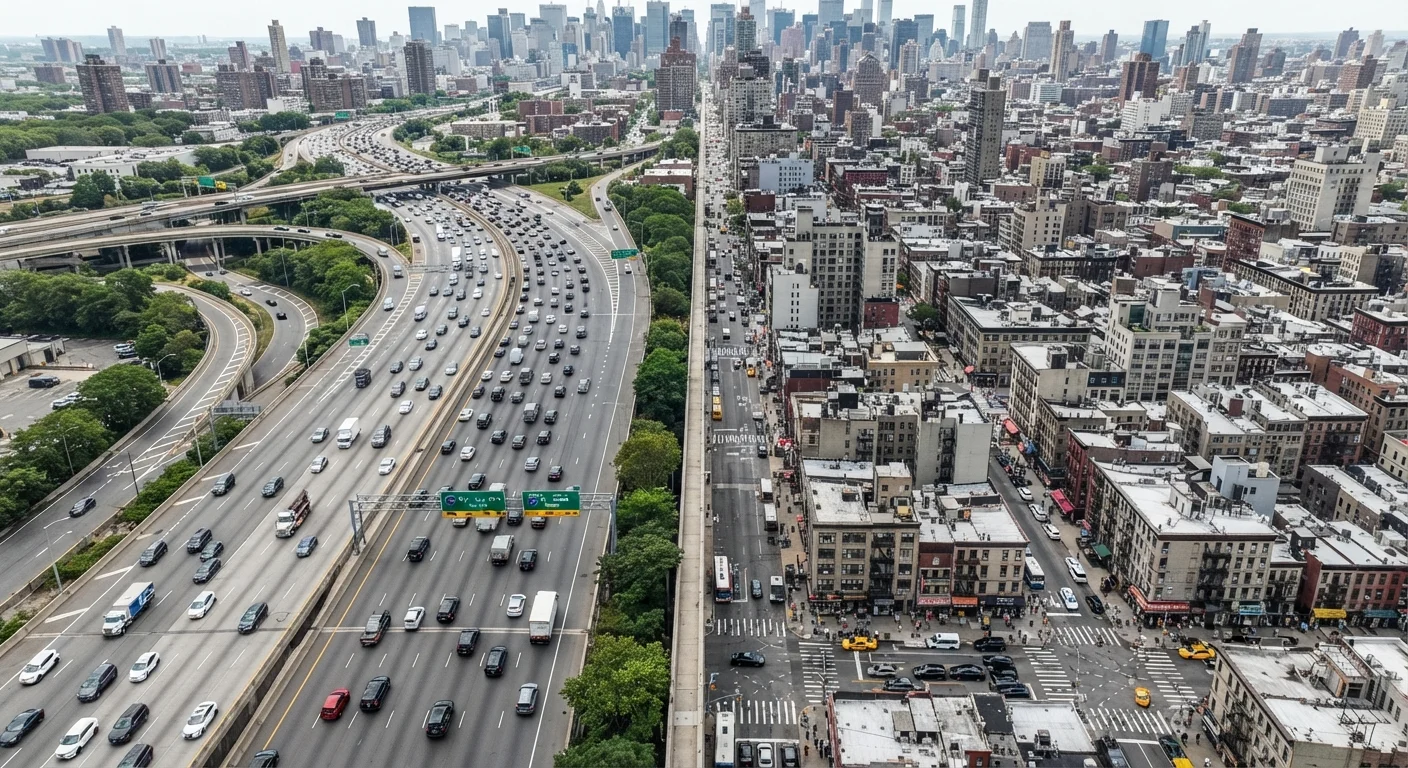
Most drivers switch between highway and city roads without consciously shifting their mental approach. That gap between environment and mindset is where many preventable crashes occur. The skills that keep you safe cruising at 70 mph on an interstate are genuinely different from those you need to navigate a congested urban grid - and treating them as interchangeable is a common but correctable mistake.
Road safety is a continuous practice, not a one-time lesson. Recognizing that different road environments demand different skill sets is a foundational step toward becoming a more complete driver.
| Highway Driving | City Driving | |
|---|---|---|
| Typical speed range | 55-80 mph | 20-45 mph |
| Primary hazard type | High-speed impact, fatigue, merging | Intersections, pedestrians, cyclists |
| Decision frequency | Lower - fewer decisions per mile | High - constant micro-decisions |
| Fatigue risk | High - monotony and hypnosis | Lower - stimulation keeps alertness up |
| Brake wear | Lower - steady speeds reduce braking | Higher - frequent stop-and-go cycling |
| Recommended following distance | 3-4 seconds minimum | 2-3 seconds, adjusted for density |
| Key skill emphasis | Lane discipline, speed management | Hazard scanning, pedestrian awareness |
Highway Driving: Speed, Distance, and Sustained Attention
The defining characteristic of highway driving is sustained high speed with relatively few variables - exits, merges, lane changes, and the occasional work zone. That predictability can be deceptive. At 70 mph, a vehicle travels roughly 103 feet per second. A two-second distraction - glancing at a phone, adjusting climate controls - covers more than 200 feet of road with no conscious input from the driver.
Key Highway Hazards
- Following distance: Many drivers compress their gap to the vehicle ahead far below the recommended three-to-four-second following distance at highway speeds, eliminating reaction time when traffic suddenly slows.
- Fatigue and highway hypnosis: Monotonous scenery and steady engine noise can produce a trance-like state where awareness degrades without the driver noticing. Rest stops every two hours are a commonly cited countermeasure.
- High-speed merging: Entering a 70-mph flow of traffic from an on-ramp requires matching speed and reading gaps accurately - a task that's underestimated by drivers who have not practiced it deliberately.
- Lane change blind spots: At highway speeds, a vehicle you can see in your mirror can be out of your sightline and alongside you within seconds. Mirror checks must be methodical and current.
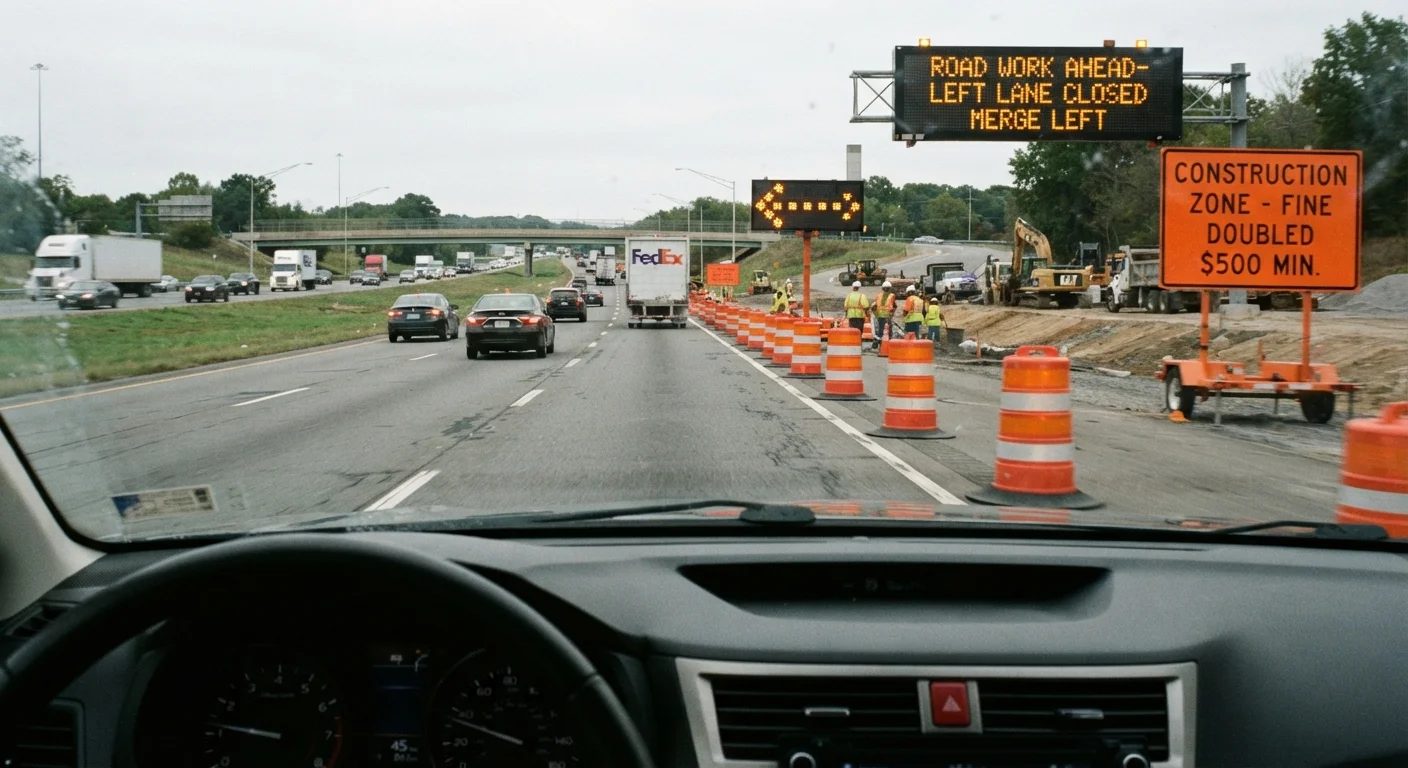
Work zones on highways compound these risks considerably - reduced lanes, shifted traffic patterns, and workers present alongside live traffic demand a sharp downshift in speed and attention.
Use the Two-Hour Rule on Long Highway Drives
Driver fatigue is a significant and underappreciated highway hazard. Stopping for a short break every two hours - even for 10 to 15 minutes - helps counteract the gradual attention decline that prolonged monotonous driving produces. Caffeine can provide temporary alertness, but it is not a substitute for actual rest when fatigue is significant.
City Driving: Density, Unpredictability, and Sensory Load
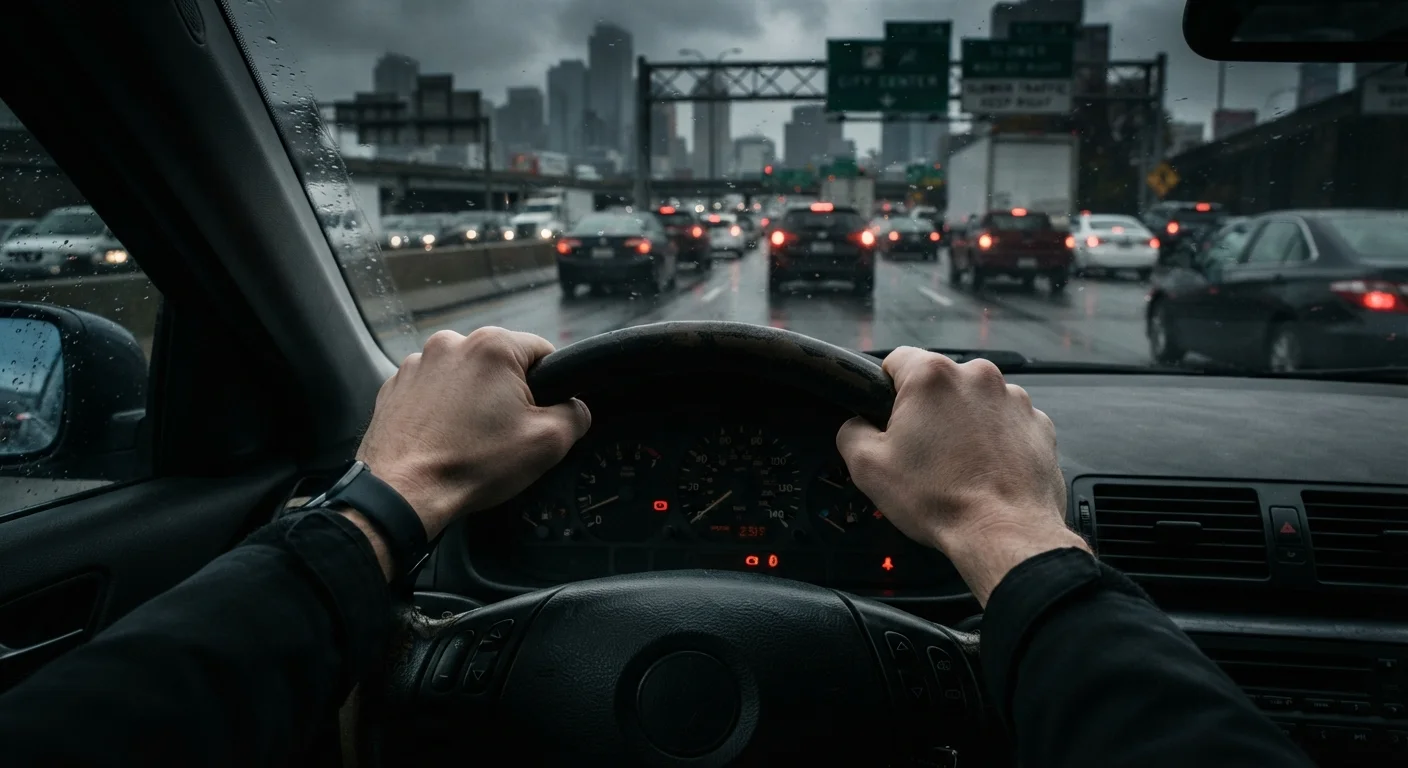
Urban driving at 25-40 mph may feel low-stakes compared to highway travel, but crash rates per mile driven in cities remain significant, largely because of intersection density, pedestrian and cyclist presence, and the sheer volume of decisions required in a short time span.
Key City Hazards
- Intersection conflicts: A disproportionate share of urban collisions occur at or near intersections. Red-light runners, turning vehicles, and pedestrians mid-crossing all converge in the same space.
- Vulnerable road users: Pedestrians, cyclists, and riders on scooters or motorcycles occupy city streets in far greater numbers than on highways. Anticipating their movements - including unexpected ones - is central to urban driving safety.
- Door zones: Parked cars present a consistent hazard; an opening car door can appear in a driver's path with virtually no warning. Maintaining lateral space from parked vehicles reduces exposure.
- Distraction density: Storefronts, signage, delivery vehicles double-parked, and pedestrians create a high-stimulation environment where cognitive load is elevated and errors are easy.
Aggression compounds city risks. Aggressive driving behaviors - tailgating, abrupt lane changes, running yellow lights - are more dangerous in dense urban environments where margins for error are narrower.
Low Speed Does Not Mean Low Risk in Cities
Many drivers unconsciously lower their guard in slower urban traffic, assuming that lower speeds make collisions less consequential. While impact severity does correlate with speed, pedestrian fatalities can occur at speeds as low as 20-30 mph. Urban driving demands heightened attention precisely because the environment is so dense with potential hazards - treat every intersection as a conflict point until it's safely cleared.
Vehicle Maintenance Implications of Each Environment
The road environment you drive in most also shapes how your vehicle wears over time. City driving, with its constant acceleration, braking, and idling, places disproportionate stress on brakes, transmission fluid, and engine components - even at lower speeds. Stop-and-go cycles can shorten brake pad life significantly compared to steady highway cruising.
Highway miles, by contrast, tend to be gentler on brakes but accelerate tire wear at high sustained speeds and place greater demands on cooling systems during extended operation. Engine oil circulation is generally better at highway speeds than during city idling, but long-distance driving without rest stops can stress both driver and drivetrain.
Understanding which environment dominates your routine helps you anticipate maintenance needs accurately. For more on keeping your vehicle road-ready regardless of where you drive, the car maintenance hub offers practical guidance organized by system and situation.
~40%
Urban intersection crash share
The Federal Highway Administration has estimated that a substantial proportion of all traffic crashes occur at or near intersections, with urban areas disproportionately represented.
103 ft/sec
Distance covered at 70 mph per second
At typical interstate speeds, even a brief two-second lapse in attention means covering over 200 feet without conscious driver input - underscoring the stakes of highway distraction.