Two Related Terms With Very Different Legal Meanings
Most drivers use "aggressive driving" and "road rage" interchangeably, but law enforcement and traffic safety researchers draw a clear line between them. Understanding that distinction isn't just semantic - it affects how incidents are charged, how courts treat them, and how you should respond when you encounter either behavior on the road.
Aggressive driving is defined by the National Highway Traffic Safety Administration (NHTSA) as the operation of a vehicle in a manner that endangers or is likely to endanger persons or property. It covers a cluster of traffic violations committed simultaneously or in sequence: speeding, following too closely, weaving between lanes without signaling, running red lights, and blocking vehicles attempting to pass. These behaviors are dangerous and impersonal - the driver isn't necessarily targeting anyone specifically; they're simply operating recklessly.
Road rage, by contrast, involves an intent to harm or intimidate a specific person. It's what happens when frustration escalates into deliberate action - brake-checking a driver who cut you off, following someone to confront them, throwing objects, or using a vehicle as a weapon. Most states classify road rage incidents under criminal statutes covering assault, reckless endangerment, or menacing, not just traffic law.
| Criterion | Aggressive Driving | Road Rage |
|---|---|---|
| Legal classification | Traffic violation / misdemeanor | Criminal offense (assault, menacing) |
| Intent | Reckless, not necessarily targeted | Deliberate, directed at a specific person |
| Common behaviors | Speeding, tailgating, unsafe lane changes | Following, threatening, using vehicle as weapon |
| Typical consequence | Traffic citation, license points, fine | Arrest, criminal charges, potential imprisonment |
| Driver mental state | Impatient, distracted, stressed | Enraged, seeking confrontation |
| Safe response from others | Increase following distance, give space | Disengage completely, contact law enforcement |
How Escalation Happens - and Why It's Faster Than You Think
The pathway from aggressive driving to road rage is rarely dramatic at the start. It typically begins with a perceived slight - a cut-off, a slow merge, a horn honk - that triggers a stress response. From there, if a driver responds with a retaliatory gesture or action, and the other driver responds in kind, the feedback loop can escalate within seconds.
Traffic psychology researchers have identified several factors that accelerate this cycle: anonymity inside a vehicle, prior stress carried from outside the drive, heat, congestion, and the perception of injustice. Drivers who feel their personal space or right-of-way has been violated are especially prone to viewing retaliation as justified rather than dangerous.
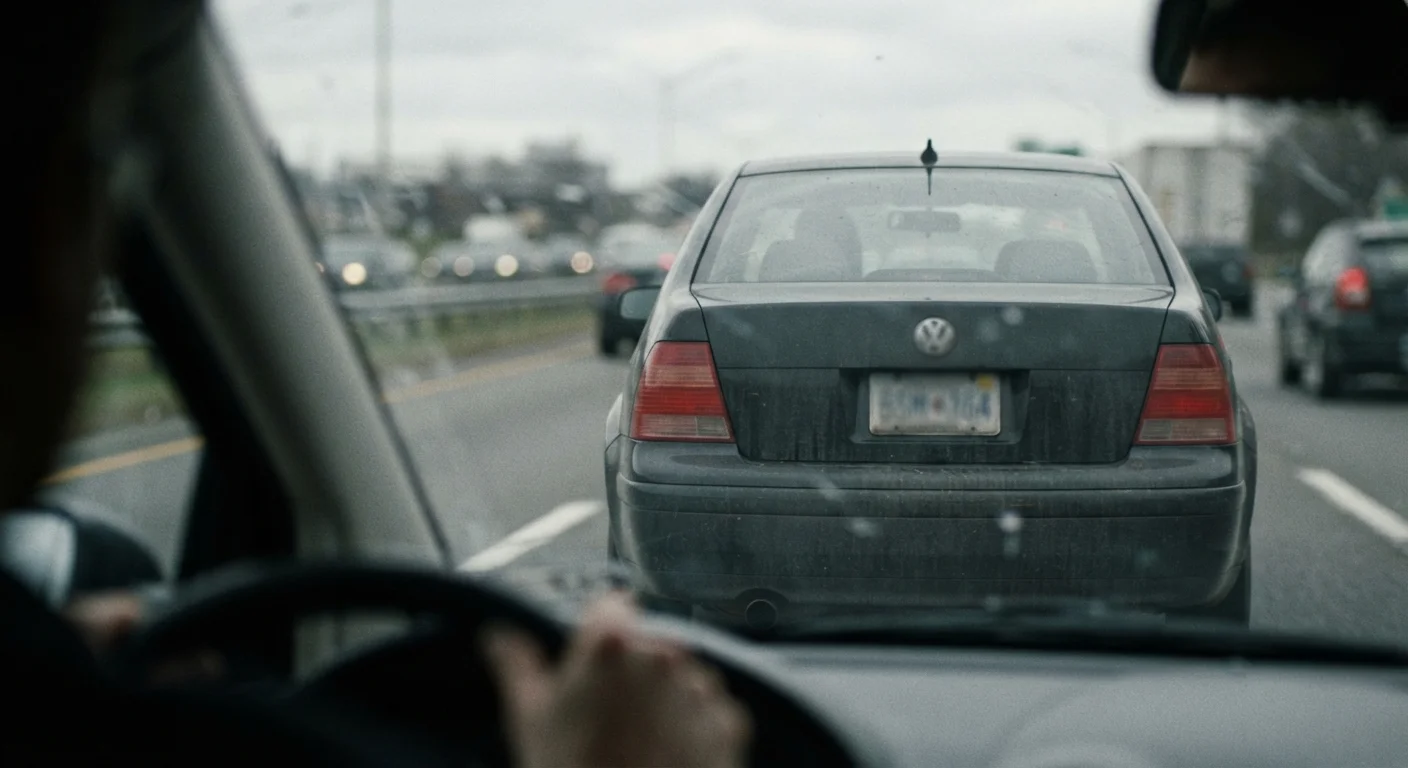
Tailgating is one of the most common triggers - and one of the most misunderstood. Drivers who follow closely often don't intend to threaten; they're simply impatient. But from the car ahead, it reads as aggression, and that misread is often what lights the fuse.
80%
Drivers who reported aggressive driving anger
According to an AAA Foundation for Traffic Safety study, approximately 80% of drivers expressed significant anger, aggression, or road rage at least once in a given year.
~56%
Road rage incidents involving firearms
Everytown for Gun Safety research has indicated that a significant share of road rage incidents in the US involve a firearm, underscoring the severity of escalation risk.
2 in 3
Traffic fatalities linked to aggressive driving
NHTSA has estimated that aggressive driving behaviors - speeding, failure to yield, following too closely - are a contributing factor in the majority of US traffic fatalities.
Disengaging Safely: What the Evidence Supports
If you encounter aggressive driving or road rage, the most important principle is consistent: do not engage. Matching aggression with aggression is how traffic conflicts become criminal incidents. Specific guidance supported by traffic safety organizations includes:
- Don't make eye contact with an agitated driver - it's often read as a challenge.
- Create distance by changing lanes, taking an exit, or reducing speed to let the other vehicle move ahead.
- Avoid gestures, even ones you consider defensive or neutral - they can be misread.
- Do not follow an aggressive driver or allow one to follow you home. Drive to a populated public area or a police station if you feel you're being followed.
- Call 911 if a driver is behaving in a way that poses immediate danger to others - provide the vehicle description, direction of travel, and location.
Practicing defensive driving principles - anticipating the actions of others and maintaining buffer space - also reduces your likelihood of being in a position where conflict is even possible. The goal is not to "win" an interaction on the road; it's to arrive safely.
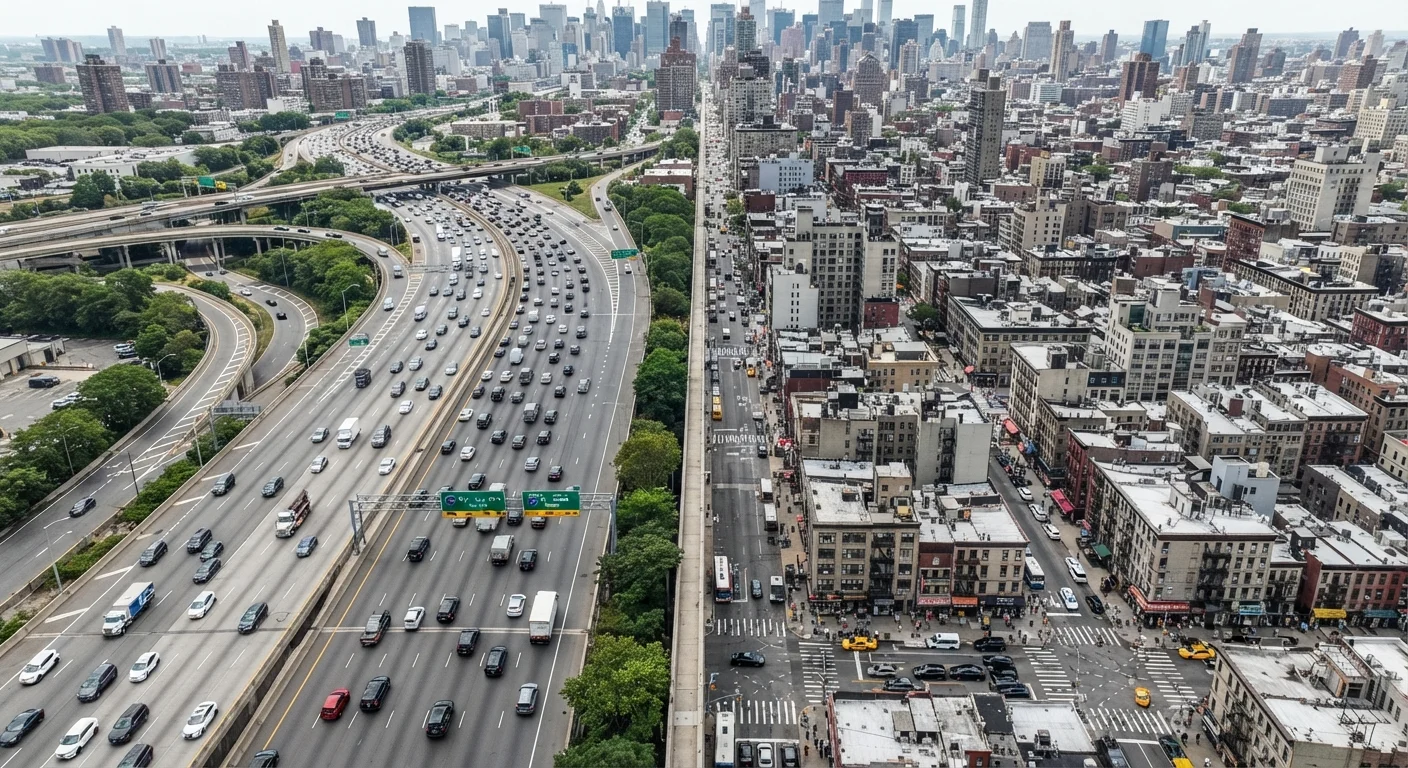
Context also matters. Highway and city environments present different triggers and different risks: high-speed merges create highway aggression flashpoints, while stop-and-go urban traffic tends to generate close-proximity frustration. Recognizing where you're most at risk helps you stay alert before a situation develops.
State Laws Vary Significantly
There is no single federal definition of road rage or aggressive driving - each state codifies these behaviors differently. Some states have specific aggressive driving statutes with defined point thresholds; others prosecute road rage under general assault or reckless endangerment laws. If you've been involved in or witnessed a serious incident, consult your state's DMV resources or a qualified legal professional for guidance specific to your jurisdiction.