How Each Tool Works
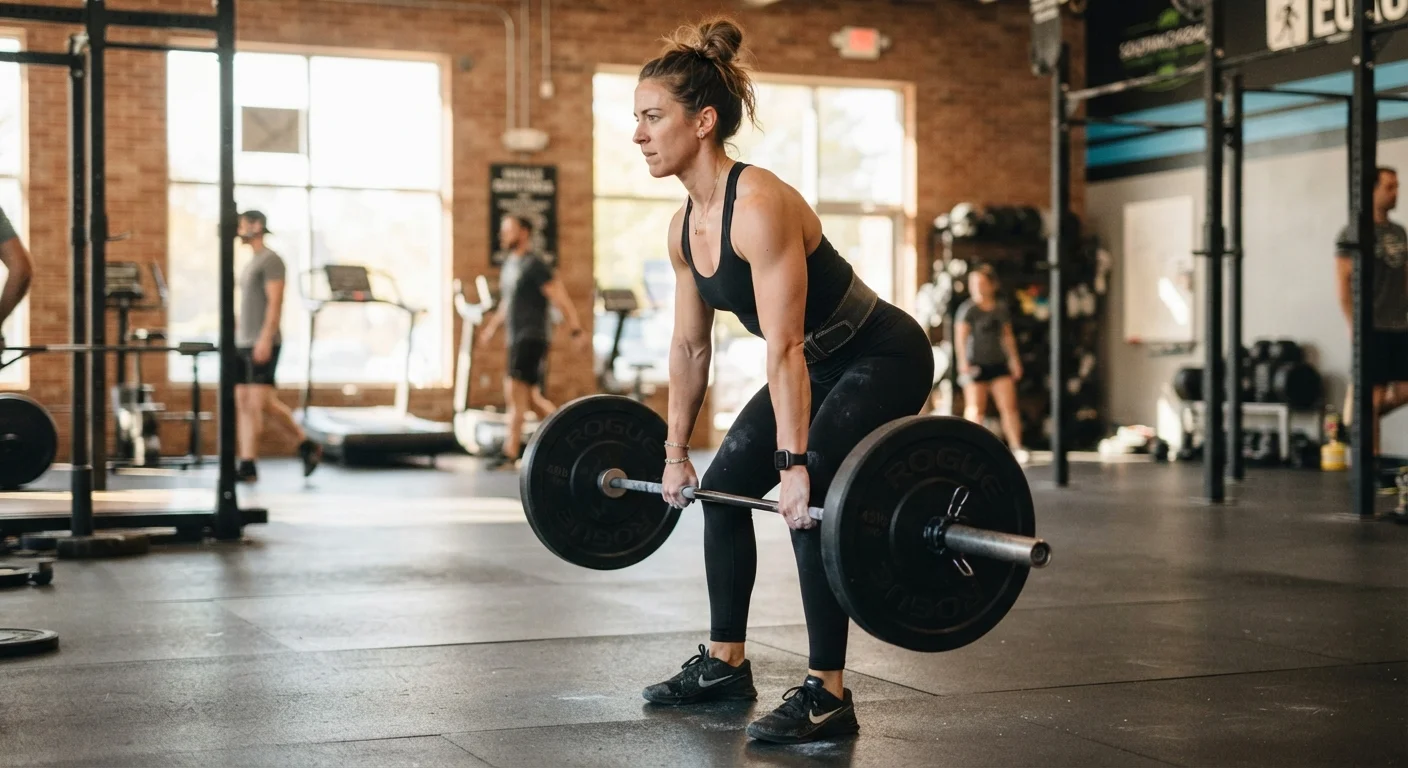
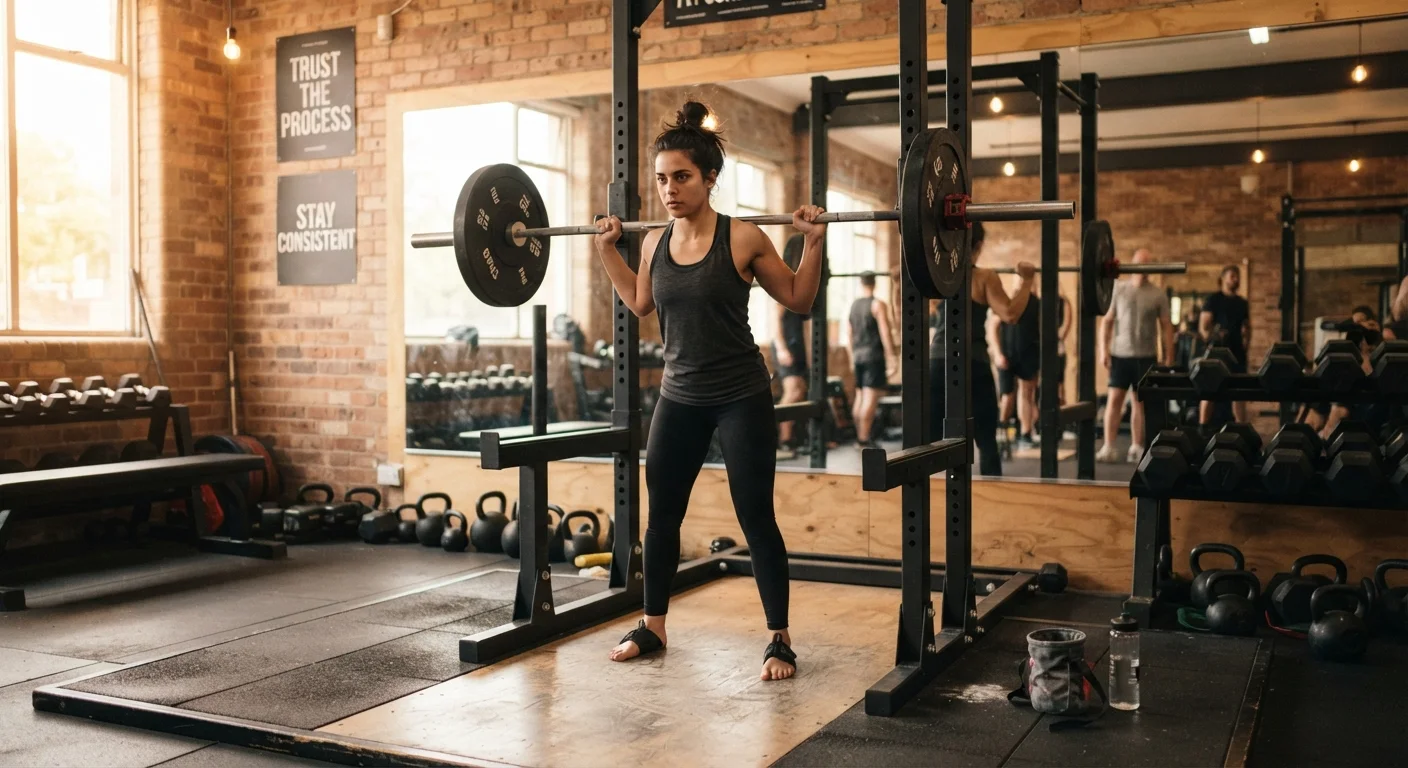
Free weights - barbells, dumbbells, and kettlebells - allow movement through multiple planes simultaneously. Because the load is not guided, your muscles must coordinate to control it throughout the full range of motion. This demands input from primary movers, synergists, and stabilizers all at once.
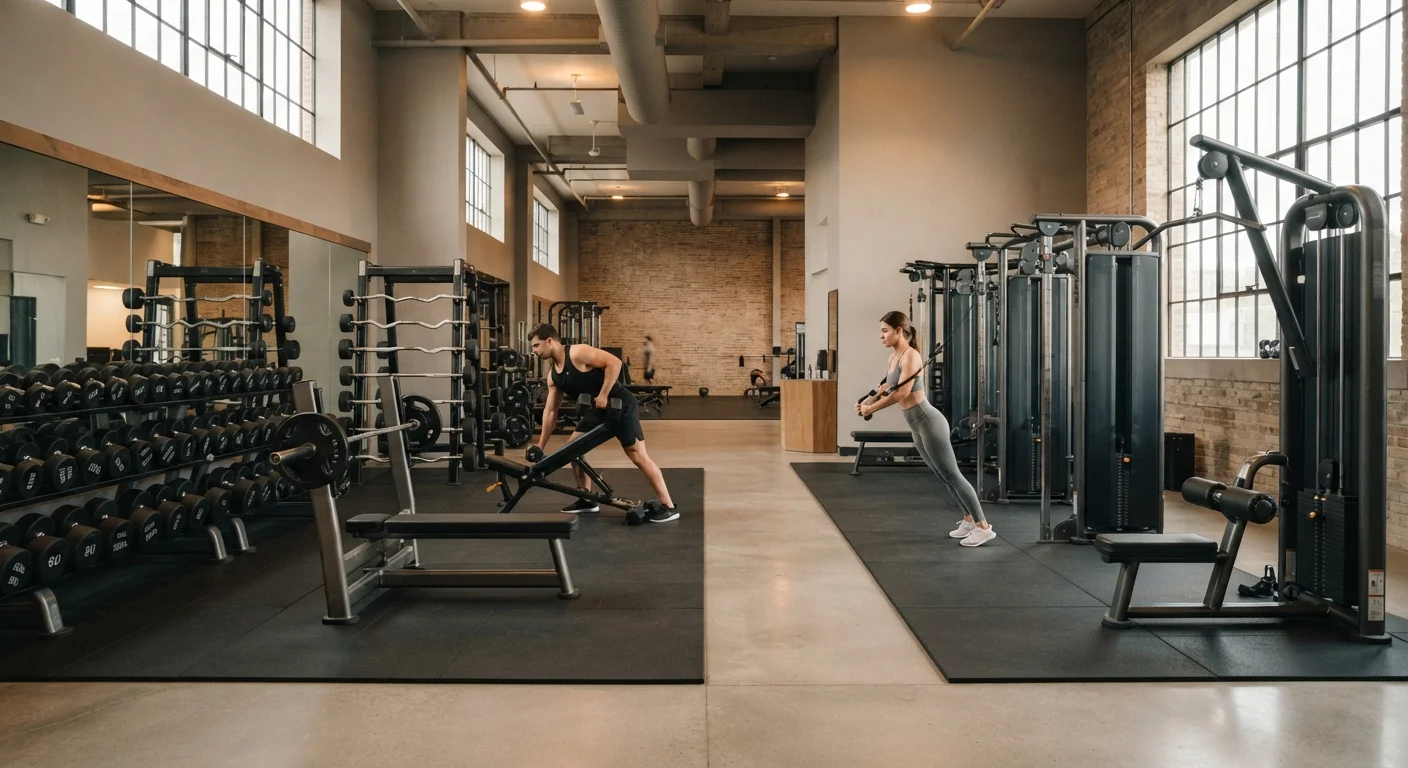
Resistance machines constrain the path of movement using tracks, cables, or cams. The mechanical structure handles much of the balance and stabilization work, allowing you to focus effort almost exclusively on the target muscle. Cable machines occupy a middle ground: they guide resistance through a fixed anchor point but allow more freedom of movement than selectorized (weight-stack) machines.
Understanding this distinction helps explain why research consistently shows free weight exercises like squats and deadlifts produce greater activation of stabilizing musculature compared to their machine equivalents - while machines can match or exceed free weights for isolated muscle hypertrophy in specific contexts.
| Criterion | Free Weights | Resistance Machines |
|---|---|---|
| Stabilizer muscle activation | High - must control load in all planes | Lower - machine provides structural support |
| Learning curve | Steeper - technique demands are significant | Gentler - fixed path reduces variables |
| Injury risk (beginner) | Higher if technique is poor | Lower due to constrained movement path |
| Hypertrophy potential | High with proper loading | High - isolation allows targeted overload |
| Functional strength transfer | Strong - mirrors real-world movement | More limited - pattern is highly specific |
| Exercise variety | Very high - hundreds of variations | Limited to machine's design |
| Cost and space | Moderate - adjustable sets are compact | High - machines are bulky and expensive |
| Best program phase | Early in session for compound work | Later in session for isolation/volume |
Muscle Activation, Coordination, and Strength Transfer
A 2020 review published in the Journal of Human Kinetics found that free weight exercises generally produced higher overall muscle activation compared to machines performing similar movement patterns. The reason is straightforward: when no machine constrains the bar path, your nervous system must recruit additional motor units to keep the load under control.
This has practical implications for functional strength - the kind that transfers to sports, physical labor, and everyday activities. Movement patterns built around free weight compound lifts (squat, hinge, press, row) closely replicate real-world mechanics. See our guide to foundational movement patterns for a breakdown of why these recurring patterns form the backbone of most effective programs.
Machines, however, are not simply inferior. For hypertrophy (muscle growth), research suggests that progressive mechanical tension matters more than whether a machine or free weight provides it. Leg press, chest press, and lat pulldown machines can drive meaningful muscle growth - particularly when you are already fatigued and technique on free weight lifts might otherwise deteriorate.
~43%
Greater core activation with free weight squats vs. leg press
Research published in the Journal of Human Kinetics has found substantially higher trunk muscle activation during barbell squats compared to equivalent machine-based lower body exercises.
Similar
Hypertrophy outcomes for machines vs. free weights
A 2023 meta-analysis in the Journal of Strength and Conditioning Research found comparable muscle growth between free weight and machine training when volume and effort are equated.
~80%
Of gym injuries linked to technique or overloading errors
Sports medicine literature consistently identifies improper technique and excessive load progression - not equipment type - as primary risk factors for resistance training injuries.
Learning Curve and Injury Considerations
The learning curve for free weights is steeper. A barbell back squat requires coordinated hip hinge mechanics, core bracing, and appropriate spinal position - all of which take deliberate practice. Loading too aggressively before these skills are solid is a leading source of gym injury among newer lifters. Common beginner mistakes often center on exactly this problem: adding weight before movement quality is established.
Machines reduce this exposure. A leg press or chest press machine guides the load and minimizes the technical variables, making it easier to train hard early on without the same coordination prerequisites. For individuals returning to exercise after injury, machines can allow targeted loading of healing tissue under controlled conditions - though anyone managing an injury should work with a qualified healthcare provider before making program decisions.
A Note on Cable Machines
Cable machines occupy a useful middle ground between free weights and fixed selectorized machines. The cable anchor provides resistance from a consistent direction, but the handle moves freely through space - meaning your stabilizing muscles still contribute meaningfully. Many coaches use cables to bridge the gap between machine-based isolation and full free weight training, particularly for shoulder, chest, and back exercises. They are worth considering as a distinct category rather than grouping them with plate-loaded machines.
That said, free weights are not categorically more dangerous. Research comparing injury rates between training modalities suggests that technique quality and appropriate load progression matter far more than the equipment itself. Both tools carry risk when misused.
Practical Guidance: Which Belongs in Your Program?
The question is rarely free weights or machines - it is how to use each strategically. Most evidence-based strength programs integrate both. A common structure places free weight compound lifts (squat, deadlift, bench press, overhead press, row) early in the session when energy and focus are highest, then uses machine or cable work later for targeted isolation.
If you are building a home setup or training with minimal equipment, free weights offer far greater exercise variety per dollar and square foot. For context on training without any equipment at all, see our guide to building a home workout habit.
Consider also how strength training fits within your broader fitness picture. Cardio and strength training produce meaningfully different adaptations, and understanding both helps you allocate training time according to your actual goals. Finally, whatever tools you choose, training frequency and recovery matter as much as equipment selection - the tradeoffs of daily training are worth understanding before you commit to a schedule.
This article is for general informational and educational purposes only and does not constitute medical or professional fitness advice. Consult a qualified healthcare provider or certified fitness professional before beginning or modifying an exercise program, particularly if you have any existing health conditions or injuries.