
Why Protein Quality Isn't Just About Grams
Total protein intake matters, but the quality of protein - how well it supplies the essential amino acids your body cannot produce on its own - is equally important. Nutrition researchers use scoring systems such as the PDCAAS and the more recent DIAAS to account for both amino acid composition and digestibility. A food scoring high on these measures delivers usable amino acids more efficiently per gram consumed.
Essential amino acids include leucine, lysine, methionine, and six others that must come from food. The relative abundance - or scarcity - of these amino acids across different protein sources is what drives much of the animal-versus-plant debate in nutrition science.
| Animal Proteins | Plant Proteins | Blended Options | |
|---|---|---|---|
| Amino acid completeness | Complete (all 9 essential AAs) | Often incomplete; soy is exception | Complete when combined strategically |
| Digestibility (DIAAS) | Generally high (0.9-1.1) | Moderate to high (0.5-1.0) | Variable; typically high overall |
| Saturated fat content | Varies; red meat higher | Generally low | Depends on animal component |
| Fiber content | None | Significant in legumes/grains | Present if plant portion is substantial |
| Key micronutrients | Heme iron, B12, zinc, calcium | Folate, magnesium, potassium | Broader micronutrient range |
| Dietary planning required | Minimal for completeness | Moderate; variety is key | Low to moderate |
Animal Proteins: Strengths and Nutritional Context
Eggs, poultry, fish, lean red meat, and dairy products are all considered complete proteins - they supply all nine essential amino acids at levels sufficient to support human protein synthesis. Eggs in particular score near the maximum on PDCAAS and DIAAS, making them a benchmark in protein research. Dairy sources like Greek yogurt and cottage cheese add the benefit of calcium and, in fermented forms, beneficial bacteria.
Fish offers additional value through omega-3 fatty acids, while lean poultry is relatively low in saturated fat. Red meat provides heme iron and zinc but is also associated with higher saturated fat intake when consumed frequently. For those who include animal foods, variety within this category tends to distribute both benefits and risks more evenly. Understanding how individual foods are processed also matters - see how processed food classifications work for context on what distinguishes minimally processed meats from ultra-processed products.
Vary Your Animal Protein Sources
Relying on a single animal protein - such as red meat alone - concentrates both its benefits and risks. Rotating between fish, poultry, eggs, and dairy spreads nutrient advantages more evenly and is broadly consistent with dietary guidelines. Preparation method matters too: grilling, baking, or poaching generally adds less saturated fat than frying.
Plant Proteins: Gaps, Strengths, and Smart Combinations
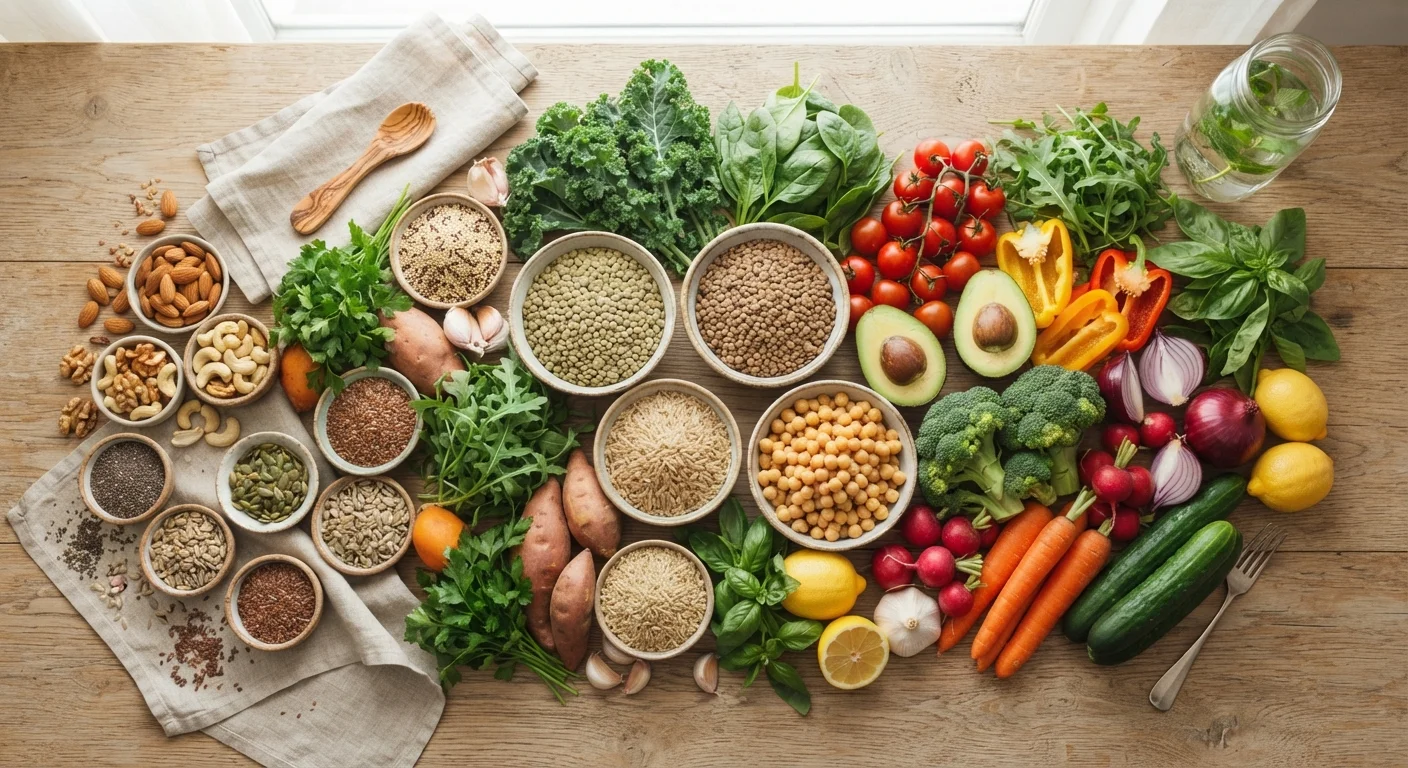
Legumes (lentils, chickpeas, black beans), soy products (tofu, edamame, tempeh), nuts, seeds, and whole grains all contribute protein with varying amino acid profiles. Soy is the notable exception among plant proteins - it is considered nutritionally complete and scores comparably to many animal proteins on DIAAS. Legumes are typically limited in methionine, while grains tend to be lower in lysine.
The traditional practice of combining complementary plant proteins - rice and beans being the classic example - addresses these gaps effectively over the course of a day. Research suggests that strict meal-by-meal combining is less critical than once believed; what matters more is overall dietary variety across meals. For a broader look at what plant-focused eating can and cannot reliably provide, see a balanced assessment of plant-based diets.
~1.0
DIAAS score for soy protein isolate
Soy protein isolate achieves a DIAAS near 1.0, placing it on par with many animal proteins according to FAO evaluation frameworks.
~30%
Global protein from plant sources
Approximately 30-40% of dietary protein in typical Western diets comes from plant sources, according to dietary intake surveys.
Blended Approaches: Practical and Evidence-Grounded
A growing body of research examines eating patterns that draw from both animal and plant protein sources - sometimes called flexitarian or simply mixed-diet approaches. These patterns can optimize amino acid coverage while incorporating the fiber, phytonutrients, and lower saturated-fat profiles associated with plant-rich eating. Blended protein shakes combining whey and pea or rice protein have also been studied in athletic populations, with some research suggesting comparable outcomes to whey alone for muscle protein synthesis.
From a public health standpoint, diets moderate in animal protein and generous in plant-derived protein sources are consistently associated with favorable health markers in large observational studies - though correlation in dietary research does not equal causation, and individual variation is significant. Consulting a registered dietitian is the most reliable way to evaluate protein needs within your specific health context.
This article is for general informational and educational purposes only and is not a substitute for personalized medical or nutritional advice. Consult a qualified healthcare professional or registered dietitian before making significant changes to your diet.