Why "Processed" Isn't a Single Category
The word "processed" gets applied to everything from frozen peas to fluorescent-orange snack cakes - a span so wide it makes the label nearly meaningless on its own. Pasta is processed. So is pasteurized milk, smoked salmon, and whole-grain bread. Lumping these together obscures real and important nutritional differences.
Classification frameworks exist precisely to cut through that ambiguity. Rather than drawing a binary line between "natural" and "processed," they place foods on a spectrum according to how extensively they've been transformed and what has been added or removed in that transformation.
This matters because nutrition research increasingly examines not just individual nutrients but the type of processing a food has undergone - and the findings suggest the distinction carries genuine health relevance.
NOVA Is a Research Tool, Not a Regulatory Standard
NOVA was designed to support epidemiological research, not to serve as an official government or regulatory classification. It is not used by the FDA or USDA to define or label foods in the United States. While it is widely cited in academic nutrition literature, other classification systems exist, and researchers continue to refine how processing levels are defined and measured.
The NOVA System: Four Groups Explained
NOVA, developed by nutrition researchers at the University of São Paulo, is the most widely cited academic framework for classifying foods by processing level. It organizes foods into four groups:
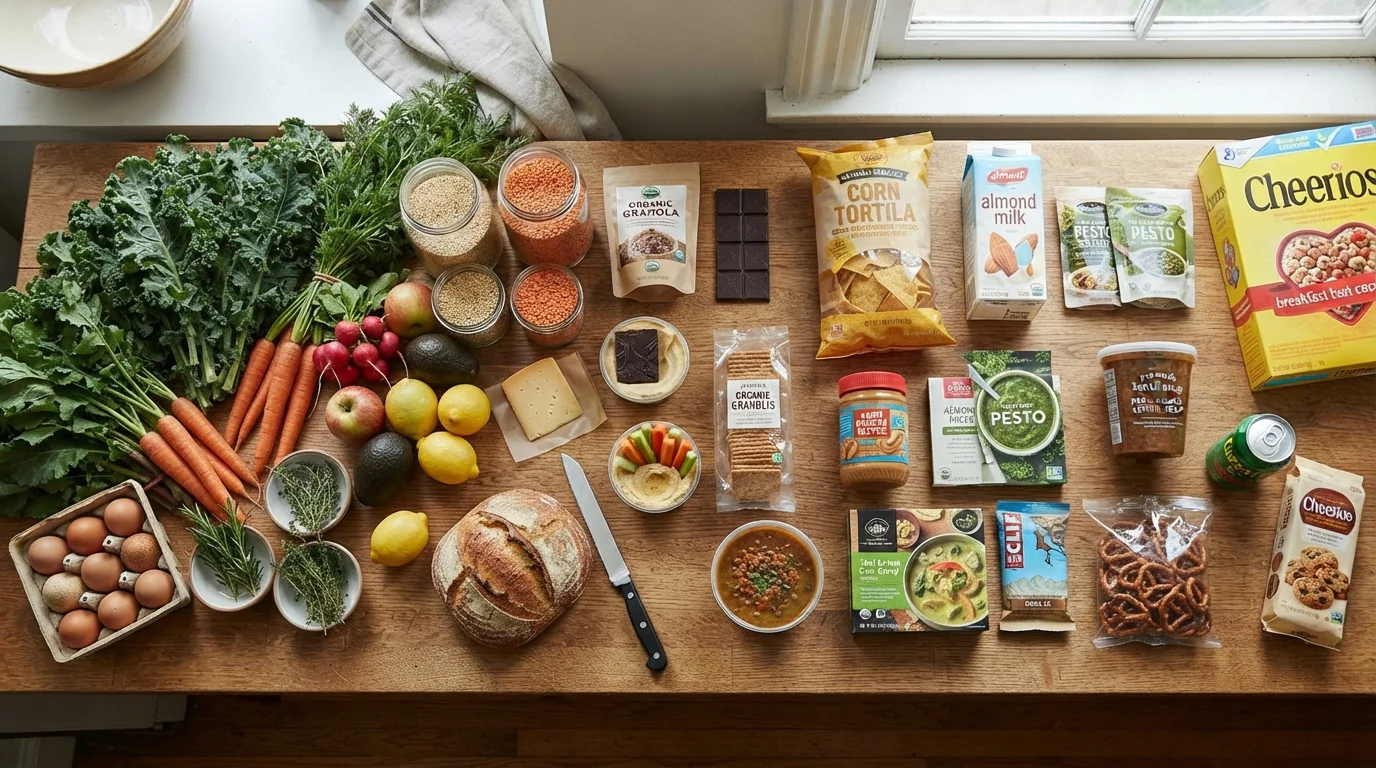
- Group 1 - Unprocessed or minimally processed foods: Foods in their natural state or subjected only to processes like cleaning, refrigerating, freezing, or pasteurizing. Examples include fresh produce, plain frozen vegetables, eggs, plain yogurt, and unsalted nuts. Nutritional integrity is largely preserved.
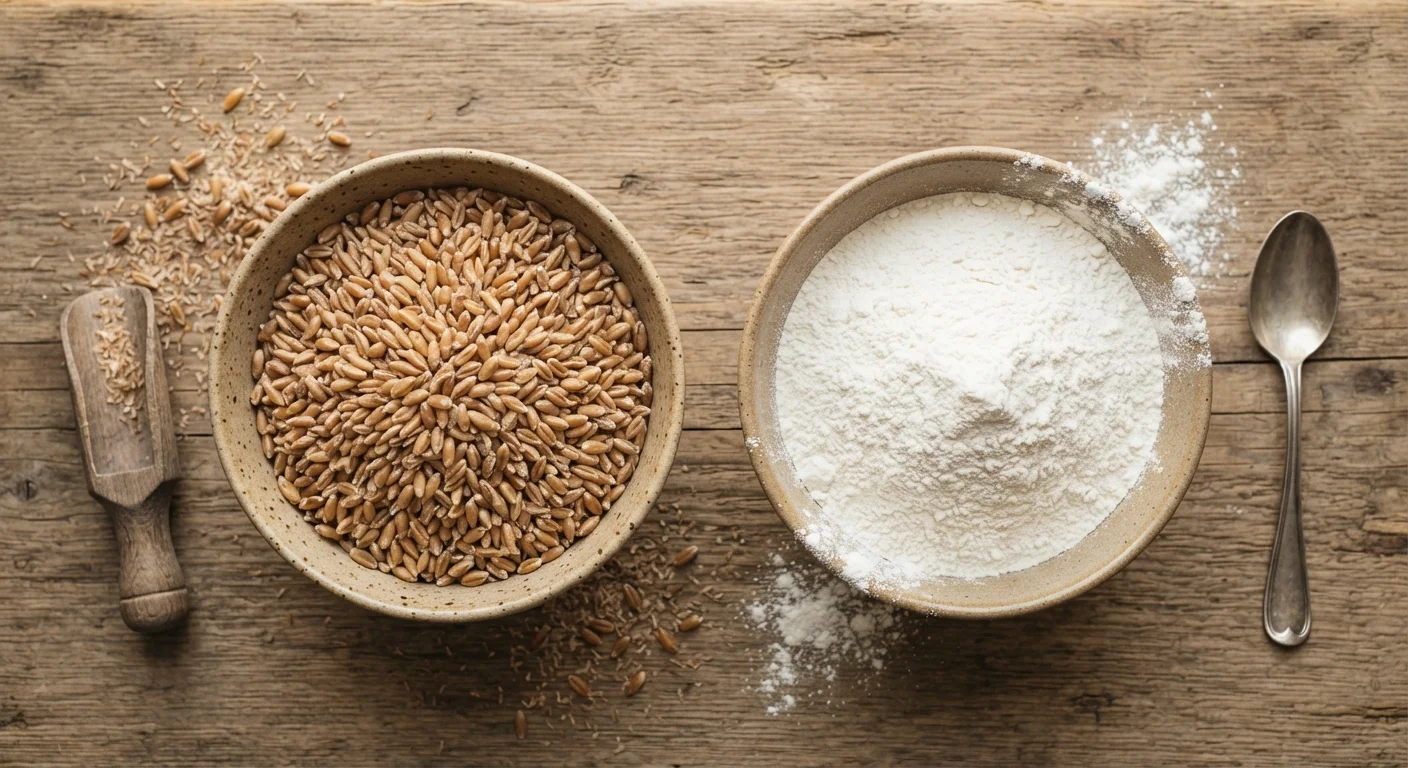
- Group 2 - Processed culinary ingredients: Substances extracted from nature and used in cooking, such as oils, butter, flour, sugar, and salt. Not typically eaten alone, these are used to prepare Group 1 foods. Processing here is primarily physical or chemical extraction.
- Group 3 - Processed foods: Items made by adding Group 2 ingredients to Group 1 foods, primarily to extend shelf life or enhance flavor. Canned fish, cured meats, aged cheese, and freshly baked bread generally fall here. These foods are recognizable as derived from a single food category.
- Group 4 - Ultra-processed foods: Industrial formulations containing many ingredients - including additives, emulsifiers, artificial flavors, colorants, and preservatives - not found in a home kitchen. The defining characteristic is that they are rarely derived from a single whole food. Packaged snack foods, sugary breakfast cereals, flavored instant noodles, and many ready-to-eat meals fall here.
The boundary between Groups 3 and 4 can be nuanced in practice. An ingredient list is often the most reliable indicator: if it contains substances a home cook wouldn't recognize as pantry staples, the product is likely Group 4.
57%
Share of US adult calories from ultra-processed foods
A 2016 analysis published in BMJ Open estimated that ultra-processed foods accounted for approximately 57.9% of energy intake among US adults, based on NHANES dietary recall data.
4 Groups
NOVA processing classification categories
The NOVA framework, developed at the University of São Paulo, organizes all foods into four groups based on the nature and extent of industrial processing applied.
+10%
Ultra-processed intake increase linked to mortality risk
A 2019 JAMA Internal Medicine study found that each 10-percentage-point increase in ultra-processed food consumption was associated with a 14% higher risk of all-cause mortality, though causality was not established.
What Research Links to Ultra-Processed Consumption
A growing body of observational research associates higher consumption of ultra-processed foods (NOVA Group 4) with elevated risks of cardiovascular disease, type 2 diabetes, obesity, and certain cancers. A notable 2019 study published in The BMJ found an association between ultra-processed food intake and all-cause mortality, though it's important to note that observational data shows correlation, not necessarily causation.
Several mechanisms have been proposed: ultra-processed foods tend to be calorie-dense, low in fiber, high in added sugars and sodium, and engineered to encourage overconsumption. However, researchers note that untangling the effects of processing from the effects of poor nutrient profiles is an ongoing challenge in the field.
“Ultra-processed foods are not simply 'junk food.' They represent a new and dominant way of manufacturing food - one defined by industrial processes and formulations that have no equivalent in traditional food preparation.”
— Carlos Monteiro, Professor of Nutrition and Public Health, University of São Paulo; lead developer of the NOVA classification system
For context on how grain processing specifically affects nutritional value, see our article on whole grains vs. refined grains.
Using Classification in Practice
Processing classification isn't meant to be a rigid dietary rulebook. It's an analytical lens - one that complements, rather than replaces, reading nutrition labels. A product can be minimally processed yet high in sodium; another can be moderately processed yet rich in fiber and protein.
Practical strategies:
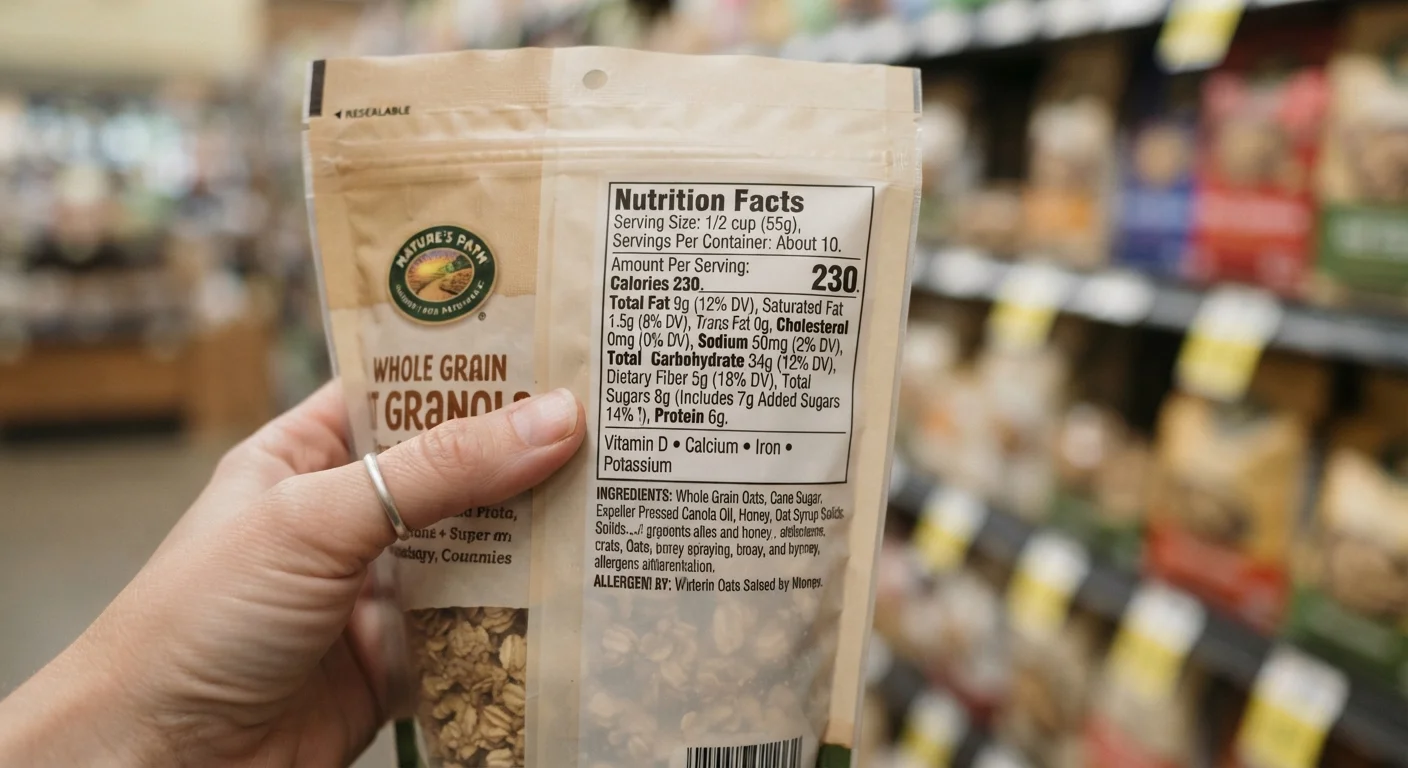
- Check ingredient lists, not just nutrition panels. A long list of unfamiliar substances - emulsifiers, flavor compounds, modified starches - signals a high degree of industrial processing. Our guide to reading nutrition labels walks through how to interpret what you find.
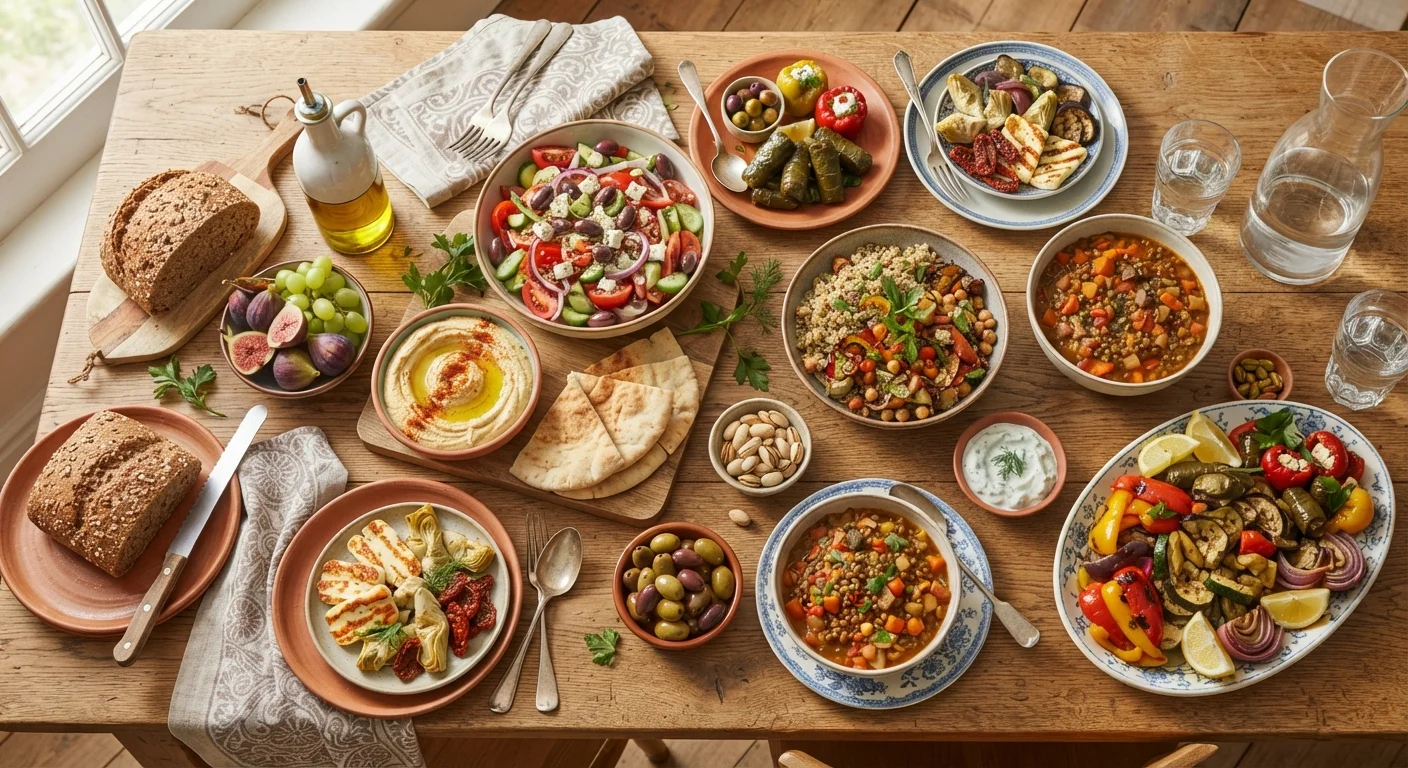
- Prioritize Group 1 foods as a baseline. Building meals around unprocessed or minimally processed whole foods provides the nutritional foundation that research consistently supports.
- Don't treat Group 3 as the enemy. Canned tomatoes, aged cheese, and whole-grain bread serve real roles in accessible, affordable nutrition.
- Look at overall dietary patterns. No single food defines health outcomes. For the broader picture, see eating patterns linked to long-term health.
A Simple Ingredient-List Rule of Thumb
When evaluating a packaged food, scan the ingredient list for substances you wouldn't find in a typical home kitchen - things like 'maltodextrin,' 'carrageenan,' or 'artificial flavor.' The presence of several such ingredients is a reliable signal that a food sits in the ultra-processed category, regardless of what nutrient claims appear on the front of the package.
This article is for general informational and educational purposes only and is not a substitute for professional medical or dietary advice. Consult a registered dietitian or qualified healthcare provider for guidance specific to your health situation.