What 'Plant-Based' Actually Means
The term plant-based diet covers a wide spectrum. At one end sits fully vegan eating - no animal products of any kind. At the other, flexitarian or plant-forward patterns reduce but don't eliminate meat and dairy. In between are vegetarian approaches that may include eggs, dairy, or fish. This matters because many of the claimed benefits and risks depend heavily on which version of plant-based eating someone actually follows.
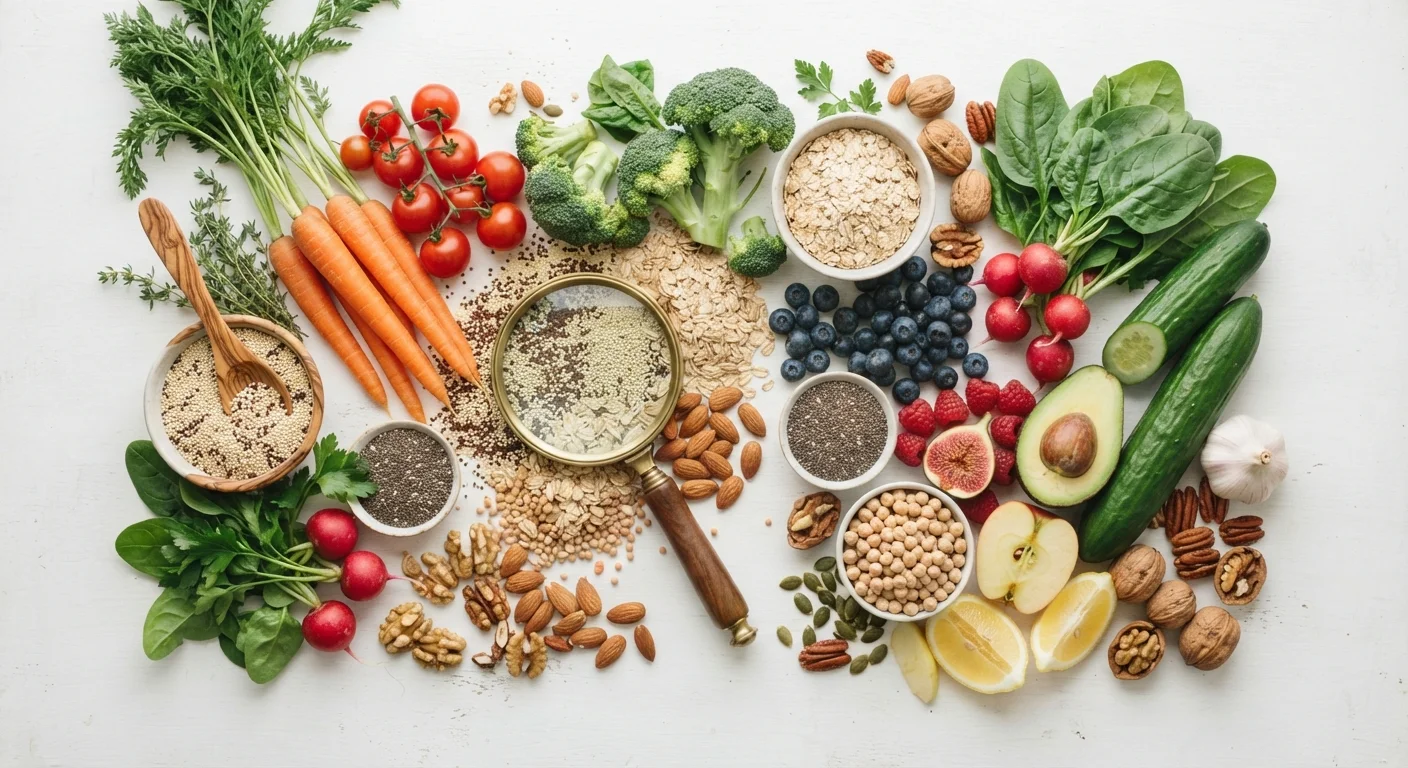
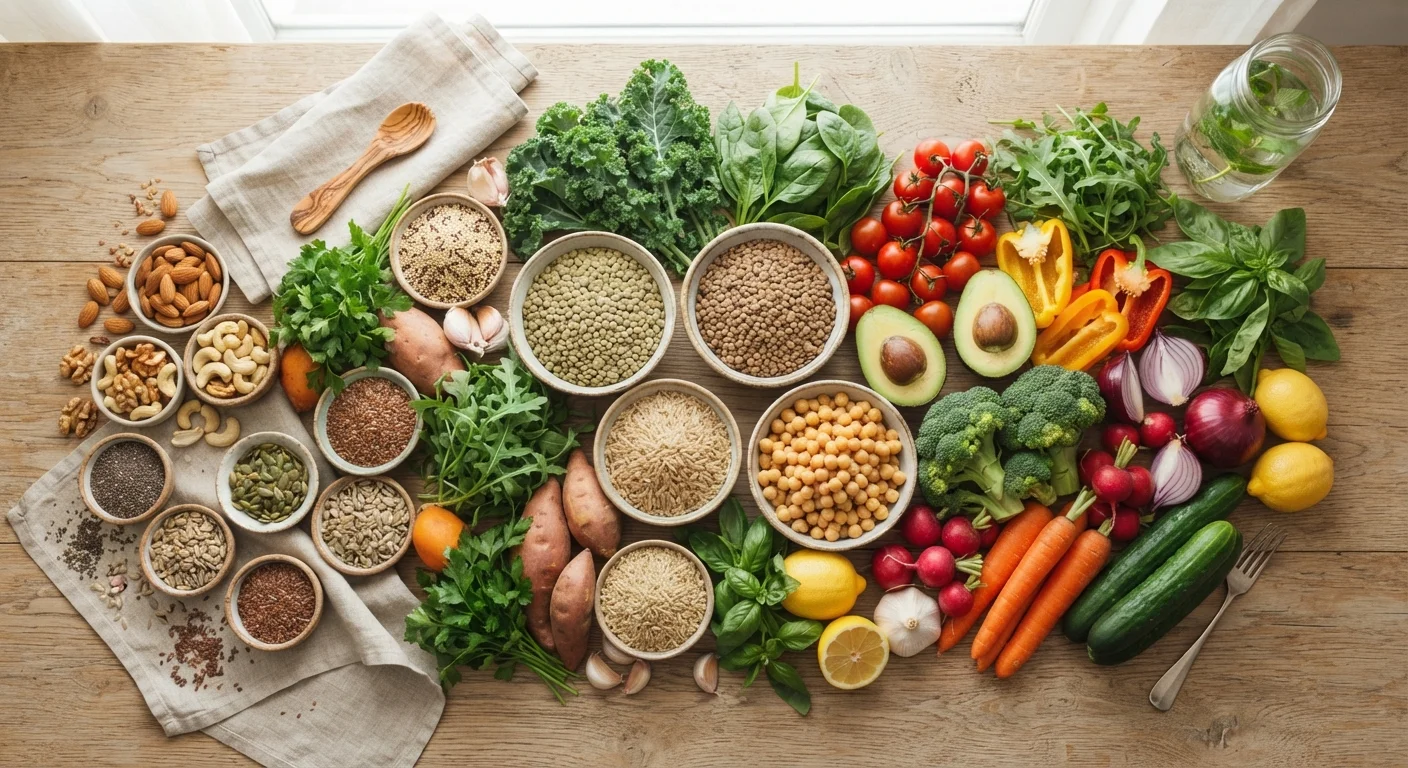
What unites these patterns is that the majority of calories come from vegetables, legumes, whole grains, fruits, nuts, and seeds. The scientific literature on plant-based diets generally studies people who follow these patterns long-term - not someone who swapped in oat milk for a week. Keep that context in mind when evaluating the evidence. For a broader look at what dietary patterns research consistently supports, see eating patterns linked to long-term health.
The Evidence-Backed Advantages
The health case for plant-based eating is among the more robust in nutrition science - a field where strong consensus is genuinely hard to achieve.
Lower risk of cardiovascular disease
Large cohort studies, including data from the Adventist Health Study, associate plant-based dietary patterns with meaningfully lower rates of heart disease. The effect is attributed to lower saturated fat intake, higher fiber, and greater consumption of protective phytonutrients.
Reduced type 2 diabetes risk
A 2019 meta-analysis in JAMA Internal Medicine found that plant-based dietary patterns were associated with a significantly lower risk of type 2 diabetes, with healthful plant-based diets showing the strongest associations.
Higher fiber intake supports gut health
Plant-based eaters typically consume far more dietary fiber than the general population - supporting bowel regularity, feeding beneficial gut bacteria, and associated with lower colorectal cancer risk. Most Americans fall well short of fiber recommendations. See why the fiber gap matters.
Associated with lower body weight
On average, people following plant-based dietary patterns tend to have lower BMI than omnivores, though this relationship is observational and influenced by many lifestyle factors beyond diet alone.
Substantial environmental footprint reduction
Shifting toward plant-dominant eating is one of the most impactful individual dietary choices for reducing greenhouse gas emissions, water use, and land use, according to multiple lifecycle analyses.
~25%
Lower heart disease risk in plant-based eaters
A pooled analysis published in the Journal of the American Heart Association estimated roughly a 25% lower risk of ischemic heart disease among vegetarians compared to meat eaters.
10-16g/day
Average fiber gap for US adults
The Dietary Guidelines for Americans identify fiber as a 'nutrient of public health concern,' with most adults consuming only about half the recommended daily amount.
Beyond individual health, the environmental case is also well-supported. Life cycle assessments consistently show that plant protein production generates substantially fewer greenhouse gas emissions and requires less land and water than most forms of animal agriculture, though the magnitude varies by crop and region.
The Real Nutritional Gaps to Plan Around
The advantages above do not come automatically. A plant-based diet built on refined carbohydrates, processed snacks, and little variety can be as nutritionally poor as any other low-quality diet. The nutrients below require conscious attention.
Vitamin B12 must be supplemented
B12 occurs naturally only in animal-derived foods. Deficiency - which can cause irreversible neurological damage - is a genuine risk for anyone following a fully plant-based diet without supplementation or fortified foods. This is not optional planning.
Iron absorption is less efficient from plants
Plant foods contain non-heme iron, which the body absorbs less readily than heme iron from meat. Inhibitors like phytates in grains and legumes reduce absorption further; pairing iron-rich plant foods with vitamin C helps, but intake requirements are higher.
Omega-3 fatty acids require attention
The omega-3s most relevant to cardiovascular and brain health - EPA and DHA - are found primarily in fatty fish. Alpha-linolenic acid (ALA) from flaxseed and walnuts converts to EPA and DHA inefficiently. Algae-based supplements provide a direct plant-sourced alternative.
Calcium and vitamin D need reliable sources
Dairy is the most common calcium source in the American diet; plant-based eaters need to rely on fortified plant milks, tofu made with calcium sulfate, leafy greens, and supplementation. Vitamin D is largely independent of diet but is worth monitoring regardless of eating pattern.
Zinc bioavailability is reduced by phytates
Phytic acid, present in legumes and whole grains, binds zinc and reduces how much the body absorbs. Techniques like soaking and sprouting legumes can reduce phytate content, and overall zinc intake requirements are higher for plant-based eaters.
Processed 'plant-based' products vary widely in quality
Many packaged plant-based alternatives are high in sodium, refined starches, and additives. Substituting ultraprocessed plant products for whole foods does not carry the same health profile as a diet built around minimally processed plants.
Special Populations Need Extra Care
Pregnant and breastfeeding individuals, infants, young children, and older adults have specific and elevated nutrient requirements that make plant-exclusive diets higher-stakes to manage without professional guidance. If you or someone you care for falls into one of these groups, consult a registered dietitian before making significant dietary changes. General population evidence does not automatically translate to these groups.
Protein is worth addressing separately. Contrary to common concern, plant-exclusive diets can meet protein needs - but it requires eating a variety of sources (legumes, tofu, tempeh, seitan, edamame, whole grains) across the day. Plant proteins are generally lower in one or more essential amino acids compared to most animal proteins, though this is manageable with diversity rather than rigid combining rules at every meal. For a deeper comparison, see how plant and animal protein sources compare.
Practical Considerations Beyond Nutrition
Even a nutritionally well-planned plant-based diet involves real-world trade-offs in cost, access, and social context. Whole plant foods like dried legumes, oats, and seasonal produce are among the most affordable foods available - but heavily processed plant-based meat alternatives can be significantly more expensive than the animal proteins they're designed to replace.
Social eating presents genuine friction for many people. Family meals, travel, and dining out can be more complicated when following a strict plant-exclusive approach. Flexitarian frameworks reduce this friction considerably without abandoning the core benefits. These factors aren't reasons to avoid plant-based eating, but they're worth weighing honestly against individual circumstances.
It's also worth examining the claims critically. Not every food marketed as plant-based is nutritionally superior to what it replaces. Popular nutrition claims that science doesn't fully support is a useful companion resource for navigating the hype that often surrounds this space.
If you want a structured way to assess where your current eating patterns stand, a practical weekly eating audit offers a methodical starting point.
This article is for general informational and educational purposes only and does not constitute medical or dietary advice. Consult a registered dietitian or qualified healthcare professional before making significant dietary changes, especially if you are pregnant, nursing, managing a chronic health condition, or caring for children or older adults.