
Why These Myths Persist - and Why They're Costly
Home improvement advice travels fast - through neighborhood conversations, online forums, and well-meaning family members. Some of it is solid. Much of it is not. The problem isn't ignorance; it's that many myths contain just enough truth to seem credible until a project goes sideways.
Believing the wrong thing at the wrong time can mean mold returning behind fresh paint, a failed inspection, or a tile floor that cracks within a year. Understanding where common advice goes wrong is one of the most practical steps any homeowner can take. Our first-year homeowner maintenance guide is a good companion resource if you're just getting started.
Myth
Painting over mold kills it and solves the problem permanently.
Fact
Paint - even mold-resistant paint - does not kill mold. It only covers it temporarily.
Mold is a living organism that grows into porous surfaces like drywall, wood, and grout. Covering it with paint seals in moisture and can actually accelerate growth behind the surface. The correct approach is to identify and fix the moisture source, remove affected material according to safe remediation practices, and then treat the area before any painting begins. For small surface mold (under 10 square feet), the EPA provides general guidance for homeowners; larger infestations typically warrant professional remediation.
Myth
You can skip primer if you're using a paint labeled 'paint and primer in one.'
Fact
Paint-and-primer products reduce prep time in some situations, but they are not a universal replacement for a dedicated primer coat.
On new drywall, raw wood, heavily patched surfaces, or when making a dramatic color change, a separate primer is still the professional standard. Dedicated primers seal porous surfaces, improve adhesion, and prevent bleed-through from stains or previous colors. Skipping primer often results in uneven sheen, poor coverage, and the need for additional topcoats - costing more time and paint in the end. Our guide to choosing interior paint finishes covers how surface prep affects the final result.
Myth
Caulk can fill any gap, crack, or hole in and around your home.
Fact
Caulk is a sealant designed for minor gaps and joints - it is not a structural repair material.
Using caulk to fill large gaps in framing, wide cracks in masonry, or holes left by removed fasteners doesn't address the underlying issue and often fails within a season. Different gaps require different solutions: hydraulic cement for active water leaks in concrete, backer rod plus caulk for wide expansion joints, and proper patching compound for drywall repairs. Applying caulk over structural movement cracks can also mask warning signs that warrant a professional evaluation.
Myth
Adding more insulation is always better, no matter where you put it.
Fact
Insulation effectiveness depends heavily on placement, air sealing, and the right R-value for the climate zone - more isn't automatically better.
Piling extra insulation into an attic while ignoring air leaks around light fixtures, plumbing penetrations, and duct connections is one of the most common and costly mistakes in home energy performance. Air sealing must come before or alongside insulation for either to work well. Insulation in the wrong location - such as covering soffit vents - can also cause moisture and ventilation problems. Our guide Insulation From the Ground Up explains R-values and placement without the contractor jargon.
Myth
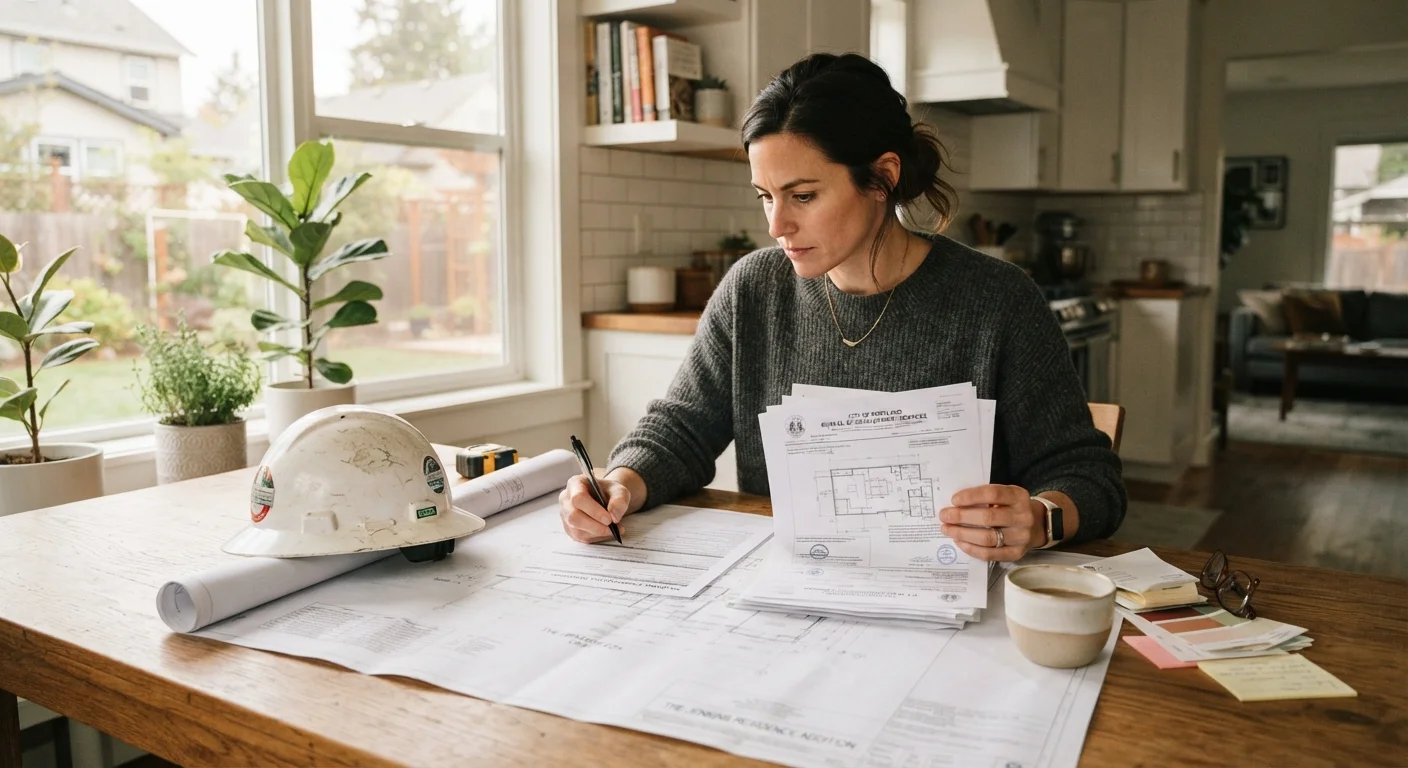
Any home improvement project you can physically do yourself doesn't need a permit.
Fact
Whether a permit is required depends on the type and scope of work, not who performs it.
Permits exist to ensure that work meets local building codes designed to protect occupant safety and structural integrity. Electrical, plumbing, HVAC, structural changes, and many additions require permits in most US municipalities regardless of who does the work. Unpermitted improvements can create serious problems when selling a home - lenders and buyers may require the work to be opened up, inspected, or redone entirely. Always check with your local building department before starting any significant project.
The Bigger Picture: Permits, Professionals, and Knowing Your Limits
Two of the most damaging myths in home improvement are that permits are optional for small jobs, and that DIY always saves money. Both deserve a direct look.
Unpermitted Work Can Follow You at Resale
Home inspectors and buyers' agents increasingly flag unpermitted improvements during real estate transactions. In some cases, sellers are required to disclose unpermitted work, and buyers can negotiate repairs or price reductions as a result. Beyond resale, homeowner's insurance policies may deny claims related to unpermitted alterations. When in doubt, a quick call to your local building department is always worth the time.
Many renovations - from adding an electrical outlet to replacing a water heater - require permits in most US jurisdictions. Skipping them isn't just a technicality: unpermitted work can complicate home sales, void homeowner's insurance claims, and create liability if something goes wrong. See our detailed breakdown in Permits, Inspections, and When You Actually Need Them.
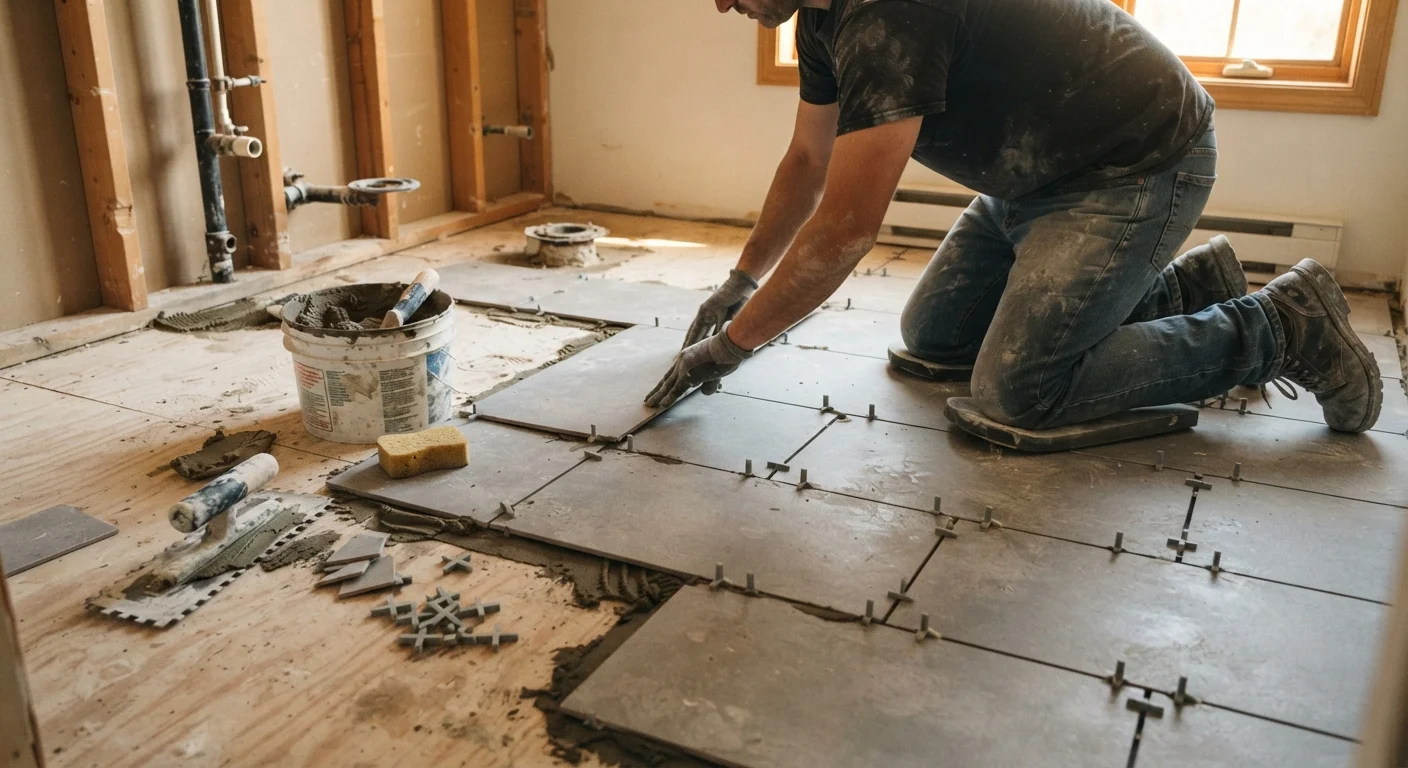
As for cost, DIY has real value - but only when the skill level matches the task. Factor in material waste from errors, tool rental, and the potential cost of hiring a professional to fix a failed attempt, and the math often changes. Knowing which projects are genuinely DIY-friendly - and which aren't - is a skill in itself. For tile work specifically, common reasons DIY tile jobs fail is worth reading before you mix any thinset.
~68%
US homeowners who have attempted DIY repairs
According to surveys by home research organizations, roughly two-thirds of US homeowners report attempting at least one DIY repair or improvement project per year.
1 in 3
DIY projects requiring professional correction
Industry estimates suggest a significant share of DIY home improvement attempts require some level of professional rework, adding unplanned cost to the original project.
Myths don't only affect individual projects - they shape how homeowners think about their homes as systems. Addressing them directly leads to better decisions, safer outcomes, and fewer expensive surprises.