Where the Idea Comes From
The phrase "lifelong learning" sounds modern, but its roots stretch back decades. In the 1970s, educational theorists - particularly within UNESCO - began arguing that education needed to be understood as a continuous process, not a phase that ends in early adulthood. The influential 1972 Faure Report, Learning to Be, called for a "learning society" in which individuals could develop themselves throughout their lives.
The concept gained renewed momentum in the 1990s and 2000s as labor markets shifted and technology accelerated. Governments and international bodies began treating lifelong learning as an economic and civic priority - essential for workforce adaptation, active citizenship, and social inclusion. Today, the idea has filtered down from policy circles into everyday language, even if its meaning sometimes gets fuzzy along the way.
Understanding this history matters because it clarifies something important: lifelong learning was never meant to be only about job training. It has always encompassed personal development, civic participation, and the pursuit of meaning - not just marketable credentials.
What It Actually Includes
Lifelong learning is broader than most people assume. Researchers and educators typically categorize it across three types:
- Formal learning: Structured, credentialed programs - degree courses, professional certifications, accredited workshops.
- Non-formal learning: Organized but not credential-bearing - community classes, employer training programs, online courses without official credit.
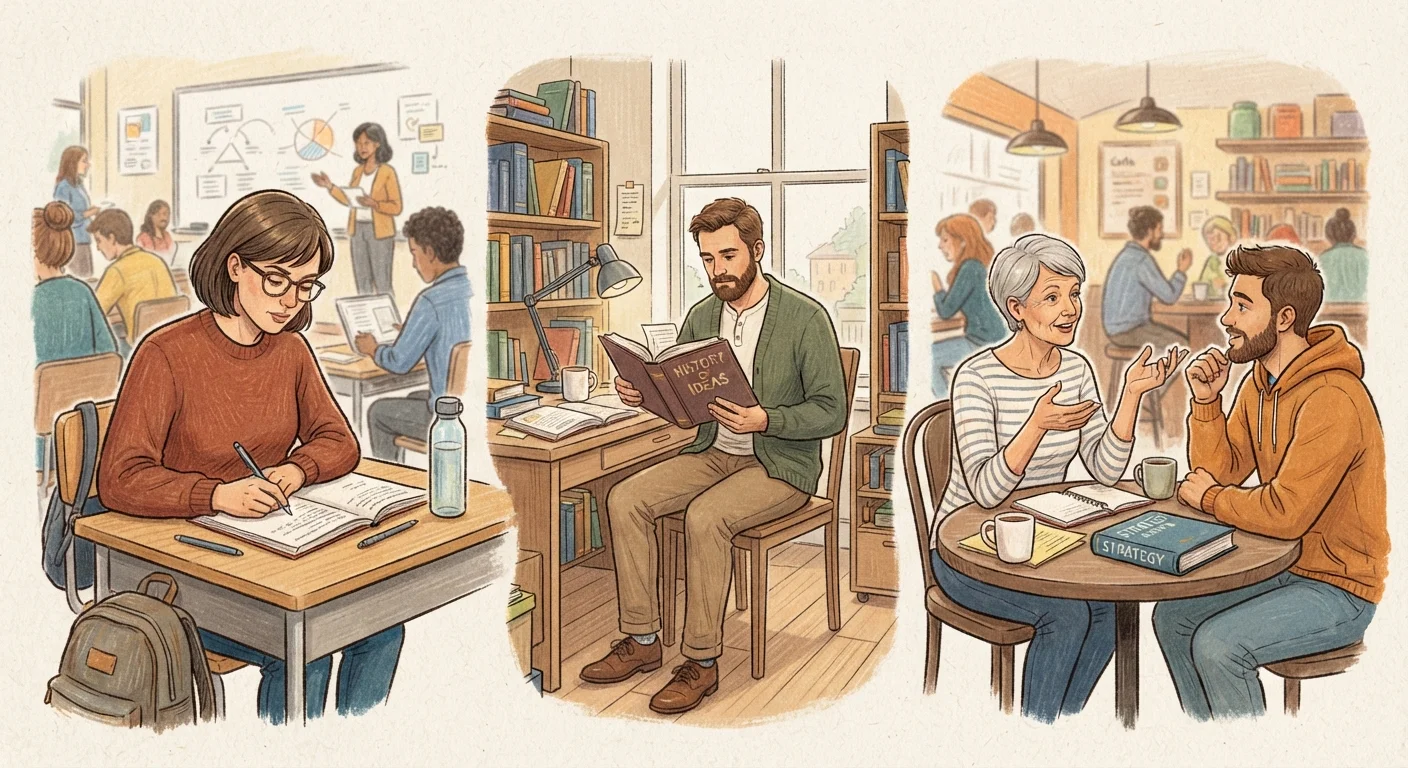
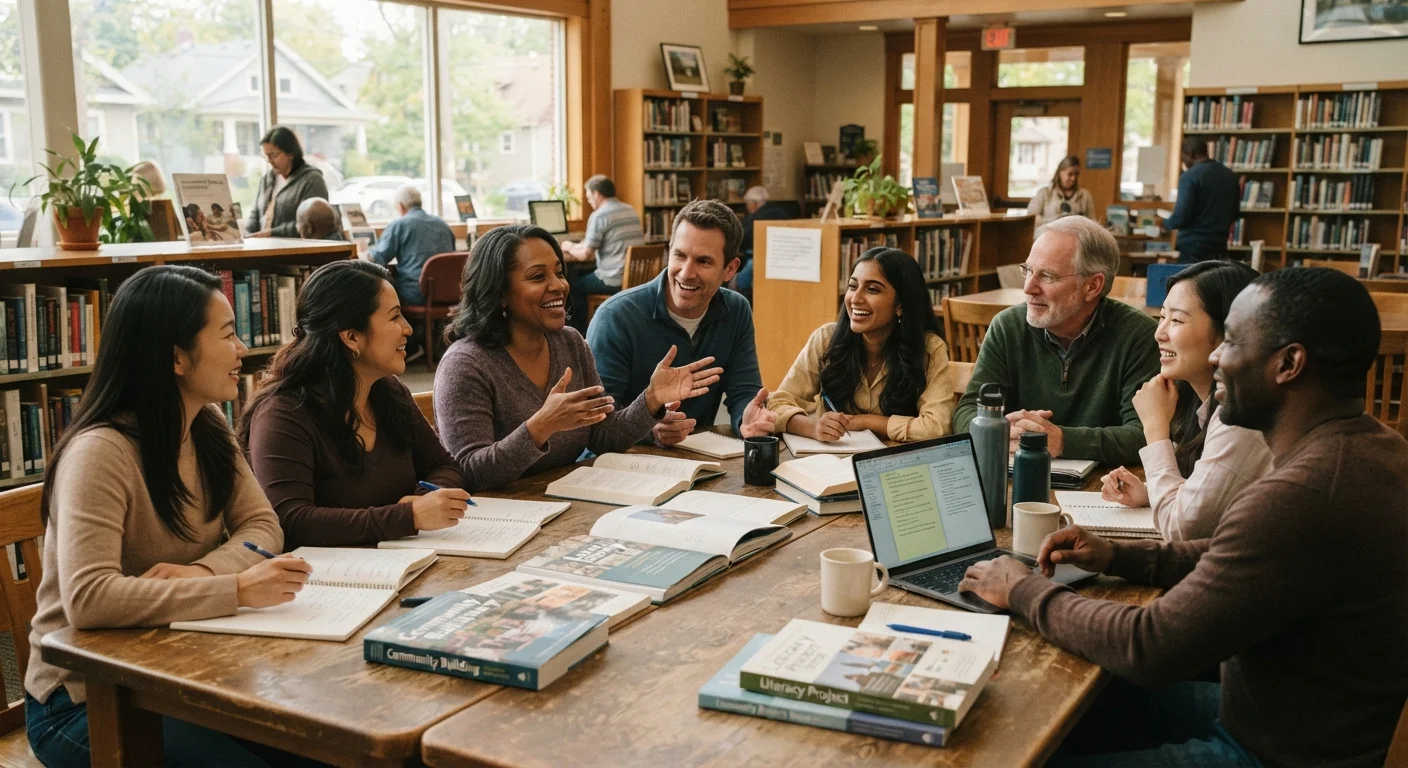
- Informal learning: Unstructured and self-directed - reading books, watching educational videos, conversations with knowledgeable peers, learning through work or hobbies.
The vast majority of adult learning falls into the non-formal and informal categories. That means that if you've ever taught yourself a skill from a tutorial, picked up a book to understand a topic better, or learned a new process at work, you've already been doing it.
74%
Adults who see themselves as personal learners
According to a Pew Research Center survey on lifelong learning, a large majority of American adults identify as continuing learners, primarily motivated by personal interest rather than professional obligation.
36%
Adults who took an online course in the past year
The same Pew Research Center report found that more than a third of U.S. adults had completed at least one online course or program in the prior 12 months.
For readers wondering which structured pathway might suit their goals, our guide on formal courses, self-study, and mentorship breaks down the trade-offs of each approach.
Why It Matters - Practically and Personally
The case for lifelong learning operates on at least two levels: the practical and the personal.
On the practical side, careers increasingly require adaptation. Roles evolve, industries shift, and skills that were sufficient five years ago may not be sufficient today. Cultivating the habit of learning - in whatever form - builds the kind of flexibility that makes navigating change more manageable. This is especially relevant for adults exploring career learning and professional development at any stage.
On the personal side, research in cognitive science consistently links sustained intellectual engagement with better cognitive health over time - though it's important not to overstate what any single habit can guarantee for any individual. Beyond cognitive benefits, many adults report that ongoing learning contributes to a sense of purpose, confidence, and connection to a wider world.
“The illiterate of the 21st century will not be those who cannot read and write, but those who cannot learn, unlearn, and relearn.”
— Alvin Toffler, Futurist and author of 'Future Shock'
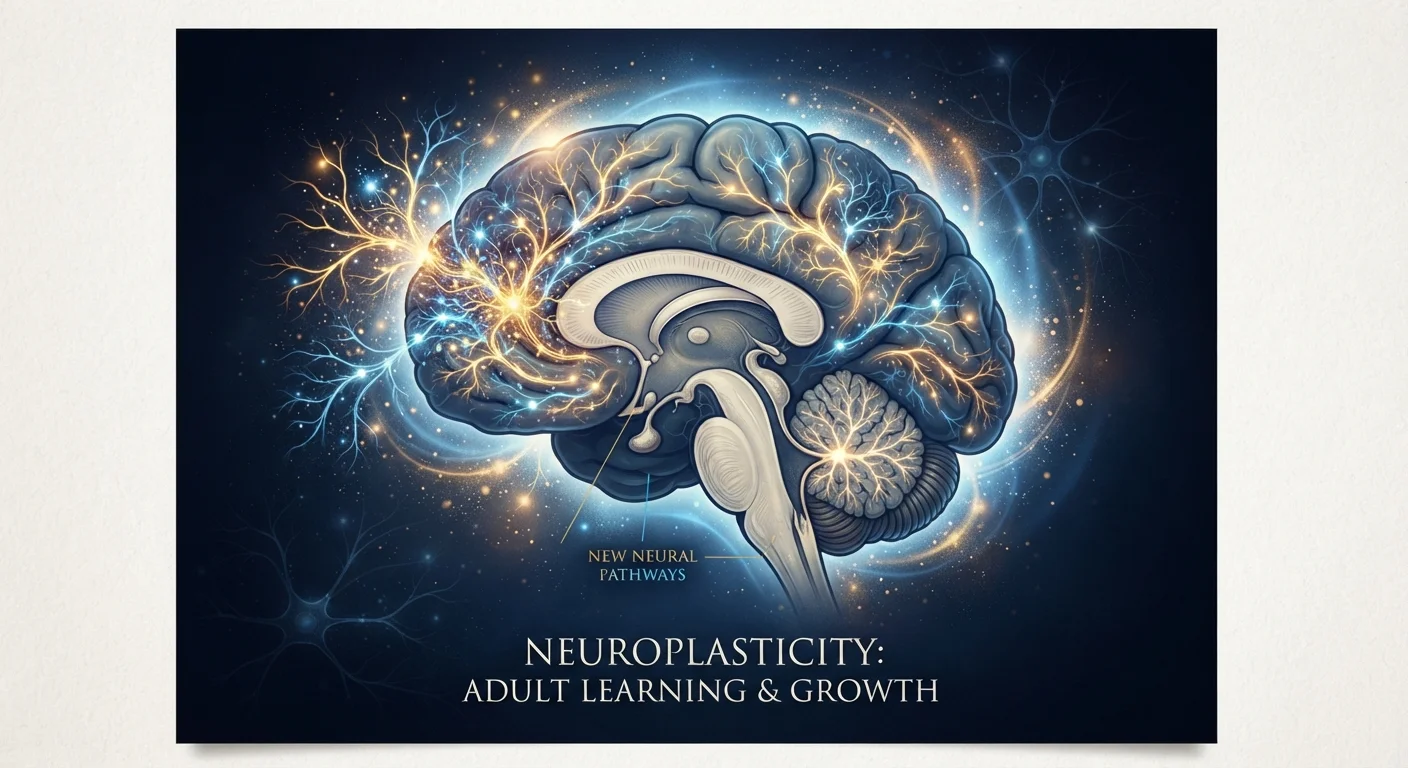
For adults specifically, it's worth knowing that the brain's capacity for growth doesn't stall after your twenties. Our companion piece on why adult brains are built for learning explores what neuroscience says about this.
Common Misconceptions Worth Clearing Up
A few persistent myths make lifelong learning feel less accessible than it actually is.
Myth 1: You need to enroll in something formal. You don't. Reading a well-researched book, listening to an expert podcast, or working through a problem in a new field all qualify. The structure you need depends on your goal - not on a certificate.
Myth 2: It requires large blocks of time. Sustainable learning habits are usually small and consistent, not intensive and sporadic. Our guide to building a personal learning habit that sticks addresses how to make this realistic alongside a full life.
Myth 3: Older adults are at a disadvantage. This is only partly true. Some processing speeds change with age, but adults bring contextual knowledge, motivation, and self-awareness that younger learners often lack. If you're curious about this, learning a new skill after 40 offers a grounded look at what to expect.
Start With What Already Interests You
The most durable learning habits tend to begin with genuine curiosity rather than obligation. Identify a topic - personal, professional, or purely recreational - that you genuinely want to understand better, and let that be your entry point. Motivation built on interest is far easier to sustain than motivation built on duty.
Lifelong learning also pairs naturally with metacognitive awareness - the practice of reflecting on how you learn - which can sharpen the effectiveness of any approach you choose.