Why Cat Health Myths Persist - And Why They Matter
Misconceptions about cat health are remarkably durable. They spread through pop culture, well-meaning social media posts, and advice passed down from generations of pet owners who simply didn't have access to current veterinary research. The problem isn't just that these beliefs are inaccurate - it's that acting on them can delay needed care, introduce dietary risks, or cause owners to miss early warning signs of illness.
Veterinarians report correcting the same cluster of myths in exam rooms every week. This article addresses the most common ones, grounding each correction in established veterinary consensus rather than anecdote.
Myth
Cats can safely drink cow's milk as a treat.
Fact
Most adult cats are lactose intolerant and cannot properly digest dairy, making milk a common cause of digestive upset.
Kittens produce lactase, the enzyme needed to break down lactose in their mother's milk. After weaning, most cats produce significantly less lactase, meaning cow's milk - which contains much more lactose than cat's milk - commonly causes diarrhea, gas, and stomach cramping. The association between cats and milk is largely a cultural image, not a reflection of feline biology. For what cats actually need nutritionally, fresh water and species-appropriate food are the foundation.
Myth
A purring cat is always a happy, relaxed cat.
Fact
Cats purr in a range of emotional and physical states, including fear, illness, stress, and pain.
Purring is often a self-soothing mechanism. Cats may purr during a veterinary procedure, while recovering from injury, or when anxious. The frequency of purring vibrations (roughly 25-150 Hz) has been associated with tissue healing in some research, which may explain why cats purr when unwell. Reading purring in context - alongside posture, ear position, and other body language cues - gives a much more accurate picture. See our guide on decoding cat body language for a fuller overview.
Myth
Cats always land on their feet and are therefore fine after falls.
Fact
While cats have a righting reflex, falls - especially from short or very high distances - can and do cause serious injuries.
The vestibular system does allow cats to orient themselves mid-air, a documented phenomenon called the "righting reflex." However, this does not protect them from impact injuries. Falls from intermediate heights (two to six stories) can cause broken legs, jaw fractures, and pneumothorax (collapsed lung). Paradoxically, very short falls may not give cats enough time to fully right themselves. Any significant fall warrants a prompt veterinary assessment.
Myth
Indoor cats don't need vaccinations or regular vet visits.
Fact
Indoor cats remain at risk for numerous diseases and health conditions that require preventive care and professional monitoring.
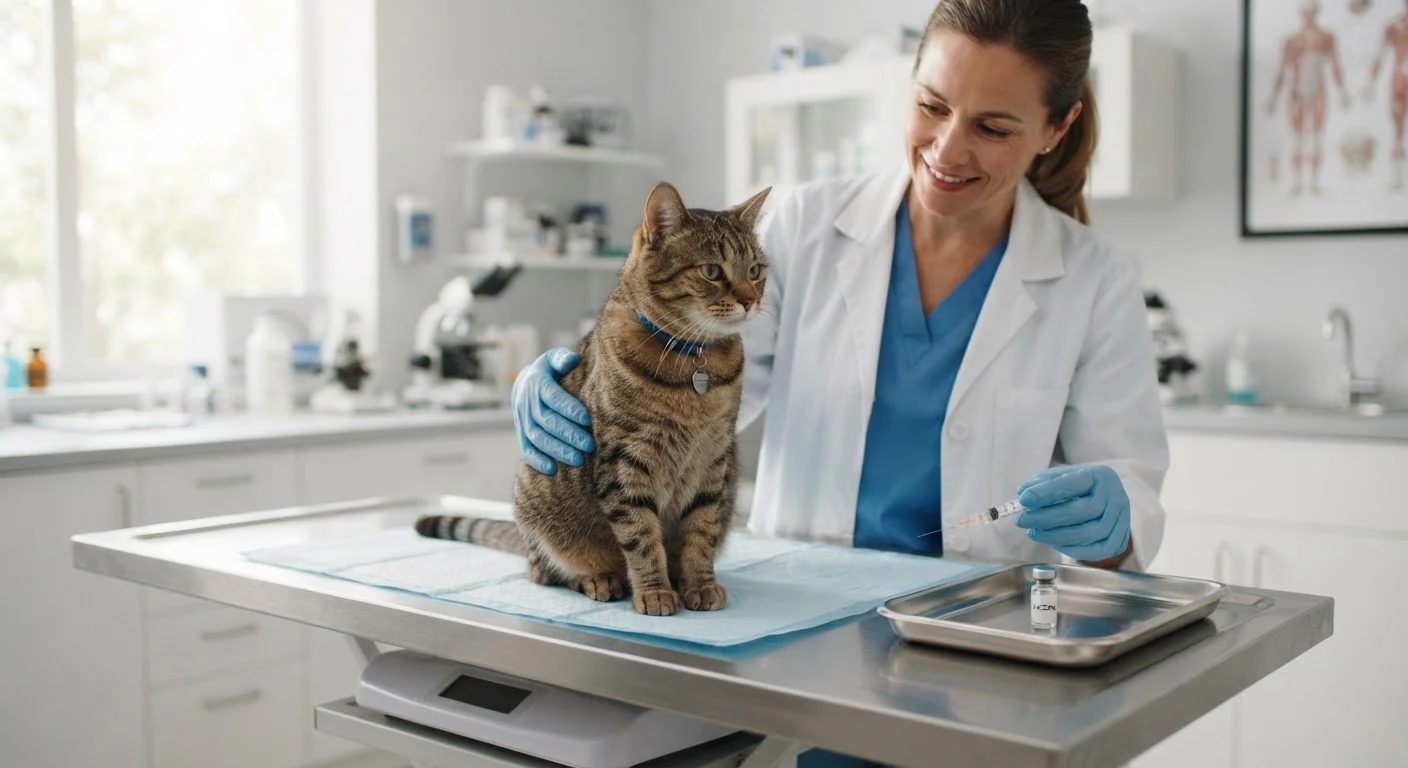
Pathogens can enter your home via your clothing, shoes, other pets, or brief outdoor escapes. Beyond infectious disease, indoor cats face elevated risks of obesity, dental disease, and stress-related conditions. Veterinarians recommend annual exams at minimum, with core vaccinations maintained even for strictly indoor cats. Dental disease, in particular, is a consistent finding even in cats that seem well - see routine care owners often overlook for specifics.
Myth
Dry kibble keeps cats' teeth clean.
Fact
The mechanical action of most dry kibble has minimal proven effect on tartar and plaque; dental disease in cats requires active intervention.
This myth likely stems from an analogy to chewing hard food in humans, but cat teeth don't work the same way - cats shear rather than grind, and many kibble pieces shatter without contacting the gumline where plaque accumulates. Veterinary dental guidelines indicate that toothbrushing and professional dental cleanings remain the most effective tools for preventing periodontal disease in cats. Certain prescription dental diets are formulated with evidence-based fiber matrices, but standard dry food is not equivalent. For a deeper look at food format trade-offs, see wet food vs. dry food for cats.
Myth
Cats are solitary and don't need social interaction or enrichment.
Fact
Domestic cats are more socially flexible than their wild ancestors and commonly experience stress and behavioral problems when understimulated.
Felis catus has evolved alongside humans for thousands of years, and domestic cats show a wide range of social tolerance - many actively seek interaction with their owners and other animals. Chronic understimulation is linked to overgrooming, aggression, litter box avoidance, and stress-induced illness. Environmental enrichment (interactive play, vertical space, puzzle feeders) and appropriate human engagement are genuine health considerations. If your cat has stopped using the litter box, behavioral and medical causes should both be evaluated.
What Accurate Cat Care Actually Looks Like
Replacing myths with accurate information doesn't require a veterinary degree - it requires knowing where the real gaps in common knowledge tend to be. For most cat owners, the highest-impact areas are preventive health, nutrition, and behavioral understanding.
Veterinary Care Is Still Essential for Indoor Cats
A common and genuinely risky assumption is that indoor cats don't need annual vet visits. Indoor cats are still susceptible to dental disease, obesity, kidney disease, hyperthyroidism, and other serious conditions that can go undetected without regular exams and bloodwork. Skipping routine care delays diagnosis and often means more complicated - and costly - treatment later.
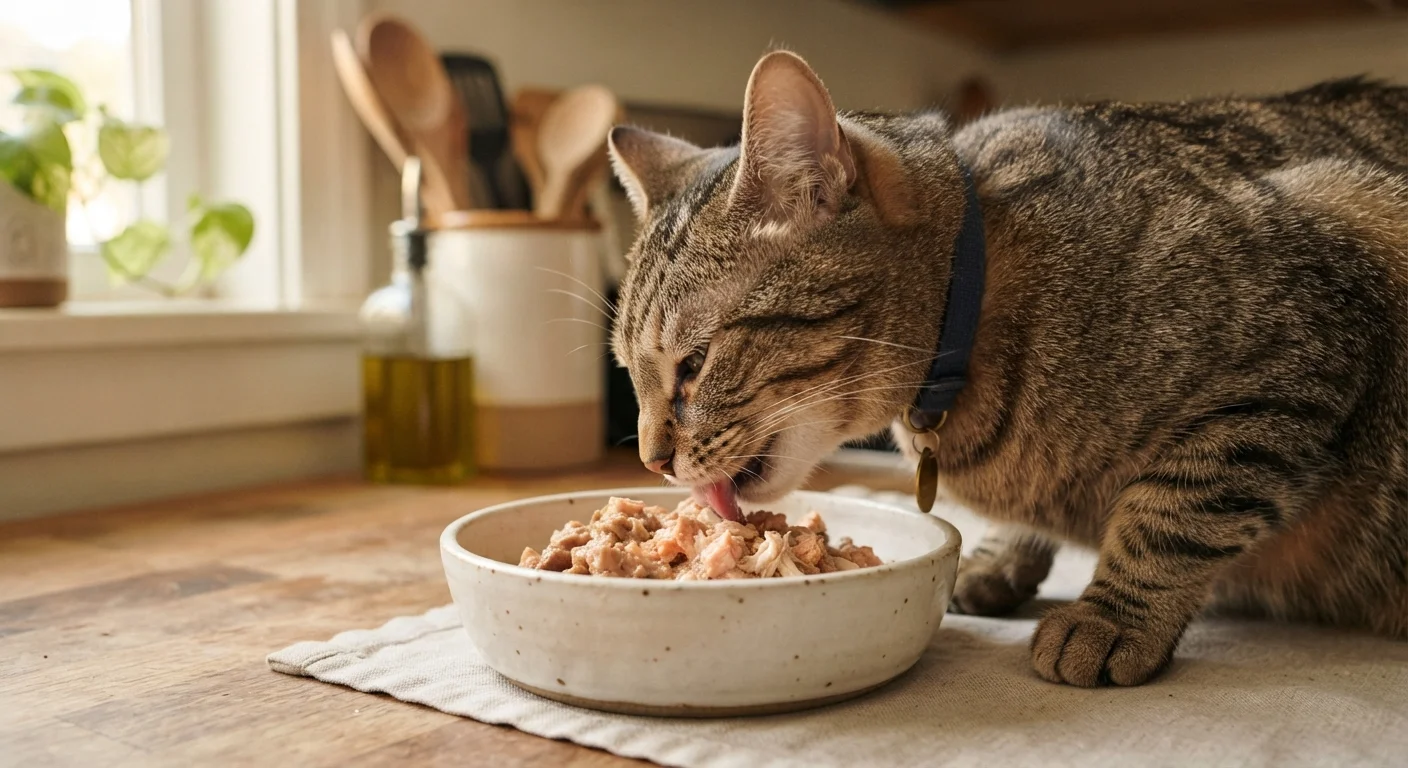
On nutrition specifically, cats are obligate carnivores with needs that differ meaningfully from dogs or humans. The question of what to feed - and in what format - deserves more than rule-of-thumb guidance. Explore what cats actually need to eat to understand the nutritional science behind feline dietary requirements.
Never Assume a Fall Was Harmless
Even if your cat appears to walk away from a fall uninjured, internal injuries and broken bones are not always immediately obvious. Cats can show delayed signs of pain due to adrenaline. If your cat has fallen from any significant height, contact a veterinarian promptly - do not wait to see if symptoms develop.
This article provides general educational information about cat health and is not a substitute for professional veterinary advice. Always consult a licensed veterinarian for guidance specific to your cat's health needs.