Why Cat Nutrition Is Different From Other Pets
Cats are not small dogs, and they are certainly not small humans. Their nutritional needs are shaped by millions of years of evolution as strict predators - and that biology has direct consequences for what you put in the bowl every day.
Unlike omnivores, cats have a limited ability to regulate protein metabolism. Their livers continuously break down amino acids regardless of dietary intake, meaning they require a consistently high protein supply just to maintain normal body function. When protein is insufficient, the body begins drawing from muscle tissue - a process that happens faster in cats than in most other species.
Understanding this distinction is the first step toward making informed feeding decisions. For a broader look at nutrition terminology used across small pet care, see our guide to small animal nutrition terms.
~10%
Estimated prevalence of diabetes in obese cats
Veterinary internal medicine literature consistently identifies obesity as the primary modifiable risk factor for feline type 2 diabetes mellitus.
70%+
Moisture content of a cat's natural prey
Whole prey - the evolutionary diet of wild felids - is estimated to contain over 70% water, far exceeding the moisture content of most dry commercial cat foods (around 10%).
Top 3
Rank of chronic kidney disease among senior cat conditions
Chronic kidney disease is one of the most commonly diagnosed conditions in cats over age 10, and inadequate hydration is considered a contributing factor by many veterinary specialists.
The Nutrients Cats Cannot Live Without
Several nutrients are classified as essential for cats specifically because their bodies cannot manufacture them in adequate quantities. These must come directly from food:
- Taurine: An amino acid critical for heart function, vision, and reproduction. Deficiency can cause dilated cardiomyopathy (a serious heart condition) and irreversible retinal degeneration. Found almost exclusively in animal tissue.
- Arachidonic acid: An omega-6 fatty acid that cats cannot synthesize from linoleic acid the way dogs and humans can. It plays a role in skin integrity, kidney function, and reproduction.
- Preformed vitamin A: Cats cannot convert beta-carotene from plants into vitamin A. They need retinol, which is found in animal liver and other organ meats.
- Niacin (vitamin B3): Cats have a very limited ability to synthesize niacin from tryptophan, making dietary sources essential.
Commercially prepared cat foods that meet the nutritional standards established by the Association of American Feed Control Officials (AAFCO) are formulated to cover these requirements. Look for an AAFCO nutritional adequacy statement on the label.
Check Your Food Label for AAFCO Compliance
Every commercially sold cat food should carry an AAFCO nutritional adequacy statement specifying the life stage it is formulated for. This statement confirms that the food meets minimum nutrient standards - either through formulation or feeding trials. If you don't see this statement, the product may not be nutritionally complete.
Hydration and Why It Matters for Cats
Cats evolved in arid environments and developed a relatively low thirst drive compared to dogs. In the wild, they obtained most of their water from prey - which is roughly 70% moisture. Domestic cats fed primarily dry kibble may chronically under-drink, which stresses the kidneys and urinary tract over time.
Chronic mild dehydration is associated with feline lower urinary tract disease (FLUTD) and chronic kidney disease (CKD) - two of the most common health conditions seen in cats. Feeding wet food, offering a cat water fountain, or adding water to dry food are practical ways many owners address this. Your veterinarian can advise on the approach that fits your cat's health profile.
Water Intake Varies by Food Type
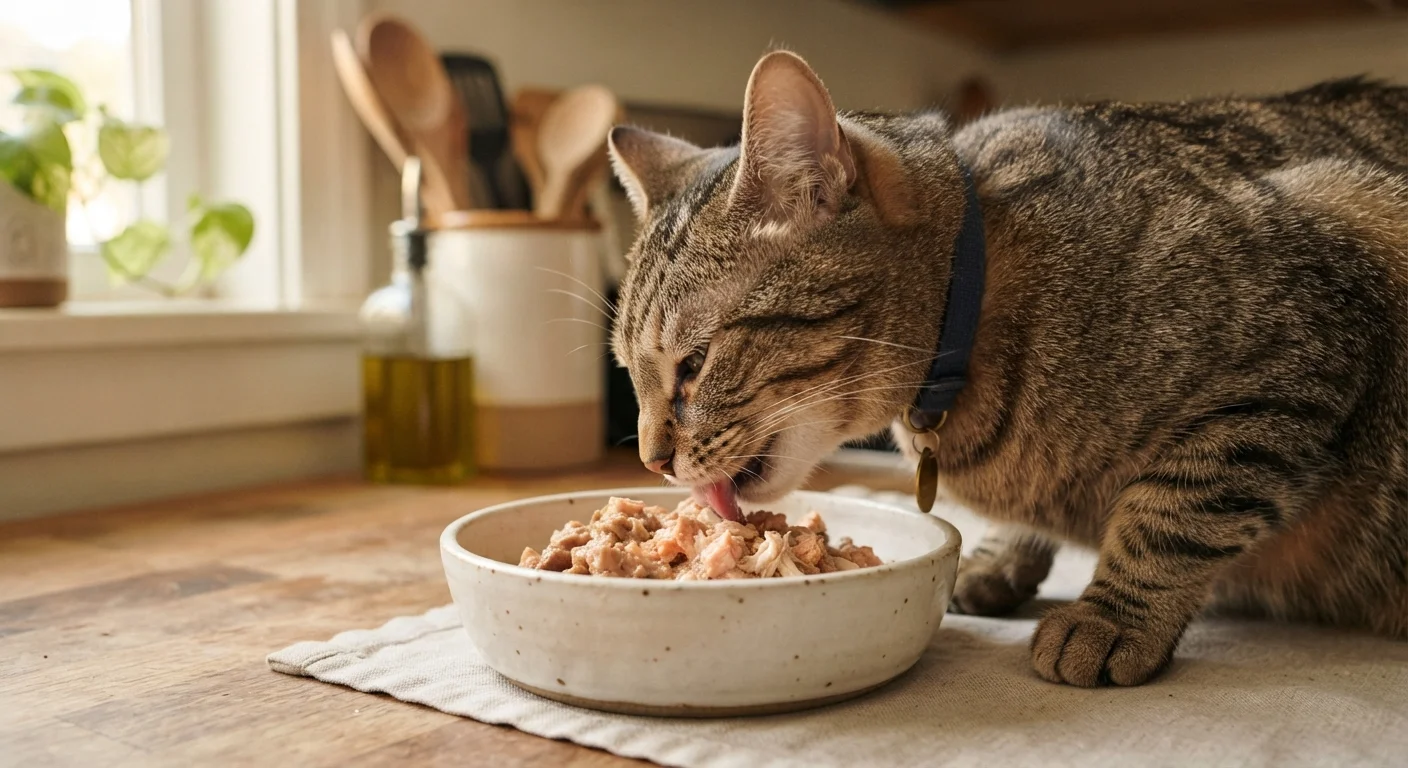
A cat eating wet food exclusively may consume three to four times more water daily than a cat eating only dry kibble, even when a water bowl is freely available. This difference is physiologically significant, particularly for cats with a history of urinary or kidney issues. Discuss the best hydration strategy for your cat with your veterinarian.
Carbohydrates, Life Stage, and Common Feeding Mistakes
Cats have no dietary requirement for carbohydrates, and their digestive systems are not well equipped to process large amounts of starch. High-carbohydrate dry foods can contribute to weight gain and may play a role in feline diabetes, particularly in less active or indoor cats. This doesn't mean carbs are toxic - but they should not form the backbone of a cat's diet.
Life stage matters significantly:
- Kittens need higher protein and fat, plus adequate calcium and phosphorus for bone development. Feed a food labeled for kittens or "all life stages."
- Adult cats benefit from portion control and diets that maintain lean body mass without excess calories.
- Senior cats (generally 10 years and older) may need adjusted protein levels depending on kidney function, and many benefit from more frequent veterinary nutritional assessments.
A common mistake is free-feeding dry kibble without monitoring intake - a practice that frequently leads to obesity. Scheduled meals with measured portions give owners better visibility into how much their cat is actually eating.
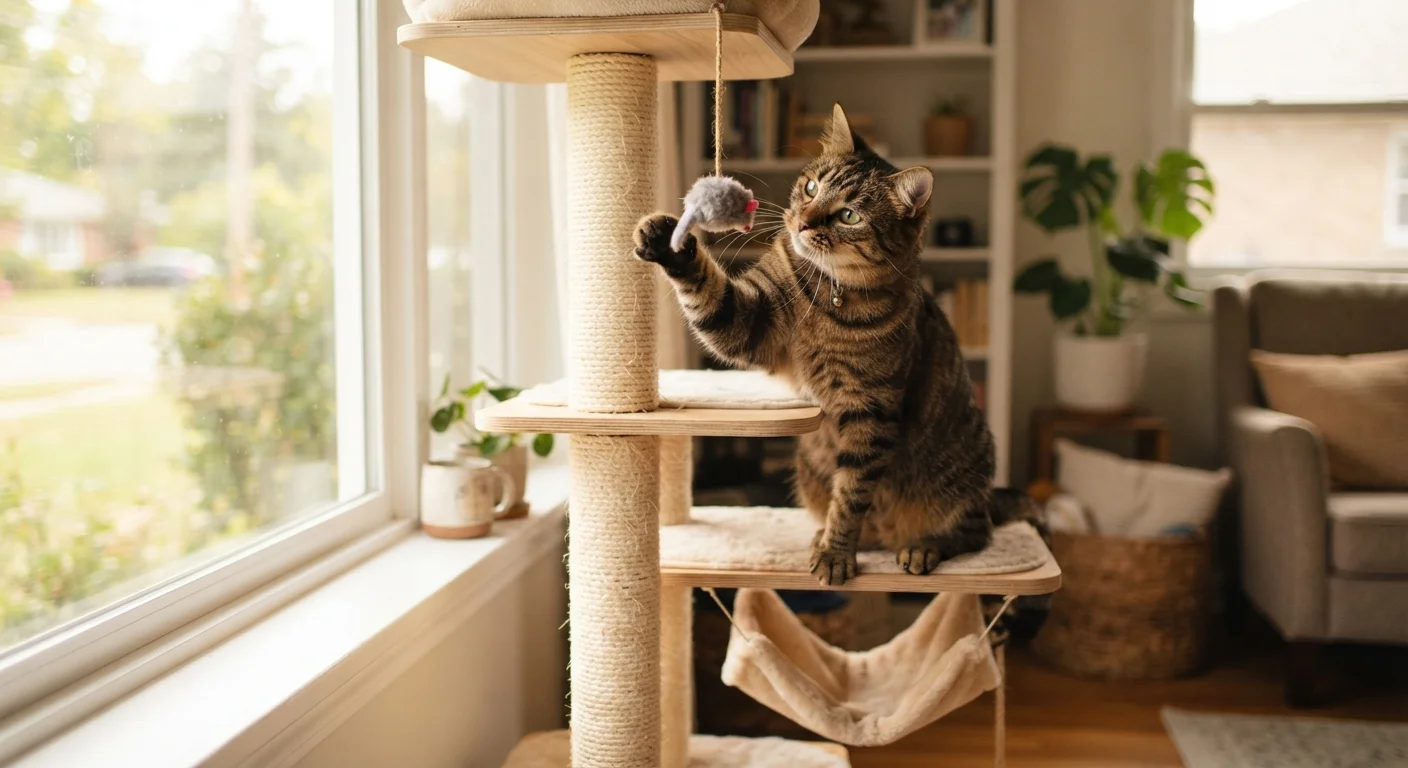
Lifestyle also influences nutritional needs. For more on how a cat's environment shapes their overall health requirements, see our look at indoor vs. outdoor cat trade-offs. Enrichment tools like puzzle feeders can also help slow eating and support a healthy weight - explore indoor cat enrichment strategies for practical ideas.
Many popular beliefs about what cats can eat are incorrect. The veterinarian-reviewed guide to common cat health myths addresses several feeding misconceptions directly.
This article provides general educational information about feline nutrition and is not a substitute for personalized veterinary advice. Always consult a licensed veterinarian for guidance specific to your cat's health, age, and medical history.