Start With a Vet Visit, Not a Behavior Assumption
When a cat suddenly stops using the litter box, the instinct for many owners is to assume a behavioral problem. That assumption can delay care the cat genuinely needs. Urinary tract infections, feline idiopathic cystitis, kidney disease, diabetes, and arthritis are all conditions that can cause a cat to avoid the box - either because urination is painful, urgency is extreme, or reaching the box has become physically difficult.
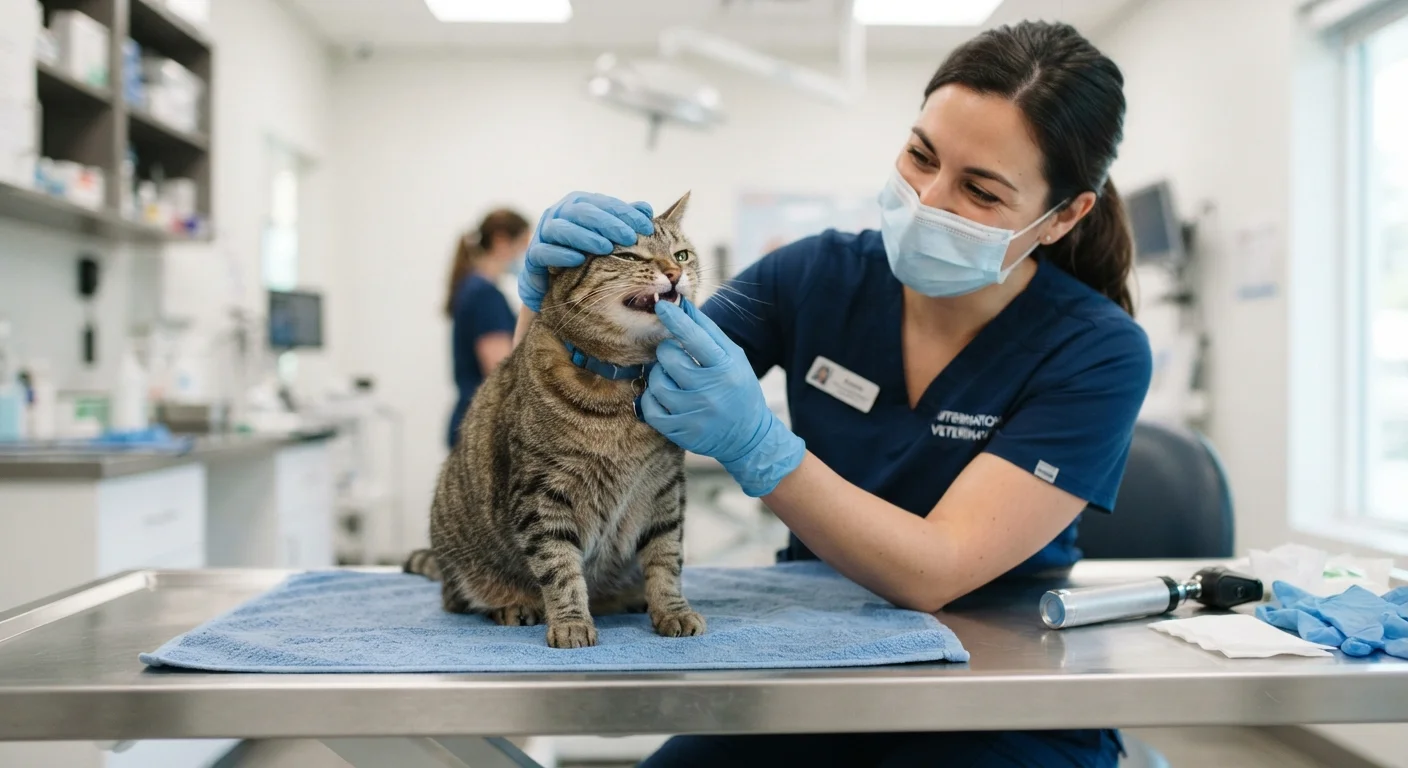
A veterinarian can rule out or identify these causes with a physical exam and urinalysis. Skipping this step and going straight to behavioral fixes wastes time and leaves a potentially sick cat untreated. If your cat's avoidance came on suddenly, or if you notice straining, blood in urine, or frequent trips to the box with little output, treat that as urgent. You can learn more about those physical warning signs in our guide to recognizing when your cat needs prompt veterinary attention.
Straining or Blood in Urine Is an Emergency
A male cat that is straining to urinate and producing little or nothing may have a urethral blockage - a life-threatening condition requiring immediate emergency veterinary care. Do not wait to see if it resolves on its own. Female cats can also develop serious urinary conditions. Any sign of obvious pain or complete inability to urinate warrants an urgent call to your vet or an emergency animal hospital.
Common Mistakes That Drive Cats Away From the Box
Once medical causes have been ruled out, the problem is almost always rooted in how the litter box is set up or maintained. The mistakes below are among the most frequently seen - and the most frequently misunderstood.
Not cleaning the litter box frequently enough.
Why it happens: Owners often underestimate how sensitive cats are to odor. What smells acceptable to a human may be overwhelming to a cat with a sense of smell roughly 14 times more acute.
Using a box that is too small for the cat's body size.
Why it happens: Many commercially available litter boxes are sized for convenience and aesthetics rather than feline comfort. Owners buy what fits the space rather than what fits the cat.
Placing the litter box in a high-traffic or noisy area.
Why it happens: Owners often choose locations that are convenient for them - laundry rooms with active appliances, busy hallways, or rooms where the family gathers - without considering that cats need to feel safe while using the box.
Switching litter types abruptly or using heavily scented litter.
Why it happens: Owners often choose scented litters to manage odor for themselves, or switch brands without transition when a preferred product is unavailable. The cat's preferences are rarely factored in.
Not having enough boxes in a multi-cat household.
Why it happens: Owners assume cats will share without conflict. In practice, a dominant cat may guard a box, and a more timid cat will avoid confrontation by eliminating elsewhere.
Assuming the problem is purely behavioral and skipping veterinary evaluation.
Why it happens: Litter box avoidance looks like a behavior problem on the surface, and many owners are reluctant to incur vet costs for something that seems like a stubbornness issue.
Setting Up for Long-Term Success
Correcting litter box avoidance is usually a process of elimination: identify what changed or what was never quite right, adjust it, and give your cat time to re-establish the habit. Most cats return to consistent use once their environment meets their needs.
~10%
Cats affected by elimination problems
Feline inappropriate elimination is estimated to affect roughly 10% of cats at some point, making it one of the leading reasons cats are surrendered to shelters, according to veterinary behaviorists.
1 + 1 rule
Recommended boxes per multi-cat home
Veterinary guidance consistently recommends one litter box per cat plus one additional to reduce resource competition and stress-related avoidance in multi-cat households.
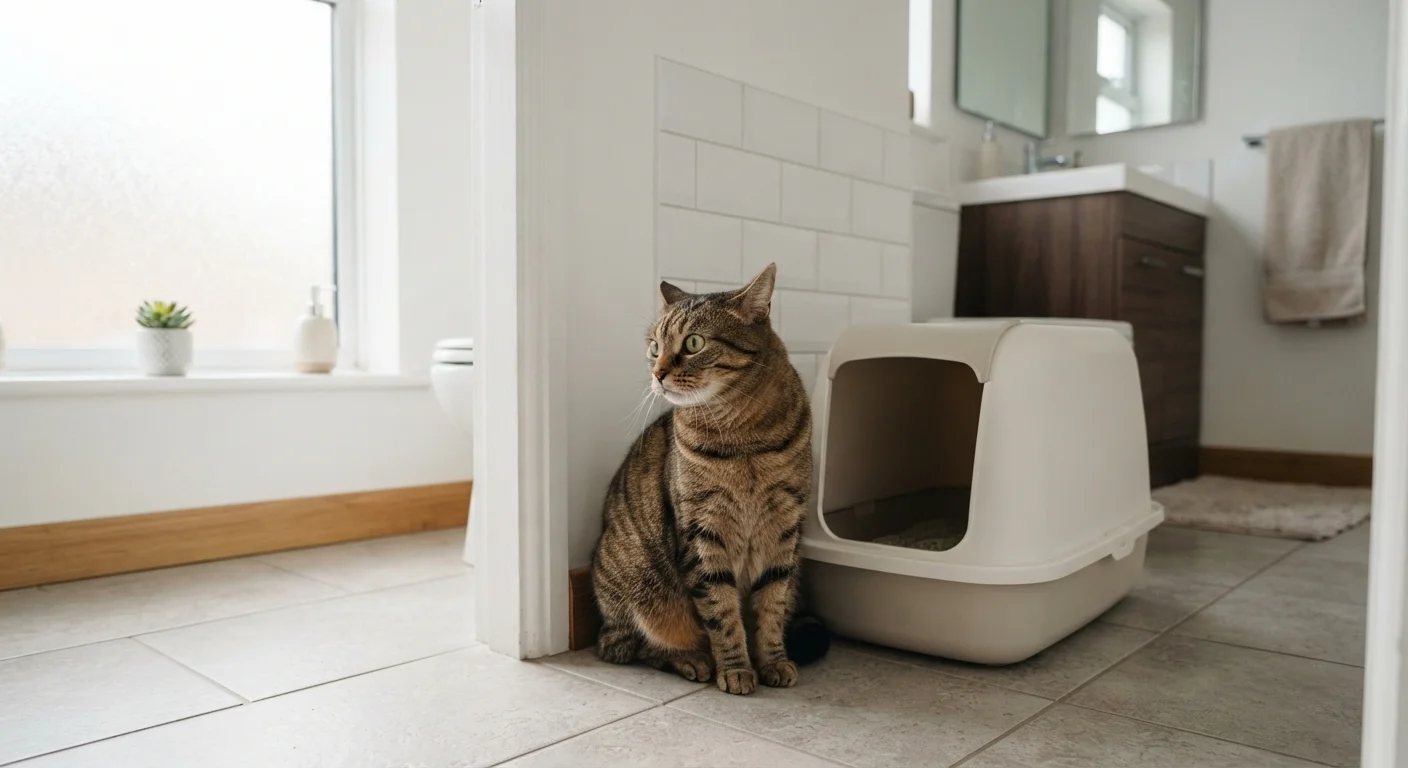
A few principles hold across nearly every situation. Provide one litter box per cat in the household, plus one extra - so a two-cat home needs at least three boxes. Place them in quiet, low-traffic areas with easy escape routes; cats are vulnerable when eliminating and avoid spots where they feel cornered. Scoop daily, do a full litter change and box wash regularly, and avoid strongly scented cleaning products that may deter use.
Litter box management is also one piece of a larger picture of routine preventive care. Our overview of routine cat care that owners often overlook covers the broader maintenance habits that keep cats healthy and comfortable at home.
This article is for general educational purposes only and is not a substitute for professional veterinary advice. If your cat is experiencing litter box avoidance, consult a licensed veterinarian to rule out underlying health conditions.