Why Cats Hide Illness - and Why It Matters
Cats are instinctive concealers of pain and vulnerability. This trait, inherited from their solitary wild ancestors, means symptoms that would be obvious in a dog may go unnoticed in a cat until a condition has progressed significantly. By the time a cat shows clear outward signs of illness, the underlying problem may already require more intensive treatment.
This reference is designed to help you identify specific behavioral and physical changes that veterinarians consider red flags - signs that warrant a call to your vet promptly rather than a wait-and-see approach. It is general health information, not a substitute for professional veterinary evaluation. When in doubt, contact your veterinarian.
For a broader look at the everyday care steps that help prevent problems from developing, see routine cat care that owners often overlook.
Physical Warning Signs That Need Prompt Attention
The following physical changes are commonly associated with conditions that worsen without treatment. None of these symptoms should be dismissed as minor without a veterinary assessment.
- Straining to urinate or producing no urine: Urinary blockages, particularly common in male cats, can become life-threatening within 24-48 hours. This is a veterinary emergency.
- Labored or open-mouth breathing: Cats rarely breathe through their mouths. Open-mouth breathing, wheezing, or visible effort to breathe signals a serious respiratory or cardiac issue requiring immediate care.
- Visible third eyelid: If the pale membrane in the inner corner of the eye is protruding, this often indicates systemic illness, fever, or significant pain.
- Sudden weight loss: Unexplained loss of body mass - especially if appetite appears normal - can point to hyperthyroidism, diabetes, kidney disease, or cancer.
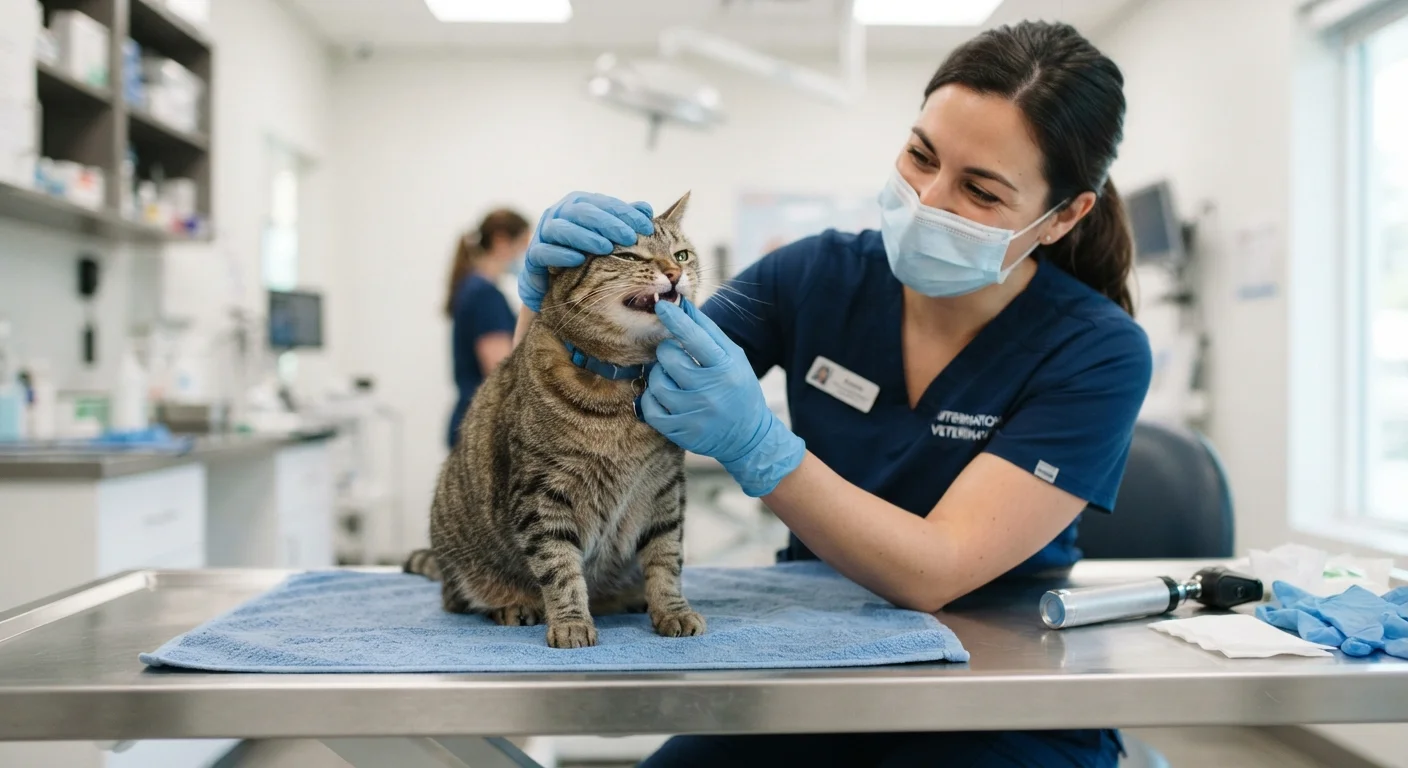
- Pale, yellow, or blue-tinged gums: Gum color is a rapid indicator of circulation and oxygenation. Anything other than healthy pink warrants urgent evaluation.
- Vomiting or diarrhea lasting more than 24 hours: Occasional vomiting is common in cats, but persistent episodes - especially with blood - indicate a need for veterinary assessment.
- Swollen or distended abdomen: Abdominal swelling can signal fluid accumulation, organ enlargement, or other serious internal conditions.
Behavioral Changes That Signal Something Is Wrong
Behavioral shifts are often the earliest indicators of illness in cats, preceding obvious physical symptoms. Owners who know their cat's baseline are well-positioned to catch these changes early.
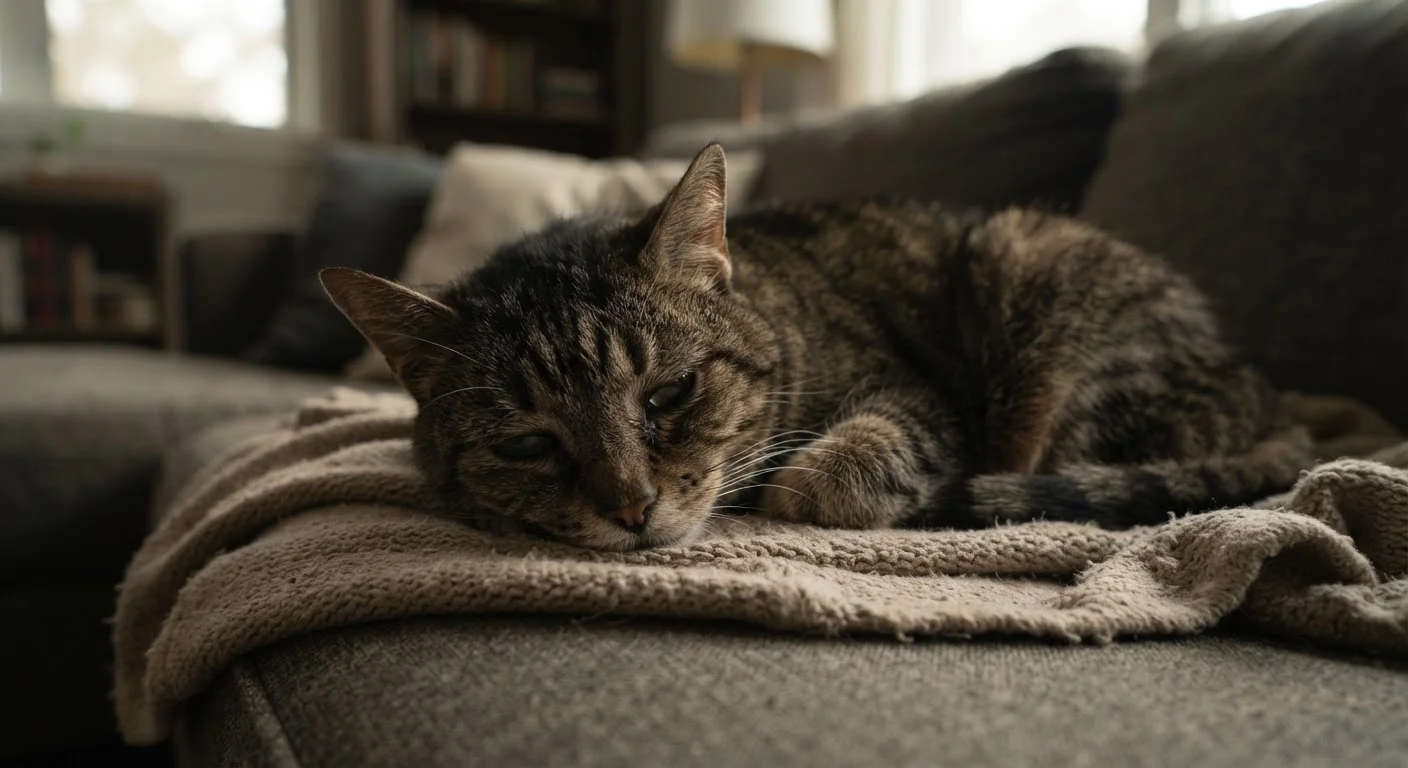
- Sudden hiding or withdrawal: A sociable cat that retreats and avoids contact is often signaling pain, fear, or illness.
- Stopped grooming or over-grooming: Unkempt, matted fur suggests the cat feels too unwell to self-groom. Conversely, excessive grooming of one area may indicate localized pain or skin irritation. Knowing when grooming changes need professional attention is an important part of cat ownership.
- Sudden aggression or extreme sensitivity to touch: A previously calm cat that hisses or bites when touched in a specific area is likely experiencing pain at that site.
- Changes in litter box habits: Going outside the box, straining, blood in urine or stool, or prolonged time in the box are all worth reporting to your vet promptly.
- Dramatic change in vocalization: Increased howling or yowling - especially in senior cats - can indicate cognitive decline, pain, or hyperthyroidism.
- Loss of coordination or collapse: Stumbling, head tilting, or falling over are neurological signs that require same-day veterinary attention.
If you have a dog at home, many of the same principles apply - certain dog behaviors also warrant a vet call that owners commonly dismiss.
This article is for general informational purposes only and does not constitute veterinary medical advice. Always consult a licensed veterinarian for diagnosis, treatment, or concerns about your cat's specific health.