
Setting Up Your Home Before Day One
Cats are territorial animals, and an unfamiliar environment can be genuinely stressful. Before your cat crosses the threshold, spend time viewing your home from a feline perspective.
Remove hazards first. Secure loose electrical cords, move toxic houseplants out of reach, and check that windows have secure screens. Small objects - rubber bands, twist ties, hair ties - are choking risks. Keep toilet lids closed; kittens can fall in and drown.
Designate a starter room. Rather than giving a new cat free run of the house immediately, set up one quiet room with food, water, a litter box, a scratching post, and a hiding spot such as a cardboard box on its side. This contained space reduces overwhelm and gives the cat a base from which to gain confidence gradually.
Introduce Slowly With Multiple Pets
Keep new cats separated from resident pets for the first several days. Swap bedding between the animals so they can get used to each other's scent before any face-to-face introduction. Rushing this step is one of the most common causes of lasting inter-pet tension.
If you have other pets, keep them completely separated during the first few days. Slow, scent-based introductions - swapping bedding before any face-to-face contact - dramatically reduce conflict and stress for all animals involved.
Essential Supplies Every Cat Owner Needs
Obligate carnivore
An animal that must eat meat to survive because its body cannot produce certain essential nutrients on its own. Cats require nutrients like taurine that are only found in animal tissue.
Taurine
An amino acid found in animal protein that cats cannot manufacture in sufficient quantities themselves. A deficiency can cause serious heart and eye problems.
Breakaway collar
A cat collar designed with a safety-release buckle that snaps open under pressure, preventing strangulation if the collar gets caught on something.
Microchip
A small electronic chip injected under a pet's skin that stores a unique ID number. When scanned by a shelter or vet, it can be used to look up the owner's contact information.
Complete-and-balanced
A designation on commercial pet food labels indicating the product meets nutritional standards established for that life stage. It means the food alone can serve as a cat's sole diet.
FVRCP vaccine
A core combination vaccine for cats that protects against feline viral rhinotracheitis (herpesvirus), calicivirus, and panleukopenia - three common and serious feline diseases.
Having the right gear ready before your cat arrives avoids scrambling and keeps the experience calm. Here is what veterinary and animal-care professionals consistently recommend:
- Litter box and litter: Unscented, clumping litter is generally well-tolerated. The box should be large enough for the cat to turn around comfortably - roughly 1.5 times the cat's body length.
- Food and water bowls: Stainless steel or ceramic bowls are easiest to keep clean. Many cats prefer wide, shallow dishes that don't press against their whiskers.
- Scratching posts: Essential for claw health and stress relief. Offer both vertical and horizontal options; individual cats have strong preferences.
- Carrier: A hard-sided or sturdy soft-sided carrier is necessary for vet visits and emergencies. Leave it out with bedding inside so your cat views it as a familiar, safe space - not just a signal that something stressful is coming.
- Collar and ID tag: Even indoor cats can escape. A breakaway safety collar with an ID tag and a microchip together give your cat the best chance of being reunited with you if lost.
Bringing Your Cat Home: The First 48 Hours
The ride home is the first stressor, so keep the carrier covered with a light cloth and the car quiet. Once home, place the carrier in the designated starter room, open the door, and let the cat emerge on its own timeline - resist the urge to pull it out.
For the first day or two, limit handling. Sit quietly in the room, read aloud, or simply be present so the cat acclimates to your scent and voice without pressure. Let it approach you rather than the reverse.
Watch for basic wellness signals: eating, drinking, and using the litter box within the first 24 hours are reassuring signs. A cat that hides continuously and refuses food or water for more than 48 hours warrants a call to your veterinarian.
If you have children, explain before the cat arrives that the animal needs quiet time and should never be chased, cornered, or picked up against its will. Children who learn to read cat body language - flattened ears, a lashing tail, dilated pupils - build safer and more rewarding relationships with animals. If you're also considering a canine companion, our guide to bringing a dog home for the first time covers a similarly structured approach for new dog owners.
Nutrition, Litter, and Daily Care Basics
Feeding: Choose a complete-and-balanced commercial cat food appropriate for your cat's life stage - kitten, adult, or senior. Cats are obligate carnivores, meaning they require nutrients found only in animal tissue, including taurine (an amino acid essential for heart and eye health). Your veterinarian can advise whether wet food, dry food, or a combination suits your cat's health needs. Fresh, clean water should always be available; many cats drink more from a moving source, so a pet fountain can help.
Litter box management: Scoop at least once daily. Cats that find their box dirty will often find somewhere else to go - one of the most common and preventable causes of inappropriate elimination. Dump and scrub the entire box monthly.
Grooming: Short-haired cats manage most of their own coat care, but benefit from weekly brushing to reduce shedding and hairballs. Long-haired breeds need daily brushing to prevent painful mats. Trim nails every two to three weeks using cat-specific clippers, or ask your vet's office to demonstrate technique at your first visit.
Don't Skip Preventive Care Tasks
Dental disease, intestinal parasites, and missed vaccines are among the most common - and avoidable - health problems in pet cats. It's easy to let these slip once the excitement of a new pet settles into routine. Building a simple annual-care calendar with your veterinarian keeps nothing falling through the cracks.
Once daily care becomes routine, it's easy to let certain less-visible tasks slide - dental hygiene, parasite prevention, and annual bloodwork are often the first to be deferred. Our routine cat care checklist covers exactly these overlooked areas in detail.
Veterinary Care: What to Schedule and When
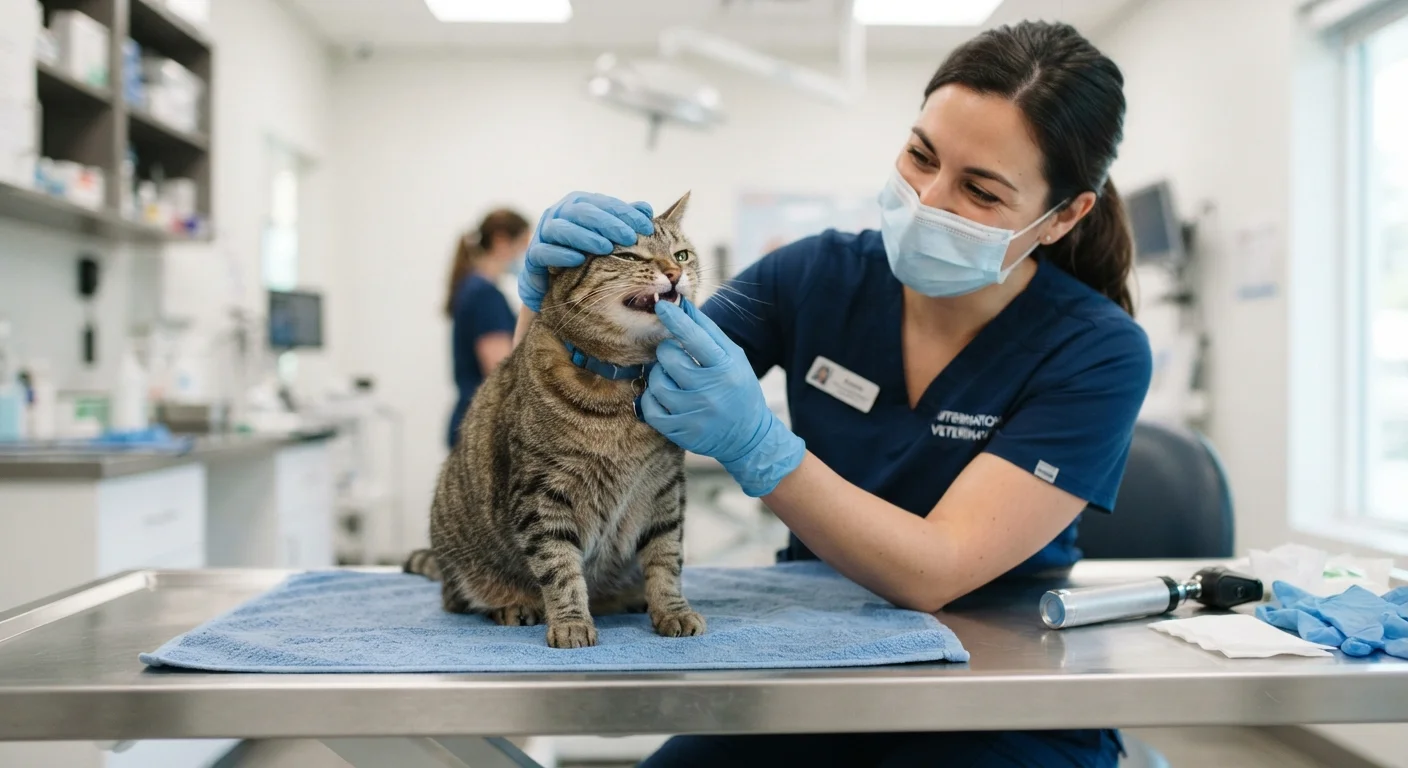
A wellness exam within the first week establishes a health baseline and lets your veterinarian catch issues - dental problems, parasites, heart murmurs - that may not be visible to an untrained eye. Bring any health records from the shelter or breeder so the vet knows which vaccines have already been given.
Core vaccinations for cats in the US typically include protection against feline herpesvirus, calicivirus, and panleukopenia (often combined as FVRCP) and rabies. Your veterinarian will recommend a schedule based on your cat's age and indoor/outdoor status.
Spaying or neutering is strongly recommended by veterinary organizations for cats not intended for breeding. In addition to preventing unwanted litters, it reduces certain health risks and many common behavioral issues.
Parasite prevention is important even for indoor cats. Fleas can enter on clothing or other pets; some intestinal parasites are transmissible to humans. Year-round flea, tick, and heartworm prevention products appropriate for cats - never use dog-labeled products on cats, as some are toxic to felines - should be discussed with your veterinarian.
After the first year of ownership, you'll be ready to think beyond the basics. The preventive care tasks most owners overlook - from dental cleanings to annual bloodwork - make a meaningful difference in long-term feline health.
This article provides general educational information about cat care and is not a substitute for professional veterinary advice. Always consult a licensed veterinarian for guidance specific to your cat's health and circumstances.